Introduction
The 2026–27 ski season is officially underway, with the first resorts across North America already spinning their lifts. And for many of you, the excitement to get back on snow is probably reaching a fever pitch.
But just because a ski resort is open doesn't necessarily mean it's offering anything close to the experience you're used to. Over the first several weeks of the season, some mountains will already be looking surprisingly wintry, with substantial amounts of terrain open. Meanwhile, others will barely have enough snow for a single run. So if you're itching to get back on snow, how do you figure out which resorts are actually worth visiting first?
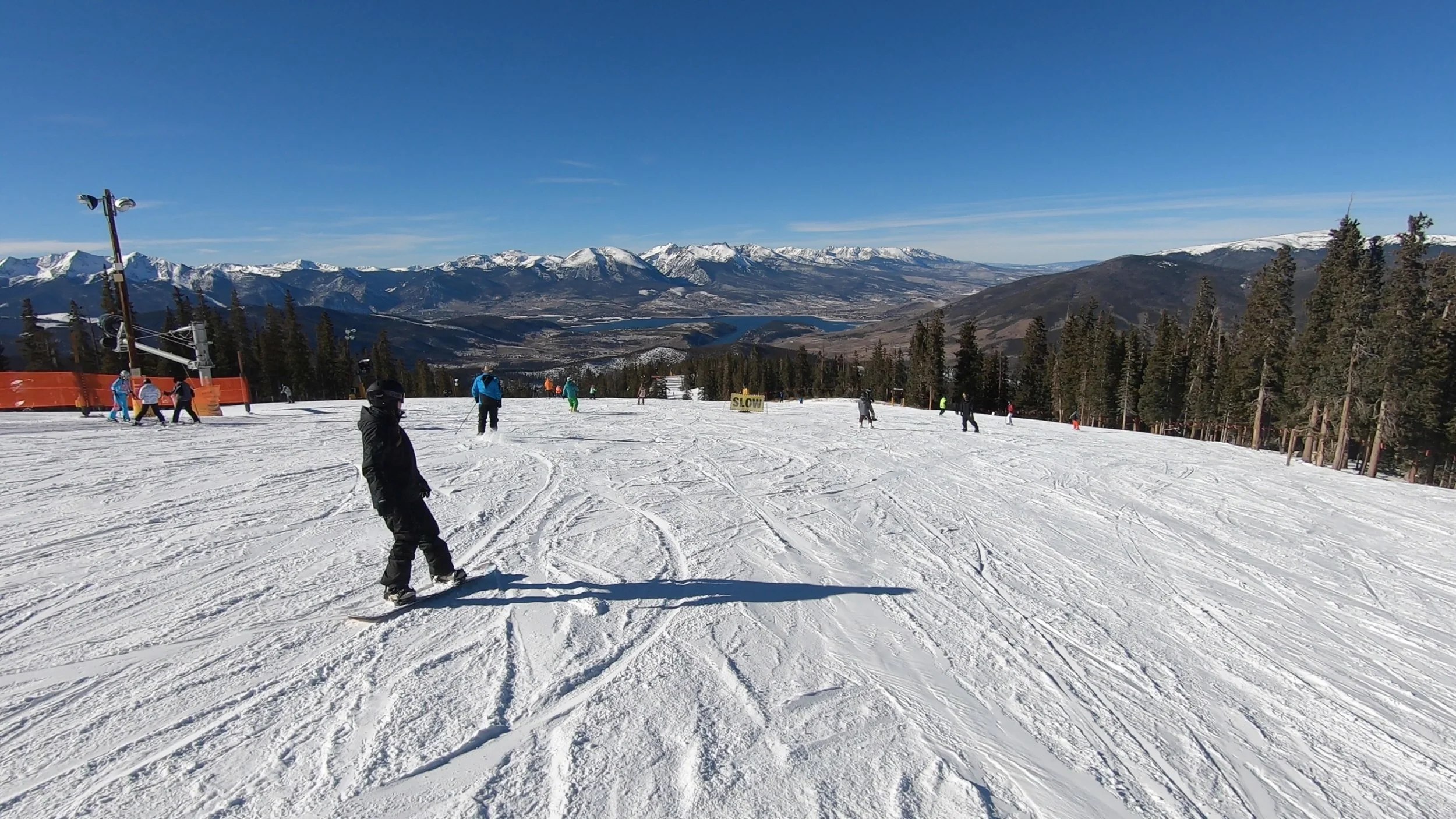
Some mountains look surprisingly wintry over the first several weeks of the season, while others barely have enough snow for a single run.
Well, in this piece, we’re going region by region to break down not just which North American resorts open the earliest, but also which ones tend to get a sizable percentage of terrain open the fastest—and accordingly, where you're most likely to find an early-season skiing experience that's actually worth traveling for. For the purposes of this piece, we define early season as the period from when resorts start opening all the way through the Christmas holidays.
Without further ado, let’s jump right into it.
New England & Eastern Canada
Let's start in the Northeast, where early-season skiing gets a particularly large amount of attention. And that’s largely because it’s the most populous megaregion in the United States and Canada. For millions of skiers and snowboarders living in big cities like New York and Boston, getting some turns in close to home is a much easier and more sensible way to kick off the season than flying out West.
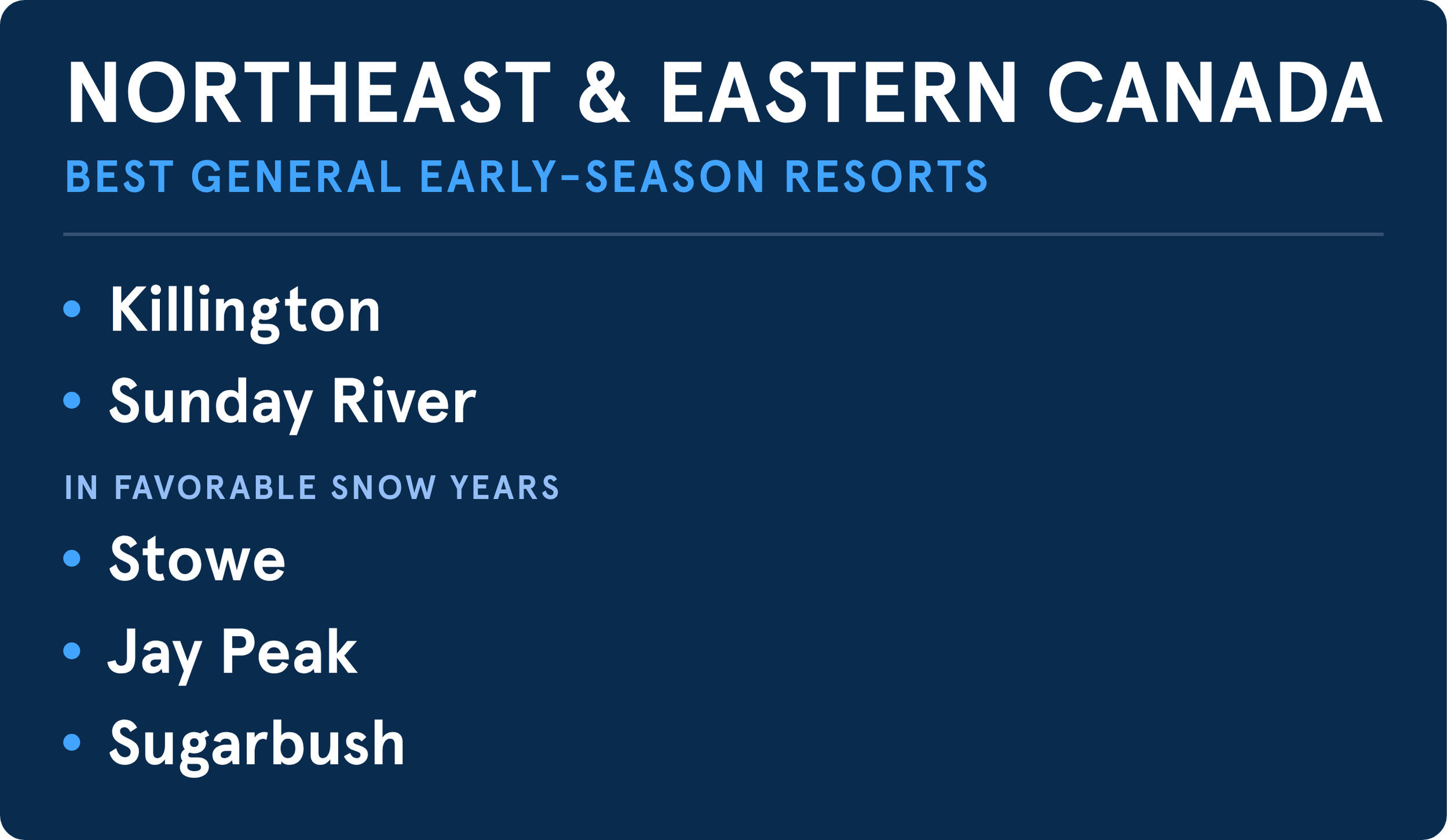
But with temperatures and precipitation in the Northeast known to fluctuate through November and December, the key to consistent early-season skiing here is artificial snowmaking. And when it comes to major resorts with impressive snowmaking infrastructure, there's a clear standout: Killington.
Killington combines favorable central Vermont temperatures with one of the most extensive snowmaking operations in the region. The mountain consistently targets an early November opening, well ahead of most other major Northeast resorts. It typically starts with a limited operation in its upper-mountain North Ridge area, but can expand its terrain footprint relatively quickly as temperatures cooperate, including onto some of its more challenging runs.
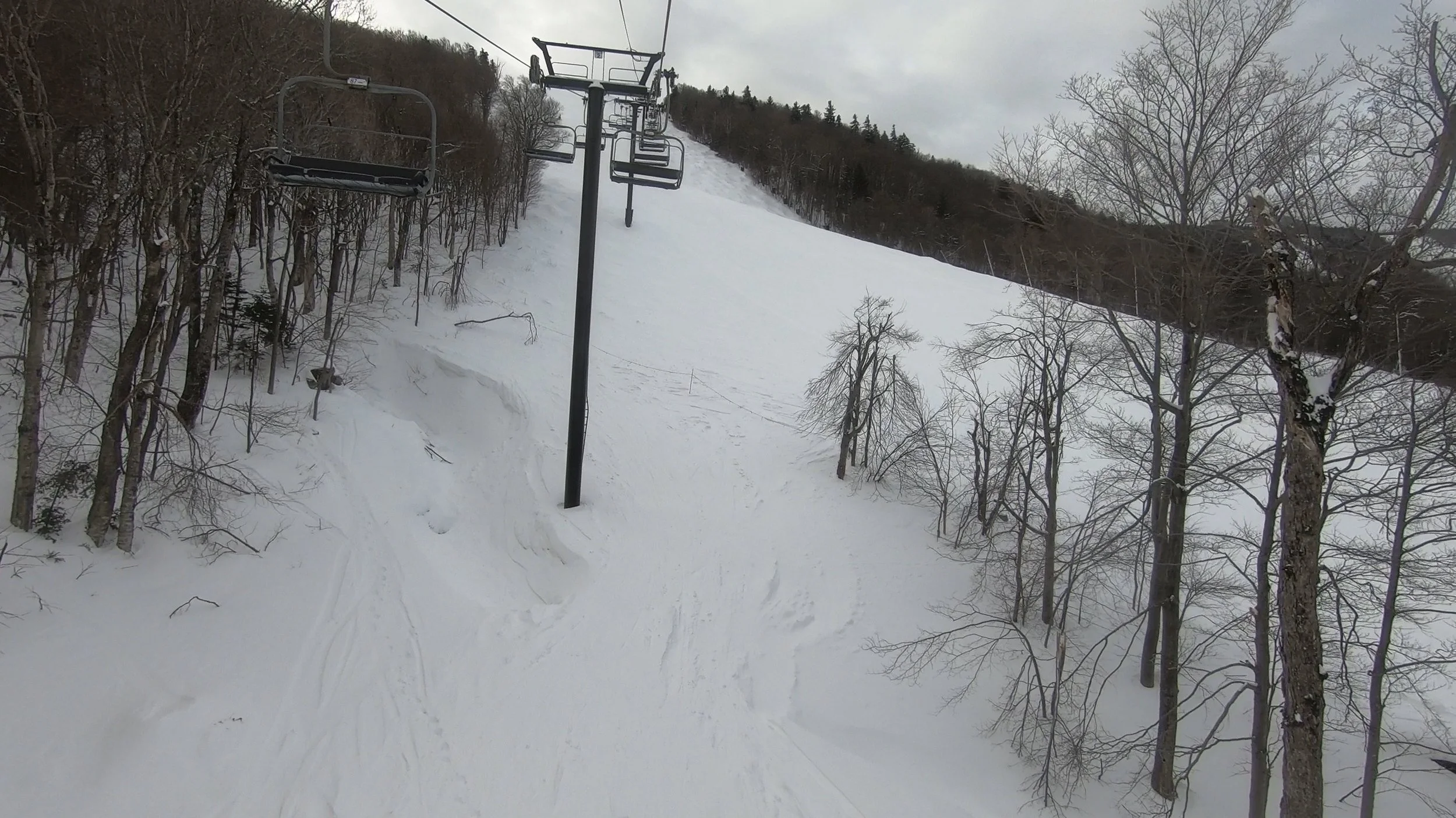
Killington consistently targets an early November opening, well ahead of most other major Northeast resorts.
Another strong contender is Sunday River in Maine, which consistently opens around the second weekend of November and even managed a small Halloween operation in 2024. This is again thanks to very strong snowmaking and grooming, as the resort doesn’t actually see that much natural early snowfall. Sunday River typically starts with its Locke Mountain terrain pod, which is surprisingly advanced in nature for an opening day setup, making it a good option for steep runs in November.
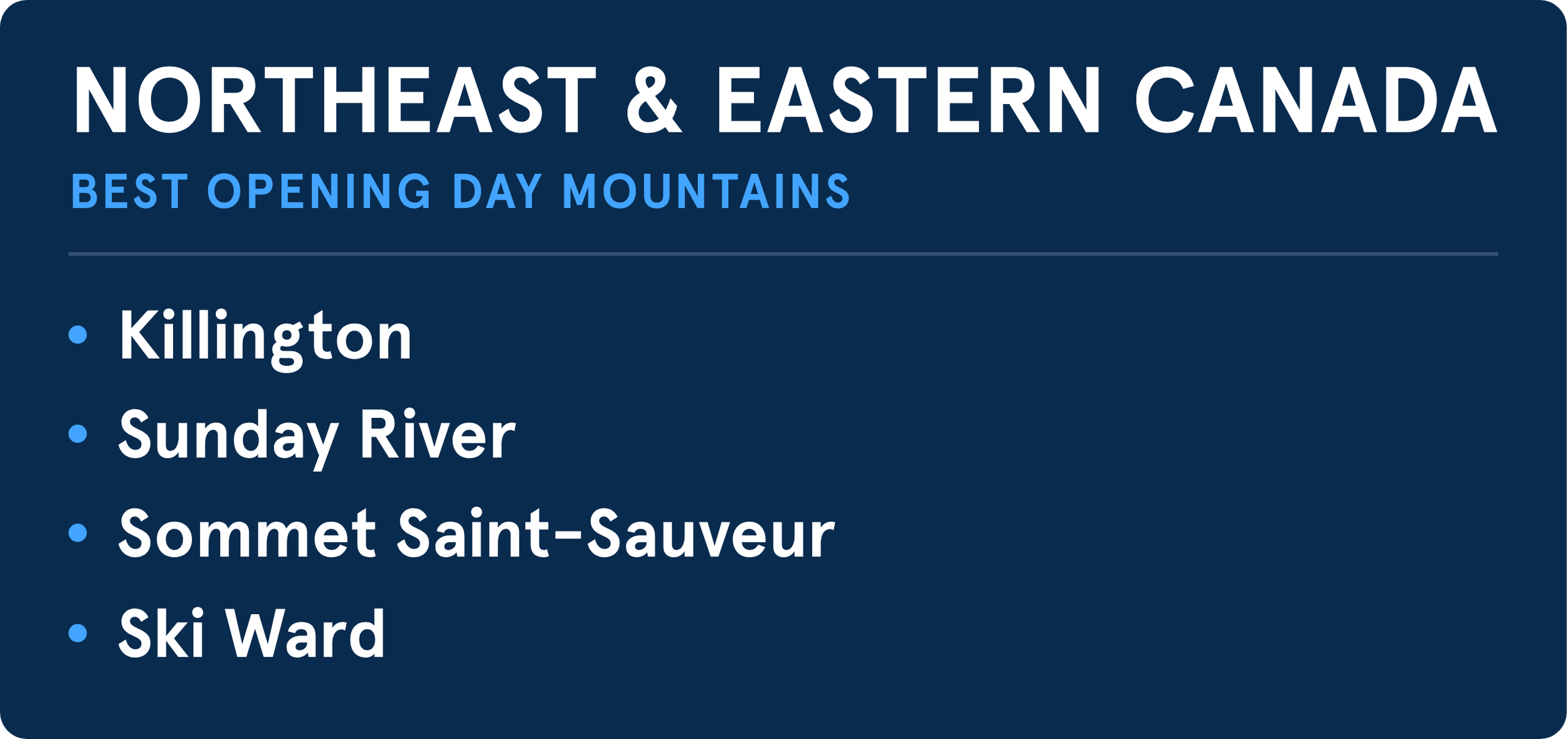
And for an extreme example of just how much snowmaking matters, Massachusetts' tiny Ski Ward actually became the first outdoor ski area in the country to open this season, thanks to a specialized system that can produce snow in temperatures exceeding 70 degrees Fahrenheit. Of course, with its extremely limited terrain footprint, Ski Ward isn't exactly a destination for a proper early-season ski vacation.
But what about heading even farther north into Canada? Interestingly, many of Eastern Canada's major destination resorts open later than their New England counterparts, despite their colder climates.
Quebec's Tremblant, for example, typically waits until late November despite a substantial snowmaking arsenal, with November 26th its scheduled opening this season. Other mountains like Bromont, Mont Orford, and Le Massif often wait until late November or December.
The one major exception is Sommet Saint-Sauveur, just north of Montreal. This small but mighty ski area regularly opens in early November, and actually beat both Killington and Sunday River last season to become the first ski area in eastern North America to offer daily lift-served skiing.
Back in the United States, other major Northeast resorts like Stowe, Stratton, Mount Snow, and Okemo often wait until around Thanksgiving to open, even when temperatures are favorable. Despite their substantial snowmaking infrastructure, operating schedules and staffing considerations can limit how quickly these mountains get their terrain online.
However, Killington and Sunday River's biggest advantages are typically in November. Once December arrives, natural snowfall can start to level the playing field. In good early snow years, northern Vermont resorts like Stowe and Sugarbush can quickly catch up to or even surpass Killington in the percentage of their terrain open. Smugglers' Notch and Jay Peak also benefit from favorable natural snowfall, although they tend to be more conservative about opening their full footprints before the Christmas season.
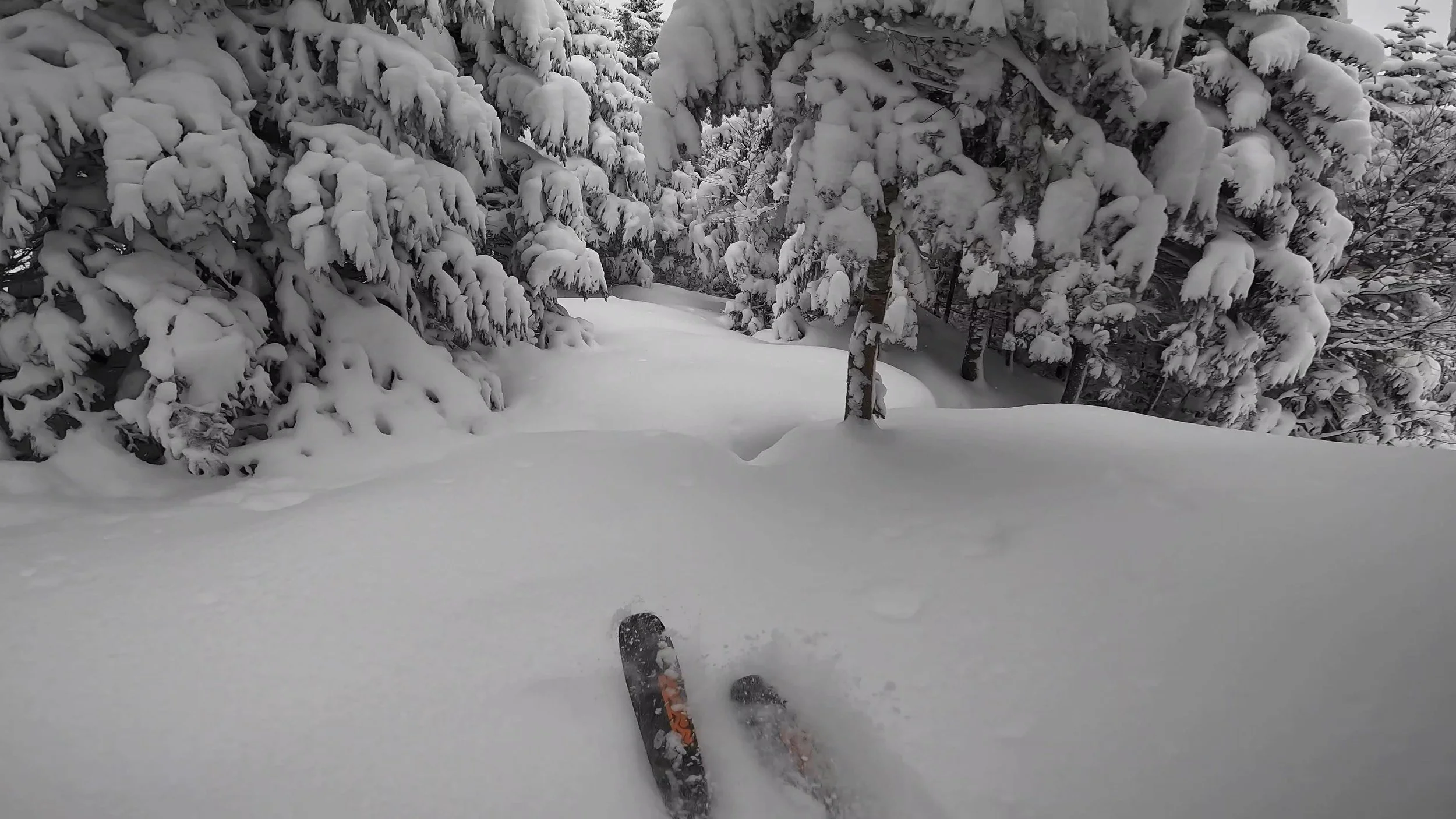
In good early snow years, northern Vermont resorts like Stowe can quickly catch up to Killington in the percentage of terrain open.
So ultimately, Killington and Sunday River remain two of the strongest bets for a substantial skiing experience as early as possible. But once December rolls around, the best choice can look very different depending on how the natural snowfall has played out.
Mid-Atlantic
Shifting slightly south, there’s the Mid-Atlantic. Some might call this region an extension of the Northeast, but for perhaps obvious reasons, the early season for Mid-Atlantic resorts manifests quite differently than for their northern neighbors. However, for those in major metro areas like New York, Philadelphia, or DC, the smaller Mid-Atlantic ski areas can be a viable and convenient early season option.
Resort openings in the Mid-Atlantic are delayed compared to New England, with most happening in early or mid-December. It’s considered extremely impressive if a Mid-Atlantic resort manages a late November opening. However, the same snowmaking logic applies here, and there are two clear winners.

The first is Blue Mountain in northeast Pennsylvania. Blue has a high elevation and some of the strongest snowmaking infrastructure in the entire East, and as a result, typically opens in the first weekend of December with a decent spread of trails. The mountain also gets a large portion of its trail map open quickly over the following weeks, which makes a big difference in the Mid-Atlantic, where many resorts struggle to open some of their mapped terrain zones for entire seasons. These factors, combined with Blue’s vertical drop of over 1,000 feet, put it well ahead of its regional competitors as a solid early season skiing option.
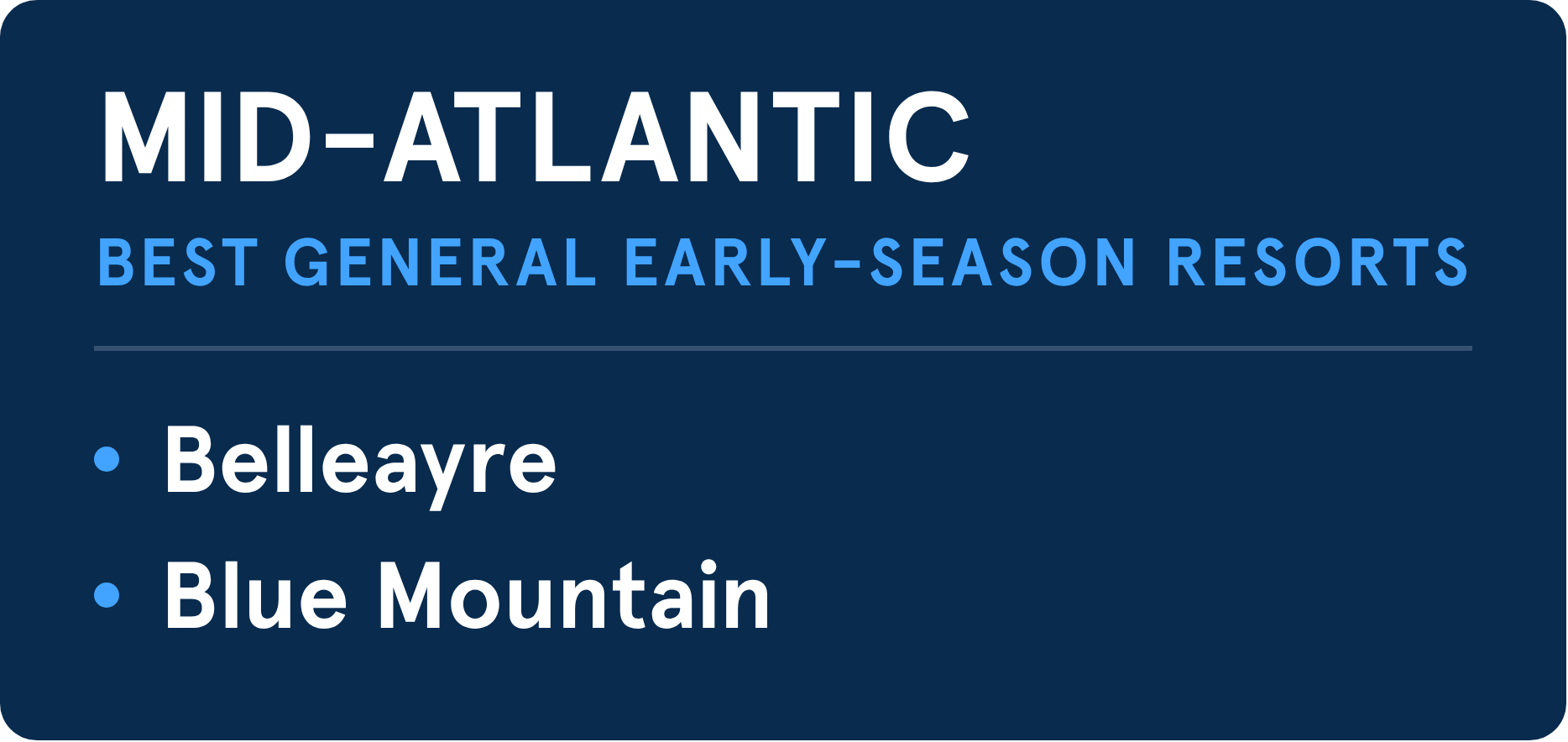
Another viable go-to for those in the New York City area is Belleayre in the Catskills. Belleayre typically does manage to start opening trails in mid-to-late November, making it often the winner of the race in New York state. The resort is publicly owned and has seen quite a bit of snowmaking investment in recent years. Snowmaking now covers 96% of Belleayre’s terrain footprint, and it managed to open with 25% of its trails right away for the 2025-2026 season (although this was considered abnormally good). The mountain has clear early advantages over nearby Hunter and Windham, and its 1,400-foot vertical drop means you can get some proper laps in for early season in the East.
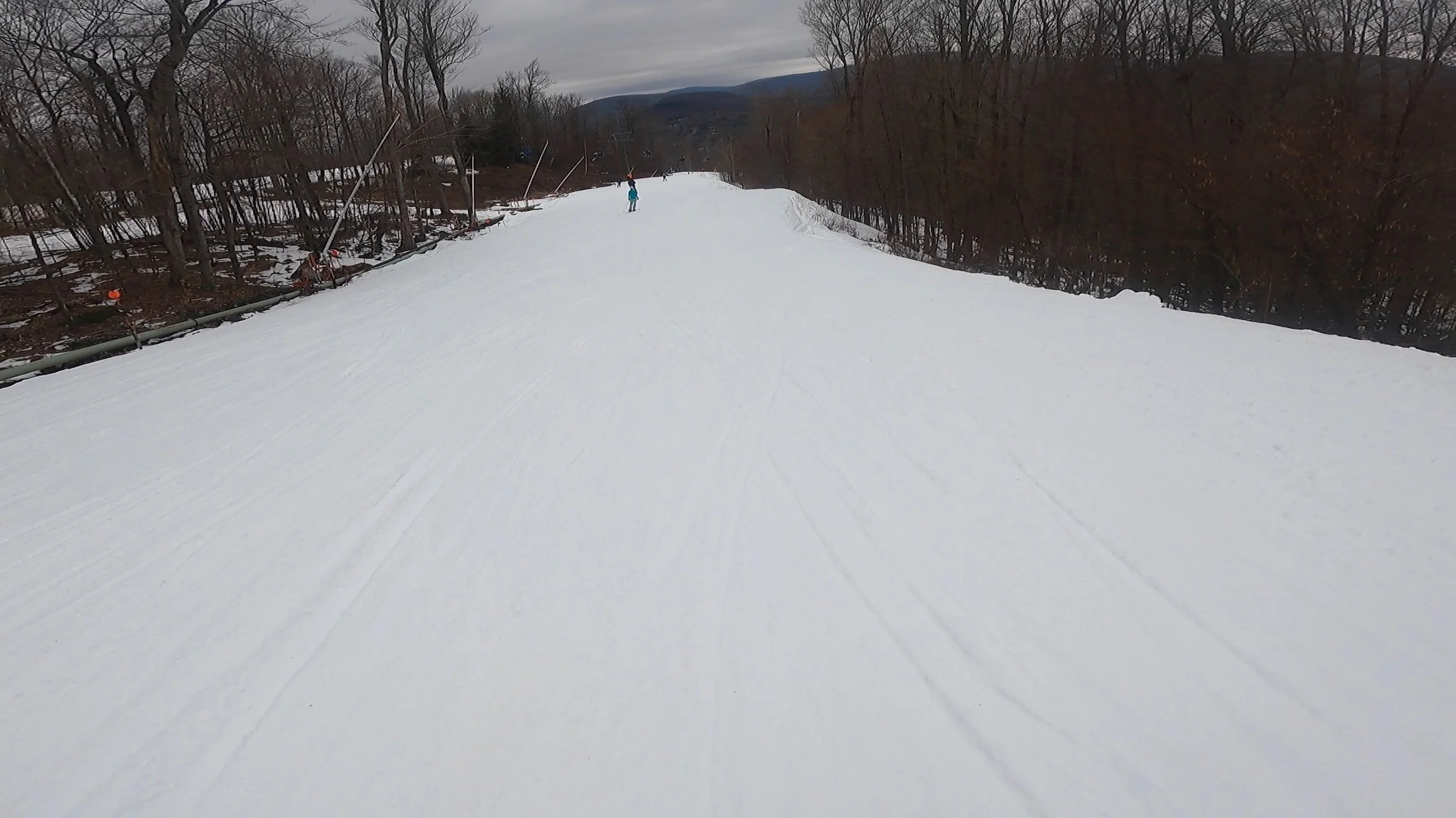
Snowmaking now covers 96% of Belleayre’s terrain footprint.
Midwest
Moving west, the Midwest has a somewhat different early-season skiing scene than the regions closer to the Atlantic. The region covers an enormous area, and while some ski hills can get going surprisingly early, the experience varies considerably depending on where you go.
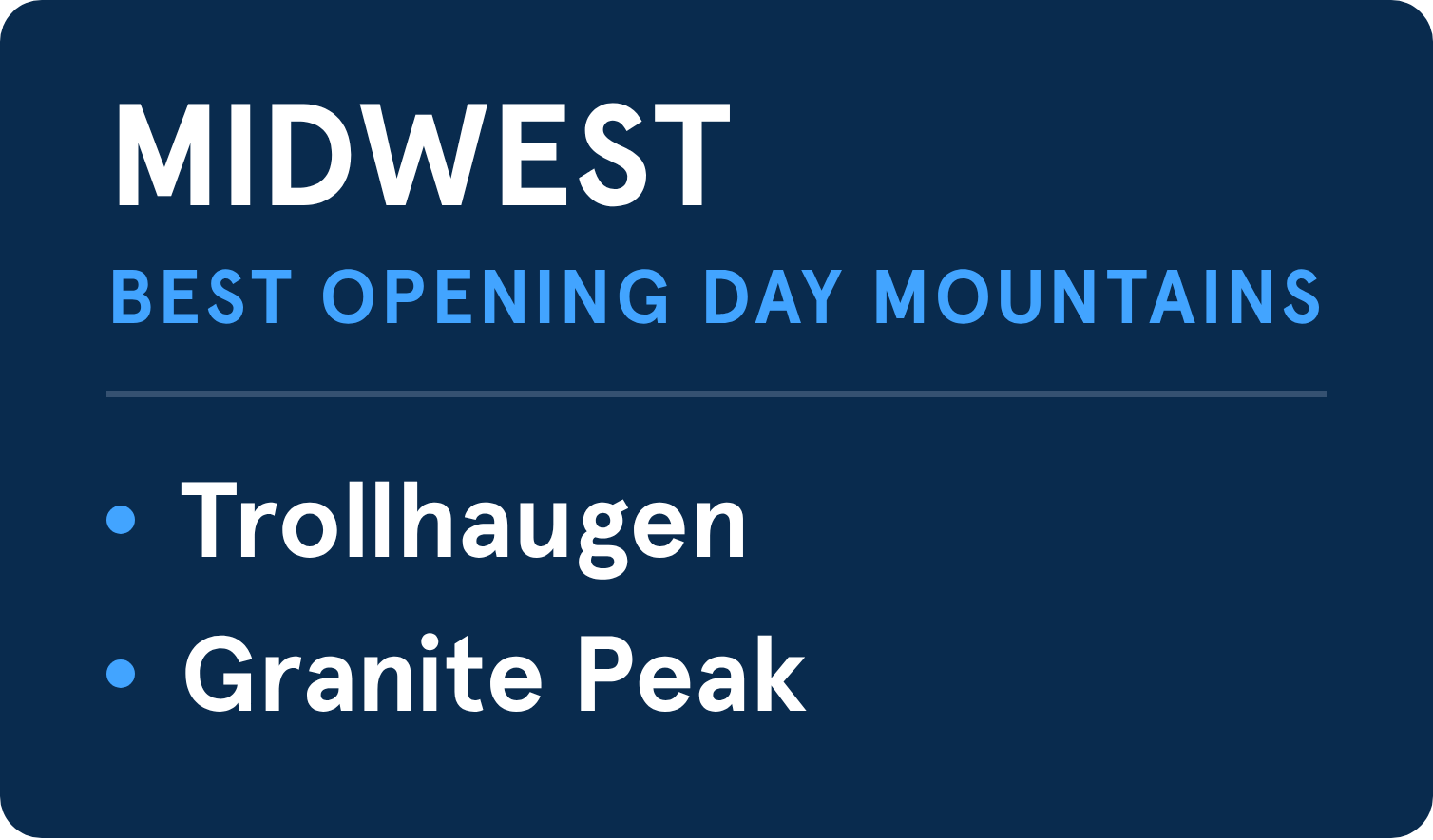
The Midwestern season typically kicks off in mid November, with the small Trollhaugen in Wisconsin becoming known in recent years as being among the first to open in the region. Larger resorts in the northern Midwest such as Granite Peak, Snowriver, and Lutsen follow around Thanksgiving. But the core of the region’s ski area lineup often has to wait until at least early December. This creates a bit of a distinction in the Midwest early season between those looking to get true first turns in, versus those looking for a more complete skiing experience that happens to be before the New Year.
A big part of this is the Great Lakes. Places like Snowriver and the infamous Mount Bohemia hugely benefit from lake effect snow. However, these lake effect areas are concentrated, and Midwest ski areas that sit outside them can struggle to build early natural bases. Meanwhile, many of the ones that do benefit from the lake effect also have the drawback of being incredibly remote and lacking in infrastructure. So while their natural conditions might be strong, that doesn’t mean they can necessarily get up and running quickly.
Now, if you're based in a major Midwestern city like Chicago, Detroit, or Cleveland, there are plenty of convenient local hills, such as Wilmot or Boston Mills, where you can get some December practice in before heading on a bigger trip elsewhere. But the problem for some folks is that these city-adjacent ski areas have pretty ordinary and flavorless terrain footprints. So what if you're looking for a more substantial early season skiing experience without leaving the Midwest?
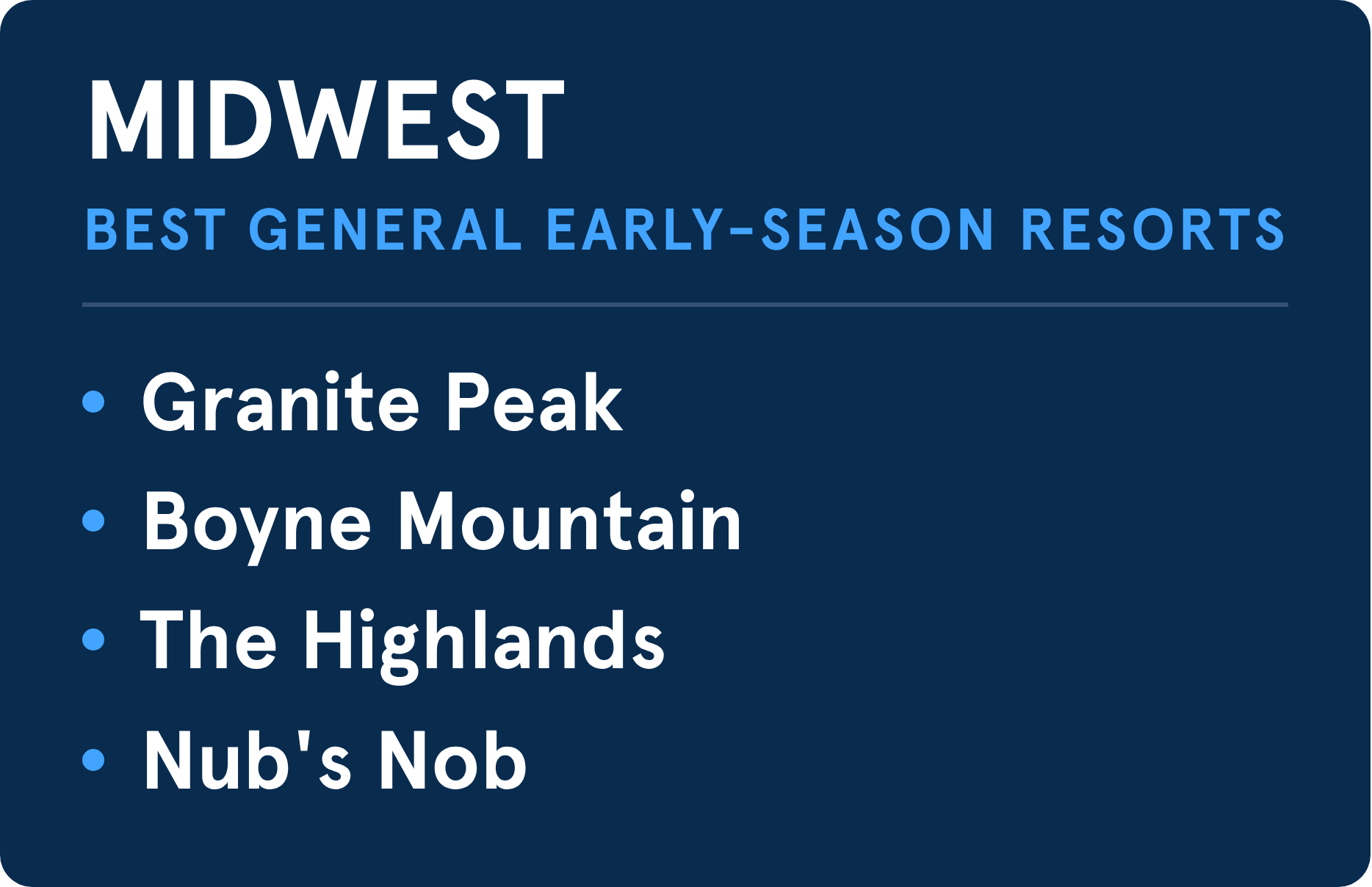
A particularly strong option is Granite Peak in central Wisconsin. Granite Peak typically opens in November and is around halfway between Minneapolis and Milwaukee, making it slightly more convenient than resorts further north. Additionally, the terrain footprint has 100% snowmaking coverage, including some decent advanced terrain. While the resort is rarely fully open by Christmas, it still generally provides a comparably interesting skiing experience more quickly than its regional neighbors.
Meanwhile in Michigan, there’s a very strong three-resort punch of Boyne Mountain, the Highlands, and Nubs Nob. Each of these three typically has to wait until late November or early December to open, but once they do, they provide a competitively reliable experience. They all benefit from natural lake effect snow alongside excellent snowmaking coverage, and their proximity to each other creates one of the Midwest’s better “multi-resort” experiences. Boyne is further south, while the other two are right next to each other near the town of Harbor Springs. Their advertised combined acreage just barely scrapes 1,000 acres, and they offer a good mix of beginner, intermediate, and advanced terrain across the three of them. If you are absolutely dead set on doing a proper multi-day ski vacation in December in the Midwest, this is your best option.
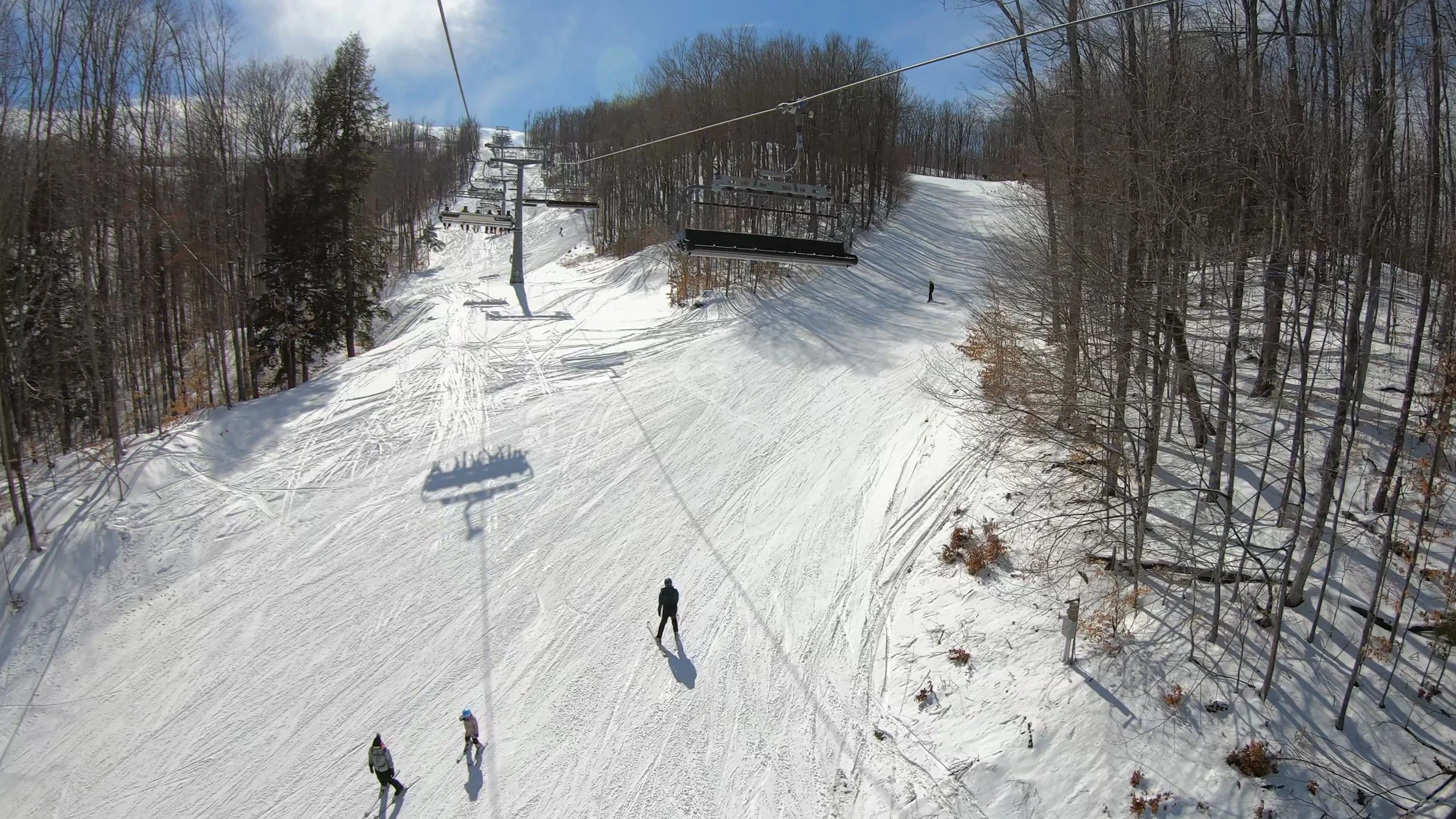
Boyne Mountain, The Highlands, and Nubs Nob together offer one of the Midwest’s better multi-resort experiences.
Colorado
Next up, we move into the regions that many of you might actually consider booking a fly-to vacation, starting with Colorado.
Colorado is often the first ski state people think of when they think of early season, and it’s for good reason. Its exceptionally high elevations bring consistently cold temperatures and bouts of snowfall earlier than most other ski regions, and the resorts here are also largely corporate-backed and endowed with robust snowmaking infrastructure. These factors create something of a race in Colorado, where multiple resorts compete to be the first to open in the entire country, while skiers and riders from all over watch eagerly from the sidelines.
But there’s a big difference between the resorts that win this race and those that actually offer the best skiing heading into December. So which resorts are best for both sides of the coin here?
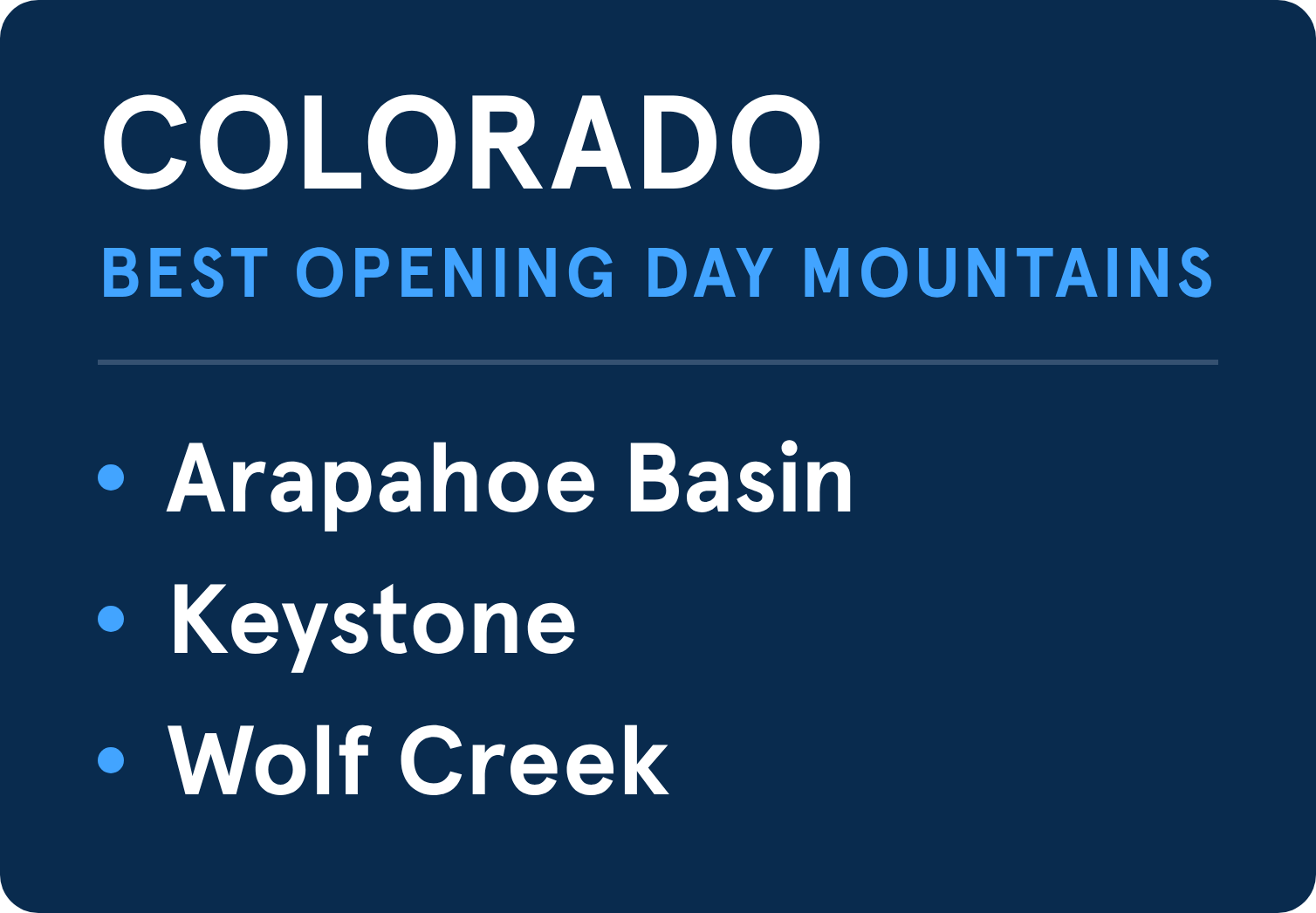
As far as literally being the first to open any terrain, the two commonly leading the pack are Keystone and Arapahoe Basin. Both benefit from lofty elevations and extensive snowmaking, and both have cultivated a dedicated culture around opening first. This year, A-Basin was the victor, opening on Wednesday October 28th, while Keystone followed a couple of days later on the 30th.
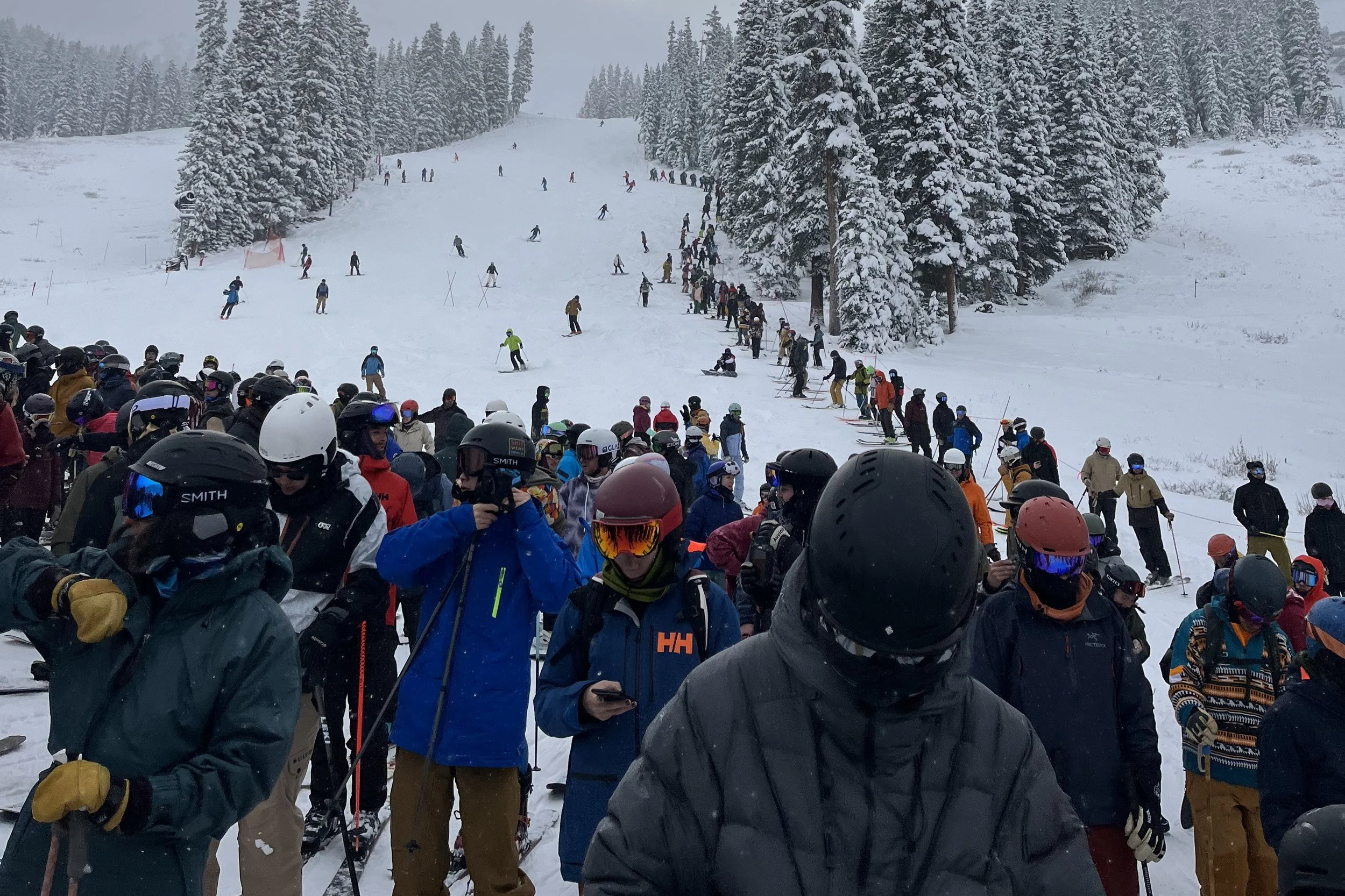
Opening day at Arapahoe Basin and Keystone is usually limited to a single trail at each mountain.
In terms of the actual opening day terrain offerings at either mountain, it’s pretty much just one trail each. Arapahoe Basin’s trail is a little bit more difficult and potentially less crowded, while Keystone’s provides more vertical. Notably, Keystone does not immediately open a full top to bottom run, which means that opening day visitors have to download the gondola to the base when they finish skiing.
However, there is a third wild card Colorado option that actually beat both Keystone and Arapahoe Basin as recently as 2024. This season, Wolf Creek opened right after the first two on Halloween, but instead of a single trail, it opened with 30% of the mountain already accessible. (Though it then immediately had to close indefinitely due to flooding in the surrounding area.) Located in the southern part of the state, Wolf Creek is a little bit less convenient for Denver locals looking for those super early turns, but its early openings are also based on completely different circumstances. Wolf Creek owes its opening speed to a specific storm track that consistently graces it with impressive early season snow totals. As a result, the mountain gets its footprint online rapidly, even including off-piste terrain like glades. This makes Wolf Creek a genuine destination option for those looking for a relatively complete mountain experience before mid-December, although the mountain is fairly remote and has some infrastructural drawbacks.
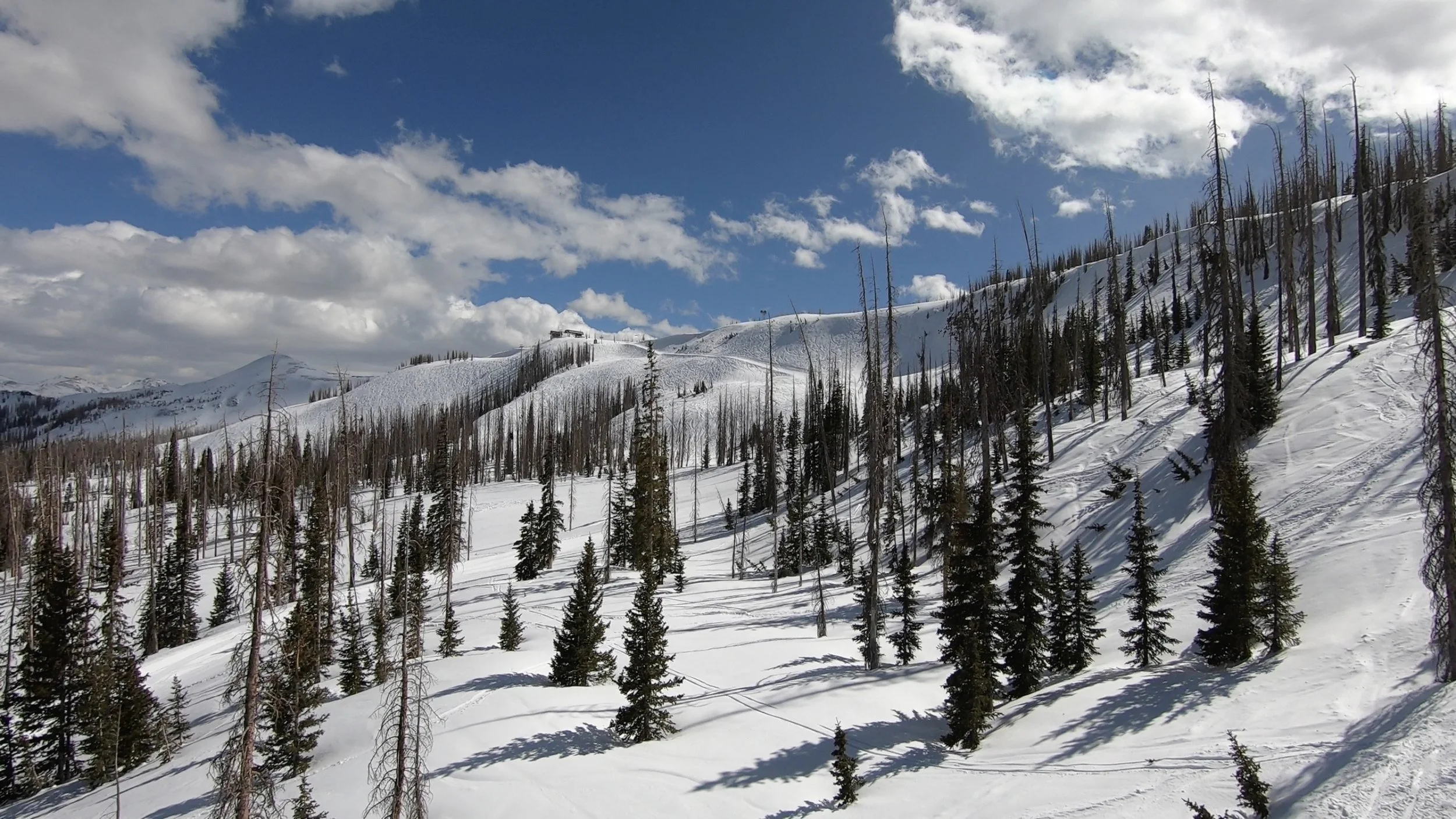
Wolf Creek opened on Halloween with 30% of the mountain already accessible.
Once the first-to-open race has passed, the other major Front Range destinations get up and running fairly quickly, with places like Winter Park, Breckenridge, and Vail coming online throughout November. Outside the I-70 corridor, major resorts like Snowmass, Crested Butte, and Telluride generally lean late November. But the speed at which mountains begin to expand their operating footprint depends greatly on the nature of the terrain itself.
Arapahoe Basin, for example, has the high elevation going for it, but beyond the opening day trail, its snowmaking is not as extensive as some other resorts. Additionally, the mountain’s steep and exposed nature means that the mountain is conservative with dropping the rope on a large percentage of the terrain that many visitors will really want to sink their teeth into. It’s the same story at nearby Loveland, which is never far behind the frontrunners in spinning its first chair, but takes a long time to cultivate a larger operation.
Meanwhile, resorts like Keystone and Vail have much larger swathes of tree-defined, wind-protected trails that they can open quickly, backed by extensive snowmaking arsenals. However, the truly interesting terrain at these resorts, such as Keystone’s high-alpine and Vail’s Back Bowls and Blue Sky Basin, are still tossups for early season. These areas have a good track record of at least partially opening by Christmas, but there are no guarantees. For example, the Back Bowls had an impressive early December opening in the 2024-25 season, but during the unfortunate 2025-26, it didn’t happen until February. The reliable Vail frontside may be more than enough for a good percentage of December visitors, but for some, the lack of certainty around the resort’s most special terrain may be a drawback.
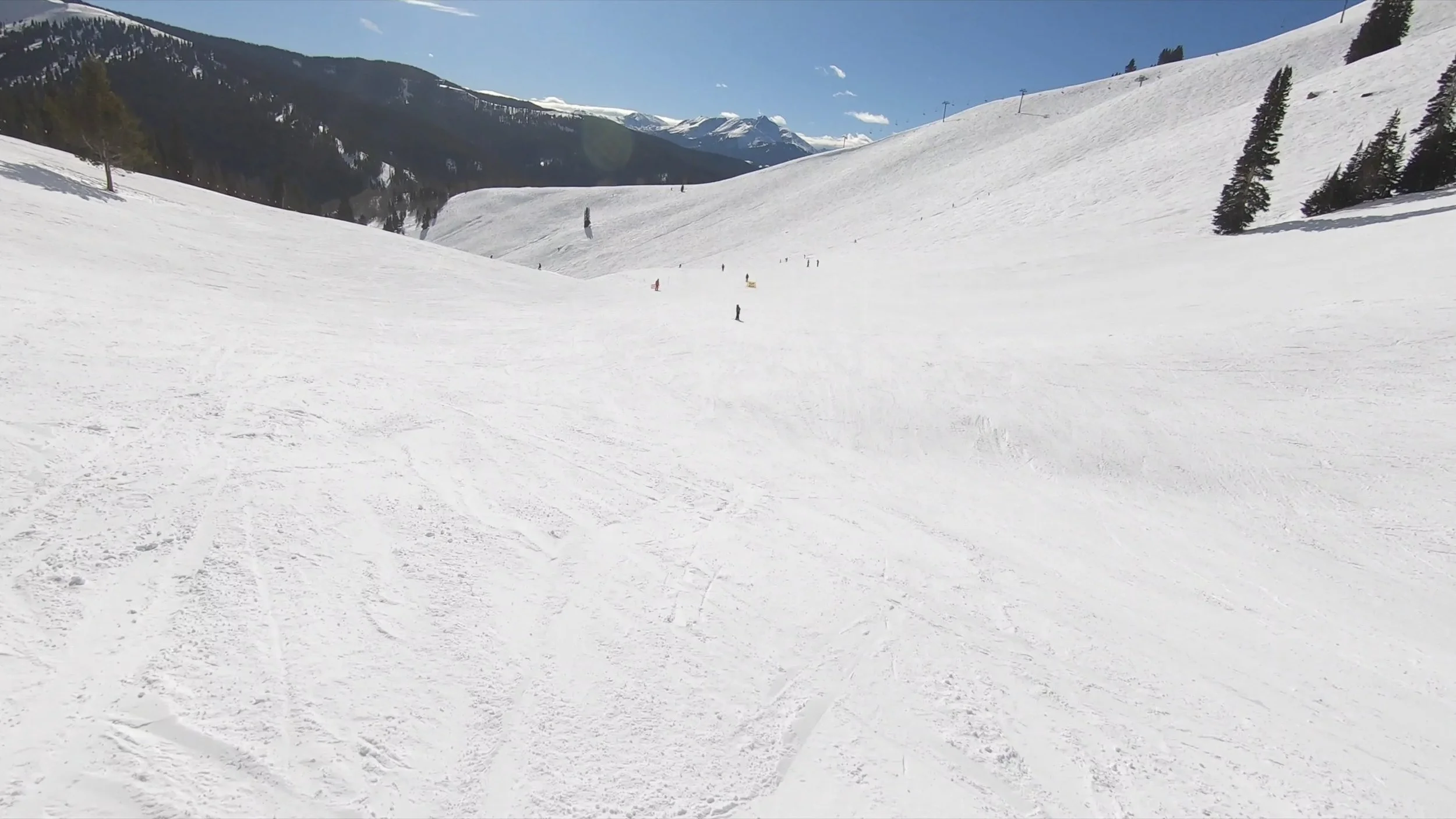
Vail’s Back Bowls opened in early December in 2024–25, but not until February in 2025–26.
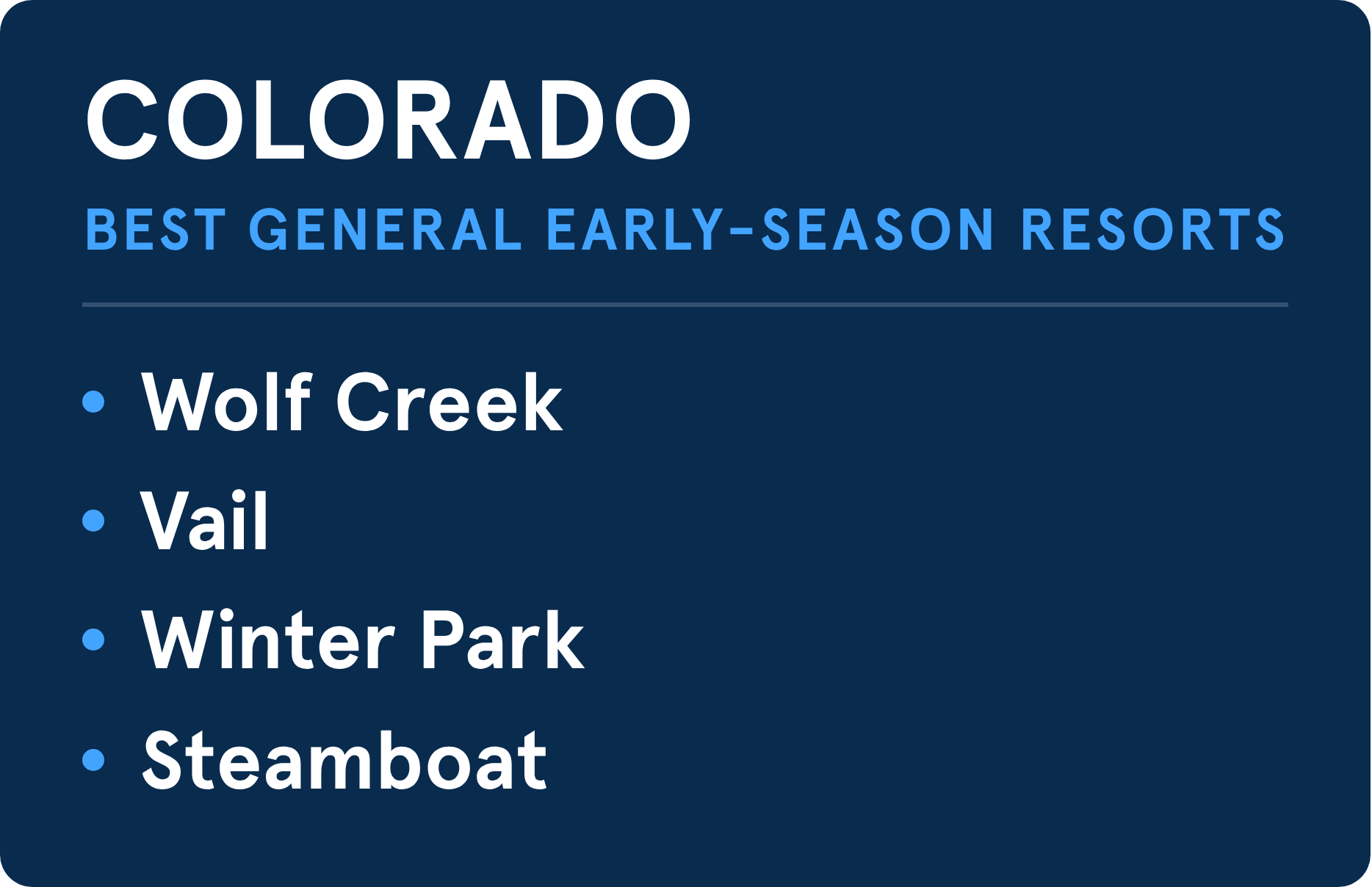
On the Ikon side of things, Copper, Winter Park, and especially Steamboat are all solid options going into the holidays. Steamboat in particular occasionally benefits from northerly storm tracks that don’t hit the Front Range mountains, and its largely below-treeline footprint lends itself well to reliable openings. Each of these resorts typically manages to open very sizable footprints before Christmas, although again, the most challenging and extreme terrain often has to wait until January.
Essentially, Colorado has perhaps the earliest and most diverse early season skiing scene largely thanks to its high elevation. But that same high elevation creates factors like steep, rugged terrain, intense wind exposure, and avalanche dangers that lead to many resorts being careful in how quickly they get their real heavy-hitting runs online. If you're just looking to get some turns in as soon as possible, A-Basin and Keystone are obvious choices. But if you’re the type of skier or rider who will get frustrated by parts of a mountain being unavailable to you, then your best chance at a close to fully open footprint is probably Wolf Creek, with places like Vail, Winter Park, or Steamboat also potentially offering this depending on how storms track.
Utah
While Utah’s major ski resorts don’t arrive at the party quite as soon as Colorado’s, it can actually often be the better general early-season pick in certain ways. And that’s almost entirely due to one single factor: the natural snowfall. While Utah’s major resorts generally open in a fairly concentrated window from late November through early December, the pace at which their full terrain footprint comes online is often the fastest in North America.
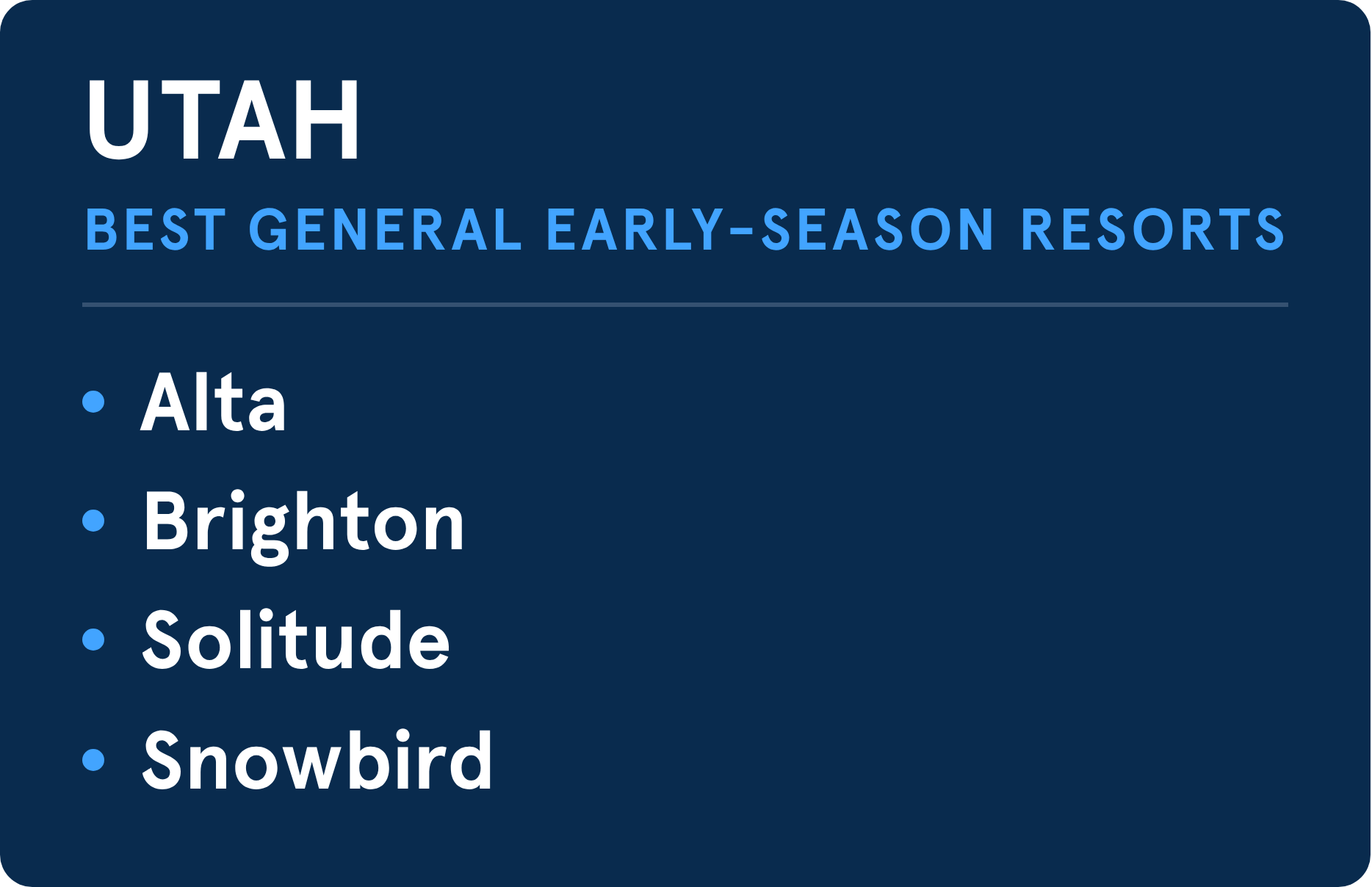
There is a clear best choice in Utah for the early season, and that’s the Cottonwoods. The four resorts of Alta, Snowbird, Solitude, and Brighton all employ snowmaking to some degree, but none of them have it on more than a third of their trails. Instead, snowmaking here is used to complement and enhance the bountiful natural snow totals. Big Cottonwood Canyon, home to Brighton and Solitude, averages over 20 inches of snow in November alone, and Little Cottonwood Canyon gets even more, often furnishing Alta and Snowbird with anywhere from 30 to as many as 70 inches before December even begins. These four resorts generally target a late November opening, but it often already feels like winter by the time they do, a far cry from the white ribbons in other regions. And going into December, Alta and Snowbird in particular are not shy about opening some of their most difficult terrain (though early season adventurers would be wise to watch out for sharks). Between the two, Snowbird’s slightly more extreme profile and south-facing Mineral Basin area means that it typically lags behind Alta in getting 100% open in any given season. For beginners and intermediates, Brighton is a great pick for a variety of more approachable trails early on, including even some lower level glades.
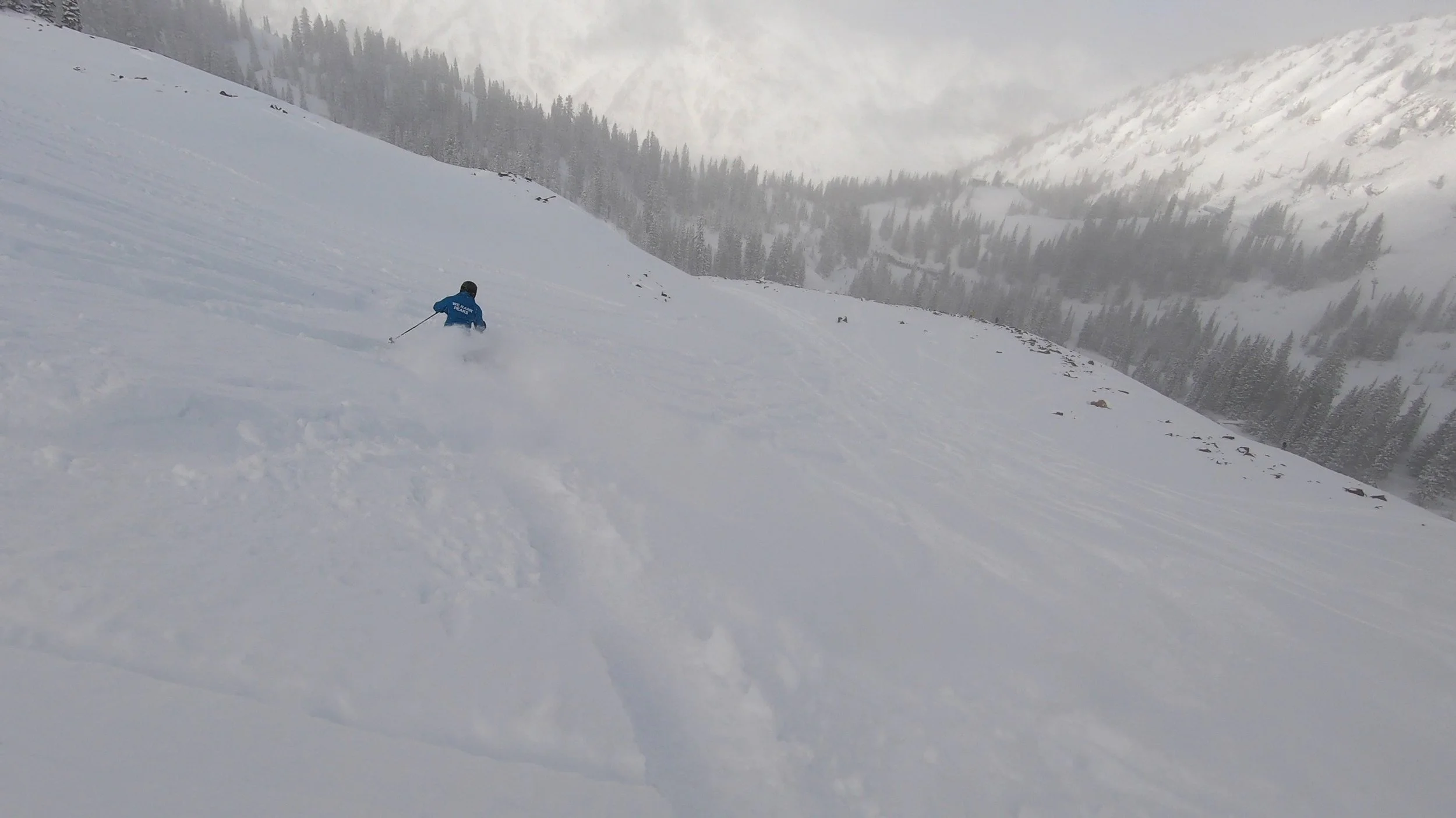
Little Cottonwood Canyon often gets anywhere from 30 to 70 inches of snow before December even begins.
As for the rest of the state, the major players like Snowbasin, Deer Valley, and Park City remain in the game thanks to far more extensive snowmaking systems than those employed in the canyons. These resorts aren’t bad options before New Year’s if you only care about cruisers and groomed terrain. However, they sit at lower elevations and less favorable aspects than their Cottonwoods counterparts, and large, important swaths of terrain tend to remain closed throughout the early season; the best off-piste and challenging terrain is not really a sure bet until at least early January.

But the Utah ski resort that actually consistently opens first may surprise some people: it’s Brian Head. Located in the southern part of the state, Brian Head has a higher base elevation than any of the more well-known resorts around Salt Lake City. It has invested heavily in snowmaking improvements in recent years, and now regularly targets an early-to-mid November opening, often putting it a couple of weeks ahead of its northern brethren. For those dedicated early season skiers looking for something unique and off the beaten path, and don’t mind a comparatively limited operation, Brian Head definitely occupies that niche.
Southwest
Moving into the Southwest, early-season skiing comes with a number of challenges. That said, options do tend to exist well before Christmas. On the plus side, resorts in Arizona and New Mexico sit at exceptionally high elevations, where temperatures can get cold enough for snowmaking relatively early. But the region’s generally dry climate means that getting enough natural snow to open substantial amounts of terrain can be a challenge.
There’s a lot of excitement surrounding the Southwest this year thanks to the developing Super El Niño, which many claim could bring unusually favorable precipitation to the region this winter. But whether that translates into substantial early-season snowfall remains to be seen.
For Arizona, the clearest early-season choice is Arizona Snowbowl. The resort has around 65% snowmaking coverage, and it has consistently managed a competitively early opening over the years, typically targeting a mid to late November opening with a few select trails. While the expansion of the footprint from there isn’t known for being particularly fast, the resort is still by far the best bet for early reliability and consistency in Arizona.
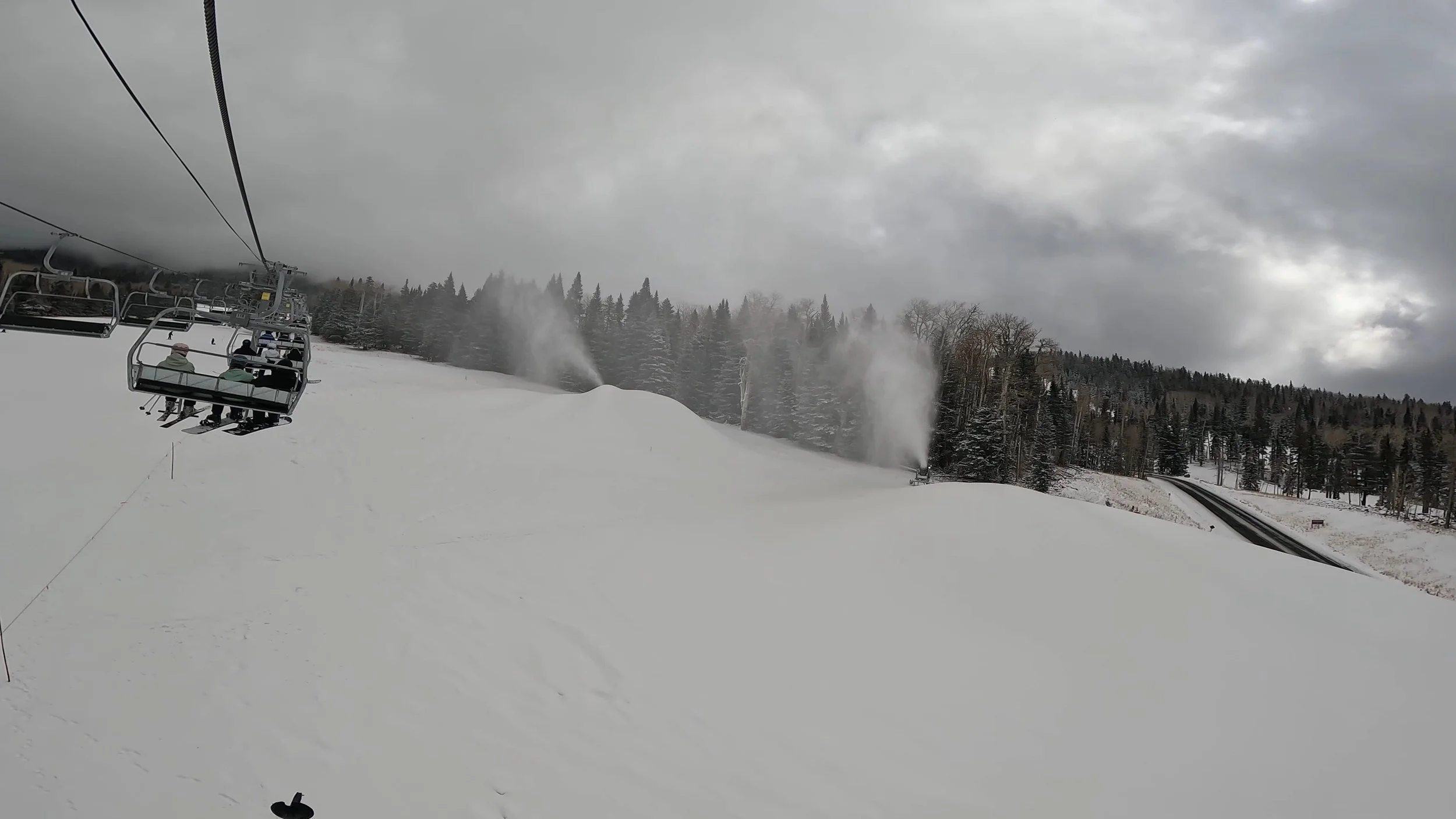
Arizona Snowbowl has around 65% snowmaking coverage.
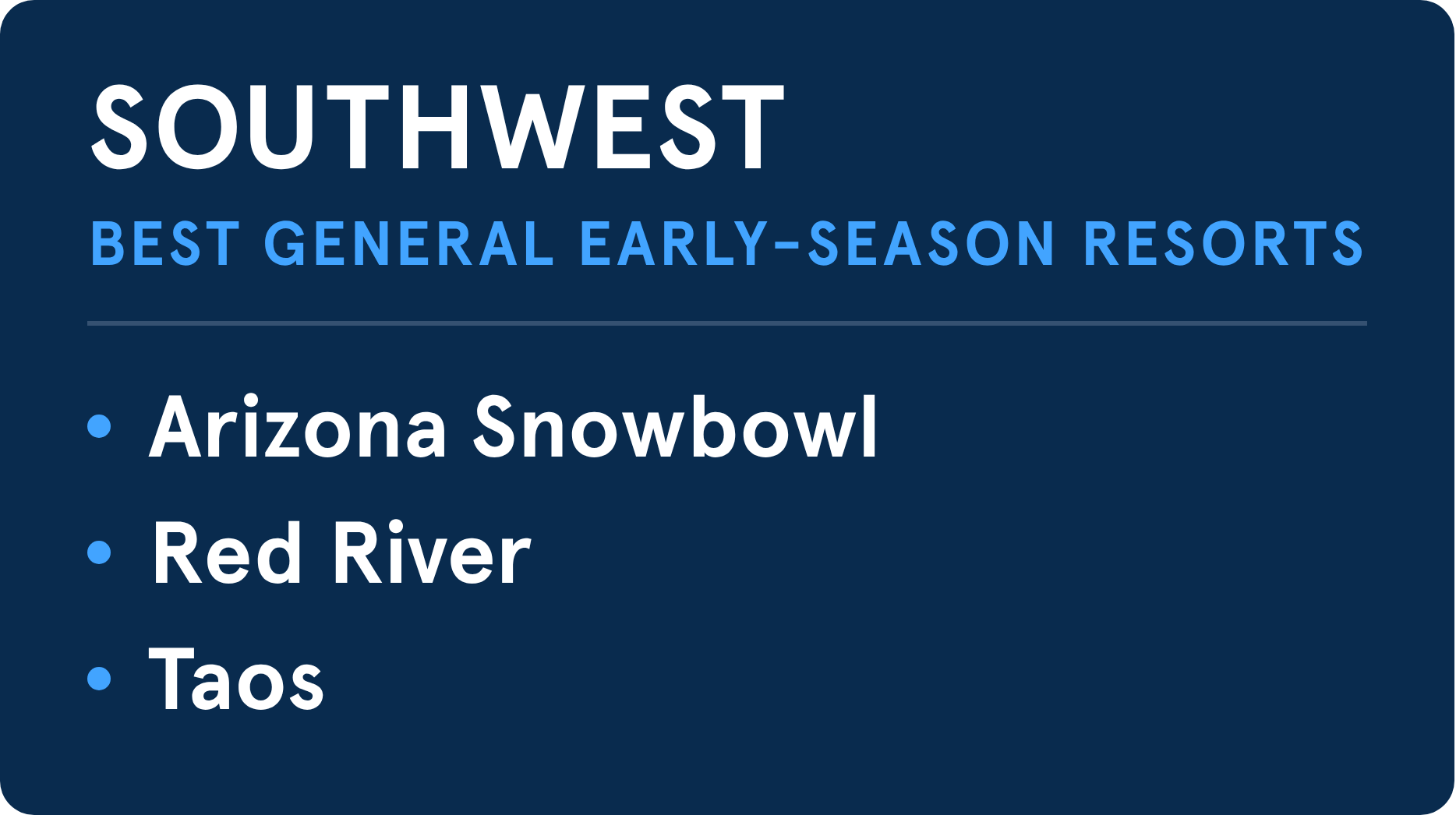
On the New Mexico side, the big players like Taos, Red River, and Ski Santa Fe also typically come online in late November. The best snowmaking in the state is arguably at Red River, where 85% of trails are covered. The resort also has a high base elevation of 8,750’, making it probably the most reliable choice for Albuquerque or Santa Fe residents looking to get some local turns in before Christmas. Red River’s footprint is relatively small and ordinary, however.
Nearby Taos is perhaps the Southwest’s main skiing attraction. With a similarly high elevation to Red River, a largely north-facing terrain aspect, and claimed snowmaking coverage of nearly 100% on its beginner and intermediate terrain, it may seem like the most logical option. However, the expert terrain that makes Taos truly special is steep, rugged, and rocky, and requires a lot of snow to fill in. As a result, it’s fairly rare for any of the resort’s truly extreme lines to open before the new year. However, for beginners and intermediates, Taos does eventually offer a larger vertical drop than Red River, depending on how quickly its operations spread across the footprint. So for New Mexico locals choosing between the two in the early season, it may be more down to personal preference.
Lake Tahoe & the Sierra
While California’s ski resorts have some pretty different geographical circumstances across the state’s mountain ranges, the early season ski scene here has one thing in common: an unpredictable nature compared to resorts in other regions. That’s because huge swings in snowfall and temperatures can make it difficult to predict how quickly they’ll get substantial amounts of terrain open, let alone their first trails.
Mammoth is commonly the winner of the California race, and it looks poised to do so yet again this season, opening on Thursday, November 5th. Mammoth may not have the largest snowmaking operation in the state, but it does have the highest elevation, allowing it to get down into consistently low temperatures the quickest. This also means that the large early season Sierra storms, which are infamous for falling partially as rain on lower parts of the Tahoe resorts, typically don’t damage Mammoth in the same way.
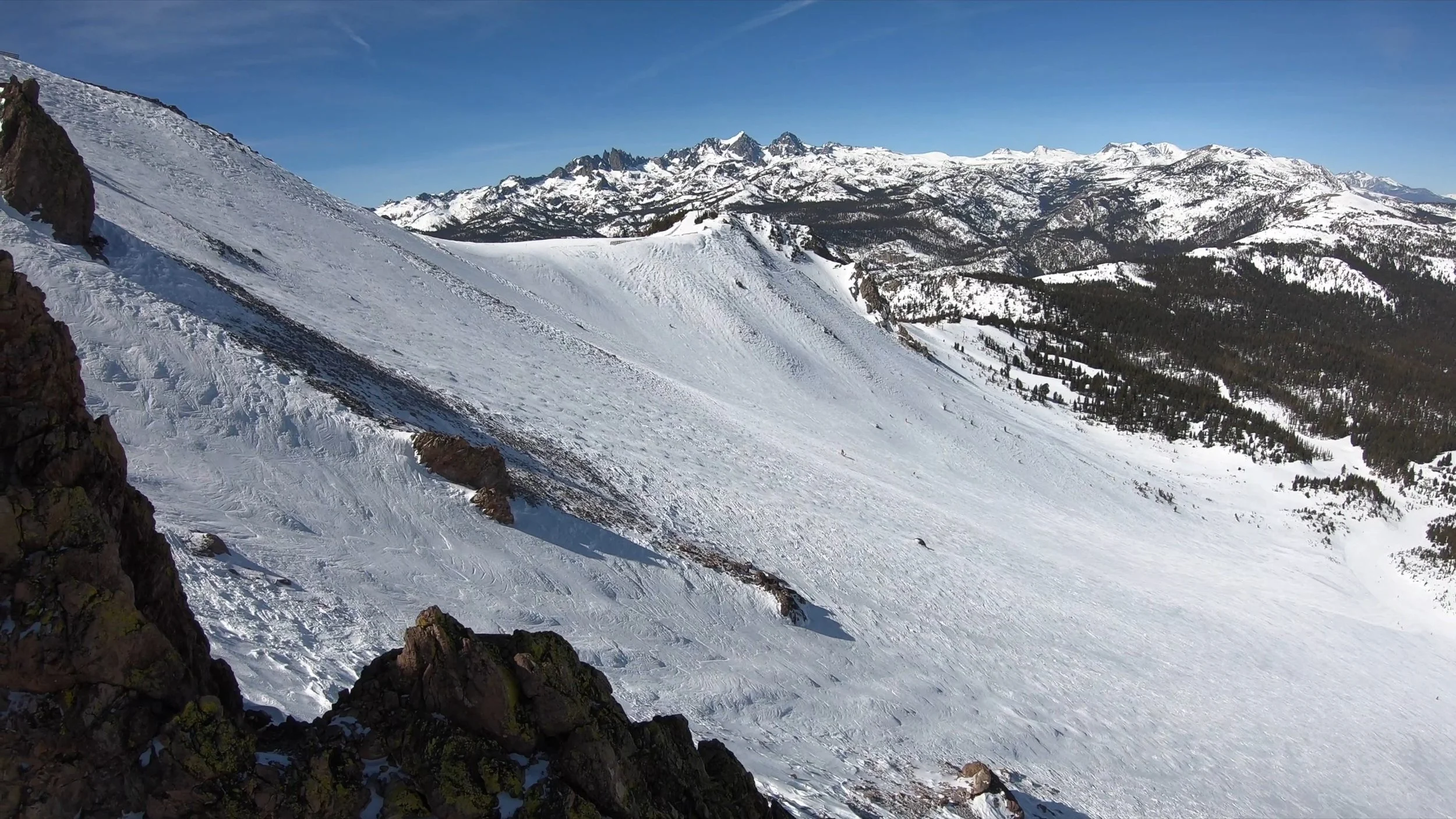
Mammoth’s higher elevation makes it somewhat less vulnerable to warm storms than many of the Tahoe resorts.
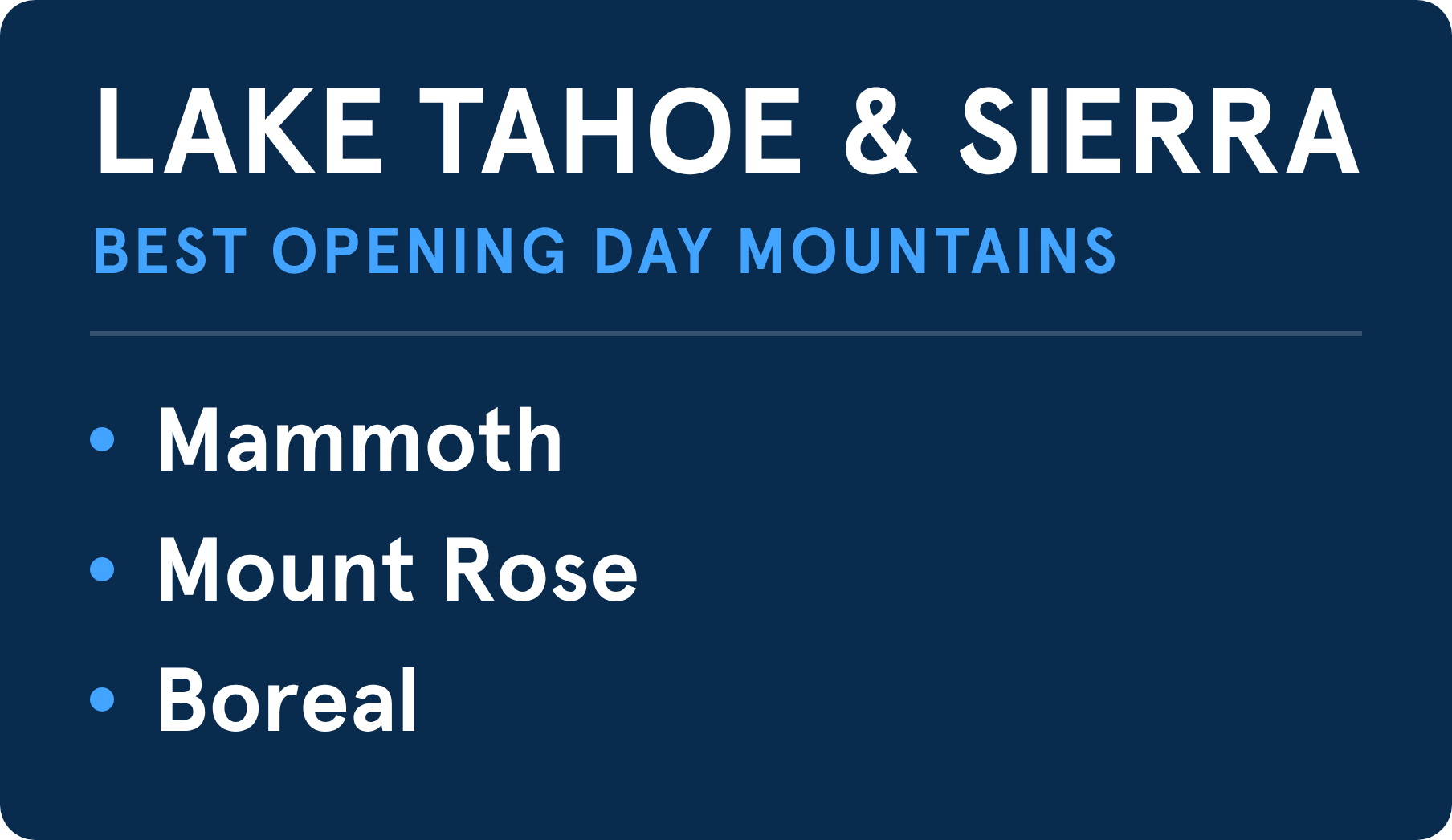
But while Mammoth might beat its California competitors to the punch, one could argue that it’s matched by Mt. Rose, a resort that is definitionally part of the Lake Tahoe region, but sits across the border in Nevada. While not as high as Mammoth, it is the highest ski resort of those around the lake. The mountain is targeting a November 6th opening this year, and it’s been the first resort in the Tahoe region to open for each of the past three seasons. Nearby Boreal also has a regional reputation for getting going quickly, but it has lagged slightly behind Rose in recent seasons. Both resorts have very good snowmaking coverage, allowing them to regularly beat out the heavy hitters like Heavenly, Palisades Tahoe, and Northstar by a week or two.
But the Sierra’s variable weather means these timeframes aren’t always the norm. In fall 2021, Mammoth, Palisades Tahoe, and Boreal all managed to open before the end of October. By contrast, in fall 2025, warm temperatures and limited snowfall forced several resorts to delay their planned openings. These unpredictable conditions can have a huge impact on how quickly resorts expand beyond their initial opening-day terrain. Mammoth’s higher elevation makes it somewhat less vulnerable to warm storms than many of the Tahoe resorts, which is a big reason why it’s our top early-season pick in the Sierra.

But there’s a major upside to California’s unpredictable early-season weather: when conditions are favorable, the skiing can get really good, really fast. Huge early-season storms can bring substantial portions of these mountains online almost overnight, sometimes including the steep chutes, cliffs, and other extreme terrain that make Sierra resorts so famous. For those eager to send truly technical lines in the early season, this is a plus, but it comes with the caveat of avalanche danger, rocks, and other hazards.
And finally, for residents of southern California just looking for a straightforward early ski day, the Big Bear complex and Mountain High are both viable options. Despite their small footprints, their quality snowmaking always ensures that at least something is open for those driving from the Los Angeles area.
Pacific Northwest
Resorts in the Pacific Northwest aren’t typically known for the early season. In fact, most of the region’s ski scene doesn’t get going at all until late November, with most major ski areas waiting until early or even late December to fire up. Snowmaking is also not as prevalent here as it is in other regions we’ve covered so far. However, there are two fairly regionally strong resorts when conditions align, at least on the American side of the border—and those are Oregon’s Mount Bachelor and Washington’s Mount Baker.

Bachelor actually doesn’t have a lot of snowmaking, meaning that it almost never opens until around Thanksgiving at the earliest. And the resort’s volatile weather patterns make for extremely variable openings of any terrain served by the Summit lift. But the resort’s lower-elevation north-facing slopes are reasonably reliable, and given the massive size of the overall Mount Bachelor footprint, even just that small fraction of the resort’s terrain being open in early December is usually class-leading by Pacific Northwest standards.
Meanwhile, Mount Baker has an almost freak reputation in the region for its insane natural snowfall, regularly receiving over 600 inches in a season. Unlike Bachelor, the ski area doesn’t actually sit on its namesake volcano, but benefits from its location in the northern Cascades, where Pacific storms can dump extraordinary amounts of snow. The big caveat here is that the resort has no snowmaking at all, so it is entirely reliant on the timing of that insane snowfall to determine when it opens. In fact, in the last five seasons, the resort has literally alternated back and forth between November openings and December openings, making it one of the most unpredictable resorts to call in the entire country. However, Baker is regularly so far ahead of its neighbors conditions-wise, that many PNW diehards will tell you it’s basically the only ski area in the region worth going to before New Year’s.
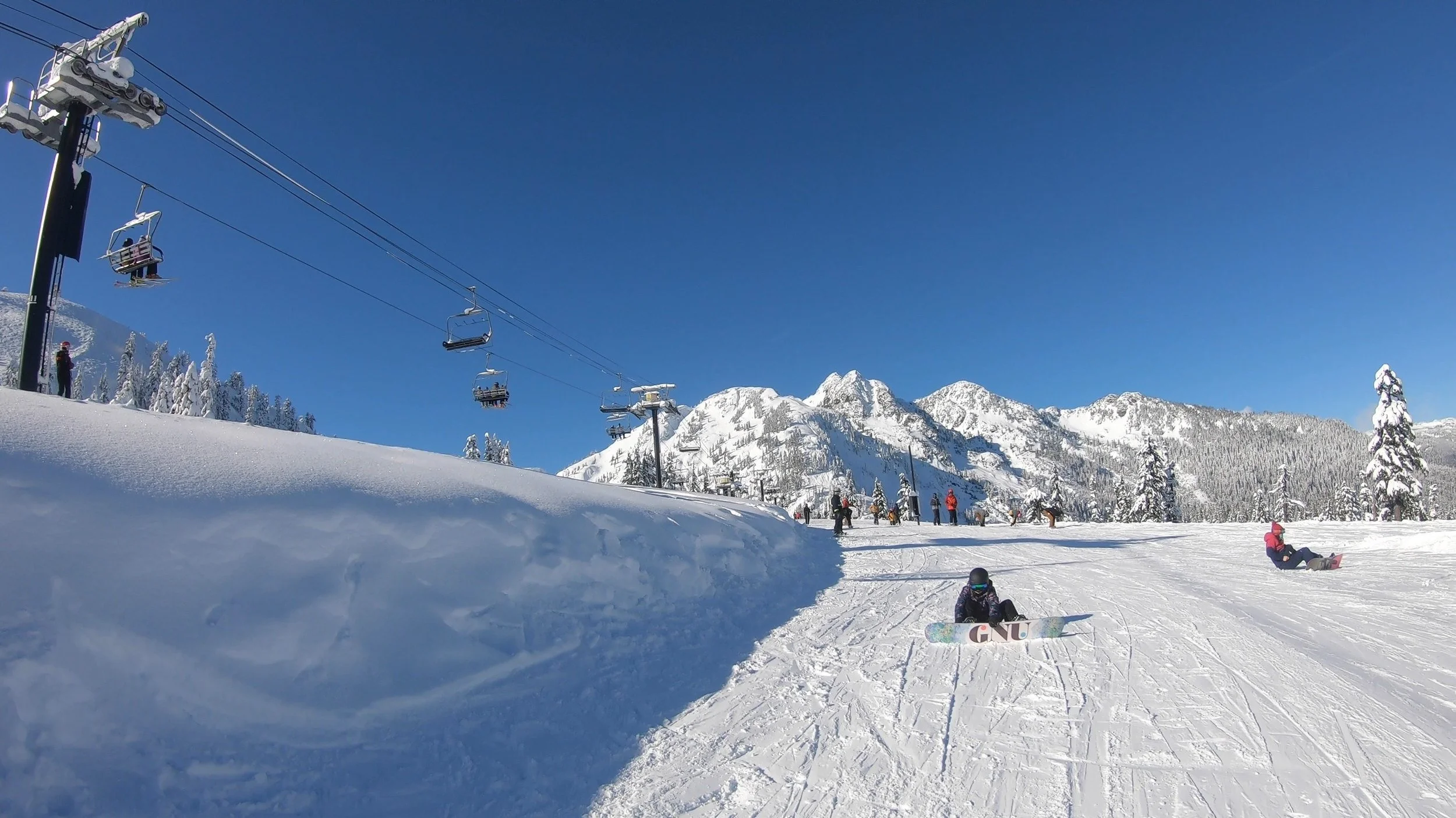
Mount Baker regularly receives over 600 inches of snow in a season, but has no snowmaking at all.
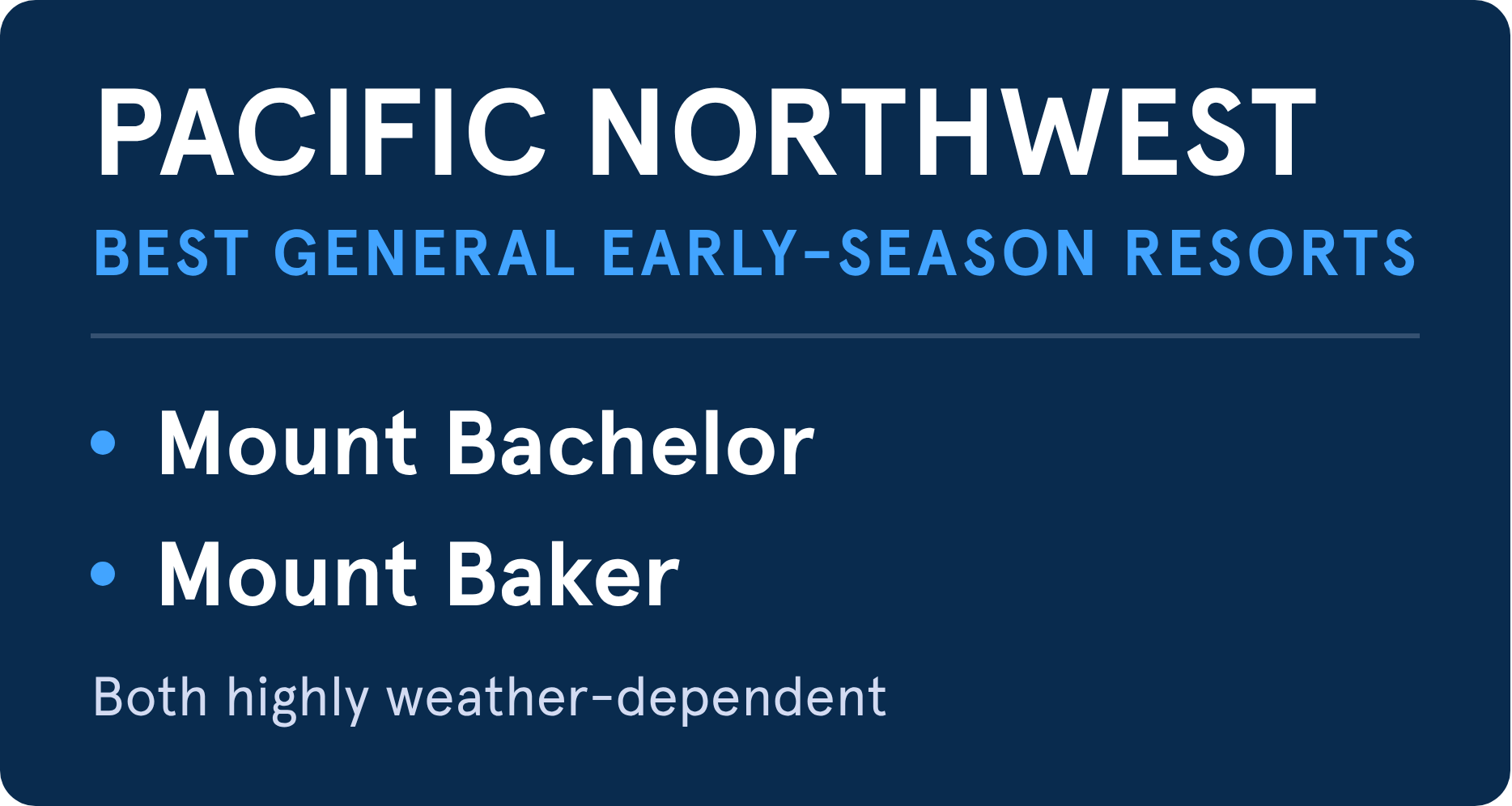
Of course, there are some more convenient and corporate resorts for those Seattle and Portland locals just looking to get some turns in before bigger post-Christmas trips elsewhere. However, Stevens Pass and the Snoqualmie cluster near Seattle typically don’t open until mid-December. The resorts situated on or near Mt. Rainier and Mt. Hood can be a little faster, but their footprints are generally slower to expand than Bachelor’s or Baker’s. But with so much depending on the timing and temperatures of Pacific storms, we have to caveat that even the two resorts we highlighted are good early-season picks in strictly a relative sense, and we’d be highly cautious about committing to any early-season PNW ski vacation too far in advance.
U.S. Northern Rockies
Compared to other states, the resorts in Wyoming, Montana, and Idaho have some significant natural advantages in the early season. Temperatures get cold fast in this area of the country, and when precipitation cooperates, it can start to look like winter pretty early. If you don’t believe us, just check Big Sky’s mountain cams this time of year.

However, a big factor holds back the resorts from actually opening as fast as you might expect, and that’s their remoteness and isolation. There is no major Denver or Salt Lake City-sized metropolitan area of dedicated locals to serve any of these destinations. Their business model revolves around them being a getaway that people travel from far away to reach. As a result, it doesn’t make a whole lot of commercial sense for places like Big Sky, Sun Valley, or Jackson Hole to start spending money on operations well ahead of when most people would take the trek to get to them. With this in mind, you can expect the big players in the Northern Rockies to come online starting in late November, generally in line with the surrounding regions, but not really any faster.
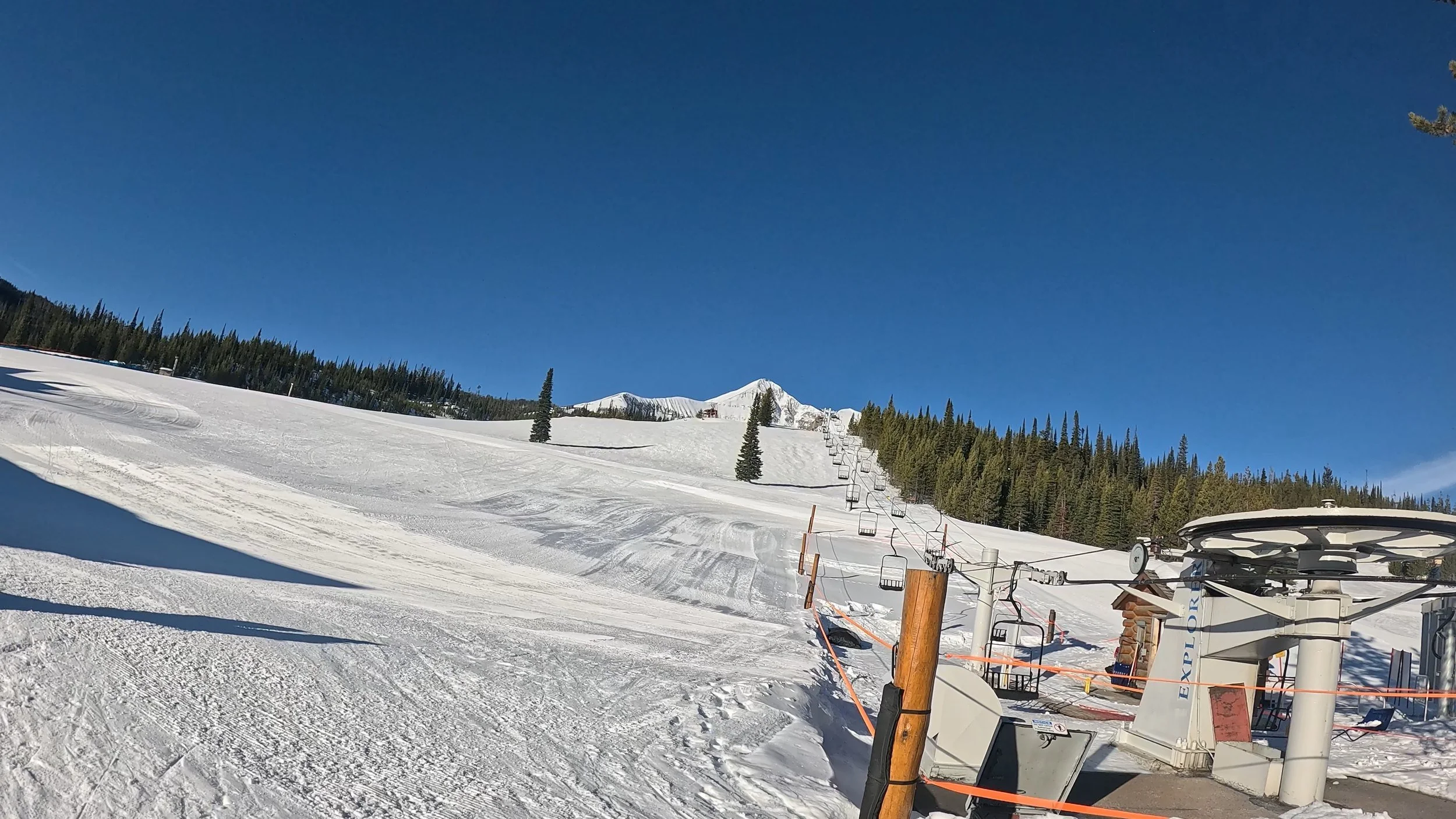
In 2024, Big Sky opened with over 1,500 acres of terrain across 60 trails.
However, if you’re looking to do a proper December ski trip, the Northern Rockies can be a solid option in terms of reliability, nearly on par with Utah or Colorado. While even the biggest resorts here don’t have what you’d call extensive snowmaking equipment, they increase their percentage of open terrain at a pretty efficient rate, largely thanks to the cold temperatures and steady amounts of small snow events. Take Big Sky for instance. The resort waits until Thanksgiving to open, but that opening footprint can actually be substantial. In 2024, Big Sky opened with over 1,500 acres of terrain across 60 trails. And by the Christmas holidays, you can reasonably expect most terrain pods to have at least something online. That said, Big Sky can also struggle in poor early snow years, and its most extreme alpine terrain is essentially never open until later in the season.
However, there’s another Northern Rockies resort known for being even better in this regard, and that’s Grand Targhee. Targhee normally opens in or around that Thanksgiving window with a pretty small operation, but it doesn’t stay small for long. Thanks to the geography of its specific location, the resort sees some of the most consistent year-over-year snowfall metrics of any in North America, to the point where it seems almost resistant to greater patterns of snow drought that might be affecting the surrounding regions. In the 2023-24 season, an El Niño year that had a notoriously slow start for most of the West, Targhee was astonishingly 100% open by December 13th. The mountain simply receives a steady supply of snow that begins early and never seems to really let up.
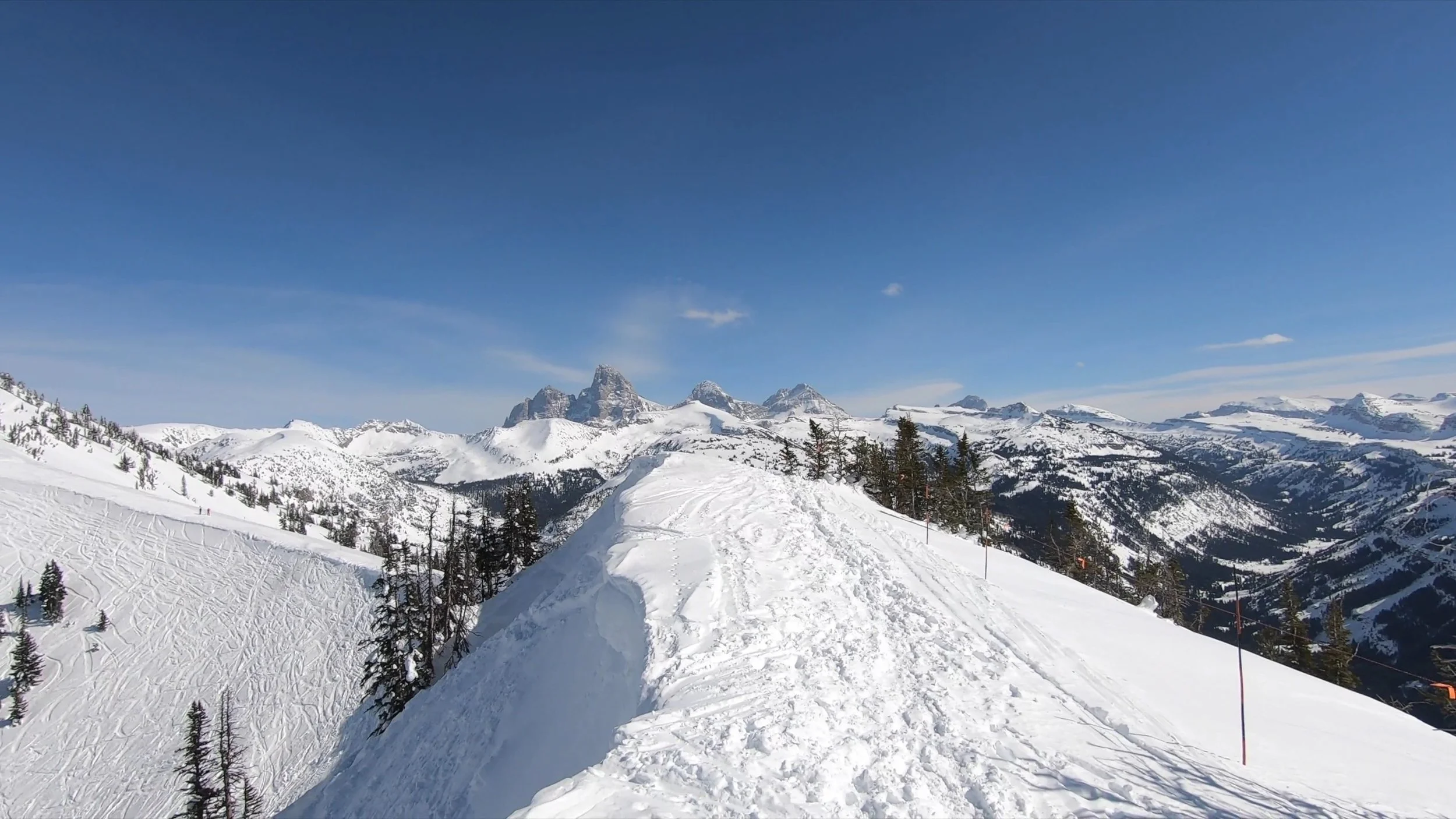
Grand Targhee was 100% open by December 13th during the 2023–24 El Niño season.
As for the other major resorts in the Northern Rockies, most have a good chance of being more complete experiences by Christmas than in other regions. However, it’s worth noting that places like Jackson Hole or Bridger Bowl, well known for their steeps and extremes, require a deep snowpack to fill in their best terrain, making it sensible to hold off on them until the core season. And while a place like Sun Valley has extensive snowmaking operations, making for solid early groomed skiing, relatively modest natural snowfall hurts its ability to stay competitive in terms of other terrain.
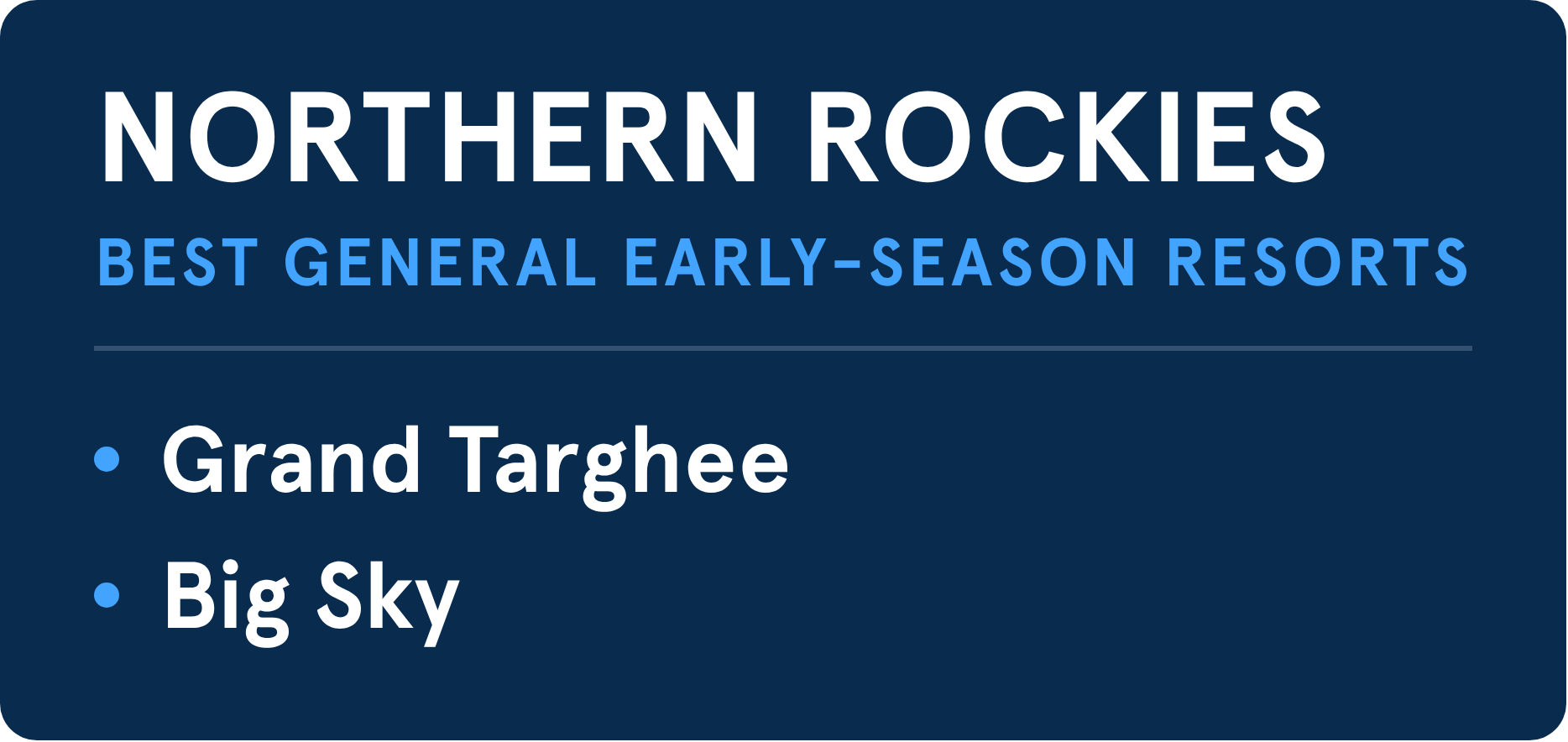
So if you’re considering a proper early-season ski vacation in the Northern Rockies, Grand Targhee would be our top pick based on its historical consistency. Big Sky can also offer an enormous amount of terrain early when conditions cooperate, although it is quite a bit more variable than Targhee in terms of its performance.
Western Canada
Last but certainly not least, we have the early season scene in the Canadian provinces of British Columbia and Alberta. The natural advantage of consistent and early cold, which we just discussed with the US Northern Rockies, is absolutely multiplied once you cross the northern border. And in fact, the largest resorts in Western Canada have cultivated a big culture around early season similar to that of Colorado’s, just thanks to latitude instead of elevation.
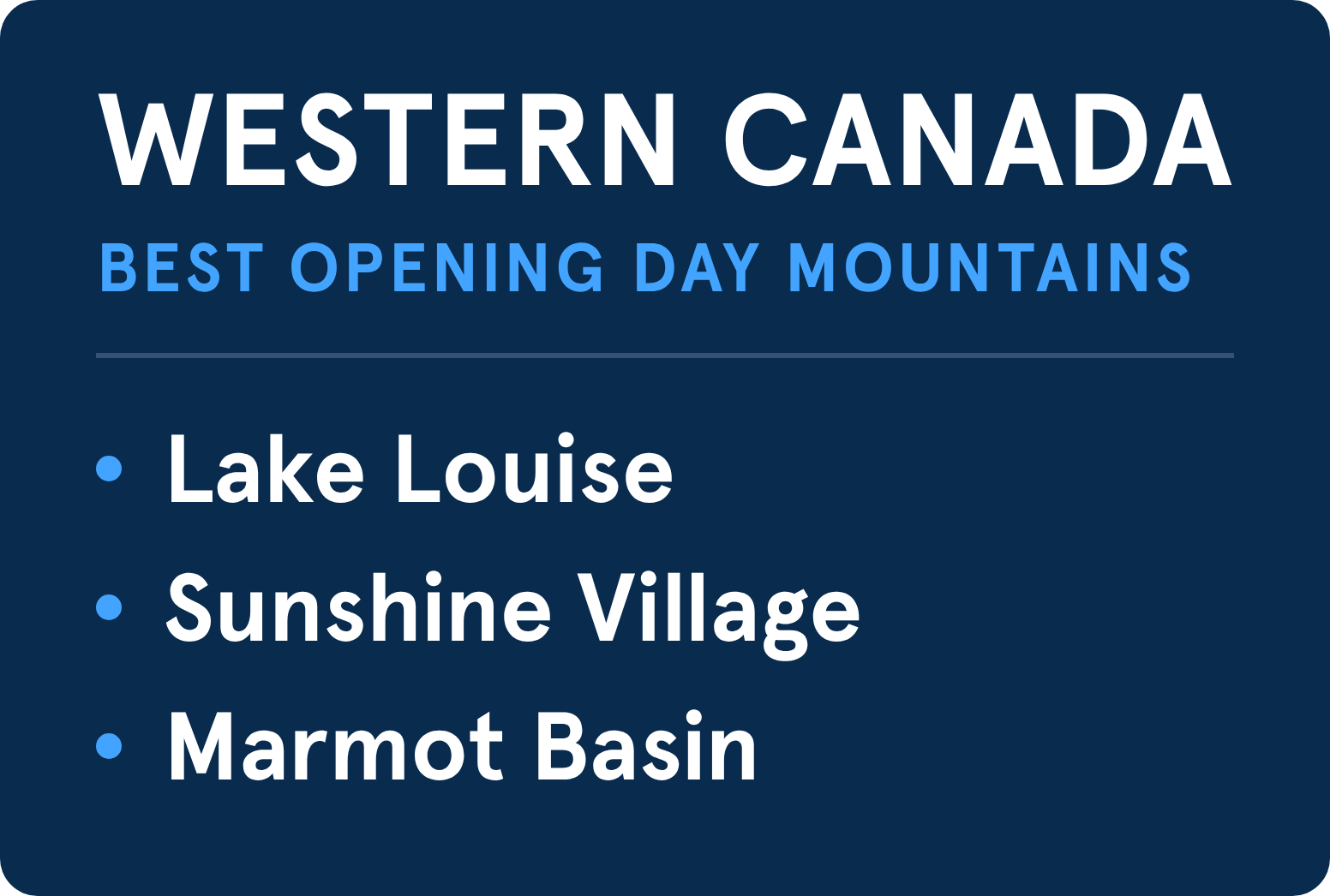
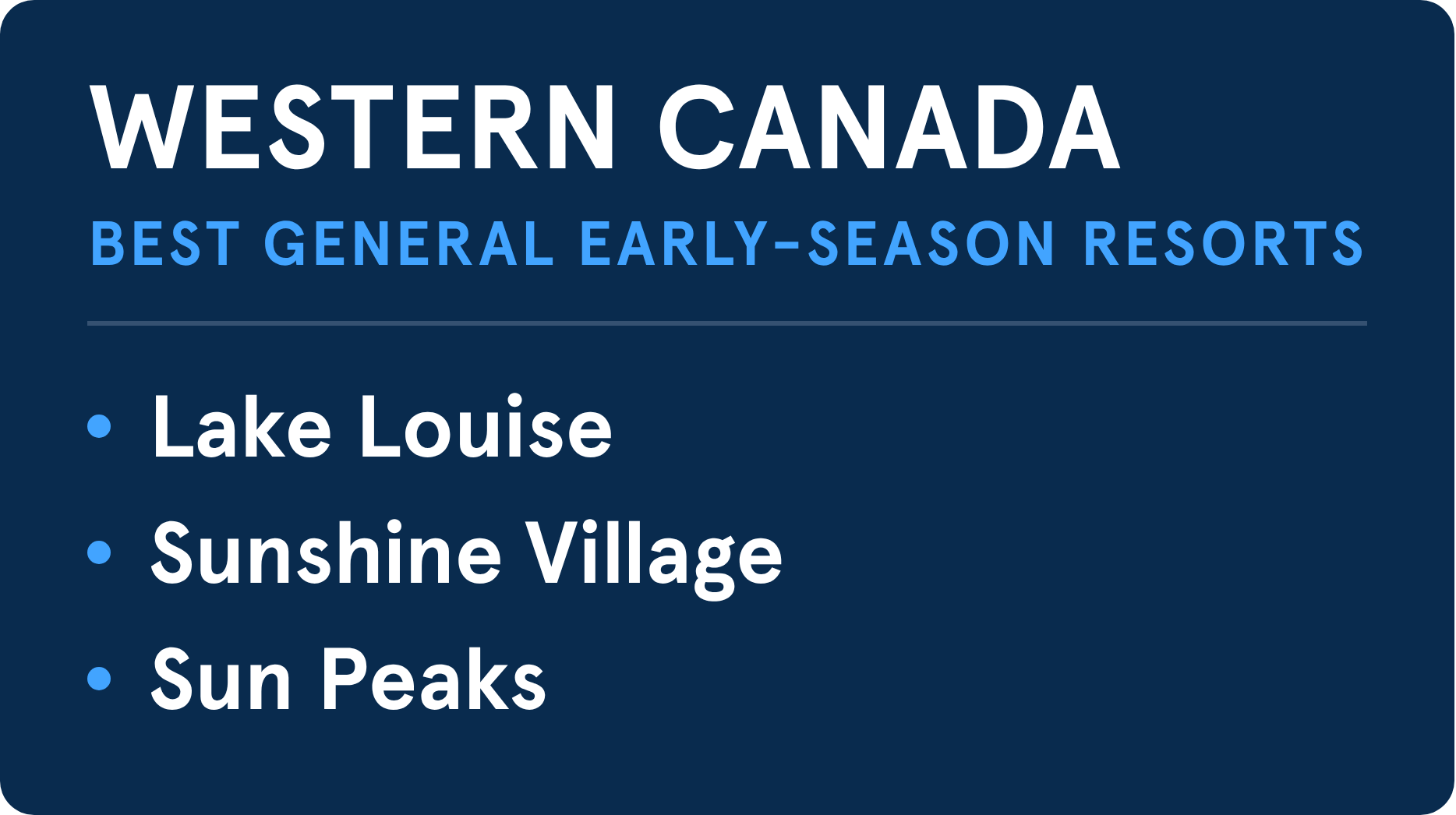
The Banff-area resorts are traditionally the winners of the opening-day race. This season, Lake Louise got its lifts spinning on November 1st, one of its earliest openings ever, with Banff Sunshine targeting November 7th. For the early early season, both Lake Louise and Sunshine Village typically only start with basic beginner and intermediate offerings, with Lake Louise providing more immediate vertical than its counterpart. But as natural snowfall accumulates, both can expand their operations relatively quickly. As for Sunshine’s extreme freeride zones, they can open in late December in good seasons, but are rare to experience before Christmas. For those in Calgary eager to get their season underway, these resorts, or the smaller nearby Norquay or Nakiska, are the definitive early go-tos.
Other big players like Whistler, Sun Peaks, Fernie, and Revelstoke tend to open in late November and early December. Remoteness and operational logistics are a big factor here; it doesn’t make a whole lot of sense for certain resorts to open too early when visitation is guaranteed to be low, and with it, profits. Snowmaking is also simply not that prevalent at Western Canada resorts.
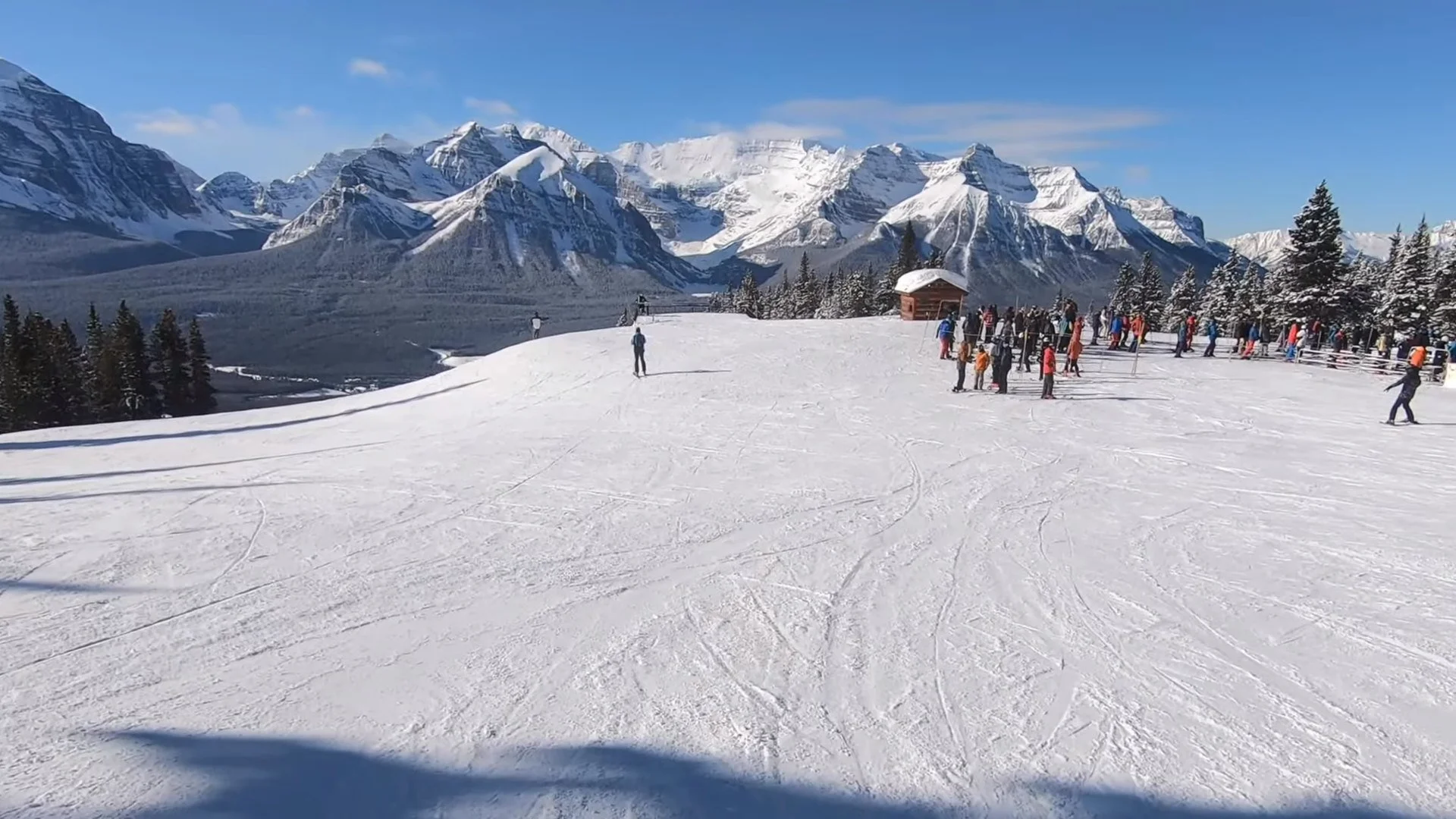
Lake Louise opened on November 1st this season, one of its earliest openings ever.
But there’s one significant exception to this: Sun Peaks, which actually has invested millions into snowmaking in recent years, as well as more unique preservation techniques like snow storage. Sun Peaks has a reliable, largely below-treeline footprint that is the second largest in British Columbia, and an extensive base village. These factors make it a solid early season vacation destination alongside Banff.
Meanwhile, the only British Columbia skiable footprint larger than Sun Peaks’ is, of course, Whistler Blackcomb. While Whistler is by far one of the most well-rounded North American ski resorts once the core season rolls around, it does have certain logistical and geographical drawbacks that hold it back in the early season. Those visiting before Christmas may find themselves frustrated with the mountain’s struggles to get significant terrain open, and rain at the lower elevations is always a risk. However, visiting in the early season can be a viable method of dodging Whistler’s notorious crowds.
Elsewhere in BC, resorts on the Powder Highway like Fernie, Revelstoke, and Kicking Horse are fairly reliant on natural conditions. Said natural conditions are typically quite favorable, and huge December powder days with minimal lift lines are not uncommon at these resorts. However, without the reliable backbone of substantial snowmaking, whether or not any of these mountains make good early season picks largely just depends on luck with the weather. And since many destination skiers and riders are coming to the Powder Highway to ski extremes, it’s probably more worth it to wait until the core season for the most intense lines to really fill in.
Lastly, a word on what’s perhaps Western Canada’s most remote destination: Marmot Basin in Jasper National Park. Marmot is quick to the draw on opening, and is projected to open in mid-November, just behind the Banff mountains. The resort is incredibly remote and actually doesn’t see that much natural snowfall, but the early season footprint is nothing to shake a stick at. For 2025-2026, the resort had nearly all its core terrain available for opening day, a total of 40 runs. This included advanced runs, trees, and even some bowl skiing. Marmot’s location obviously makes it very difficult to reach for most North Americans, but if you feel like you just can’t wait to ski some properly interesting terrain, it should definitely be on your radar.
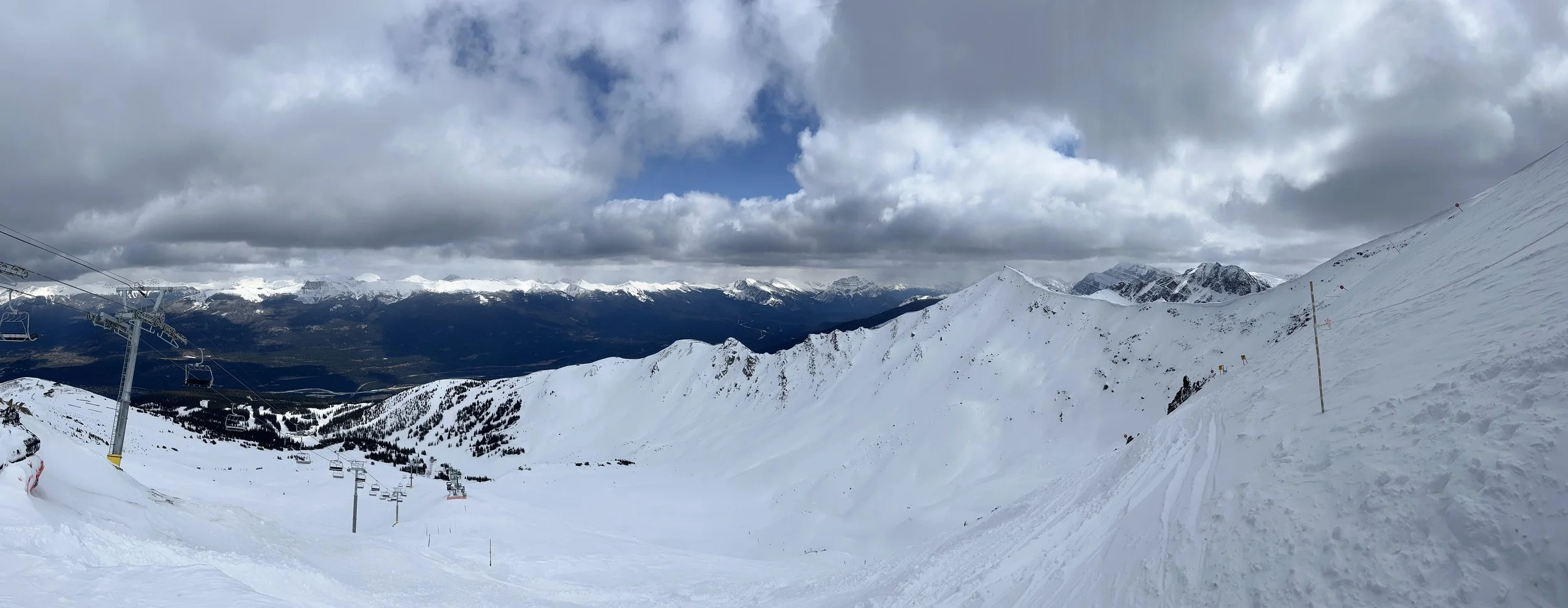
Marmot Basin is quick to the draw on opening, despite its remote location in Jasper National Park.
Final Thoughts
Early season means very different things across the continent’s different ski regions, and depends on way more factors than just snow. And there’s also a notable distinction between which resorts can get you sliding on snow of any kind before the others, and which resorts actually provide a truly well-rounded skiing experience in November and December.
But in each region, there’s at least a couple of options that stand out from their neighbors in both these regards. So if you’re looking for that early season stoke, now you know the best places to choose from.