Mountain Review: Granite Peak
MOUNTAIN SCORE

CATEGORY BREAKDOWN
See our criteriaGOOD TO KNOW
1-Day Ticket: $60-$120
Pass Affiliation: Ikon Pass
On-site Lodging: No
Après-Ski: Moderate
Nearest Cities: Green Bay (2 hrs), Madison (3 hrs), Minneapolis (3.5 hrs), Milwaukee (3.5 hrs)
Recommended Ability Level:

+ Pros
High-speed lift access to nearly all terrain
Snowmaking covers every marked trail
Night skiing seven days a week
Strong terrain parks
– Cons
Low natural snowfall
Flat runouts at the bottom of many runs
Very limited expert terrain
Expensive peak day tickets
MOUNTAIN STATS
Skiable Footprint: 277 acres
Total Footprint: 400 acres
Lift-Serviced Terrain: 100%
Top Elevation: 1,881 ft
Vertical Drop: 660 ft
Lifts: 7
Trails: 52
Beginner: 20%
Intermediate: 36%
Advanced/Expert: 44%
Mountain Review
Granite Peak is a large Midwest ski area in central Wisconsin, offering a sizable footprint and night skiing seven days a week. Set on Rib Mountain State Park, it is one of the oldest ski areas in the country, first opening in 1937, in the same era as Stowe and Sun Valley. So is Granite Peak’s mountain experience worthy of its legacy? Let’s take a look.
Size and Terrain Layout
Granite Peak offers a 660-foot vertical drop across just under 280 skiable acres. All of the slopes face north, with runs laid out from the ridgeline down to the base. Every trail is tree-defined with varying widths, and the top third of the hill is considerably steeper than the lower two-thirds, which leads to some flat runouts back to the lifts. In good snow years, many of the trees between runs become skiable, offering fun gladed terrain with the occasional cliff drop.
Navigation
One of Granite Peak’s best qualities is how easy it is to get around. Trail maps are posted at the top of every lift and around the base area for those planning their day or their next run. It is also possible to get back to the base from the top of every lift without any major traversing, which is especially nice on colder days or when trying to meet up with your group.
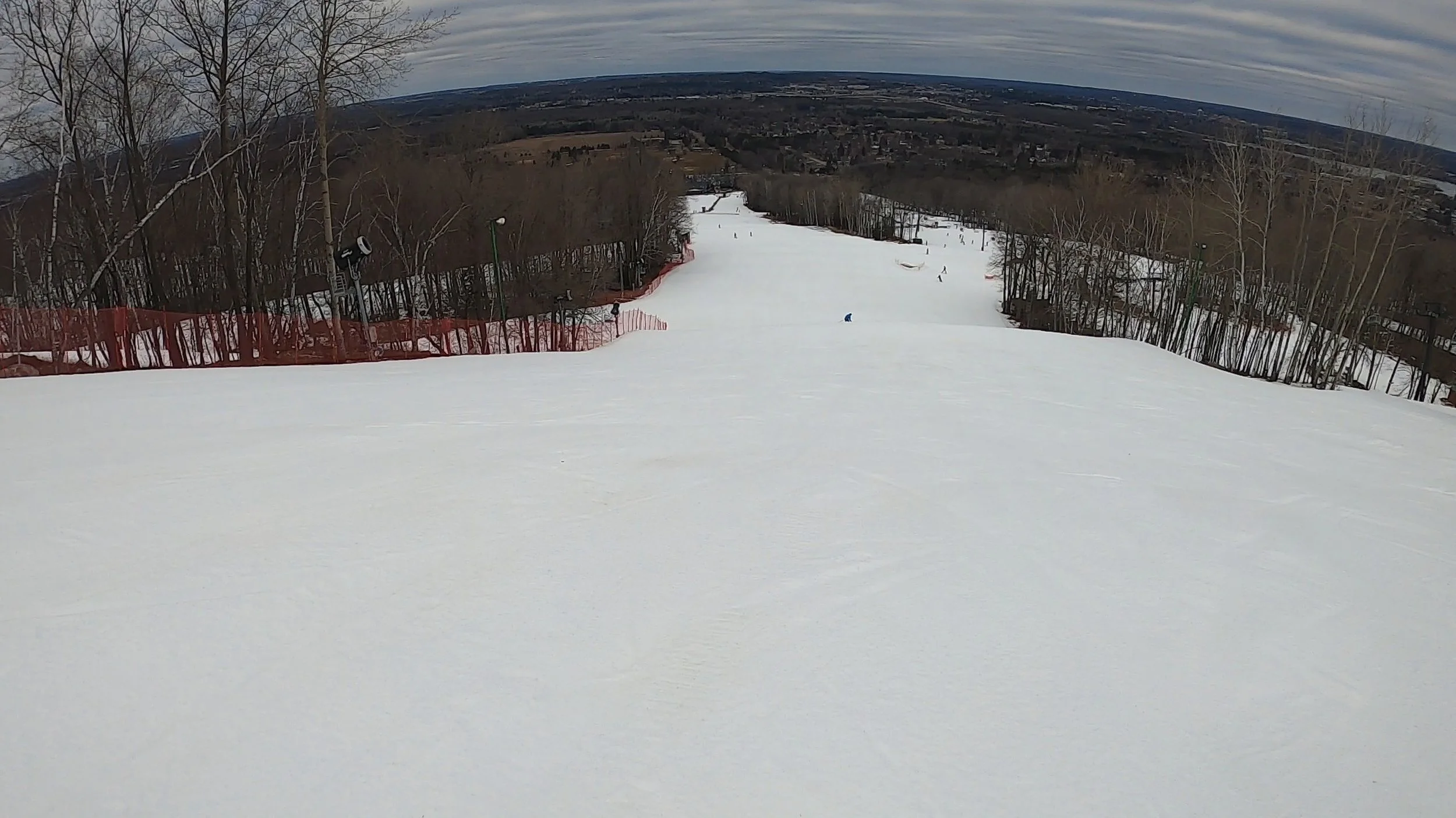
Every trail at Granite Peak is tree-lined, from the ridgeline down to the base.
Mountain Aesthetic
There are no other sizable mountains nearby, but the views of Wausau below the hill can be beautiful, especially during night skiing, and some of the cliffs and large rocks of Rib Mountain State Park are visible from the slopes. The state park is a double-edged sword, though. The summit has a fair amount of development, from parking lots to park buildings, along with a weather station and cell tower near the slopes, so an isolated feeling is hard to come by, especially when unloading the lifts.
Snow Quality and Resiliency
With an average of 60 inches of snow a year, deep powder days at Granite Peak are few and far between. Totals vary widely from year to year, though. Good seasons can bring close to 100 inches while lean ones see only about 30, so a visit in a strong snow year can mean great conditions and terrain.
Even when snowfall is lackluster and the glades stay closed, Granite Peak does a great job of keeping its runs open all season, even through unseasonable warmth. The resort has what may be the most comprehensive snowmaking system in Wisconsin, covering 100% of marked trails, though very warm weather can keep it from achieving full coverage. Guests may not get the entire skiable footprint in a below-average season, but locals and visitors alike appreciate these efforts when winters stay warm and dry.
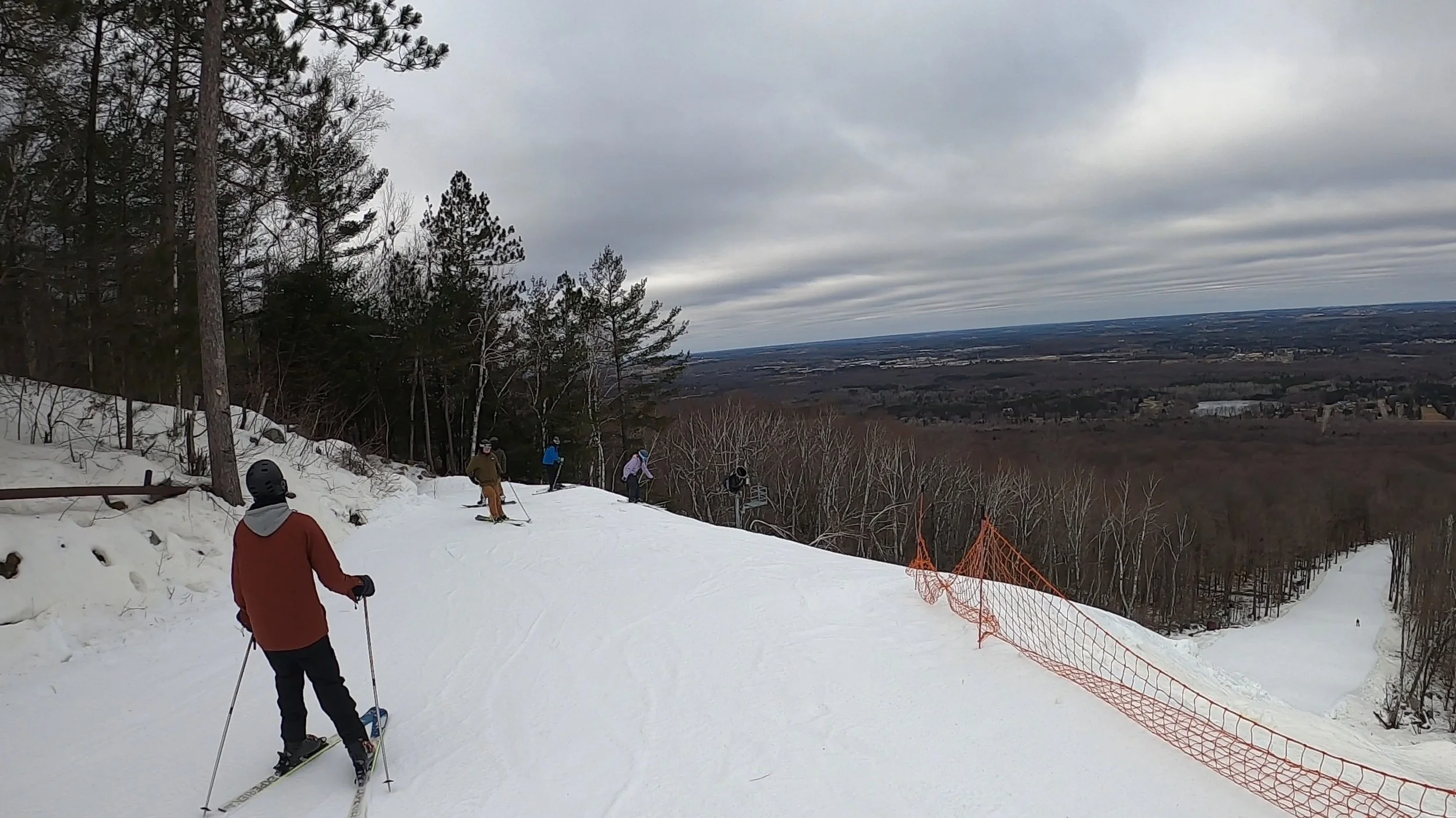
Skiers get a wide view of Wausau from the top of Granite Peak.
Beginner
Beginner terrain at Granite Peak ranges from true learning areas to winding tree-lined trails to wide-open runs across much of the lower half of the vertical. The learning areas are typically fenced off from other beginner trails, giving new skiers a secluded space to learn. For those with a few runs under their belt, a mid-unload station and a dedicated beginner lift open up a group of winding wooded trails and wide-open runs to practice on.
However, unlike many other Midwest ski areas, Granite Peak lacks top-to-bottom green terrain, so a few green runs can only be reached by skiing an intermediate run first. Expansion plans in the works would add top-to-bottom beginner skiing.
Intermediate
Intermediate terrain at Granite Peak is a considerable step up from the beginner offerings. Most of these runs sit between the Comet Express and Dasher Express lifts, which gives some natural seclusion to those looking to level up. Some of the runouts below the steeper sections have large rollers and berms, creating a roller-coaster feel on the way back to the lift. All intermediate terrain is groomed and maintained, as these are some of the most popular runs at the resort.
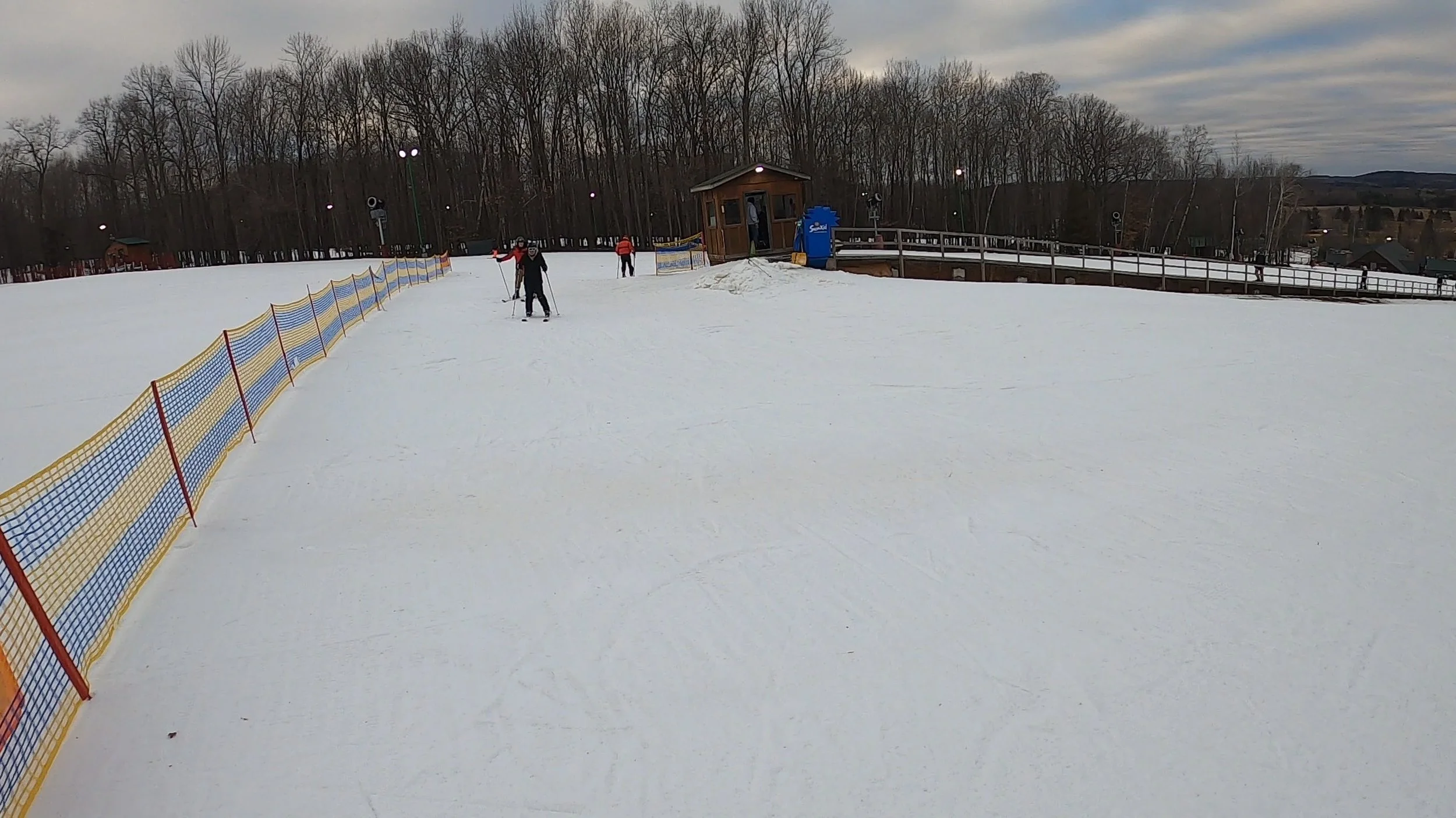
Granite Peak's learning areas are fenced off from the rest of the beginner terrain.
Advanced
Advanced-rated terrain is plentiful at Granite Peak, with steep runs and gladed areas spread across all sides of the resort. In fact, the Cupid Express and the top half of the Blitzen lift don’t directly serve any trails easier than a single black. But while these runs are steep, they are fairly similar across the board, with only slight variations in pitch and width, so many trails feel the same, though moguls are sometimes left to build up through the season.
The glades between these runs can be a lot of fun after fresh snow, and once filled in they can stay skiable for much of the season, weather permitting, making for fun side hits on the way back to the main runs. The big caveat with Granite Peak’s advanced terrain is the flat runouts back to the lifts. The speed built up on the upper third of the slope allows for some carving, but these sections leave something to be desired and can make runs feel repetitive, though the mid-station on Blitzen lets skiers skip some of them.
Expert
Expert terrain at Granite Peak is limited, to say the least. The resort technically has five expert runs, but three short chutes feed into two longer trails, so the double black setup offers just a couple of distinct paths. These trails, all off the top of the Blitzen chair, are built up with snowmaking early in the season, which leaves them icy for much of the winter. Combined with how short they are, that makes them more of a quick straight line than a run demanding technical turns. When conditions allow, the chutes offer some unique cliff drops and the most difficult terrain at Granite Peak, but other Midwest mountains have more technical terrain.
There is no official backcountry skiing, as Rib Mountain State Park does not allow skiing outside the Granite Peak boundary.
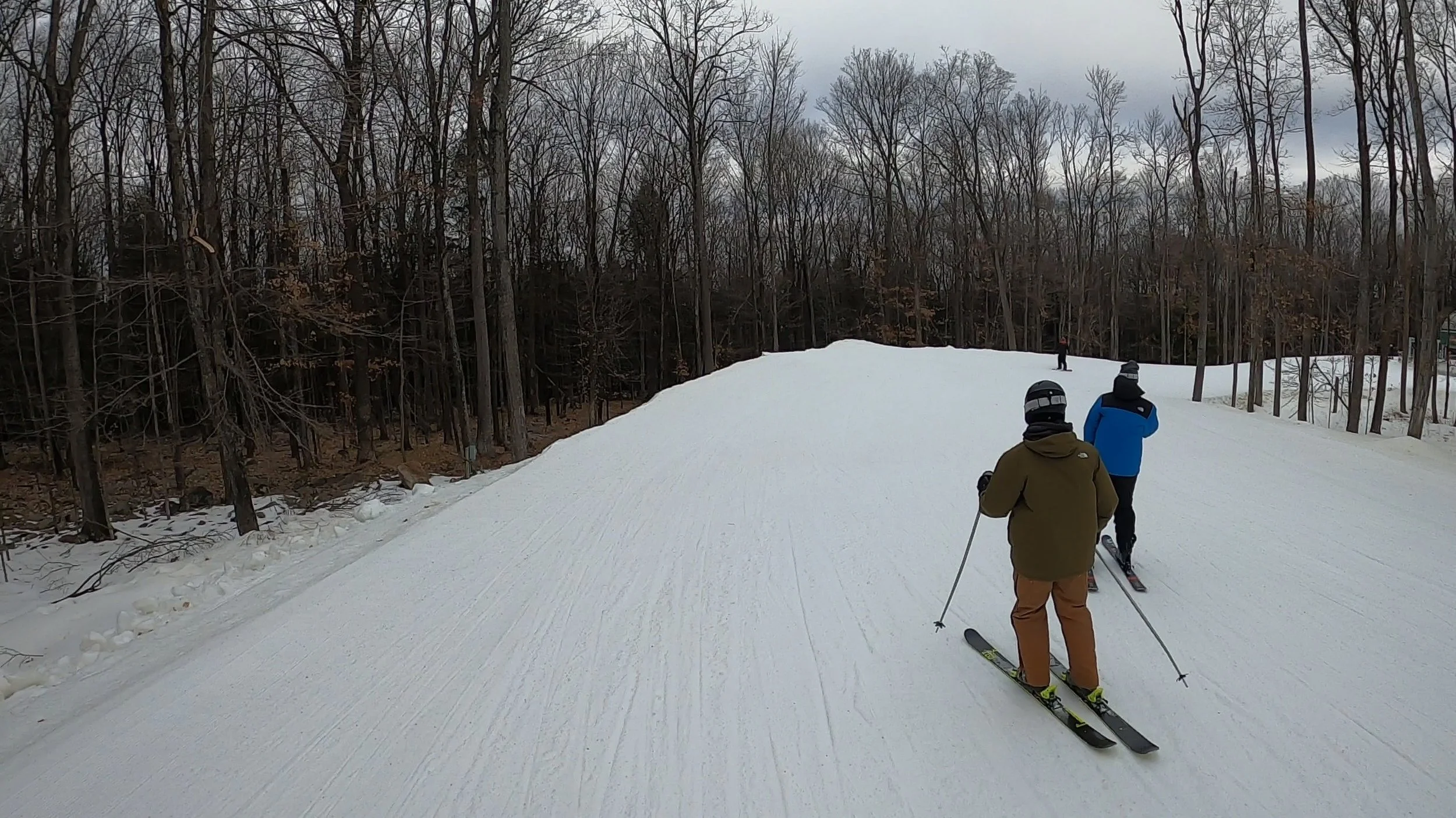
Advanced visitors have plenty of steep, tree-lined runs to choose from at Granite Peak.
NOTE: We may receive a small affiliate commission if you click on the below links. All products listed below are unisex.

Recommended all-mountain ski

Recommended carving ski

Recommended glade ski

Recommended expert/touring ski
Terrain Parks
Terrain parks are one of Granite Peak’s strong suits. The resort typically offers one large park and one small park, with a wide range of features and jumps built through the season and reset every few weeks. The small park sits on terrain that beginners can easily reach and has small jumps, boxes and rails, most of which allow for progression at a slower pace than the large park. The large park has gotten smaller in recent years, but it still offers a range of medium and large jumps along with rails across almost the full 700 vertical feet of its runs. With a high-speed six-pack serving it, the park makes for some serious hot laps in one of the most fun areas of the mountain.
Lifts
The lift system at Granite Peak is one of the best in the Midwest, with almost all of the terrain directly served by a high-speed lift. A few small areas rely on slower lifts, but mid-unload and upload stations on the Blitzen lift let advanced skiers and riders quickly lap the steeper upper-mountain runs and let beginners stay on easier lower-mountain terrain. Two magic carpets and a dedicated beginner lift also run during busier times to give new skiers an even better learning experience.
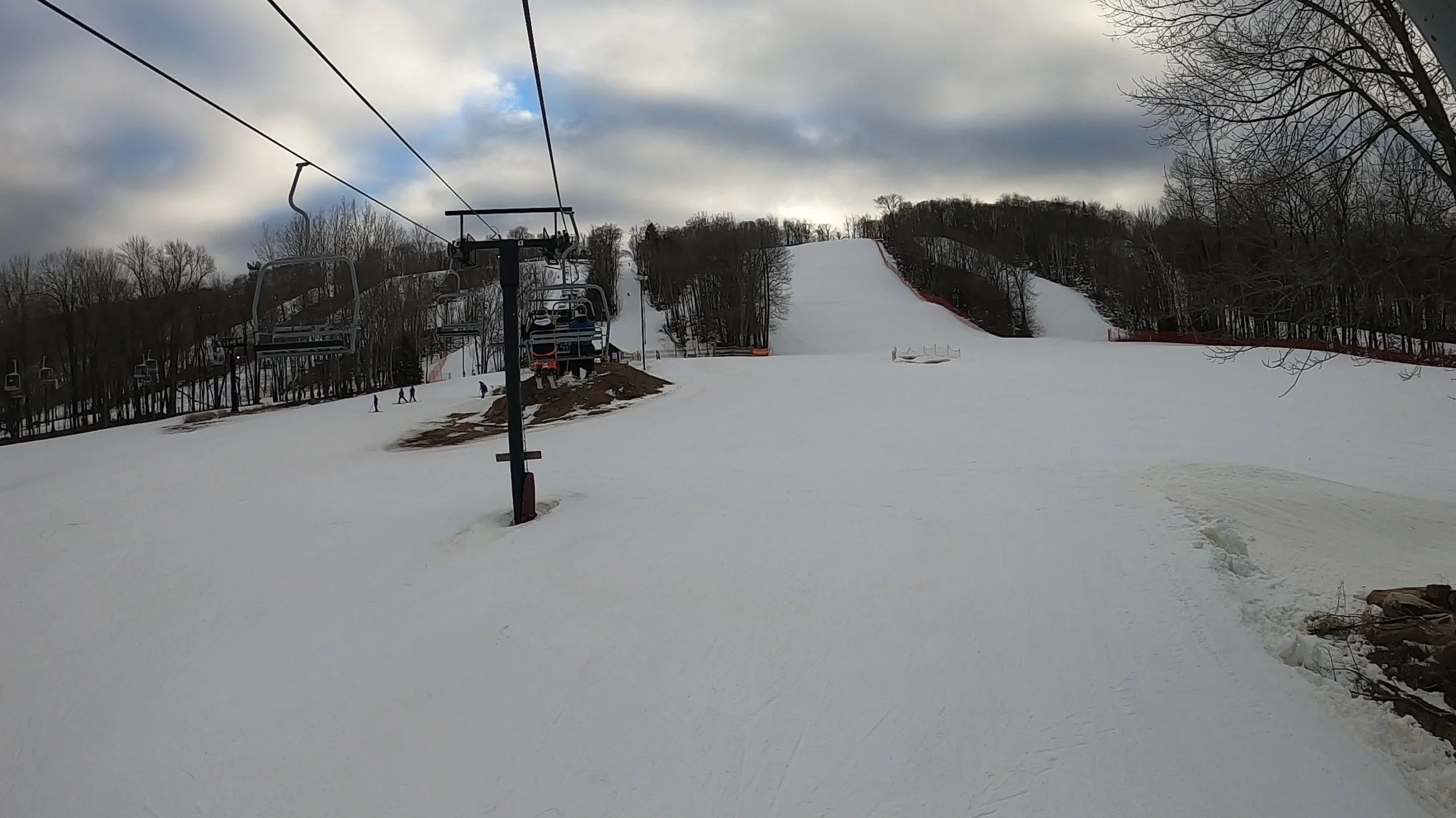
The Blitzen lift has a mid-station so advanced skiers can lap the steeper upper mountain.
Facilities
Granite Peak has no on-mountain facilities for food or warming up outside the main base. However, the base lodges are very competitive, with a range of food options, indoor and outdoor dining, and separate ticket and rental areas. There is both typical resort food and sit-down dining for those spending the whole day on the hill, and the outdoor seating is very popular in spring with guests looking to take in the sun.
Crowds
Crowds are typically a non-issue at Granite Peak, with only the busiest weekends seeing any real lift lines. On those days the longest lines are at the base area lifts, with waits of five to ten minutes at peak times, while other areas see far less crowding no matter when you visit. Weekdays bring ride-on conditions, fast laps and quiet slopes.
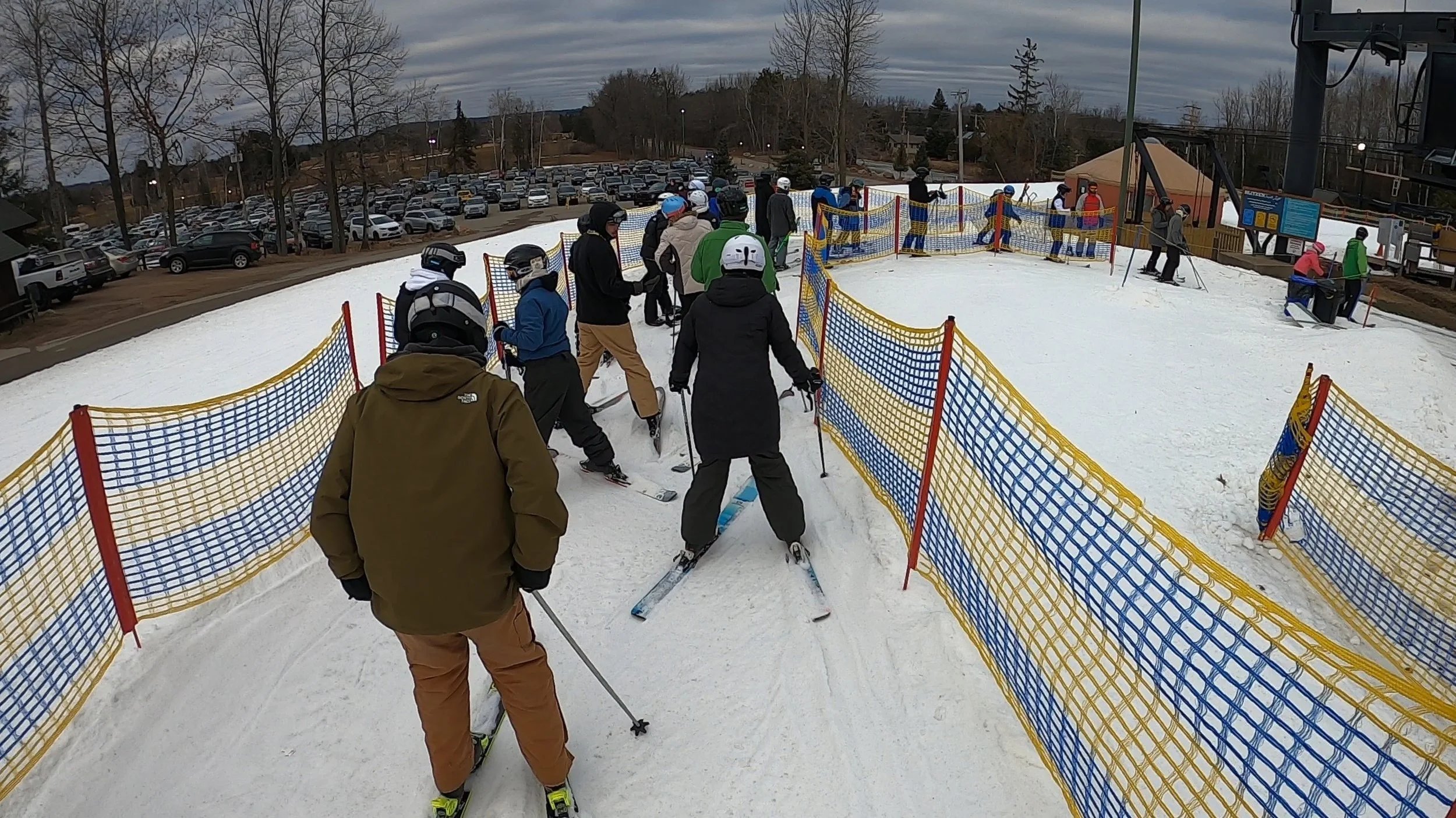
The longest waits at Granite Peak are at the base lifts on busy weekends, usually five to ten minutes.
Getting There
Getting to Granite Peak is an easy drive, with flat interstates and highways leading right to the resort’s doorstep. It is about three hours from Minneapolis, three hours from Milwaukee and four hours from Chicago.
A large free parking lot at the base means a short walk to the lifts and slopes, and it rarely fills up. Guests can also drive to the top of the hill and park, a popular option in spring for tailgating with a view, though parking in the state park requires a day-use fee.
NOTE: We may receive a small affiliate commission if you click on the below links. All products listed below are unisex.

Recommended intermediate board

Recommended advanced board

Recommended expert board

Recommended touring board
Lodging
There is no on-site lodging at Granite Peak, but Wausau is less than five minutes away with plenty of places to stay. Granite Peak also offers discounts on lift tickets and other necessities through a long list of nearby lodging partners.
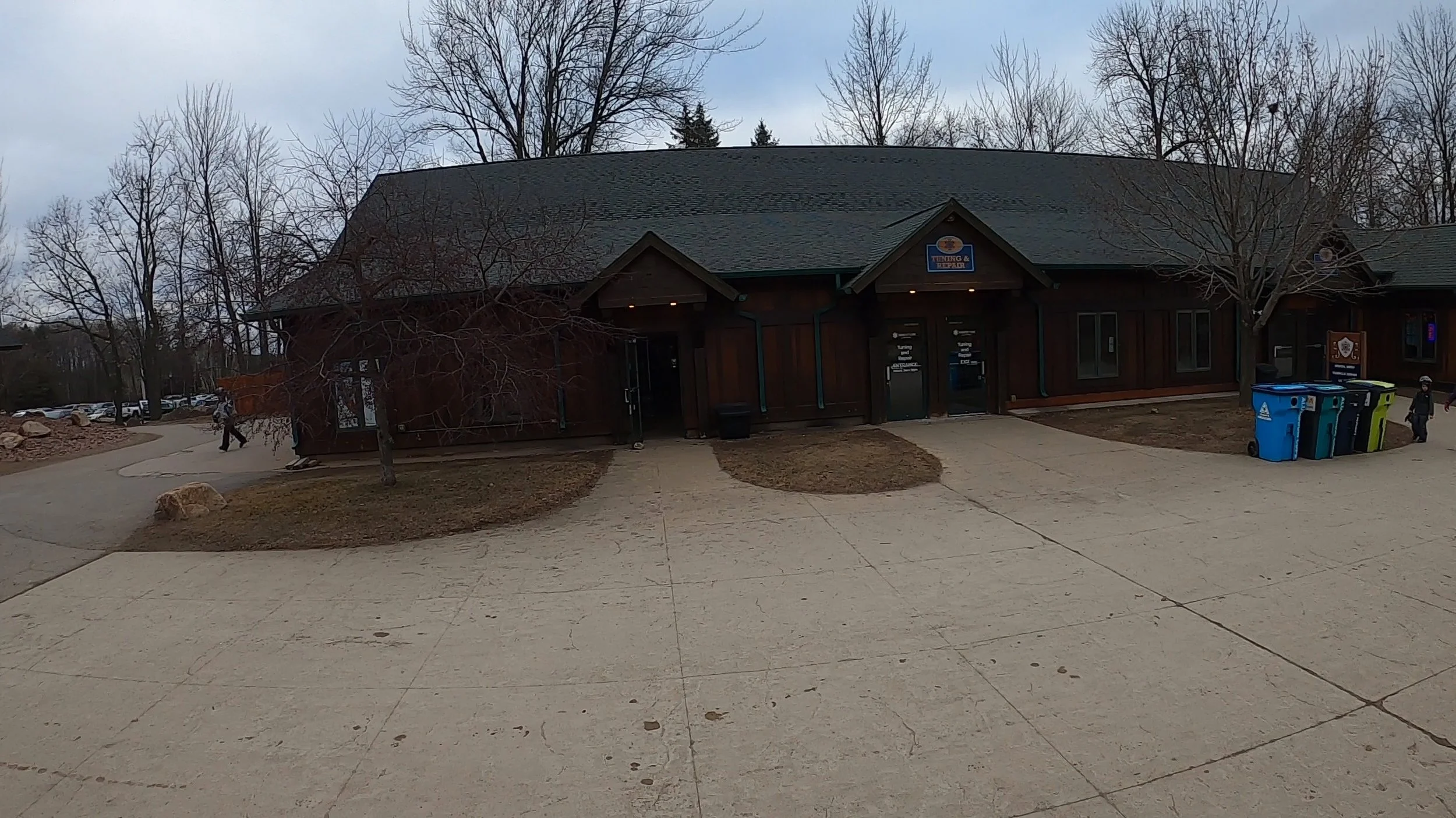
Granite Peak has no on-site lodging, so most visitors stay in nearby Wausau.
Après
Granite Peak has a lively après scene throughout the season, with live music, fireworks and rail jams. The base bars pour plenty of beer, including craft options from many local breweries, and many more restaurants and bars are a short drive away in Wausau.
Pass Partnerships
Granite Peak joined the Ikon Pass for the 2026-27 season along with its sister resorts, Lutsen Mountains and Snowriver, after previously partnering with the Indy Pass (the latter partnership has been discontinued). Ikon Pass holders get seven days with no blackouts, while Ikon Base Pass holders get five days with select holiday and weekend blackouts.
Granite Peak’s own Legendary Pass also includes unlimited access to Lutsen Mountains in Minnesota and Snowriver in Michigan.
Night Skiing
Night skiing is one of the best parts of Granite Peak’s position in central Wisconsin. About two-thirds of the terrain is lit for evening turns, giving people a way to get outside after work and school during the dark, cold months. On any given weeknight, buses from surrounding schools bring a crowd of kids to the slopes.
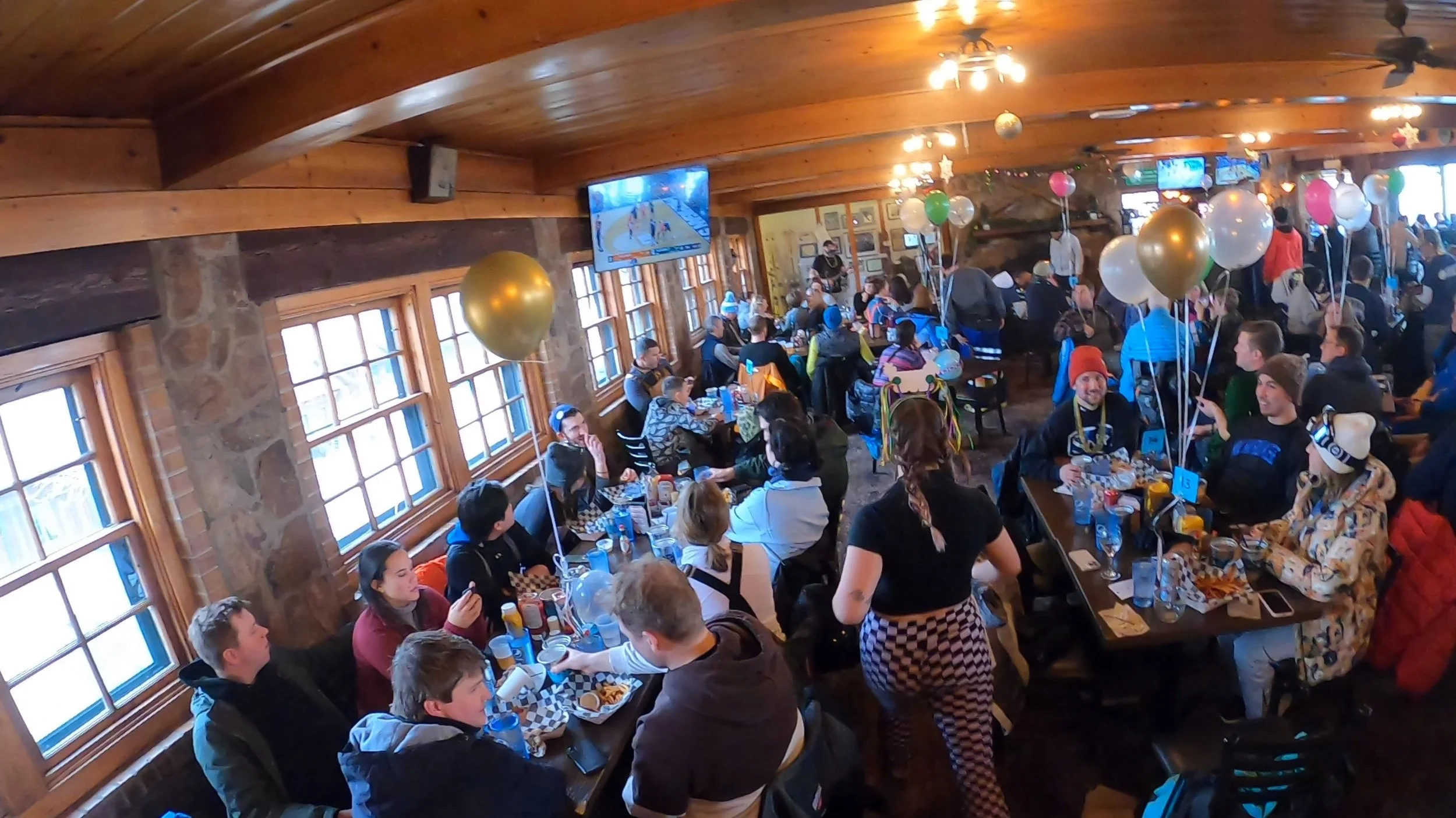
Granite Peak's base lodges host live music and local craft beer for après.
Verdict
Granite Peak pairs accessible Midwest skiing with modern infrastructure, well-groomed terrain and strong snowmaking. It isn’t a destination for deep snow or technical steeps, but for a convenient, well-run ski experience, especially for those in Wisconsin or nearby metro areas, it delivers.
Pricing
Granite Peak offers some great features, but value has long been a point of concern. Day tickets are where value comes into question. Bought early, they can be had for around $65, but dynamic pricing can push a single day to $120 or more. For those who only want a few hours at the end of the day, night tickets for $30 to $40 are a solid value. Kids 5 and under and seniors 80 and older ski free.
For those who commit early to a season pass, it doesn’t take long to break even, with passes ranging from $400 to $900 depending on the tier and when it’s bought.