
Mountain Review: Silver Mountain
MOUNTAIN SCORE

CATEGORY BREAKDOWN
See our criteria
8
Snow:

6
Resiliency:
5
Size:
5
Terrain Diversity:
6
Challenge:

3
Lifts:

7
Crowd Flow:
5
Facilities:
7
Navigation:
7
Mountain Aesthetic:
GOOD TO KNOW
1-Day Ticket: $64-$80
Pass Affiliation: Indy Pass, Powder Alliance
On-site Lodging: Yes
Après-Ski: Extensive
Nearest Cities: Wallace (15 min), Coeur d’Alene (40 min), Spokane (1 hr 20 min)
Recommended Ability Level:

+ Pros
Light, powdery snow
Virtually empty on weekdays
Strong advanced glades
Longest single-stage gondola in North America
– Cons
Smaller footprint than some competitors
Entirely slow lift fleet directly serving ski slopes
Limited beginner terrain and on-mountain amenities on weekdays
Wind or maintenance can close the gondola and shut down skiing for the day
MOUNTAIN STATS
Skiable Footprint: 950 acres
Total Footprint: 1,600 acres
Lift-Serviced Terrain: 92%
Top Elevation: 6,247 ft
Vertical Drop: 2,074 ft
Lifts: 7
Trails: 67
Beginner: 18%
Intermediate: 50%
Advanced/Expert: 32%
Mountain Review
In the northern Idaho Panhandle is Silver Mountain, a unique ski resort that features one of the world's longest gondolas and Idaho's largest indoor water park. But how is the skiing, and is it worth a vacation over its competitors?
Resort Layout
A massive gondola takes guests from the village in the town of Kellogg thousands of feet up into the mountains, making Silver Mountain one of a very small number of North American ski resorts that require riding a gondola or tramway to reach instead of driving directly to the ski area. The ski area has three peaks. The lower peak has the Mountain House lodge, the top of the gondola, and three other chairlifts that converge there, along with a Magic Carpet serving the bunny hill and tubing hill. Kellogg Peak is the highest point, at the top of Chair 2, and Wardner Peak near Chair 4 is accessed only through traverses and hiking. Chair 2 serves a large bowl with glades and a large terrain park, Chairs 1 and 3 serve short steep runs and the return to the Mountain House, Chair 5 serves beginner and light intermediate terrain, and Chair 4 alone serves the whole western half of the ski area.
Silver Mountain advertises a 1,600 acre footprint with a 2,200 foot vertical drop. By our measurements, the actual skiable footprint is 950 acres. It is a decently sized ski area, but not class-leading in the region.
Navigation
Navigating Silver Mountain is very straightforward. Most runs and facilities have ample, visible signage, and the vast majority of runs are directly served by chairlifts. The exception is Wardner Peak and the terrain behind it, which require traversing or hiking. The Wardner Peak Traverse is skiers-only, so snowboarders have to hike the cat track to the top, which makes repeat laps off the peak and into The Meadows and Silver Basin far more time consuming.
Reaching The Meadows and Silver Basin can be unclear without a local guide. Signs on these runs are easy to miss and often obstructed by tree branches, especially those for the Chair 4-Midway Traverse and the Assay Road run back to the bottom of Chair 4, which involves skiing along and crossing an actual road. Still, Wardner Peak attracts few guests, and the rest of the mountain, where most people spend their time, is easy to navigate.
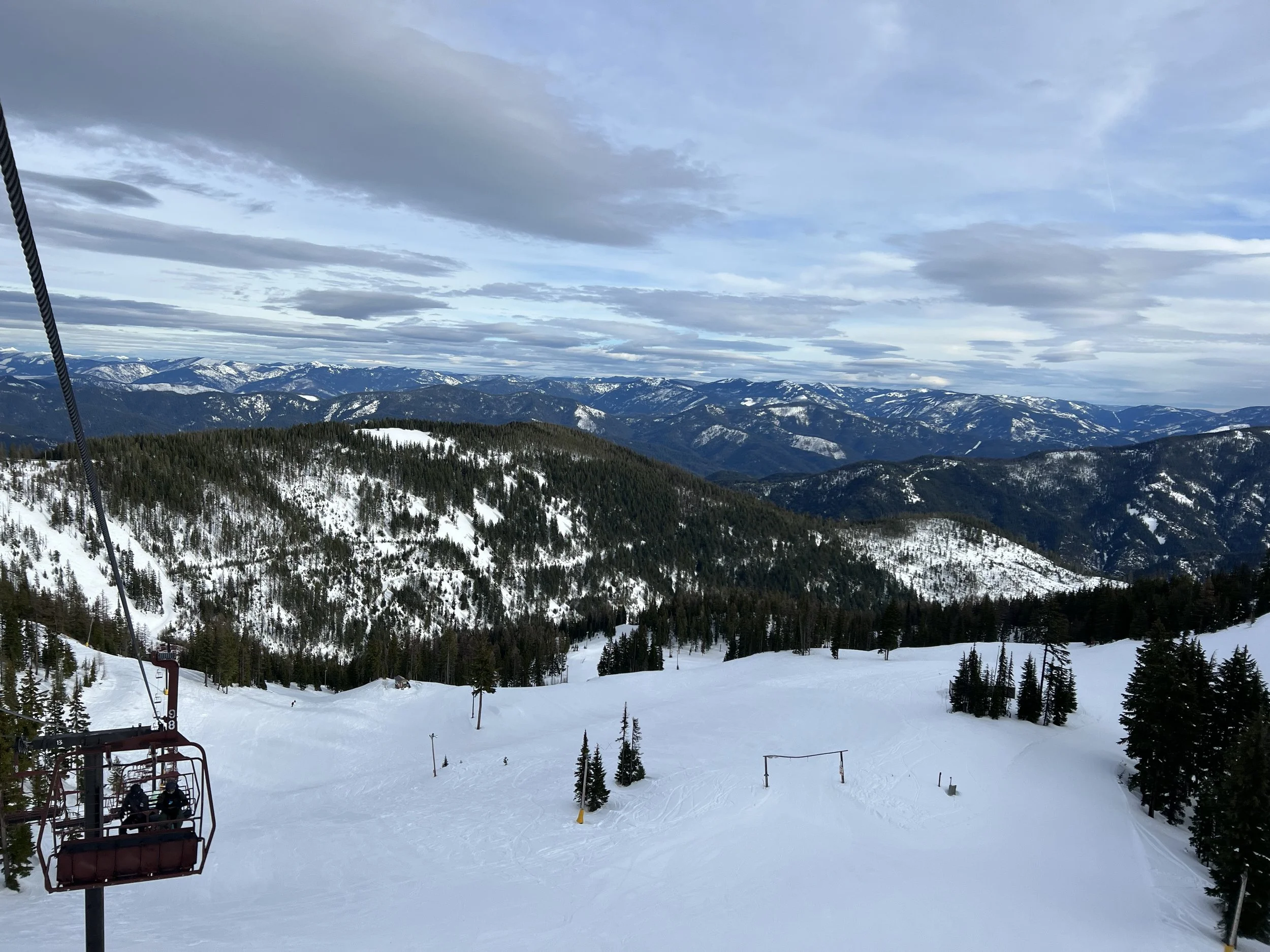
The view from a Silver Mountain chairlift looks out over the Bitterroot Mountains
Mountain Aesthetic
With the massive gondola carrying guests into the Bitterroot Mountains thousands of feet up and miles away from the nearest civilization, Silver Mountain has a uniquely isolated feel. When visibility allows, guests can see all the way down into the Silver Valley, with the towns of Kellogg and Smelterville visible along Interstate 90 and the vehicles on the freeway the size of dots. Snowy, forested mountains surround the ski area on all sides, and the Sob Glades catchline has a remarkably breathtaking view of the untouched wilderness to the south. There are many days when the surrounding landscape isn't visible, as Silver Mountain is regularly affected by thick fog, much like other ski areas in the region.
Snow Quality and Resiliency
Silver Mountain averages 241 inches of light, powdery snow each winter. Major accumulations in single storms are uncommon; instead the snow arrives in fairly frequent refreshes, which help offset the somewhat common freeze-thaw cycle that comes with its moderate elevation. The location in a rainier, more humid part of Idaho means slightly wetter, heavier snow than the desert regions of Southern Idaho, though overall quality remains great and powder turns are light and effortless most days.
Conditions can vary across the mountain. During early and late season powder days, light powder in the upper and mid-mountain areas often gives way to wet, slushy or icy snow below the bottom of Chair 3 and the mid-station of Chair 4. Chairs 3 and 5 also sit on a more sun and wind exposed side of the mountain, which sometimes means less snow retention and conditions that crust up sooner.
For most of the season, most chairlifts and terrain are open. Runs off Wardner Peak need more snowfall and typically don't open until mid to late December, though they usually stay open until the last week or two of the season. Snowmaking is limited, centered on runs near the Mountain House during early season and low snow years.
Access to skiing hinges entirely on the gondola. It is well maintained and reliable for the vast majority of the season, but wind can put it on hold or shut it down for the day, and there are rare breakdowns and planned maintenance closures. When that happens, skiing is closed for the entire day, since there is no alternative way up. This can make booking a vacation here something of a gamble, though there are numerous ski areas nearby, such as Lookout Pass less than thirty minutes away.
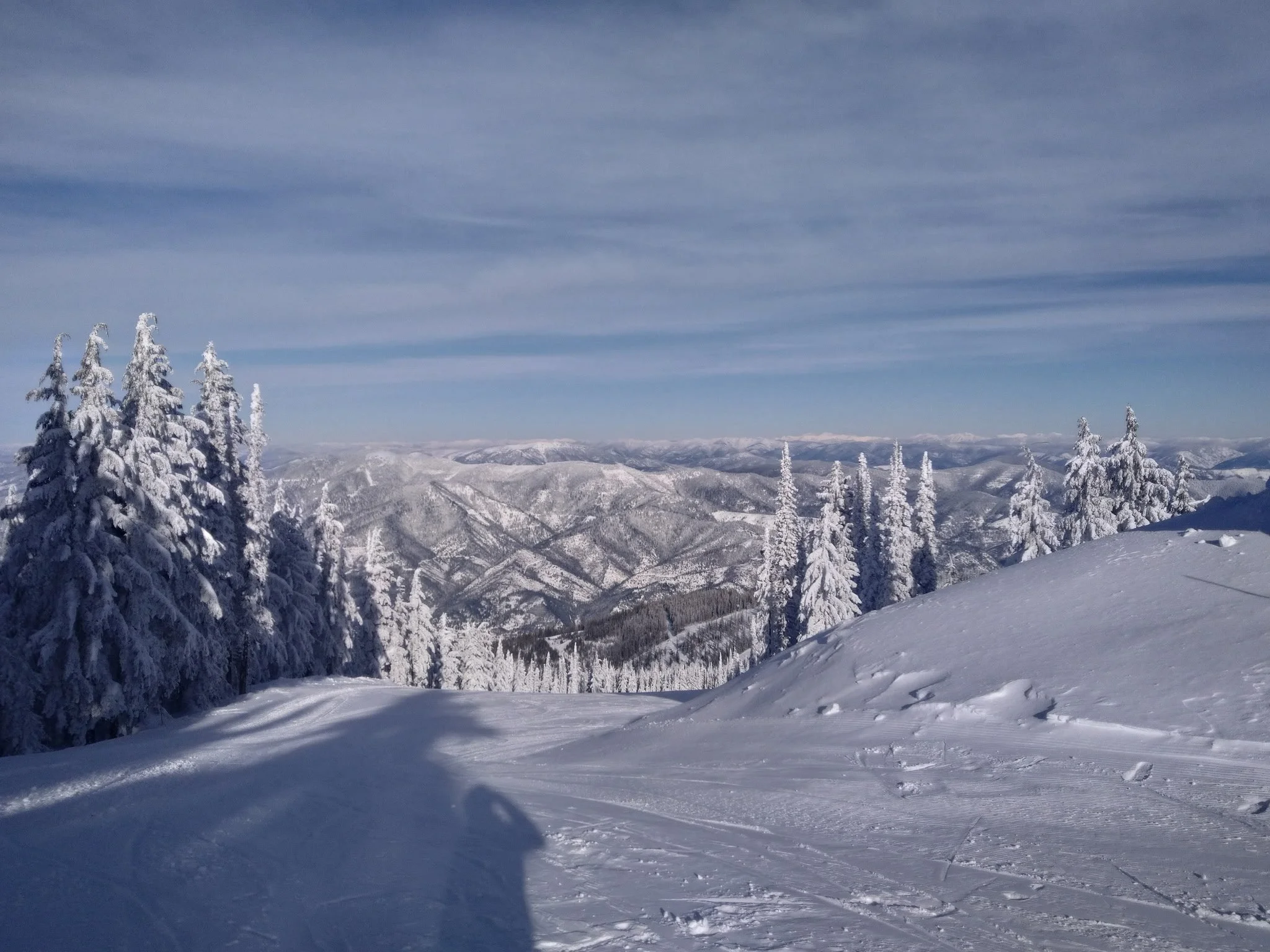
Snow-covered evergreens and ridgelines from the upper mountain
Beginner
Silver Mountain has a small beginner terrain footprint, most of it around the Mountain House. A covered magic carpet serves the tubing hill and bunny hill next to the Mountain House, while a handful of other green runs descend a mountain flank to the north and end at a catchline that wraps around to the bottom of Chair 5. Claim Jumper to Dawdler is essentially the catchline run, with a very mild pitch best for beginners who have just progressed from the Magic Carpet. Ross' Run, Huckleberry and Bear Grass are a step up in difficulty, and the short, steeper Huckleberry is a good place to prepare for blue runs. Alpenway is the only green not served by Chair 5 or the Magic Carpet, but it is mainly a cat track that intersects many runs with more advanced skier traffic, so it works better as a collector trail than a beginner run.
A notable downside is that Chair 5 only runs on weekends and holidays. On weekdays the beginner terrain is still accessible and groomed, but beginners have to take a somewhat flat and narrow traverse from the bottom of Chair 5 to the bottom of Chair 3, which runs faster with tighter chair intervals, making it less beginner friendly.
Intermediate
Silver Mountain has a solid selection of intermediate runs across most of its footprint. However, most feature at least one steep segment, so lower intermediates may struggle with a lot of the terrain. There is excellent groomed cruising here, but it leans toward the tougher side. A handful of present-day blue runs were once marked with a blue/black designation that Silver Mountain no longer uses, and some blue trails, such as Bootlegger, were recently reclassified as black diamonds. Some ungroomed intermediate runs offer an approachable challenge for more experienced intermediates, including the natural half pipes on Quarter Pipe and Half Pipe, and Sob Glades.
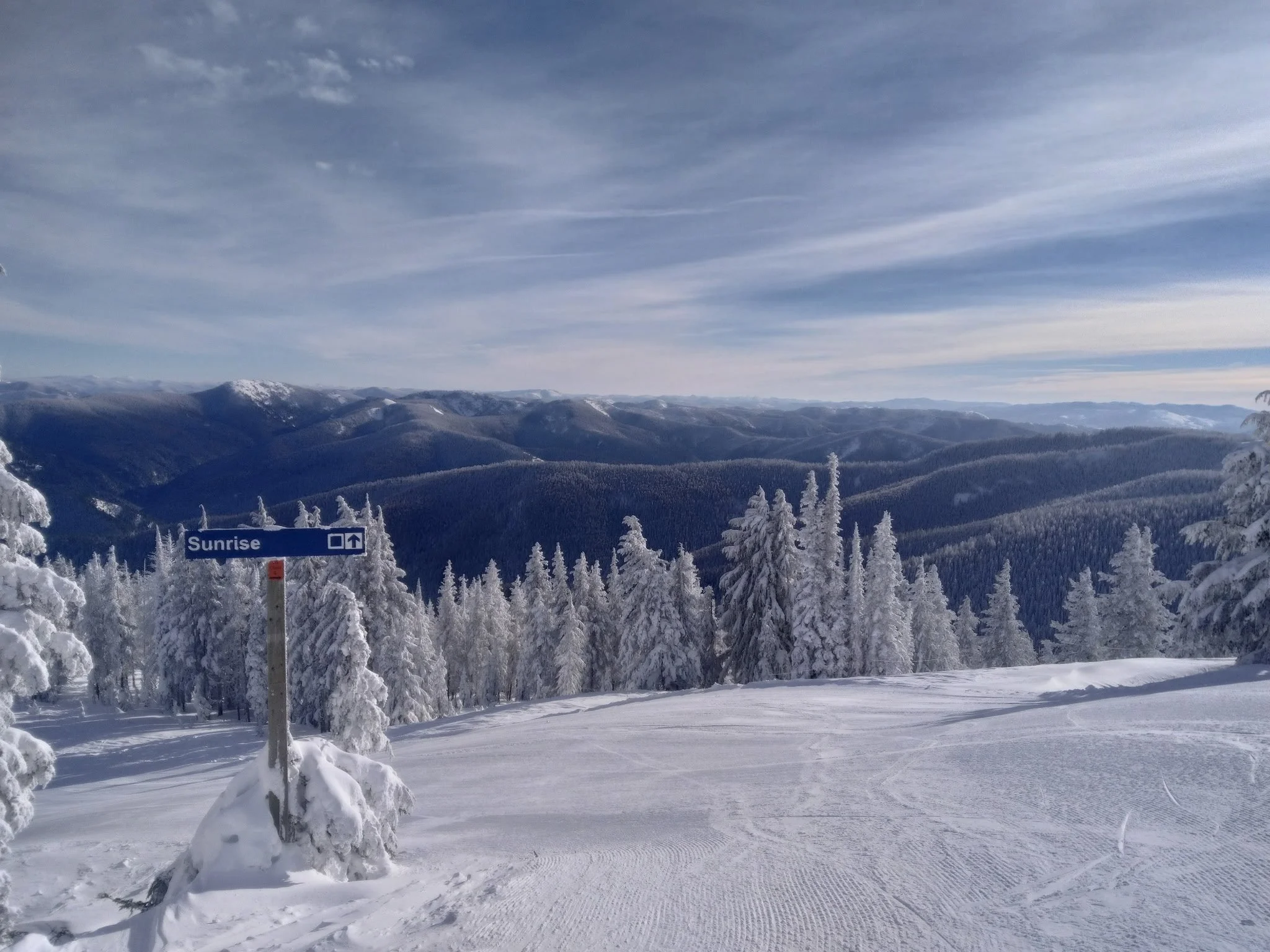
Sunrise, a groomed blue square run on the upper mountain
Advanced
An excellent variety of advanced terrain is present across most of Silver Mountain. Short, untracked steeps and glades under Chair 1 make for excellent repeat powder runs and are overlooked by most guests. Chair 3 has runs with uninterrupted fall line, some groomed and others left natural. Chair 2 offers a great variety of steeps and glades, some groomed by winch cats, some groomed on one half of the run, and others left completely natural. Chair 4 has numerous black diamond runs and glades, many of which hold untracked snow all day because they require a hike or skiers-only traverse off Wardner Peak.
Expert
Silver Mountain has a handful of double black diamond steeps and glades, all with minimal traffic that hold powder for most of the day, if not all of it. Some are accessible without hiking, such as The North Face Glades, Shady Lady, Lower Terrible Edith and Moonshine, while the runs off Wardner Peak take more effort. The lower half of Wardner Peak's front side, plus Silver Basin and The Meadows on the back side, can be reached by the Wardner Peak Traverse, but this narrow traverse is open only to skiers. Snowboarders have to hike all the way to the top of Wardner Peak to reach any of this terrain, which makes Silver Mountain far more appealing to expert skiers than expert snowboarders.
While the double blacks here can be steep, none are particularly extreme. There are no cliffs, mandatory straight-lines or rock outcroppings, and most are approachable for guests who can confidently ski single black diamond runs.
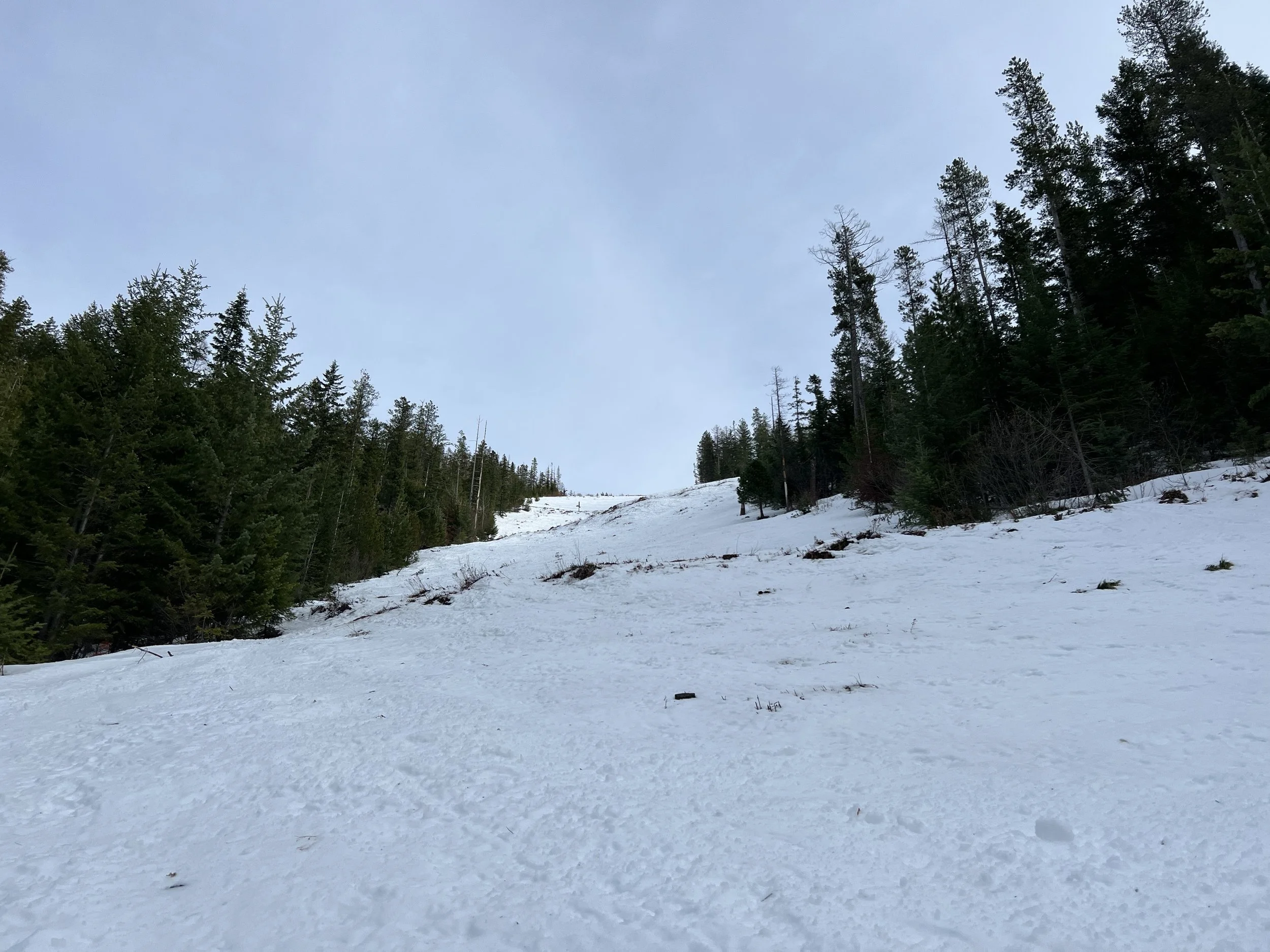
One of Silver Mountain’s steeper runs, lined with evergreens
NOTE: We may receive a small affiliate commission if you click on the below links. All products listed below are unisex.

Recommended all-mountain ski

Recommended carving ski

Recommended glade ski

Recommended expert/touring ski
Terrain Parks
Silver Mountain has two terrain parks. The milder park is off Noah's run and has small jumps, boxes and rails. The large park, which spans most of the Quicksilver and Lower Quicksilver runs, has massive jumps, boxes, rails and other snow features. A shack blaring music next to the park serves beers on weekends and holidays. All of it can be seen and heard from Chair 2, and on busier days chairlift riders cheer loudly for anyone who lands the big jumps, which makes for an electric atmosphere. It isn't world class, but it could be considered the best terrain park in the Inland Northwest when compared to neighboring ski areas.
Lifts
The gondola is an impressive machine that was once the longest in the world. With a ride time of around 23 minutes over 3.1 miles and more than three thousand feet of elevation gain, it sets Silver Mountain apart from its competitors. It does not serve any skiable terrain apart from some backcountry routes; it is purely a way to get between the village in Kellogg and the ski area. Above it, the lift fleet consists entirely of slow, fixed-grip chairlifts of varying vintage and one covered magic carpet. Almost half of the ski area is served by Chair 4, a nearly 60 year old chairlift with no safety bars and a ride time over ten minutes. That can subvert expectations, given that the first impressions are the modern village, the huge indoor water park and the record-breaking gondola. Apart from Chair 4, all of the chairlifts have safety bars and footrests.
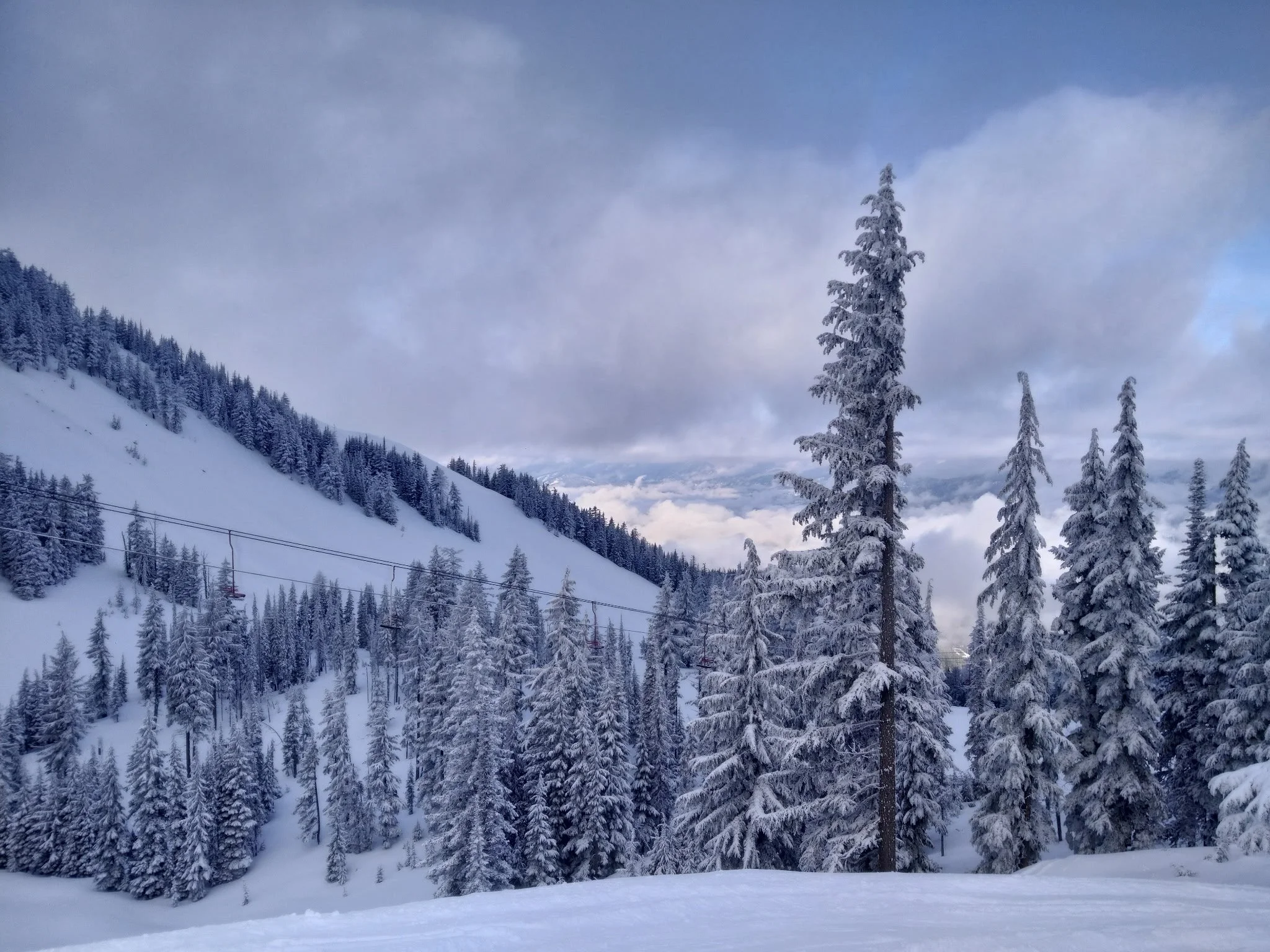
Chair 4, a nearly 60-year-old chairlift
Facilities
Silver Mountain has an extensive village, but the gondola ride is so long that visiting it for lunch isn't practical. Most guests will use the facilities on the mountain: the Mountain House and the Jackass Snack Shack. The Mountain House is a large lodge with a Bavarian-styled exterior that has rentals, restrooms, secure storage, a tuning and repair shop, cafeteria-style food service and a bar. It is also where guests arrive and depart, since it houses the top terminal of the gondola. The interior feels straight out of the 1990s and isn't particularly luxurious, but the facilities are well cleaned, with ample capacity and sufficient seating for all but the busiest days. The mountaintop setting and the many baseboard heaters in the seating areas make for a remarkably cozy atmosphere.
The Jackass Snack Shack is a tiny lodge near the mid-station of Chair 4, with drinks, a small food menu, and indoor and outdoor seating. Outside the holiday weeks in December it is open only Friday through Monday, so on other days guests in the Chair 4 area who want food, drinks and warmth have to return to the Mountain House, which means two slow chairlift rides and a blue run. The restroom is accessible every day of the week.
Crowds
Silver Mountain can be moderately crowded on weekends and holidays. Chair 2 is the busiest chairlift, and the cat track near the bottom that almost all runs funnel into can get busy. Chair 3 can also be a chokepoint, since it is how guests return to the Mountain House from Chair 4 in addition to serving its own terrain. Even so, chairlift queues on busy days are rarely more than a few minutes. The main chokepoint is the gondola, which has a very low capacity because of its wide cabin spacing and cabins that are almost never filled to their eight-seat capacity. That can occasionally mean lineups in the morning and at the end of the day, though it is only noticeable on the busiest days.
The Mountain House facilities are high capacity with ample seating, although rentals can be slow on a busy day for guests who didn't book in advance. On weekdays, Silver Mountain is virtually empty, with no lines for facilities or lifts and fresh tracks lasting all day.
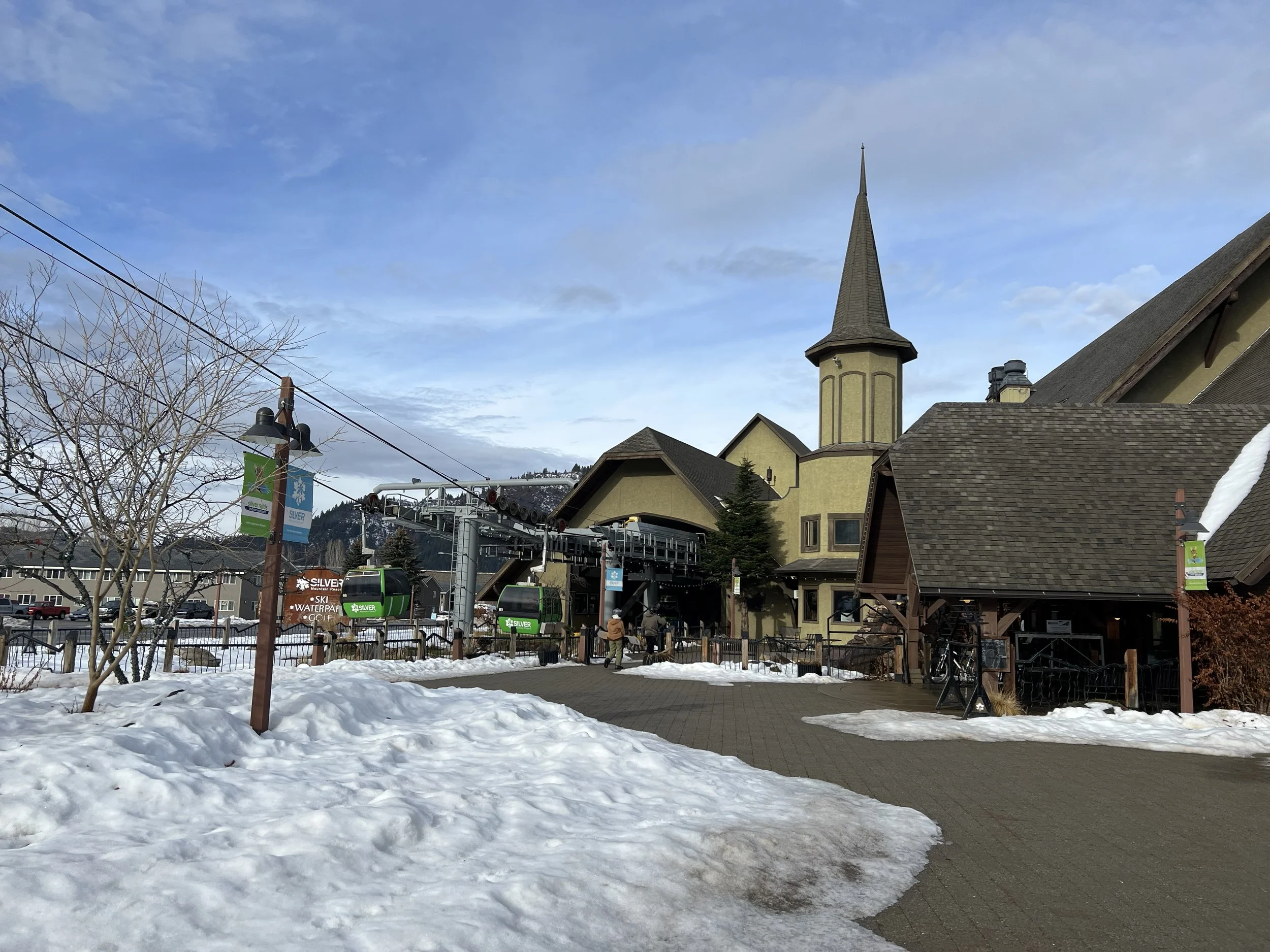
Silver Mountain’s base village sits at the bottom of the gondola in Kellogg
Getting There
Silver Mountain is an hour and twenty minute drive from Spokane International Airport in clear conditions. Because of the gondola, guests avoid the slow, steep and twisty access roads common at most other ski areas in the region; the village and parking lot are right off Interstate 90 in Kellogg, which makes this a comparatively easy ski resort to reach. Interstate 90 east of Coeur d'Alene still involves elevation changes and curves as it winds through the mountains, and snowfall, plows and slow-moving semi trucks can significantly affect travel times.
Parking is free and requires no reservation. Unlike most ski areas in the region, the lot is paved, so mud isn't an issue on warmer, wetter days. The bottom gondola terminal sits between the village and the parking lot, so the walk from either to the ticket windows, restrooms and gondola is very short. That contrasts with most resorts, where villages displace parking lots and force locals and off-site lodgers into long walks to the lifts.
NOTE: We may receive a small affiliate commission if you click on the below links. All products listed below are unisex.

Recommended intermediate board

Recommended advanced board

Recommended expert board

Recommended touring board
Lodging
There is an abundance of lodging across all budgets around Silver Mountain. The village has more upscale, pricier accommodations within a short walk of restaurants, the indoor water park and the gondola. The Fairbridge Inn & Suites on the other side of the parking lot has remarkably affordable rooms within walking distance of the village and gondola. Numerous other hotels, motels and short-term rentals are scattered through Kellogg, less than a five minute drive away. Many more options are in Wallace, fifteen minutes east, and Coeur d'Alene, forty minutes west. Spokane, about an hour and twenty minutes away, offers more economical accommodations.
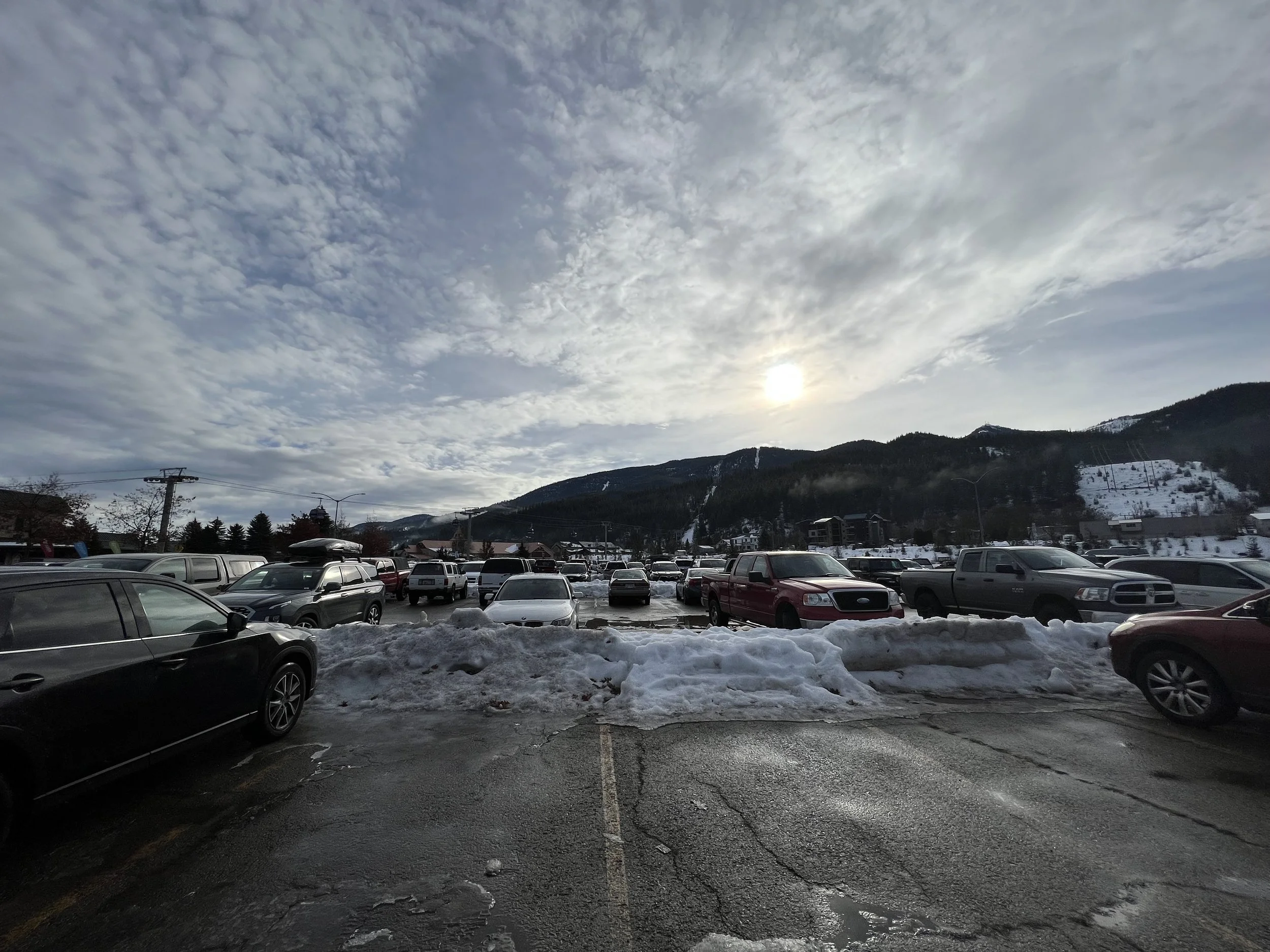
Free parking sits right at the base, steps from the village and gondola
Après
Bars and food service on the mountain wrap up not long after the lifts close, since guests need to take the gondola down before 5:00 PM.
Once guests are back in the village, Silver Mountain has an excellent après scene, with restaurants, bars and cafes serving donuts, frozen yogurt and coffee open into the evening, along with Silver Rapids Water Park, the largest indoor water park in Idaho.
Pass Partnerships
Silver Mountain participates in both the Indy Pass and Powder Alliance. Indy Pass holders receive two days at Silver each season, plus a third day at 25% off the window rate. Standard Indy Base passes are subject to Saturday and holiday blackouts at Silver, while Indy Plus passes have no blackout dates.
Powder Alliance provides reciprocal benefits for season-pass holders. Full, unrestricted Silver Mountain season passes include three free days at each of 17 other Powder Alliance resorts, generally valid Sunday through Friday outside holiday periods; Silver's midweek pass does not qualify. Conversely, qualifying season-pass holders from other Powder Alliance mountains receive three free days at Silver, valid Sunday through Friday and excluding designated holiday periods.
Early and Late Season
Silver Mountain begins its season around Thanksgiving, like most other resorts in the region, but it stays open later into the spring when snow allows. Neighboring resorts tend to wrap up in early to mid April, while Silver Mountain usually runs a few weeks longer, into late April or early May. Strong winters can bring limited skiing through Memorial Day weekend, likely giving it the longest ski season of any Idaho ski resort.
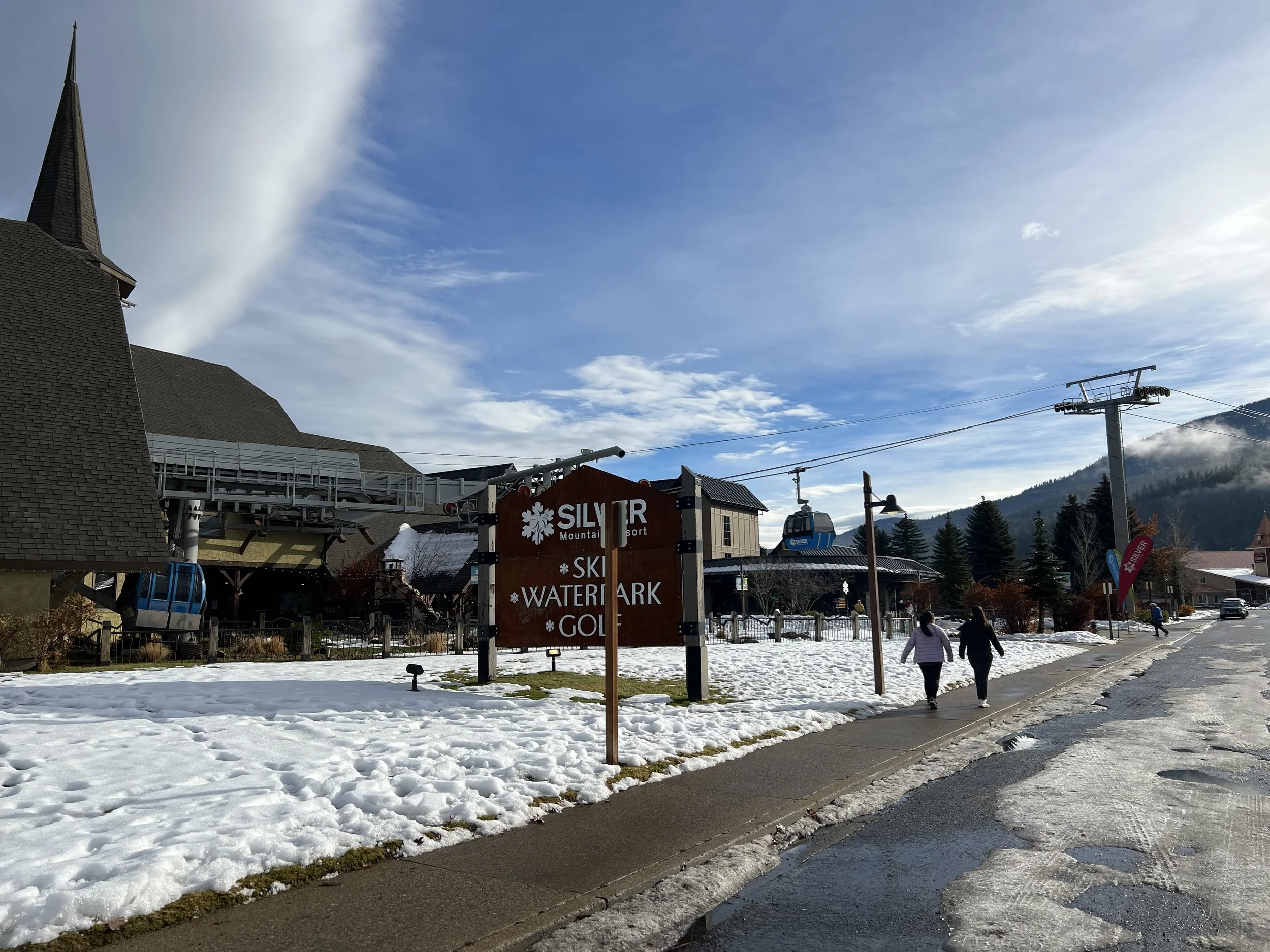
The village’s resort sign points to skiing, the water park and golf
Verdict
Silver Mountain offers a unique, well-rounded experience between the incredible gondola, the village and the indoor water park, in addition to the ski area. But the ski area itself leans toward tougher terrain, spread across a somewhat moderate footprint and served by dated, slow chairlifts. That can make it a tough sell for vacationing families, though the appeal is there for more experienced skiers, riders and those seeking untouched powder.
Still, Silver Mountain is well worth visiting for a weekend, and with its participation in the Indy Pass and Powder Alliance it can easily be part of a larger ski trip with many neighboring ski areas. Overall, it can provide a whole vacation experience beyond skiing for a much better price than many full-fledged ski resorts.
Pricing
Silver Mountain's lift tickets and season passes are on par with or undercut other ski areas throughout Idaho and Washington. Lift tickets range from $64 to $80 before tax when purchased in advance online, depending on whether it's a weekday, weekend or holiday. Tickets bought at the window add about $5 to the online price.
