Introduction
For years, the North American ski industry seemingly defied some pretty basic economic logic. Lift tickets and season passes got more and more expensive, yet visitation reached record levels regardless. And all the while, the resort operators poured hundreds of millions of dollars into new infrastructure.
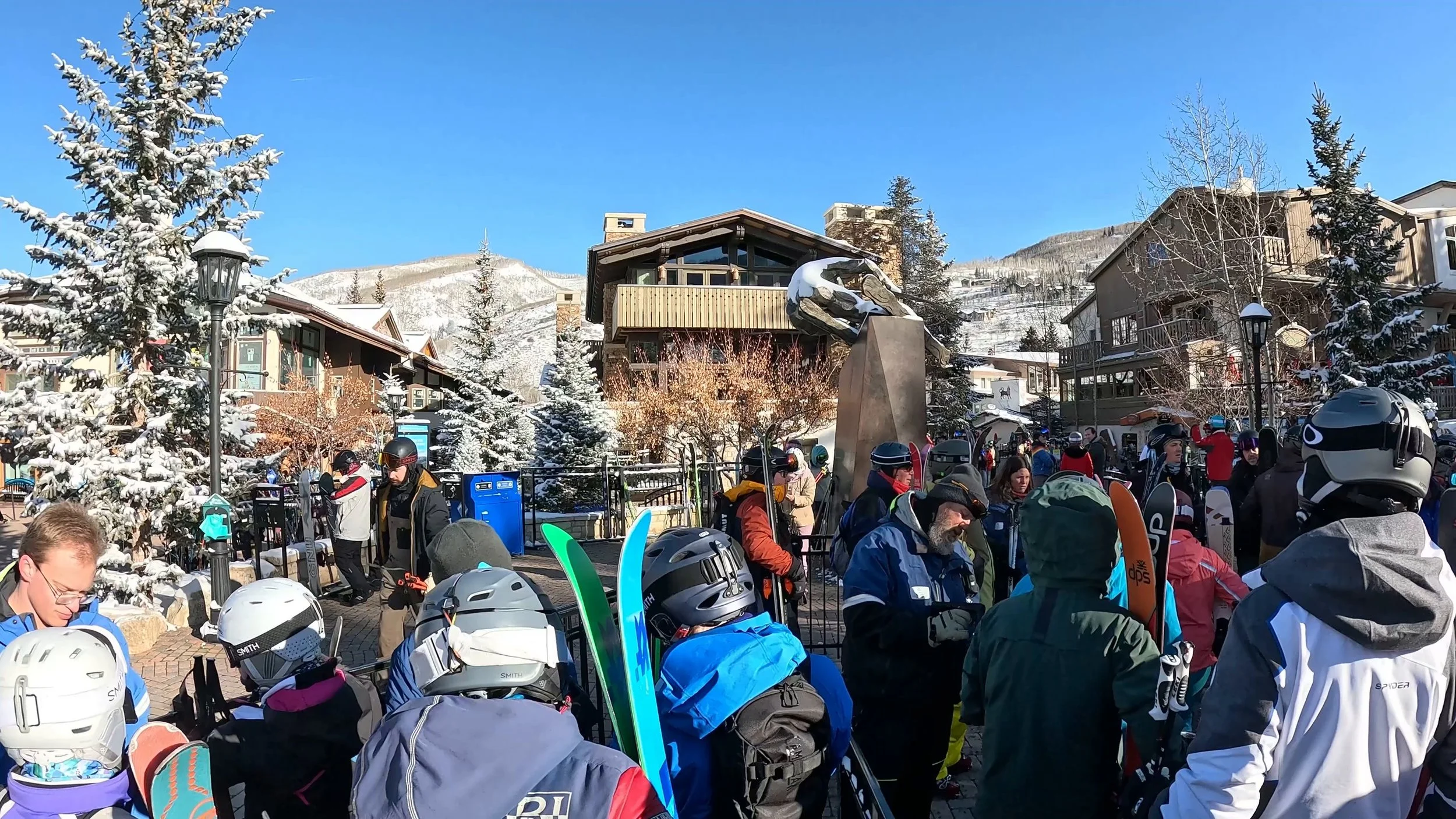
For years, visitation reached record levels even as lift tickets and season passes got more expensive.
But recently, some pretty significant cracks have started to emerge.
Vail Resorts, the largest ski resort operator in North America, just reported that Epic Pass sales for the upcoming winter are down a staggering 12% by unit. Its biggest competitor in the season pass market, Ikon, has been introducing some unusually aggressive incentives to attract customers. And after years of record-breaking investments, the pace of new ski resort infrastructure projects appears to be slowing down.
So what’s actually going on here? Is the post-COVID skiing boom finally coming to an end? Have years of rising prices and worsening economic conditions finally pushed consumers too far? Or has last winter made people reconsider when they’re willing to pay for their ski trips?
In this piece, we’re going to investigate whether the North American ski industry is experiencing a market correction, what’s driving these recent developments, and what they could mean for the future of skiing.
Let’s jump into it.
The Epic Canary in the Coal Mine
One of the clearest indications of a potential market correction comes from Vail Resorts, which, as a publicly traded company, provides a more detailed look at its business than we get from essentially any other ski operator.
Now, we actually covered Vail’s financial and strategic struggles in considerable detail back in August, when the company announced a major overhaul of its business strategy. We won’t revisit all of that here, but since then, Vail has released some new figures that paint an even more concerning picture.
During the 2025–26 winter, skier visits across Vail’s resorts fell by 13.4% compared to the previous year, while the company’s annual net income dropped from $280 million to just under $148 million.
Skier visits across Vail’s resorts fell by 13.4% during the 2025–26 winter.
But perhaps even more concerning are its season pass sales for the upcoming winter. As of September, unit-sales of Epic Pass products were down 12% compared to the same point last year. The estimated number of ski days sold was down 10%, and total pass sales revenue was down 6%.
And there’s something especially notable about this decline in terms of exactly who is dropping out of the ecosystem. There’s a discrepancy between the drop in unit sales and estimated ski days sold, which shows the biggest declines aren’t coming from its most committed customers purchasing unlimited season passes. Rather, they’re concentrated among less-frequent skiers and destination visitors who typically purchase passes for just a handful of days.
During the company’s September earnings call, CEO Rob Katz suggested that many of these customers haven’t necessarily given up on skiing. Katz instead seems to believe that following last winter’s terrible conditions, they may simply be waiting until closer to the season’s start to decide whether to purchase lift access at all.
That’s a particularly significant development for a company that has spent years trying to convince skiers to stop buying individual lift tickets and start committing to Epic Pass products months in advance.
But is this simply a Vail problem? Or could it be a sign of something much bigger happening across the industry?
End of the Post-COVID Skiing Boom?
One possible explanation for what’s happening is that we’re finally seeing the end of the skiing boom that followed the COVID-19 pandemic. And to properly examine that, it’s helpful to take a look at the numbers that preceded last season’s terrible winter.
Like many outdoor recreational activities, alpine winter sports experienced a substantial surge in demand during and immediately following the pandemic. Resorts saw enormous increases in season pass sales, record-breaking visitation, and a wave of investments in new lifts and infrastructure. And perhaps what we’re seeing now is simply the market returning to normal after several unusually strong years.
But there’s one pretty significant problem with that explanation: until last winter, national skier and rider visitation was still close to record levels. According to the National Ski Areas Association, the 2022–23 season saw an all-time record 65.4 million skier visits across the United States. That figure declined to approximately 60.5 million the following winter, before rebounding to 61.6 million in 2024–25, making it the second-busiest season in the industry’s history. Then came 2025–26, when visitation plummeted to approximately 52.6 million, a decline of nearly 14% in a single year.
U.S. ski areas recorded an all-time record 65.4 million skier visits in 2022–23.
Now, that’s an enormous drop. But last winter also saw historically poor snow conditions across much of the western United States, while regions that experienced considerably better conditions, particularly the Northeast and Mid-Atlantic into the South, actually saw strong visitation. So it’s difficult to attribute that decline entirely to skiers losing interest in the sport.
But interestingly, there were already signs of trouble at some of the industry’s biggest operators before last winter. Take Vail Resorts’ season pass sales. In September 2024, Epic Pass sales were down approximately 3% by unit compared to the previous year. Yet despite selling fewer passes, the company actually brought in 3% more money from those sales, helped by an 8% increase in pass prices.
Then, in September 2025, essentially the same thing happened again. Pass sales declined another 3% by unit, but sales dollars increased by 1%, once again helped by a substantial price increase of 7%.
Essentially, Vail was already selling fewer pass products while continuing to generate more money from them, largely by charging higher prices.
But prior to last season, not every ski resort was experiencing the same slowdown. At Whitefish, Montana, season pass sales actually increased nearly 7% heading into the 2025–26 winter. Privately owned Monarch Mountain in Colorado was also continuing a multi-year streak of strong pass-sales growth, reaching record sales ahead of that same season. And Bridger Bowl, another independent Montana mountain, had reported an 8.5% increase in advance pass sales going into 2025–26.
Privately owned Monarch Mountain reached record pass sales ahead of the 2025–26 season.
Now, these resorts operate very different businesses from Vail, and their growth doesn’t necessarily mean skiers were abandoning Epic or Ikon to visit independent mountains instead. Some also benefited from population growth, favorable conditions the previous winter, or new investments. But what these results do suggest is that the slowdown we were already seeing at Vail wasn’t necessarily linear across the entire ski industry.
Which raises another question: if demand for skiing and riding was still holding up at some resorts, could the way the industry’s biggest operators have been pricing and selling their products be part of the problem?
Has Skiing Finally Become Too Expensive?
For years, Vail Resorts and many Ikon-affiliated destinations have increasingly relied on a pricing strategy that heavily incentivizes skiers to purchase lift access months in advance, while charging substantially higher prices to those who wait until the winter. And the difference can be pretty staggering.
During the 2025–26 Christmas holiday period, a single day of skiing at Vail or Beaver Creek could cost as much as $356, while Breckenridge wasn’t far behind at $321. Meanwhile, privately owned destination resorts like Wolf Creek in Colorado and Whitefish in Montana have continued offering daily lift tickets for around $100 to $120, even when purchased close to the day of skiing. Now, these resorts aren’t necessarily direct substitutes for fly-to destinations like Vail or Breckenridge. But they do demonstrate that it’s perfectly possible to operate a reasonably major ski destination without extraordinarily expensive last-minute lift tickets.
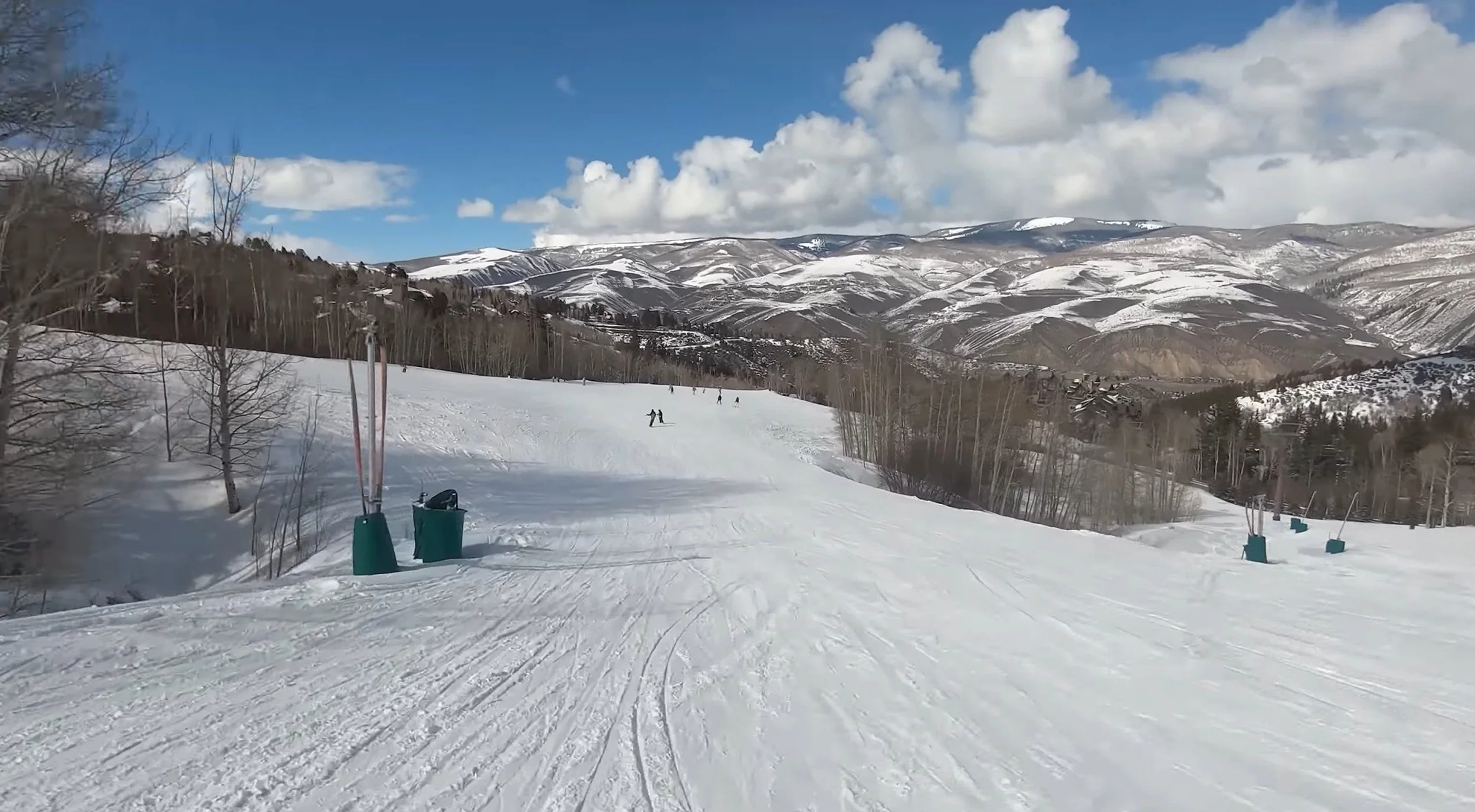
A single day at Vail or Beaver Creek could cost as much as $356 during the 2025–26 holidays.
But then there’s the flip side of the mega-pass pricing strategy. For someone who only skis a handful of days each winter, purchasing an Epic or Ikon product months in advance can be by far the most economical way to visit many of North America’s biggest resorts.
But that also means committing hundreds or even thousands of dollars before you know what the upcoming winter will look like. And if you’re unwilling to make that commitment, you could end up paying substantially more for the exact same skiing experience.
Of course, there’s also the broader affordability question to consider. Between airfare, lodging, rental cars, equipment, and everything else that goes into a destination ski vacation, the cost of actually getting to the mountain can be just as significant as the price of lift access itself.
This was actually raised during Vail’s September earnings call, when a Barclays analyst compared skiing to Las Vegas, where increasingly expensive vacations have contributed to concerns about declining visitation.
He questioned whether the total cost of a ski vacation, including expenses outside Vail’s control, was beginning to discourage customers.
Interestingly, CEO Rob Katz pushed back on that explanation, arguing that Vail’s customer base, which skews toward high-end travelers, is better insulated from broader economic pressures, and that the current decline in pass sales is more likely related to last winter’s poor snow conditions.
Obviously, that explanation ignores the decline in pass sales that started two seasons prior. But that doesn’t mean he’s entirely wrong. Because even if general rising costs are discouraging some customers, they don’t fully explain why the steepest drop in advance pass sales is coming from occasional skiers and riders buying passes for just a handful of days. For that, we need to examine one of the biggest selling points of the mega-pass model—and why last winter may have fundamentally changed how skiers and riders perceive it.
Was Last Winter the Mega-Pass Breaking Point?
There’s a fundamental reason why so many skiers and riders have been comfortable purchasing Epic and Ikon Passes months before the winter begins, even though they have no idea what conditions will be like when they eventually hit the slopes. And that’s geographic diversification.
One of the biggest advantages of a mega-pass is that it nullifies the risk of committing to a single mountain. Mega-pass buyers receive access to dozens of destinations across North America, many of which experience vastly different weather patterns. If Colorado has a disappointing winter, maybe Utah is having an incredible one. If Tahoe isn’t delivering, perhaps the Pacific Northwest is getting hammered with snow.
Of course, taking advantage of all this flexibility requires having the time and resources to travel between different regions. But for destination skiers and riders with that flexibility, it’s long been one of the most compelling reasons to buy a mega-pass. Even if you don’t know where the snow will be good, the thinking goes, surely at least one of these regions will have a worthwhile winter.
But then came the 2025–26 season. And to say things didn’t go according to plan would be a massive understatement.
Basically every single western state, regardless of the size of their ski resort portfolio, experienced some degree of extraordinary snow deficit. According to federal snowpack measurements, Colorado, Utah, Idaho, Wyoming, Oregon, Nevada, New Mexico, and Arizona all recorded their lowest April 1 snowpack levels since modern monitoring began in the 1980s. California recorded its second-lowest, while Washington’s snowpack was just 52% of its median peak.
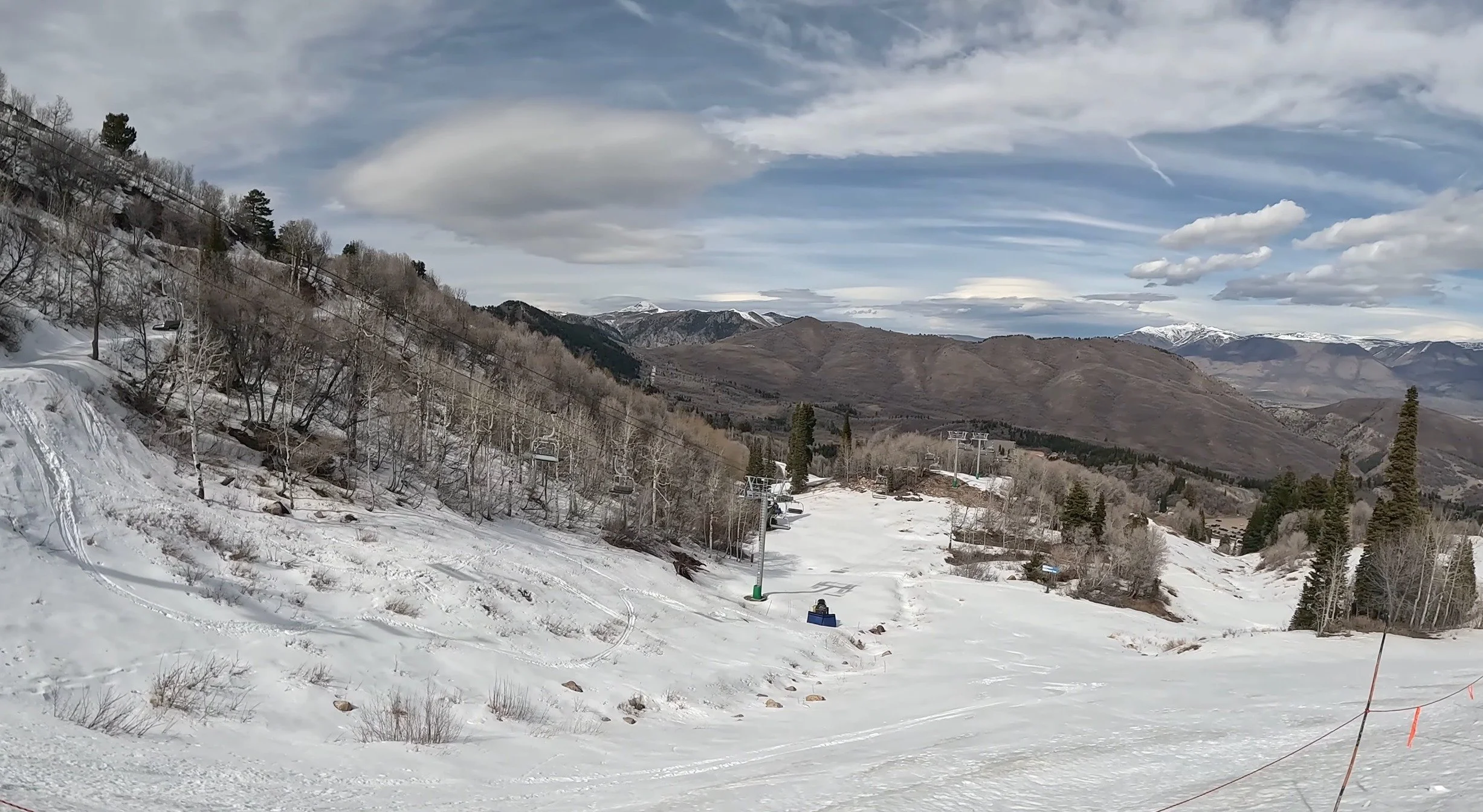
Utah was one of eight western states to record its lowest April 1 snowpack since modern monitoring began.
Now, these figures don’t mean every ski resort had terrible conditions throughout the winter. Some mountains fared considerably better than others, and eastern destinations generally had a much stronger season. But the sheer geographic scale of the western snow drought was extraordinary.
And this is where things become particularly problematic for the mega-pass model. For years, the ability to choose between destinations in different regions helped justify committing to a pass before anyone knew what the winter would bring. But last season demonstrated that there can be scenarios where the snow isn’t particularly good anywhere that someone can realistically travel.
And for occasional destination skiers and riders, this uncertainty is especially consequential. Someone planning just two ski trips, for example, may struggle to justify spending hundreds or thousands of dollars on lift access months in advance if there’s a not-insignificant risk that neither trip will deliver vacation-worthy conditions.
That’s a very different calculation from someone who lives near a major resort or plans to take dozens of ski vacations regardless of how the season unfolds.
And this could help explain why Vail is seeing its biggest weakness among occasional destination skiers, rather than its most committed unlimited passholders.
The Advance-Commitment Paradox
And this brings us to a fundamental paradox in the advance-commitment model that may be coming to a head. One of the reasons the mega-pass model became so attractive to major ski resort operators was its ability to protect them from one of the industry’s biggest historical financial risks: bad snow conditions.
And last winter provided a remarkable demonstration of just how effective this strategy has become. Now, Alterra doesn’t publicly disclose the same detailed financial information as Vail. But despite skier visits across Vail’s resorts plummeting by 13.4%, total lift revenue declined by just 3.5%. In fact, revenue from season passes actually increased by 3.9%. That’s an extraordinary amount of financial protection during one of the worst western ski seasons in recent memory.
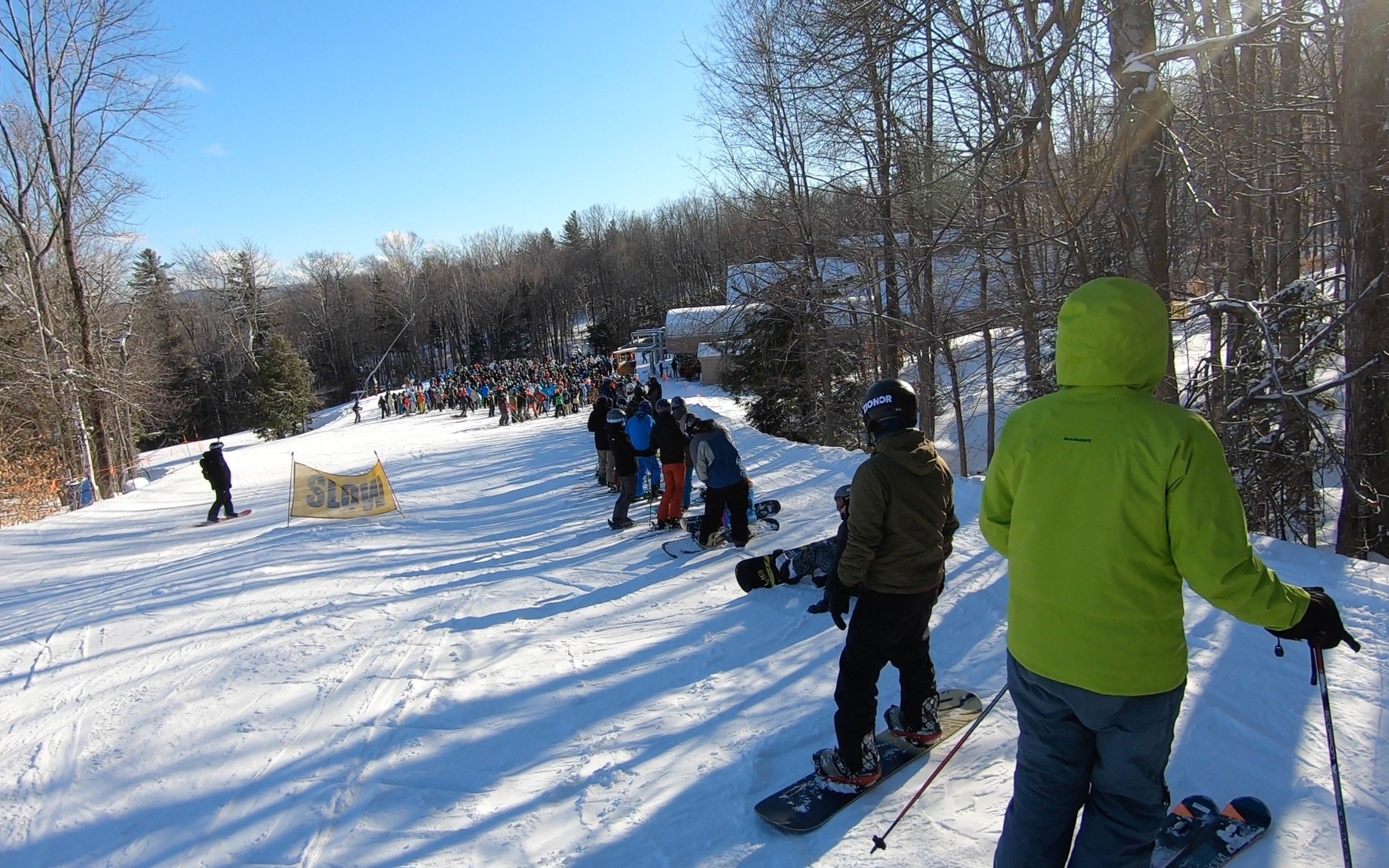
Despite skier visits plummeting by 13.4%, Vail’s total lift revenue declined by just 3.5%.
But while the mega-pass model protects resort operators from much of the immediate financial risk of a disappointing winter, that risk doesn’t simply disappear. In the near-term, much of it gets transferred to the customers who purchased those passes in advance. And as a result, customers who already paid for a disappointing season might no longer be willing to make the same financial commitment months in advance.
In other words, the very strategy that protected Vail and potentially Alterra from much of last winter’s financial damage may now be making it harder for them to secure revenue for the next one. And if that’s the case, it presents a much more fundamental predicament to the industry’s business model than a single disappointing winter.
How Are The Ski Corps Responding?
Interestingly, there were already indications that the ski industry’s biggest companies were reconsidering their pricing strategies before last winter’s disastrous conditions became fully apparent.
In October 2025, Ikon introduced a limited-time promotion allowing passholders to purchase Friends & Family lift tickets for up to 50% off regular window prices at participating resorts, double the usual 25% discount.
Then, in December, Vail Resorts announced that it would begin offering discounts averaging more than 30% on individual lift tickets purchased at least four weeks in advance at 12 of its biggest destinations.
Now, by that point, western snow conditions were already looking concerning. And as the poor winter unfolded, Ikon brought back its 50% Friends & Family promotion in January, including at resorts like Stratton and Sugarbush in Vermont, which were actually experiencing a very strong season. These promotions suggest that even at the places where visitation was high, the demand for exorbitant lift tickets during the core season may not have been what they expected.
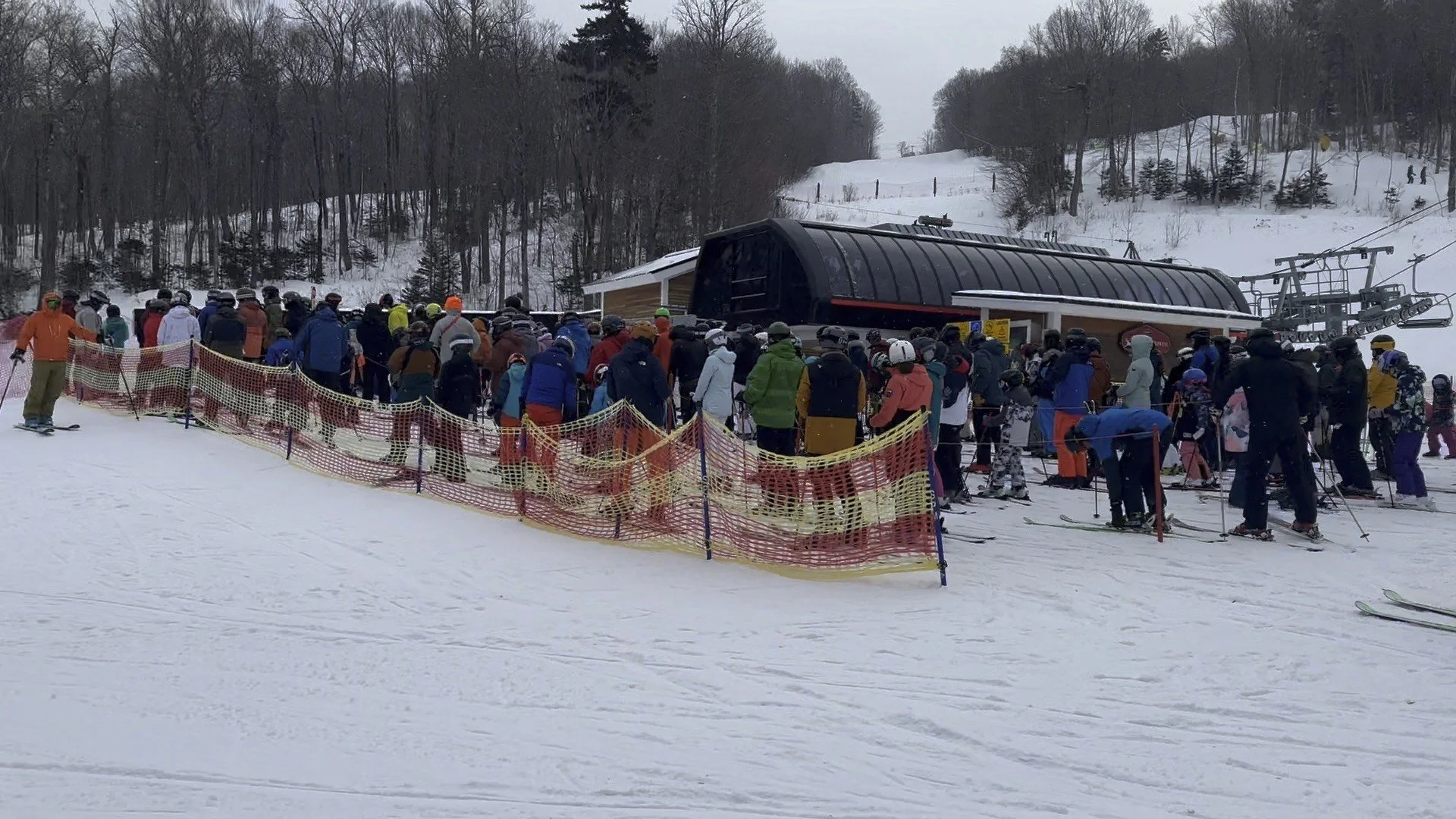
Ikon’s 50% Friends & Family promotion even included resorts like Stratton that were having a strong season.
And heading into 2026–27, the changes have continued, although the two companies appear to be taking somewhat different approaches. One thing is clear, however: both companies are taking steps to protect their bottom lines.
Vail introduced a 20% Epic Pass discount for skiers ages 13 to 30, along with additional incentives to convert individual lift-ticket customers into season passholders. But Vail hasn’t exactly stopped raising prices. While the company advertised a 3.6% increase to its flagship Epic Pass, it also began charging a separate 3.2% blended sales and admissions tax on many multi-resort products, bringing the effective year-over-year increase to nearly 7%.
Meanwhile, Ikon has introduced a series of more complicated pricing incentives. Its new Renewal Rewards program gives returning customers additional choices, but the straightforward cash renewal discount has been cut in half. And perhaps most controversially, Ikon has eliminated its previous policy allowing customers to defer an unused pass to the following winter for free.
In its place, the company introduced a refundable pass option that costs an additional 20%. While this new product allows eligible customers to receive actual money back rather than a credit, it also means that a form of protection previously included with the pass now requires a substantial premium.

Ikon replaced its free pass deferral with a refundable pass option that costs an additional 20%.
None of these changes suggest a full-on reversal of the mega-pass model. And several were announced before the full extent of last winter’s problems became apparent. But they do suggest that the biggest players in skiing are increasingly experimenting with how they price and package their products, whether that’s through new discounts or trying to more subtly hide extra fees or red tape.
And there’s another potential sign of a broader industry slowdown worth examining: what’s happening to investments in ski resort infrastructure?
Is the Ski Resort Investment Boom Cooling?
So if ski resort operators are finding it increasingly difficult to grow revenue, could that eventually affect how much they’re willing to invest back into their mountains? Because interestingly, there are already signs that the ski industry’s recent infrastructure boom may be cooling off.
During the years following COVID, North American ski resorts went on something of a construction spree, installing dozens of new chairlifts, gondolas, and other major improvements. But that pace has slowed considerably.
According to Ski Area Management, North American ski areas installed 57 new aerial lifts in 2023, compared with 47 in 2024 and just 37 in 2025, bringing construction back toward pre-pandemic levels. And some of the industry’s biggest operators have seen particularly sharp declines.
Vail Resorts installed 18 new lifts in 2022, but just three in 2024, with another three announced for 2026. Meanwhile, Boyne Resorts, which operates major destinations like Big Sky, Brighton, and Sunday River, went from nine new lifts in 2023 to six in 2024 and just two in 2025.
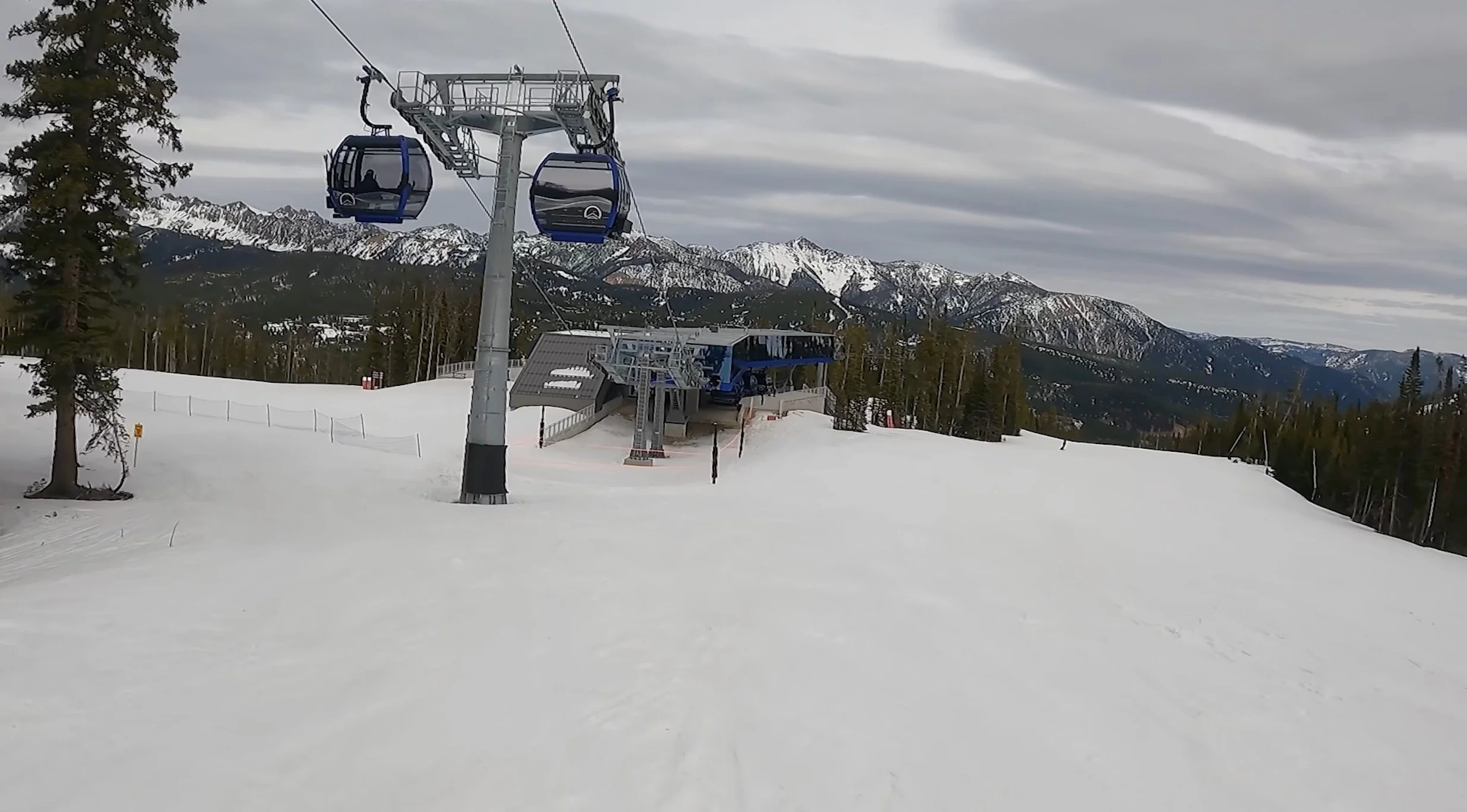
Boyne Resorts, which operates Big Sky, went from nine new lifts in 2023 to just two in 2025.
Now, this doesn’t necessarily mean ski resort companies are running out of money or dramatically cutting back on investments. Many of these projects were planned years in advance, the cost of building new lifts has risen substantially, and some operators are simply finishing enormous multi-year investment programs. In fact, Vail is still planning to spend approximately $230 million on capital improvements in 2026, while Alterra has announced more than $350 million in investments for the upcoming winter, including major projects at Deer Valley and Tremblant.
But the slowdown is worth paying attention to, especially as many resorts face the growing costs of maintaining and eventually replacing aging lift infrastructure. If pass sales continue to weaken and operators find it harder to increase revenue, they could eventually become even more selective about which projects they pursue.
And for skiers and riders, that raises a particularly important question: if the industry’s business model really is experiencing a correction, what might that actually mean for the experience of visiting these mountains?
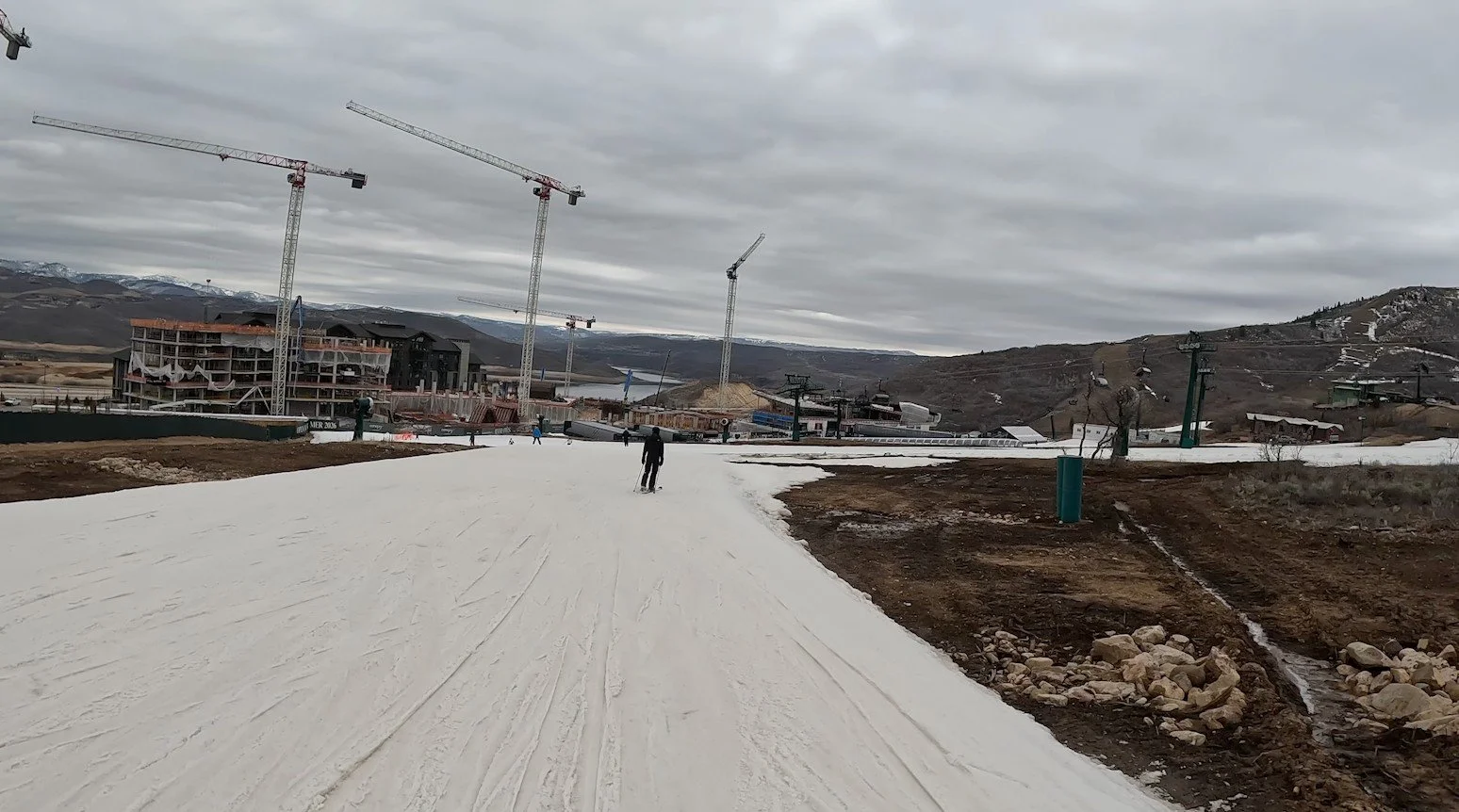
Alterra has announced more than $350 million in investments, including major projects at Deer Valley.
What Does This Mean for Skiers and Riders?
So is skiing actually going to start becoming cheaper for the average skier or rider from here?
Potentially. But not necessarily in the way you might expect. The biggest change could be in how much flexibility resorts are willing to offer customers. If fewer occasional skiers are willing to purchase passes before the winter, companies like Vail and Alterra may have to work harder to attract those customers once the season actually begins. And as we’ve already discussed, there are signs that this is starting to happen even today.
But a lift ticket discounted four weeks in advance is still a far cry from an affordable ticket purchased on the day you want to ski. And there’s certainly no guarantee that the extraordinarily expensive window prices at major destinations are about to disappear.
For frequent skiers and snowboarders, mega-passes will likely remain a fantastic value. But for occasional destination visitors, a shift toward more competitive in-season pricing could make it considerably easier to plan trips around actual snow conditions, rather than committing months in advance.
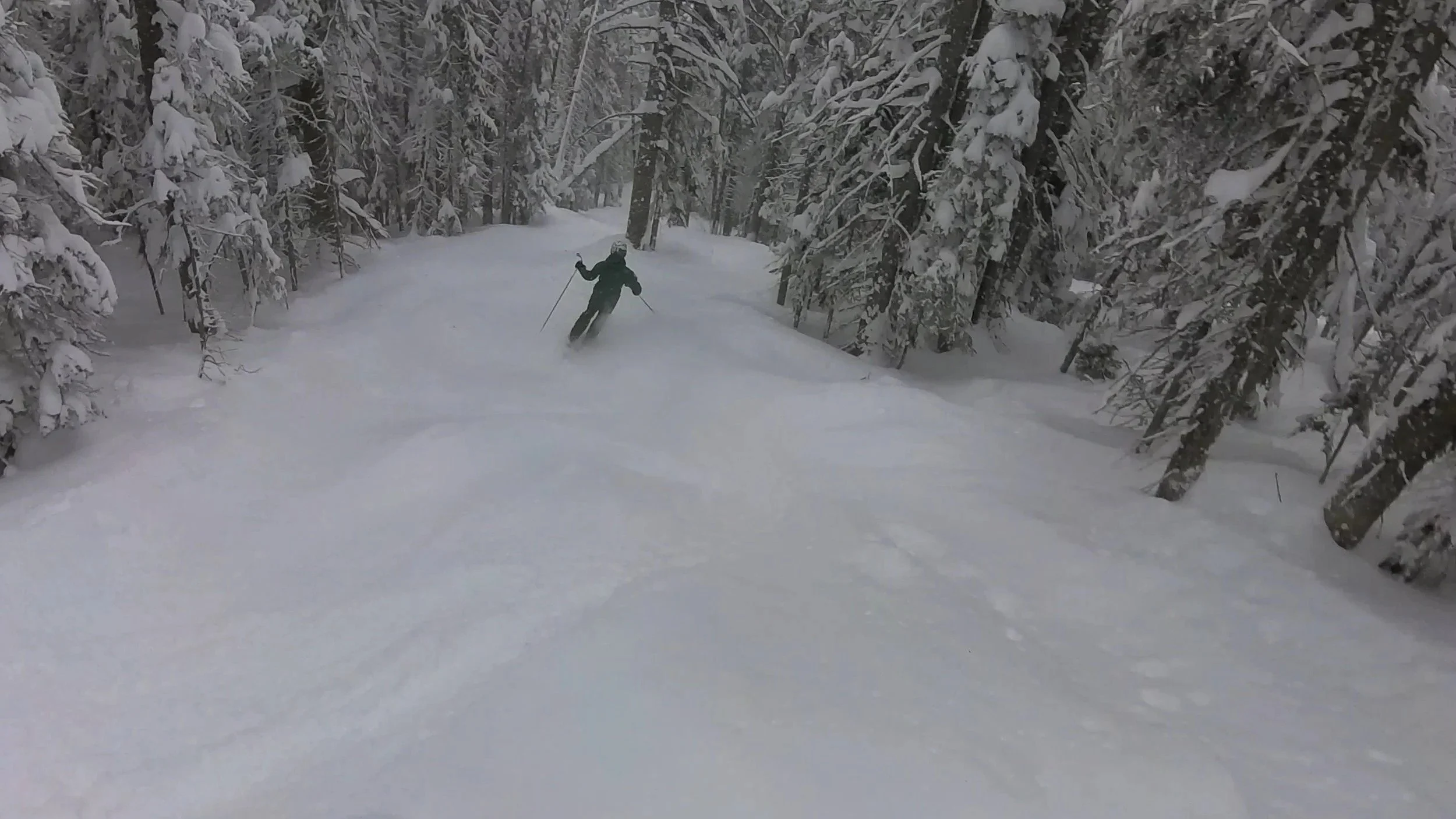
More competitive in-season pricing could make it easier to plan trips around actual snow conditions.
Of course, there could be downsides as well. If more customers wait until the winter to purchase lift access, resorts would once again become more financially exposed to poor weather. And that could mean less predictable revenue, potentially affecting future investments or encouraging operators to generate more money through other parts of the mountain experience.
Final Thoughts
So is North American skiing experiencing a true market correction? Well, it’s not as if Americans have suddenly lost interest in the sport, and until last winter, skier visitation was still hovering near record levels.
But what may be changing is the ability of ski resort companies to charge extraordinarily high prices for individual lift tickets, while expecting customers to commit to a season pass months before they have any idea what conditions will look like.
For years, that business model seemed almost unstoppable. But after several years of weakening Epic Pass sales and one historically disastrous winter, the limits of that strategy may finally be coming into focus.
For skiers and riders, that could eventually mean more opportunities to book trips around actual snow conditions without paying an enormous premium for lift tickets. The biggest thing to watch, though, is whether any reductions in lift ticket prices come at the expense of the overall resort experience, as operators look for other ways to protect their bottom lines.