MOUNTAIN SCORES
CATEGORY BREAKDOWN
See our criteriaMountain Score by Area
GOOD TO KNOW
1-Day Ticket: €60–€104 ($67–$117 USD)
Pass Affiliation: Ikon Pass, Mountain Collective
On-site Lodging: Yes
Après-Ski: Moderate
Nearest Cities: Geneva (1–1.5 hrs)
Recommended Ability Level:

+ Pros
Some of the most dramatic scenery in skiing
Ungroomed black runs and heavily skied off-piste moguls
Huge lift-served off-piste, plus the Vallée Blanche
An authentic, year-round town with great food and nightlife
– Cons
Small, separate ski areas with almost no lift connections
Dated lifts in places, and Grands Montets’ summit lift is still being rebuilt
Variable snow on sun-exposed and low-elevation slopes
Busy during European holidays, with little lift line management
MOUNTAIN STATS
Skiable Footprint: 675–1,053 acres per area (3,740 combined)
Ski Areas: 6
Marked Pistes: 136 km
Top Elevation: 9,072 ft (12,605 ft at the Aiguille du Midi)
Vertical Drop: 2,615–5,020 ft per area
Lifts: 55
Trails: 281
Beginner: 42%
Intermediate: 37%
Advanced/Expert: 21%
VIDEO
Mountain Review
Looking for the quintessential European skiing experience? The Chamonix-Mont-Blanc valley might be for you. With a wide range of slopes, extensive backcountry, and an incredible town, the area has one of the most iconic alpine setups not just in France, but in the entire world. But Chamonix also differs from the vast majority of other ski destinations in a few important ways, so what do you need to know before you go?
Size and Terrain Layout
If you’re most familiar with the American ski scene, Chamonix can best be described as having the layout of Aspen, but on steroids. Rather than one massive destination resort, Chamonix is home to five major ski areas, each physically separate and, with just one exception, entirely lacking lift connections to one another. From west to east, they include Les Houches, which is the lowest in elevation and the only one with a significant amount of below-treeline terrain; Brévent and Flégère, which are the closest to downtown Chamonix and linked together by a cable car; Grands Montets, which has the region’s best exposure and most expert-oriented terrain; and Le Tour, which offers some of the nicest high-alpine cruising terrain in the valley. There’s also a small beginner area, Les Planards, with just four trails right at the edge of downtown, and the Aiguille du Midi cable car, also based in town, serves backcountry terrain including the famous Vallée Blanche descent.
A big Chamonix downside, especially compared to some of its monumental nearby competitors, is that none of its individual ski areas are particularly big. With boundary-to-boundary footprints ranging from 675 acres at Grands Montets to around 1,000 acres at each of the others, the Chamonix ski areas offer substantially less continuous terrain than places like Zermatt, Verbier, and Les 3 Vallées. Even combined, the full Chamonix footprint is less than half the size of any of those destinations.
And while they’re in the same valley, getting between these separate areas takes both time and effort. From downtown Chamonix, it can take over half an hour to reach Le Tour, Les Houches, and Grands Montets, and that’s only if you time the bus right. The valley buses can run as infrequently as every half hour, and with a confusing downtown stop system, it’s easy to board a bus going the wrong direction. In practice, you won’t be able to hit more than one ski area in a day, with the possible exception of Brévent and Flégère.
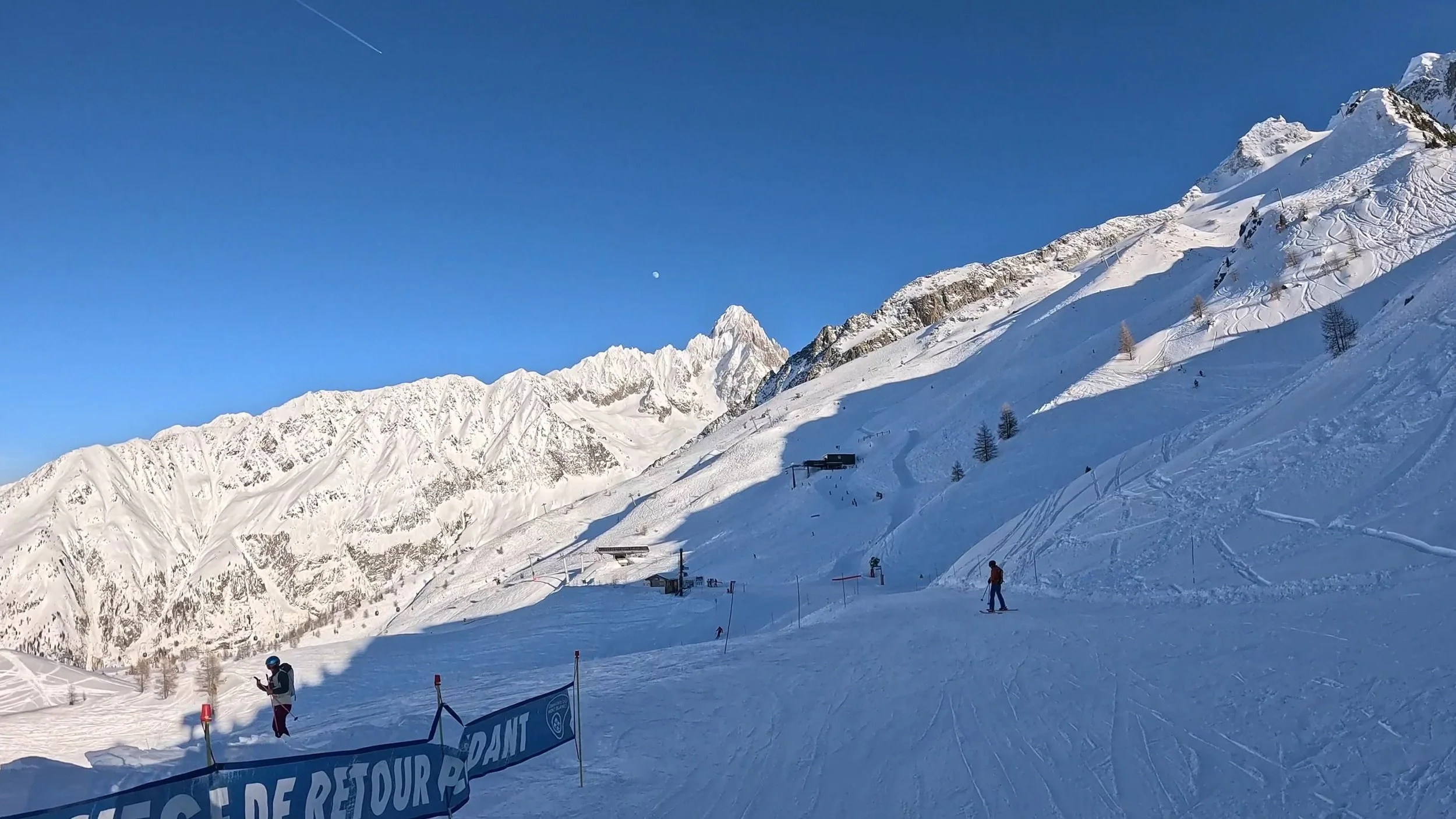
Grands Montets is the valley’s most expert-oriented ski area, though at 675 acres it’s small by destination standards.
Snow Quality and Resiliency
Chamonix sees decent snow totals for the Alps, but conditions vary substantially depending on which area you visit. Accumulation is nowhere near what you’d expect in the Rocky Mountains, but the valley does see occasional powder days with some pretty awesome conditions. On the other hand, like other parts of the Alps, it can go days or even weeks without significant snow, which results in thin cover and icy slopes. Chamonix’s lowest pistes bottom out around 1,000 meters, and the lowest areas can sometimes see mixed precipitation or rain.
On piste, the best snow is reliably at Grands Montets, which faces north, sees higher snow totals than the other areas, and has the highest in-bounds skiing in the valley. Le Tour also offers solid snow, with a decently high elevation and slopes that mainly face north and west. Conditions get more variable moving west: despite similar or slightly higher elevations than Le Tour, Brévent and Flégère face south and east, making for sunbaked slopes and inconsistent conditions. Les Houches doesn’t have the worst exposure, but it sits substantially lower than the rest of the valley’s ski areas, so it gets a fraction of the snowfall and occasional rain. At least its below-treeline footprint keeps it sheltered on storm days, and when it’s snowing hard, it may be the only area open.
Outside Les Houches, Chamonix’s high, above-treeline terrain sees significant operational impacts when storms roll in. Visibility can drop to near zero, and with substantial wind exposure, the high-alpine areas may close entirely. On a powder day, the ski areas also take their time clearing slopes, and some zones may not open until late morning or early afternoon the day after a storm, which can work in your favor if you’re hunting fresh tracks.
Finally, some lower-mountain pistes have extremely variable opening schedules. Thin cover has meant that certain slopes, most notably the valley runs down from Brévent and Flégère, haven’t opened at all in recent years, so guests at these areas need to download the gondolas to leave.
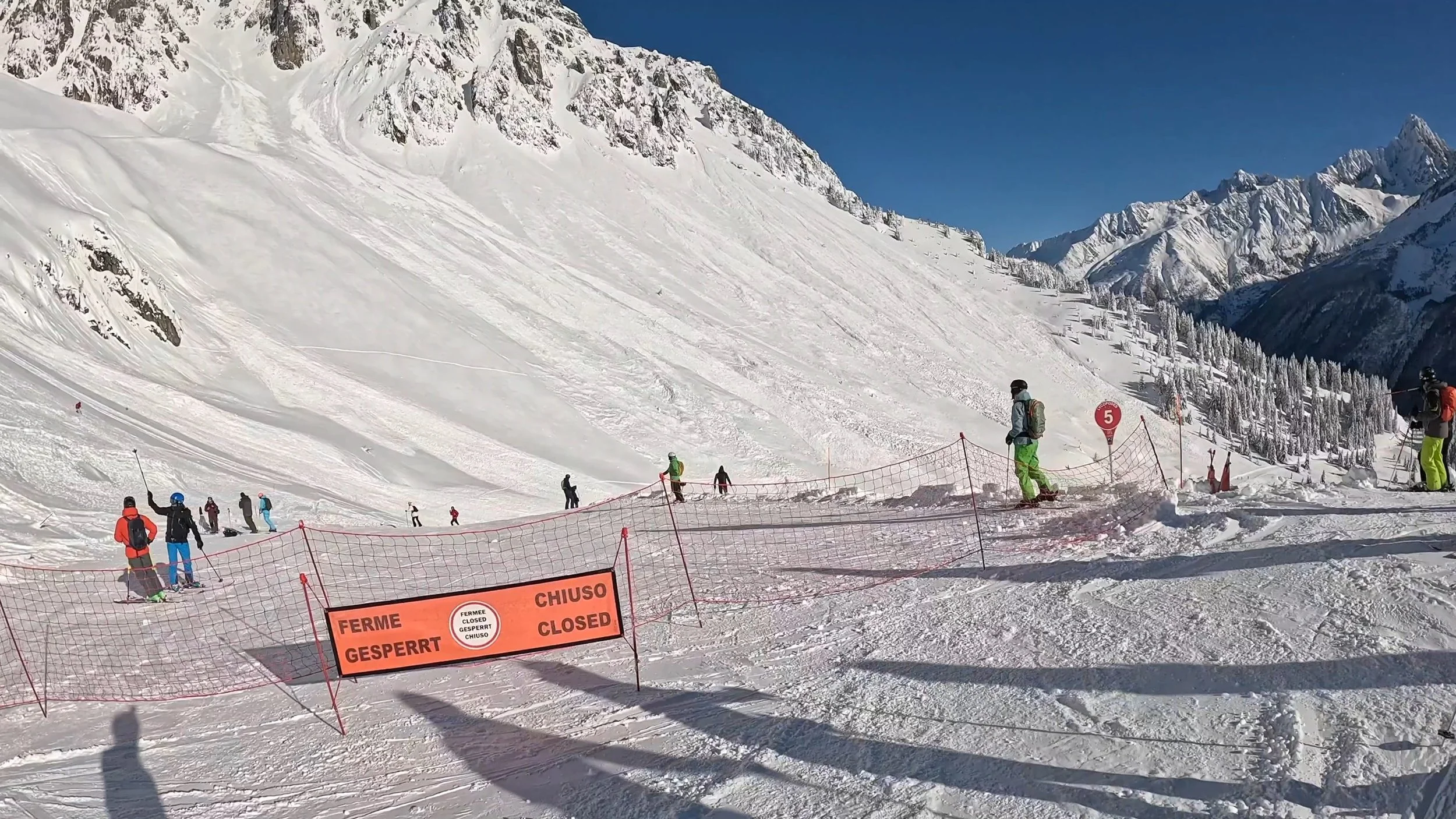
The valley runs down from Brévent and Flégère are often closed due to thin snow cover.
Beginner
If you’re a beginner, Chamonix is not the best destination for you. The best major area for beginners is probably Les Houches, which has gentler blue slopes off most of its lifts and tends to attract less aggressive skiers and riders. The other areas have some blue runs as well, but they’re often limited compared to harder pistes, and they’re generally on the steeper side for beginner runs. For true first-timers, Les Houches, Brévent, Flégère, and Le Tour all have small learning areas with green-rated pistes, as does the tiny Les Planards area in town.
Intermediate
Chamonix becomes more compelling for intermediates, although there are still better destinations for this level. Le Tour is chock full of high-alpine red cruisers with incredible views of the surrounding mountains, while Brévent, Flégère, and Grands Montets all have their share of intermediate pistes as well. Most of the reds at these areas are above treeline, but a few dip into tree-lined territory, and for true below-treeline red pistes, guests will want to head to Les Houches. With the exception of a handful of trails at Grands Montets, Chamonix’s reds are always groomed.
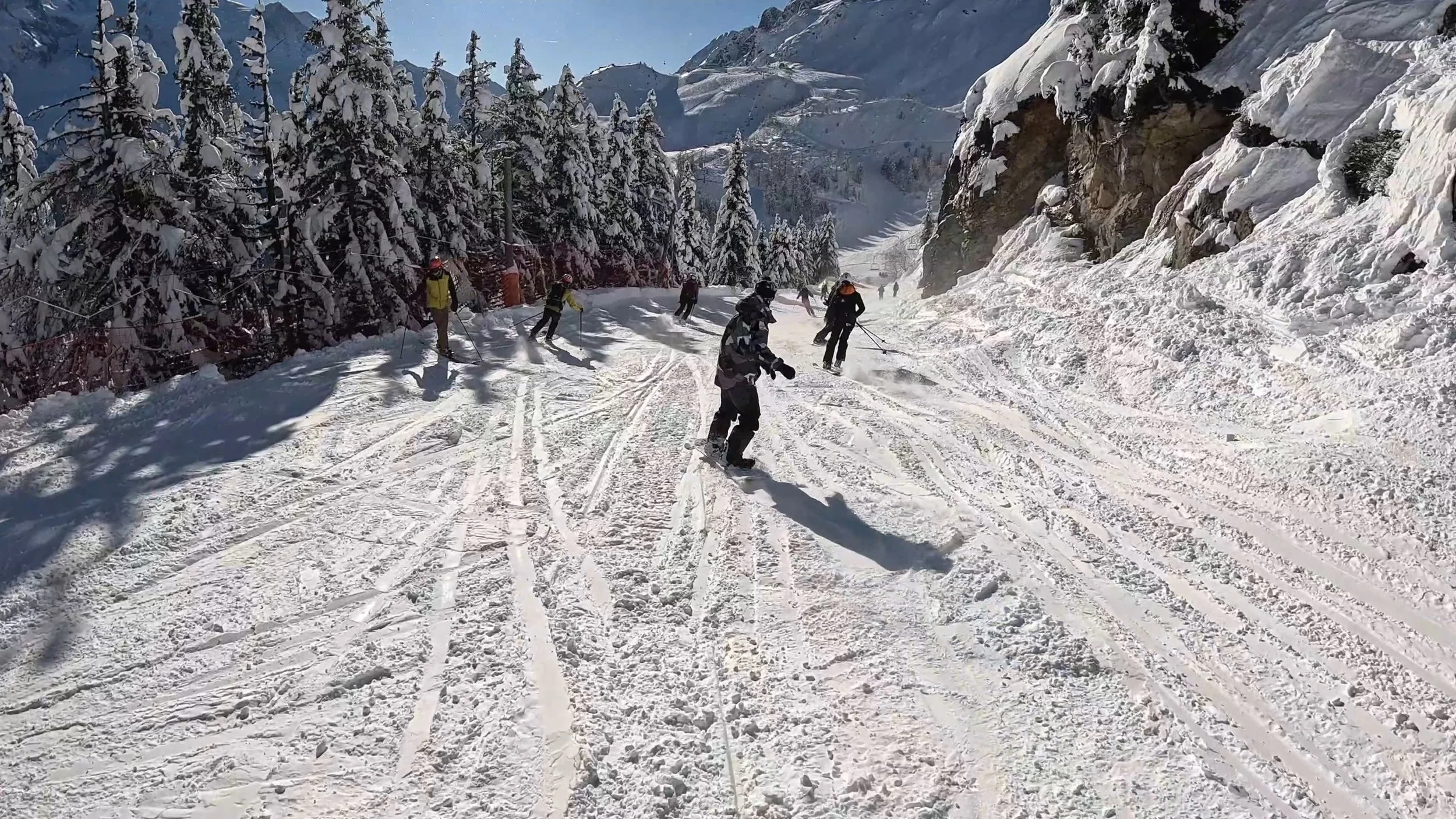
A few of Chamonix’s intermediate pistes dip below treeline, though most of its cruising terrain sits higher up.
Advanced
What you really want to be in Chamonix is an experienced skier or rider. Unlike the vast majority of European ski resorts, Chamonix’s ski areas leave a sizable number of black runs ungroomed, creating some very steep, demanding mogul runs that are quite rare on the continent. Those looking for the hardest pistes should head to Grands Montets, home to a large concentration of long, steep, ungroomed black runs. Brévent and Flégère have a handful of solid advanced pistes too, most notably the stunning Charles Bozon run from the Brévent summit, though these are groomed more often than those at Grands Montets. Le Tour and Les Houches are much tamer and have very little on-piste terrain for advanced and expert skiers and riders.
Advanced is also probably where guests should be to seriously consider the backcountry Vallée Blanche descent, even with a guide. While large parts of the route look like a typical red piste, it involves a dangerous hike down from the Aiguille du Midi and a few sections of narrow ice fields, neither of which any marked piste would ever involve. Since February 2024, a new gondola up from the Mer de Glace means the old ladder climb out at the end of the route is no longer required.
Expert
Where Chamonix really stands out is its lift-served off-piste terrain. The ski areas are practically intertwined with the unpatrolled terrain around them, and unlike many other Alps resorts, where the off-piste sees few tracks, Chamonix’s off-piste gets significant traffic. That means many of these areas get skied out quickly, but it also creates a large amount of out-of-bounds mogul terrain. At every area except Les Houches, guests can often cut straight from a red or black groomer onto off-piste bumps, which makes the valley great for endurance junkies and for anyone looking to progress into moguls.
For the gnarliest terrain, the off-piste adds another level of challenge. As at most European resorts, truly extreme on-piste terrain is limited, but some lift-served off-piste chutes, cliffs, and couloirs provide serious challenges, and an extensive selection of hike-to terrain exists across the valley. Except where needed to keep the pistes safe, the off-piste is not patrolled or maintained for avalanches, so check the avalanche forecast, bring proper gear such as a beacon, shovel, and probe, and bring a partner or guide for anything off the marked trails.
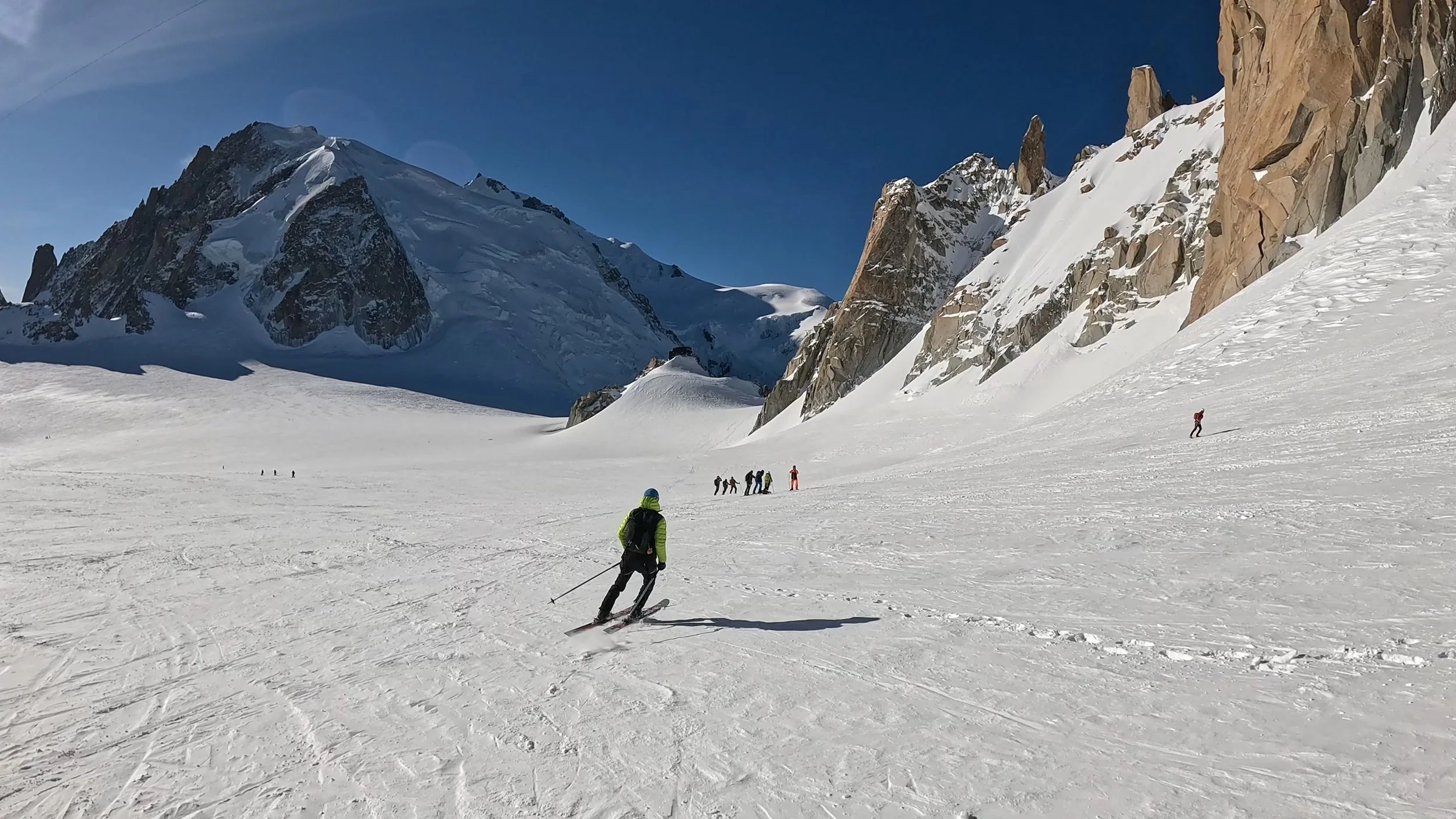
The backcountry Vallée Blanche descent is best left to advanced skiers and riders, even with a guide.
NOTE: We may receive a small affiliate commission if you click on the below links. All products listed below are unisex.

Recommended all-mountain ski

Recommended carving ski

Recommended glade ski

Recommended expert/touring ski
Lifts
Despite the Alps’ reputation for fast, modern lifts, Chamonix’s uphill infrastructure is somewhat behind the times. On the plus side, most entry points out of the bases are served by gondolas or high-speed chairlifts, and access to the Brévent beginner area comes from a very cool funicular. However, some fairly significant terrain zones are still served by slow fixed-grip chairlifts or platter lifts. A few areas, including the top of Brévent, the secondary base at Les Houches, and the link between Brévent and Flégère, are served by aerial trams that are fast but low in capacity, which can cause long lines when it’s busy. When it’s quiet, operators often wait for the tram car to fill up before departing, which can mean a long wait at the bottom.
Chamonix has also taken its time with one notable lift investment. The upper tram to the top of Grands Montets burned in 2018, and the top 500 meters of the area, nearly a third of its boundary-to-boundary footprint, hasn’t been lift-served or patrolled since. A rebuild is finally underway: a new gondola from Argentière to Lognan is scheduled to open for the 2026-27 season, with a new cable car to the summit planned for the 2027-28 season.
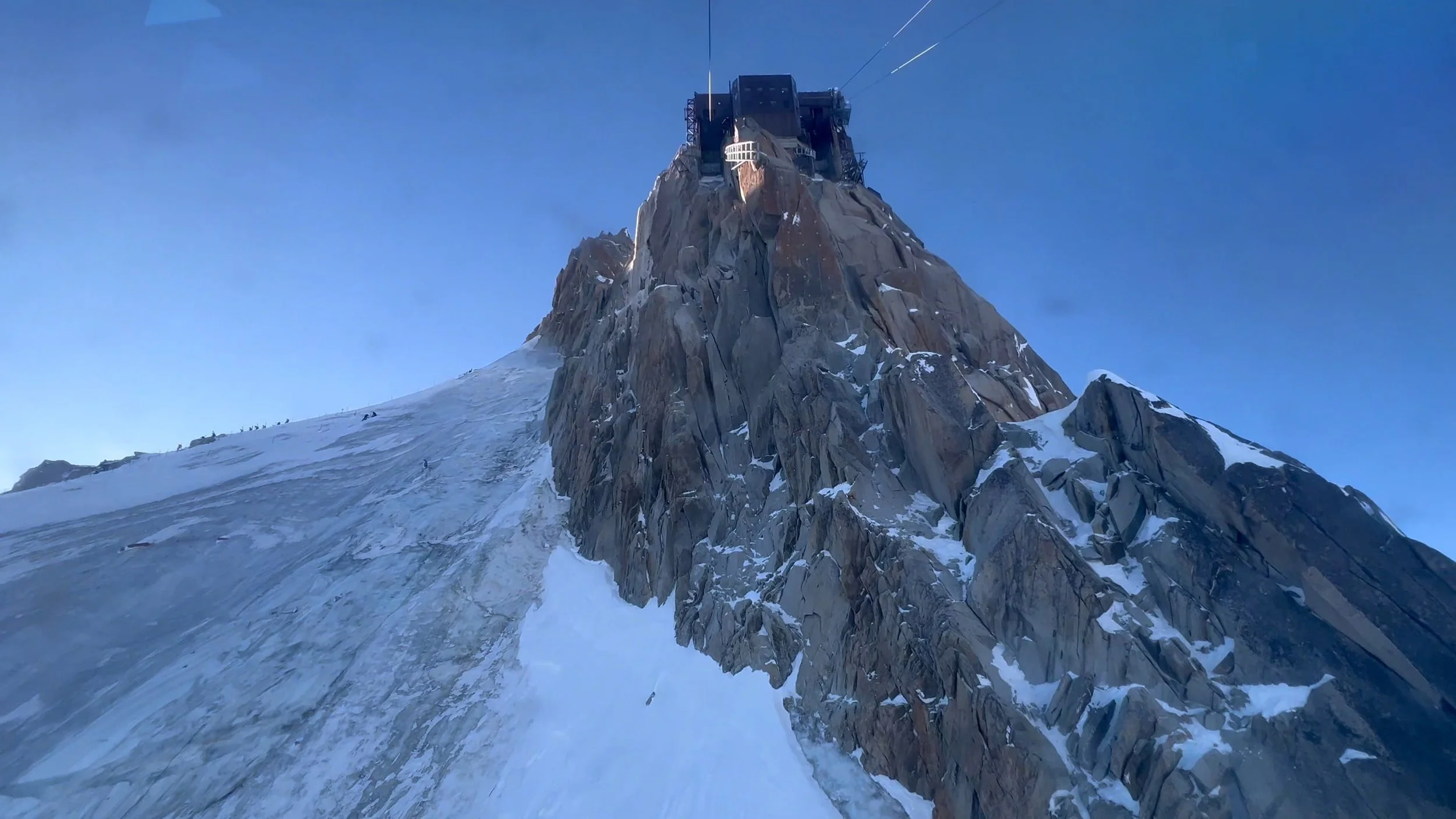
The Aiguille du Midi cable car runs from downtown Chamonix to the start of the Vallée Blanche.
Crowds
Lift lines vary by area, but the valley can get quite busy at peak times. During Western European school vacation periods, which usually include the December holidays and a few weeks in February, the areas closest to town can get especially packed. Thanks to its entry point directly in town, Brévent sees the biggest crowds at busy times, while the interconnected Flégère and intermediate-focused Le Tour can get pretty hectic too. Chamonix also lacks lift redundancy, so if you end up in a bad line to get from one area to another, there’s little to do but wait it out, and since the valley runs from Brévent and Flégère are rarely open, expect waits to download the gondolas at the end of the day as well. Apart from a dedicated ski school line, lift line management is essentially nonexistent, so you pretty much have to fight for your spot. Outside of peak periods, lift lines are rarely an issue.
Facilities
Chamonix’s on-mountain facilities will generally impress visitors from across the pond, but its lodges and restaurants aren’t quite as exceptional as those of some competitors. Facilities are well placed at most areas, but reaching them can take a bit of planning, and since many restaurants are locally owned, they aren’t open every day of the season. The biggest frustration comes at Brévent, where it can take up to two lift rides to reach the nearest lodge.
Navigation
Getting around Chamonix’s individual ski areas is generally easier than at its big-name competitors, largely thanks to their smaller size. Signage isn’t perfect, and certain areas, especially at Brévent and parts of Les Houches, could use more trail maps, but it’s a lot clearer and more intuitive than at many competitors, and after a day or two it’s pretty straightforward to find your way. For low visibility, every trail is lined with poles colored by difficulty, with slightly different designs on the left and right sides, and numbered signs along each piste show how far you are from the bottom.
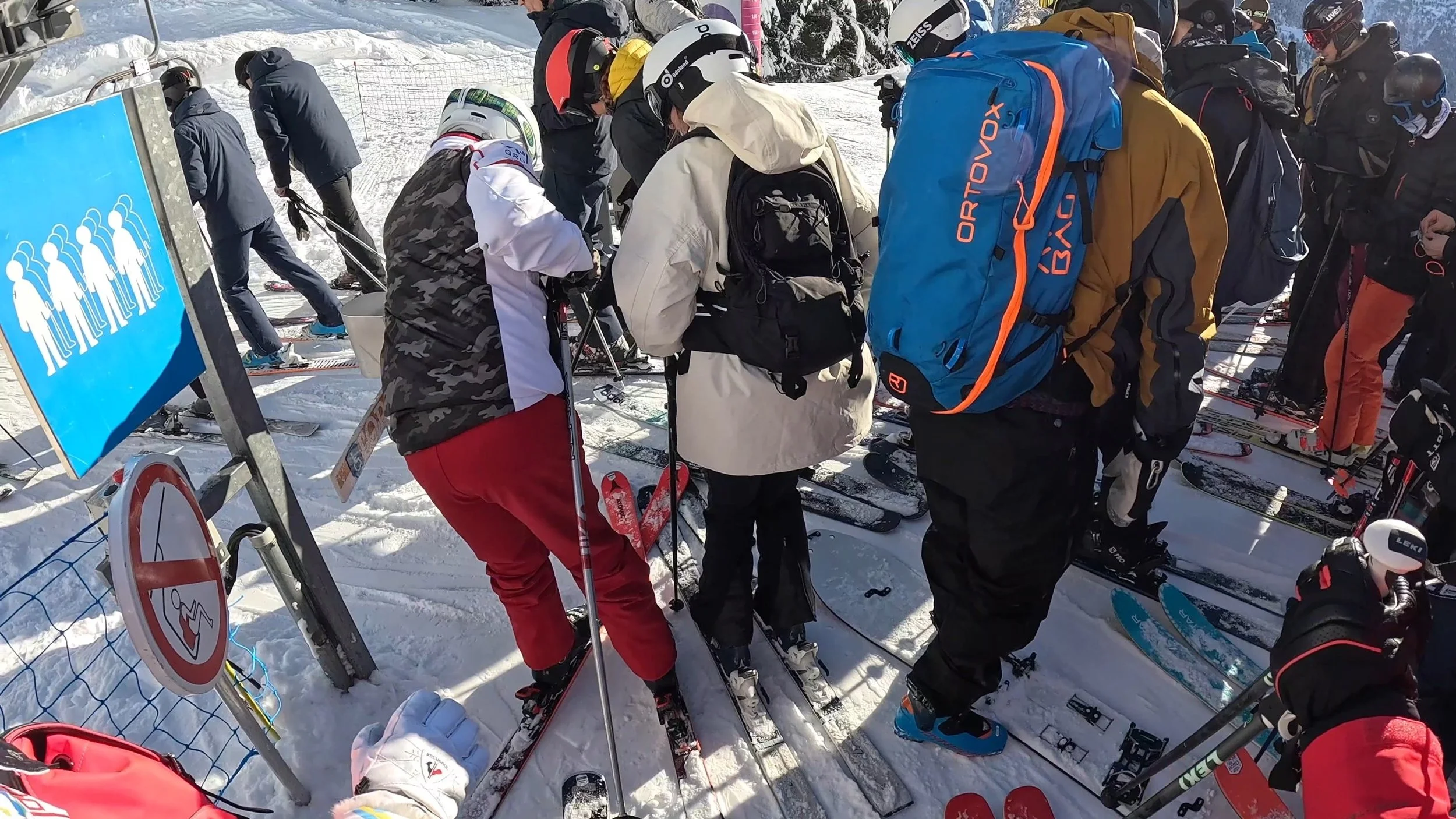
Lift line management is essentially nonexistent in Chamonix, so busy periods mean fighting for your spot.
Getting There
Most guests will want to fly into Geneva, about an hour and a half away by road. Public bus service runs from both the airport and downtown Geneva, and tickets are very cheap by ski town standards. Chamonix is also served by train, which provides convenient access to and from parts of central Switzerland and can be a great option for anyone also visiting resorts in the Swiss Alps. You can take the train directly between Geneva and Chamonix, but it’s both more expensive and slower than the bus.
Lodging
Downtown Chamonix and the surrounding valley towns are home to an extensive selection of lodging, although accommodations can book up at peak times. Options range from budget hostels (some of which don’t even provide sheets or towels) to ultra-luxury five-star hotels downtown, and larger groups can find a range of home rentals throughout the valley. If you’d rather not sort out lodging on your own, our PeakHouse Chamonix trip includes six nights in a ski lodge with hot tubs and fireplaces, plus vehicles to reach each ski area.

Recommended intermediate board

Recommended advanced board

Recommended expert board

Recommended touring board
Après
Largely because the ski areas aren’t integrated with downtown, Chamonix’s on-mountain après scene isn’t as extensive as at some other European resorts. Still, every area has some post-slopes fun, with bars at most on-mountain establishments, outdoor seating for soaking in the sun, and low-key but enjoyable venues at the bases.
While the ski areas aren’t the liveliest on the continent, Chamonix is one of the most spectacular ski towns in Europe. Unlike many competing ski towns, which were built specifically to attract tourists, Chamonix is an authentic settlement with a large year-round community, which makes for a more down-to-earth vibe. A range of bars and restaurants offer great happy hours and fantastic food, from casual beer joints and hole-in-the-wall kebab shops to Michelin-star restaurants, and given how close the town is to the Italian border, it has some incredible pizza. For dancing and live music, plenty of venues stay open well into the night. L’Amnesia is the one true large nightclub, while the La Folie Douce hotel hosts free dance, music, and improv performances in its public spaces every night.
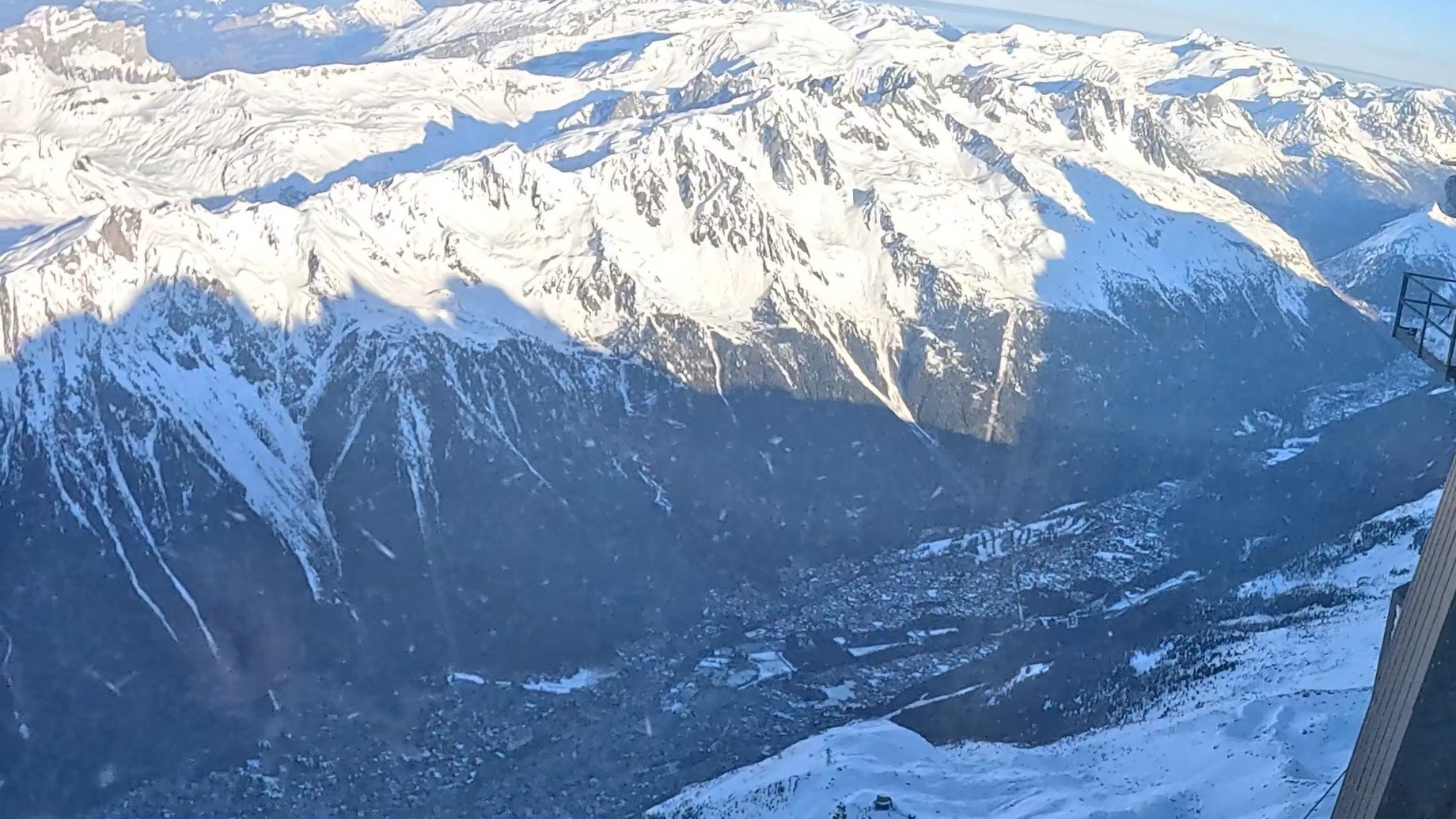
Downtown Chamonix sits in a narrow valley surrounded by some of the tallest mountains in the Alps.
Pass Partnerships
Chamonix-Mont-Blanc has grown in popularity with Americans in recent years, in large part because it’s included on both the Ikon and Mountain Collective Pass suites. Full Ikon Pass holders get seven days shared across Grands Montets, Les Houches, Le Tour, Brévent, and Flégère, while Ikon Base Pass holders get five (there are no holiday blackouts).
Mountain Collective holders get two days on a separate Chamonix Valley pass. This pass includes access to the Les Planards beginner area, Aiguille du Midi tram, Montenvers train, and Tramway du Mont Blanc cog railway, none of which are included on the Ikon Pass. Mountain Collective holders have to exchange their purchase confirmation for that pass at a Compagnie du Mont-Blanc or Les Houches ticket office, since the physical pass doesn’t work in Chamonix. These passes are really only worth it if you’re also planning a week or more at resorts in North America.
Mountain Aesthetic
No matter which area you visit, Chamonix’s biggest strength is probably its scenery. The box-canyon layout, exceptional mountain prominence, and iconic jagged peaks make for striking landscapes in every direction, and it’s hard to overstate just how beautiful Mont Blanc is, with a combination of glaciers, rock formations, and sheer height that makes for a one-of-a-kind sight. Every ski area offers views of the town and its outskirts, and the way the town fits into its alpine surroundings, with building lines following the foothills, is quite a sight to behold.
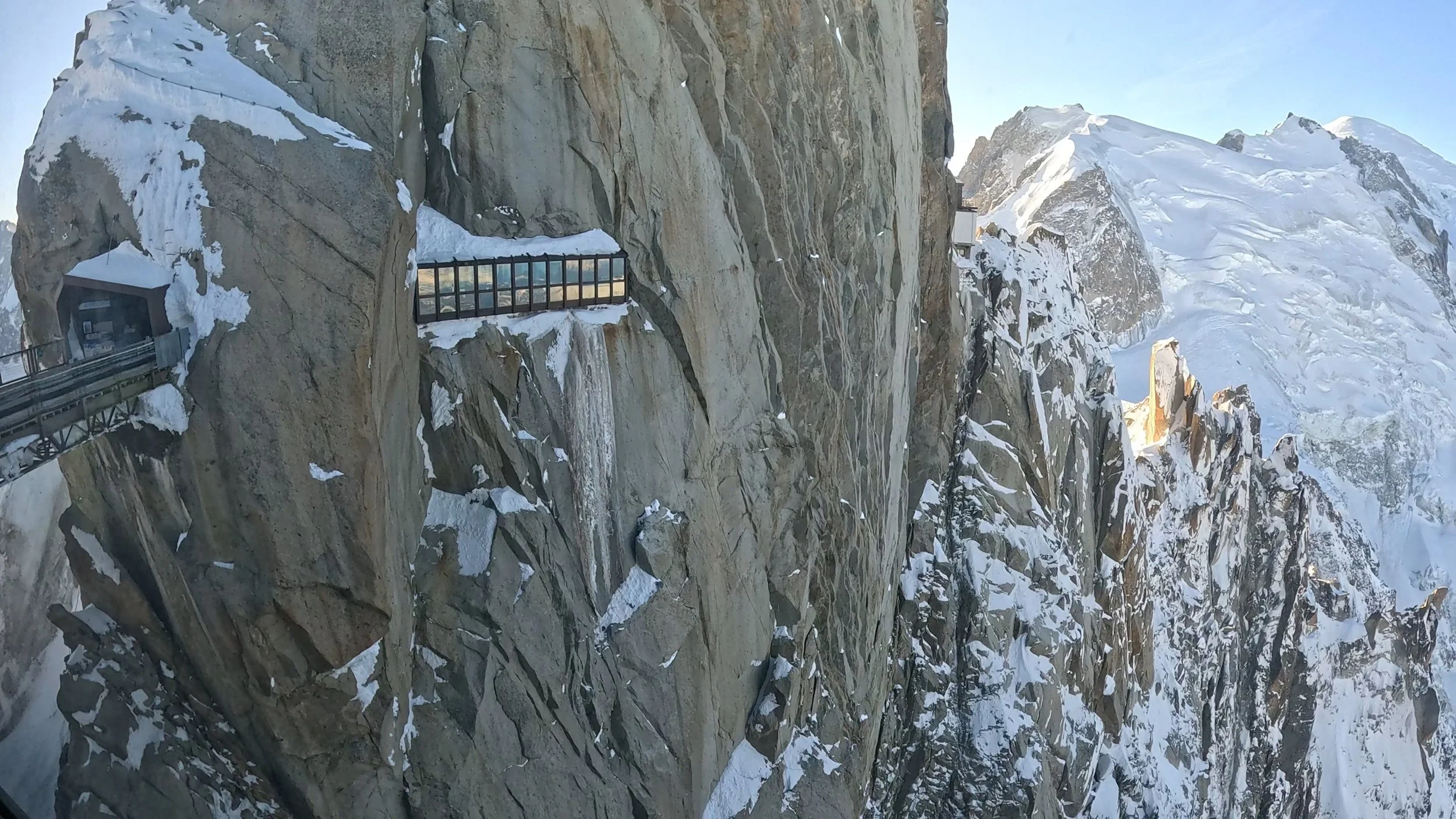
With glaciers and jagged granite peaks in every direction, Chamonix’s scenery is about as dramatic as skiing gets.
Verdict
Chamonix-Mont-Blanc isn’t for those looking for the biggest skiable footprint or the nicest restaurants, and families looking for a European destination with seemingly endless slopes may want to look elsewhere. But if you want to ski or ride some of the most stunning slopes in the world and love mogul terrain, few destinations can match it. Brévent/Flégère, Le Tour, and Les Houches aren’t the most compelling destinations on their own, but they complement each other well, and once Grands Montets’ summit lift is replaced, it could become even more competitive than it is now.
Pricing
Chamonix lift tickets are a bit pricey for Europe, but they’re still a steal compared to North American resorts. For 2026-27, a peak-season adult day on the Mont Blanc Unlimited pass, which covers every ski area, the Aiguille du Midi, and the valley’s mountain railways, is listed at €104, while the Chamonix Le Pass, which skips Les Houches and the highest lifts, is €76.50, and a Les Houches day ticket is €60. Lift tickets and pass products don’t include ski patrol rescue coverage, so on-mountain insurance is an extra add-on.