Introduction
When you think of skiing in Japan, you probably think of incredible snow and quirky lifts. But what if we told you that Japan's influence on the North American ski industry once went far beyond attracting visitors to its own mountains?
Yes, that’s right. Not too long ago, Japanese investors made a serious effort to control destination resorts in the United States. And at one point, the country’s investors owned ski resorts across effectively every important ski state, using that control to bring about significant investments and consequences for the way the North American ski world operates today.
So how exactly did this Japanese ski resort ownership bubble come about? What did it look like at its height? And what exactly caused it to disappear, to the point where essentially no ski resorts in the United States are owned by Japanese investors today?
In this piece, we're going through the shocking history of Japan's involvement in North American ski resorts, and how an investment boom that most winter sportsgoers have never heard of paved the way for the ski industry we know today.
Let's jump into it.
Japan Skiing’s Beginnings
To understand why the Japanese expanded their ski holdings into the U.S. and Canada in the first place, we need a little bit of background. Skiing had existed in Japan since the early twentieth century, but the industry that would eventually produce these overseas buyers was really built in the decades after World War II.
By the 1960s and 1970s, skiing had become a major recreational business in Japan, just as it had in North America and Europe, and some of Japan's largest hospitality companies were investing heavily in the industry. The bulk of the action was in the Nagano region of the main island of Honshu, as well as up in the north island of Hokkaido.
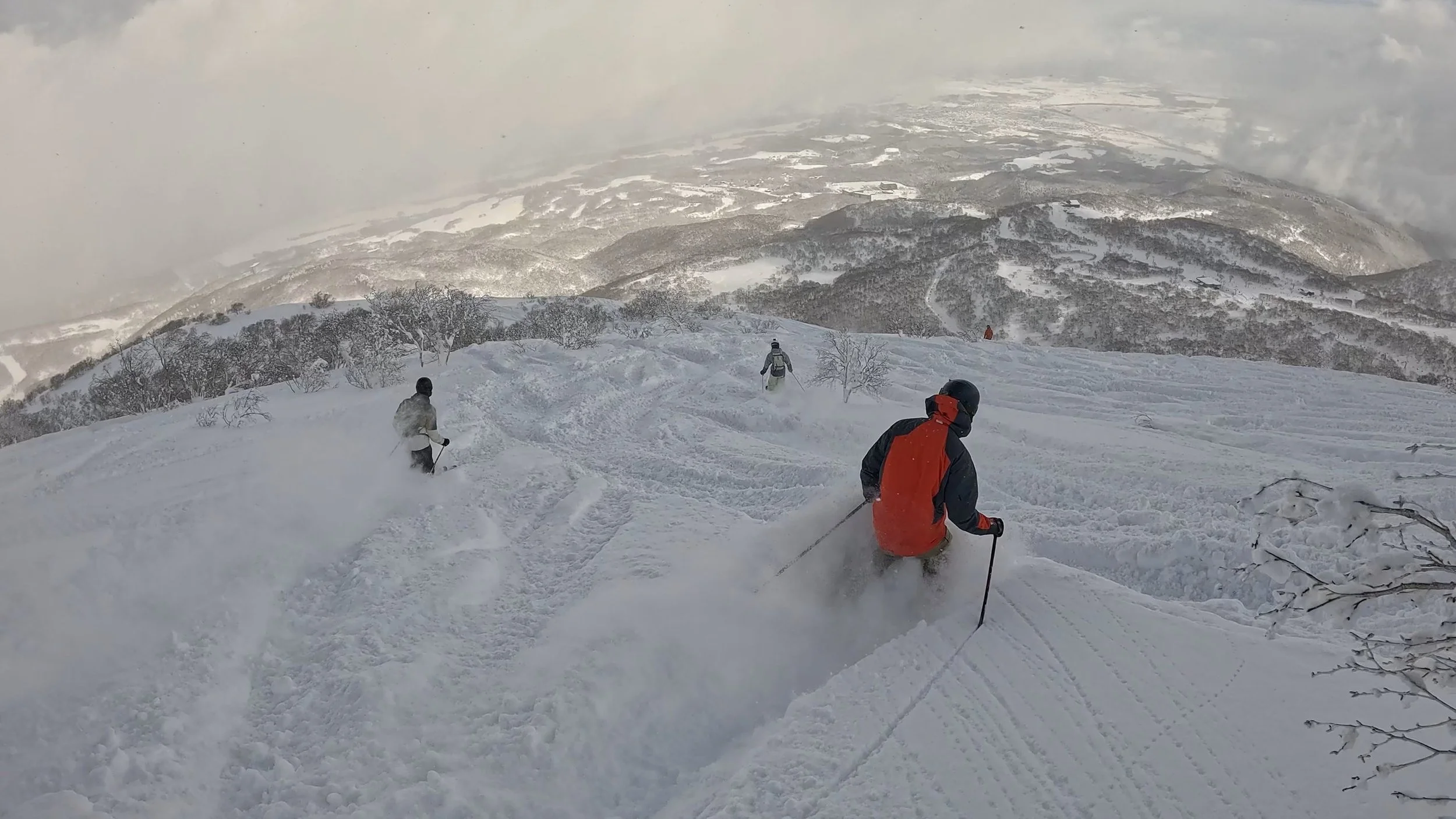
By the 1960s and 1970s, skiing had become a major recreational business in Japan.
The industry's growth was also supporting Japanese lift manufacturers. Nippon Cable grew substantially in the 60s, and by 1977, it entered a partnership with Austrian lift manufacturer Doppelmayr that allowed it to produce world-class machines. Mountain communities across Japan were increasingly reorganizing themselves around winter tourism, pretty much wherever snow existed.
And Japanese skiers were not staying home. Resorts overseas had already begun actively courting them, with Sun Valley, Idaho, for example, developing a sister-mountain relationship with a similarly-named segment in the sprawling Shiga Kogen complex.
By the end of the 1970s, Japan already had companies with decades of experience developing and operating ski resorts. And one of those companies was about to take its experience overseas.
The Original American Foothold
Before getting into the first breakthrough in Japanese-American resort ownership, we need a bit of background on the company that initiated it.
One of the most notable players in the Japanese resort world was the Seibu group, which opened its first onsen ski resort in 1956, followed by much larger acquisitions through the 60s and early 70s. Perhaps the most notable of these was Furano, where it combined the Furano and Kitanomine ski areas by lift and trail connection and opened a new hotel in 1974. By this period, the company also owned part of Shiga Kogen, another large Japanese resort in Honshu.
And in 1980, they decided to break into the U.S. market with the country’s first foothold, which was in a much more remote place than one might expect. That resort was Alyeska, Alaska.
At the time, Alyeska was owned by a rather unusual company for a ski resort: Alaska Airlines. The airline had taken over operations in 1967 and purchased the mountain outright in 1970, hoping to develop it into a major tourism destination. During its ownership, Alyeska expanded its lift network, added lodging facilities, and hosted major international ski races. But funding these improvements had been a challenge, with federal airline regulations limiting how much Alaska Airlines could invest in the resort.
Then, in 1978, Congress passed the Airline Deregulation Act, opening up substantial new opportunities for Alaska Airlines to expand its business. But rather than putting more money into the resort, it was suddenly much more attractive to expand its route network and pursue growth in markets it had previously been restricted from entering.
But to really optimize that route network, Alaska Airlines would need every penny it could get. At the same time, Alyeska GM Chris von Imhof was beginning to sour on existing leadership and began looking for another investor.
He eventually found one in Japan. After Seibu’s leader, Yoshiaki Tsutsumi, personally visited Alyeska, the Japanese company purchased the resort in 1980.
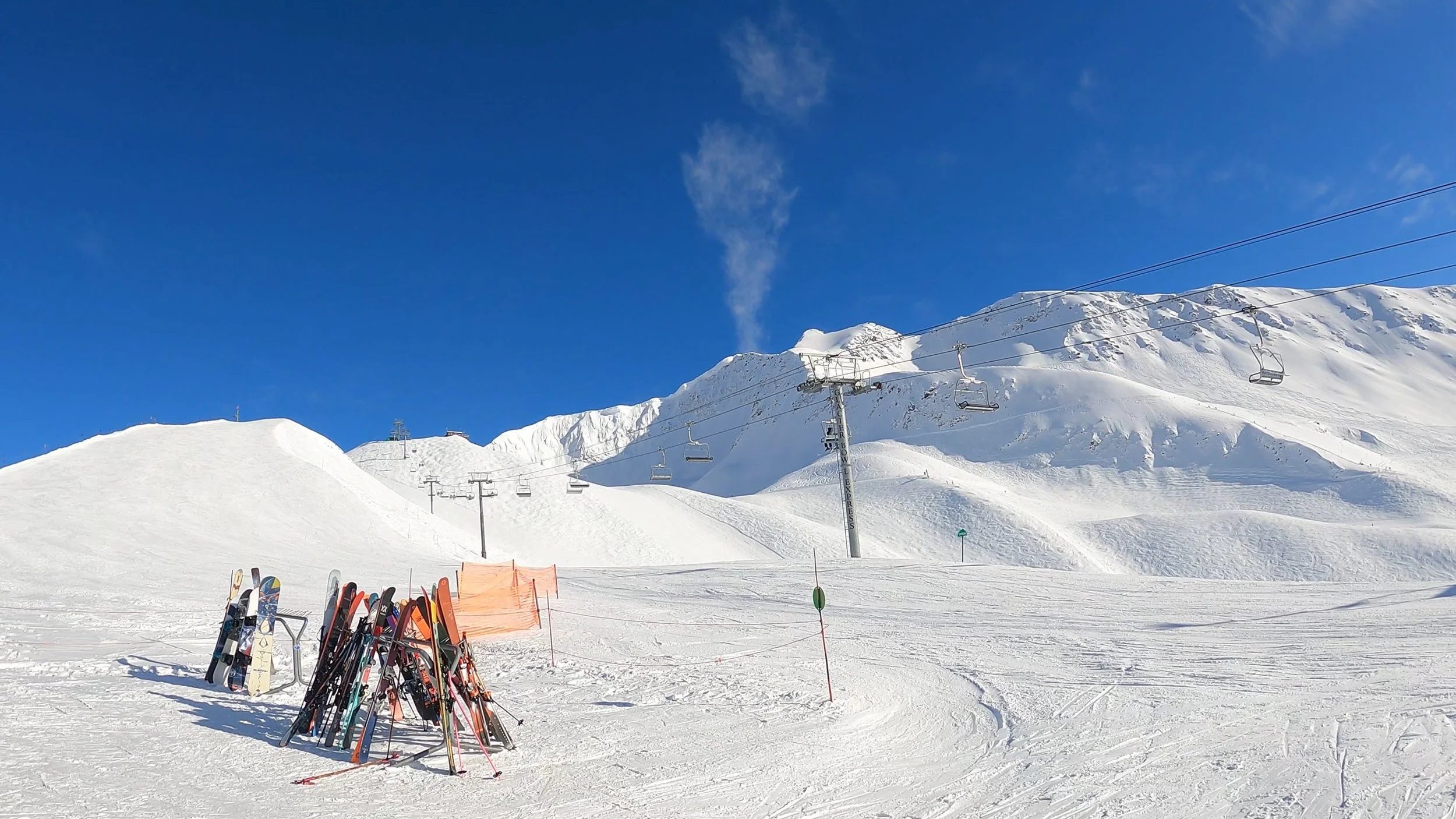
Seibu purchased Alyeska from Alaska Airlines in 1980.
But was the Alyeska investment and the unique circumstances behind it a one off? For a long time, it certainly seemed that way. For the first half of the 80s, there were no additional developments in comparable Japanese companies taking over North American ski resorts.
But that would soon change. And one major economic development in 1985 would be the catalyst for it all.
A Massive Economic Gift
On September 22, 1985, the finance ministers of the United States, Japan, West Germany, France, and the United Kingdom signed what became known as the Plaza Accord. The agreement was designed to bring down the value of the U.S. dollar relative to other major currencies, including the Japanese yen.
For Japanese companies interested in buying American businesses, this was a huge development. Around the time of the agreement, one U.S. dollar was worth roughly 244 yen. By August 1986, it was worth just 153 yen. So if an American ski resort had been valued at $100 million, a Japanese company would have needed 24.4 billion yen to buy it in 1985. Less than a year later, assuming the dollar price stayed the same, that exact same property would have cost only 15.3 billion yen.
And with American assets suddenly much cheaper for Japanese buyers, a number of other Japanese companies began looking seriously at the U.S. ski industry.
The first big development came in 1988, when Japanese sporting-goods retailer Victoria purchased Breckenridge, Colorado, which had just surpassed a million skier visits in a single season. At the time, Breckenridge was owned by the Aspen Skiing Company, which had been shifting its attention toward its core Aspen-area resorts under the leadership of billionaire Marvin Davis and his investment partners. In fact, some Breckenridge locals reportedly welcomed the sale, believing that Aspen had long treated their mountain as a secondary priority.
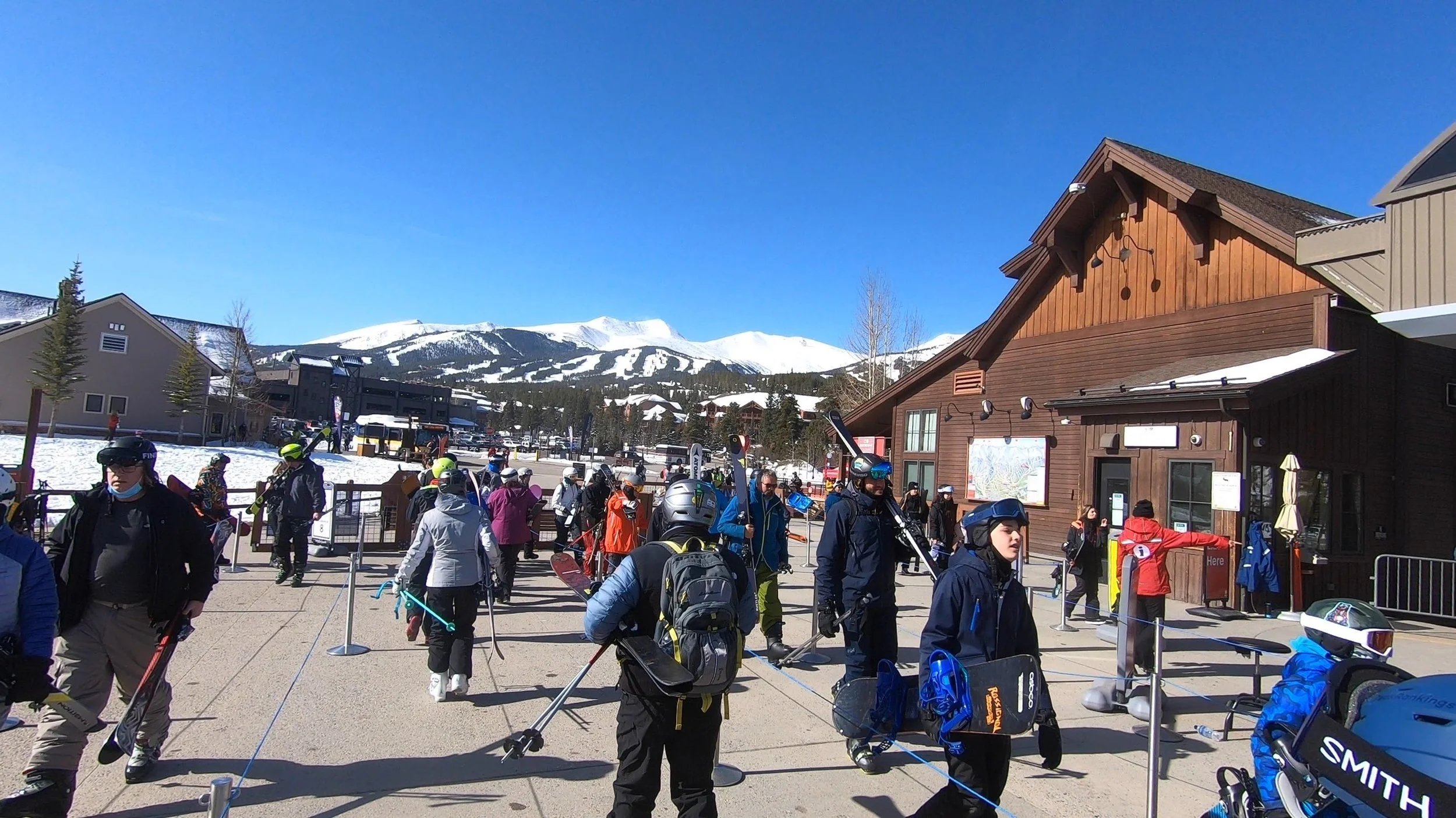
Breckenridge had just surpassed a million skier visits in a single season when Victoria bought it in 1988.
For Victoria, which already had a substantial business selling ski equipment back in Japan, acquiring one of America’s biggest ski resorts provided an opportunity to get into the resort business itself, and seemingly a more attractive one than doing so in the Japanese domestic market. And Victoria wasn’t done. Just a year later, it purchased Stratton in Vermont, another well-established destination resort, giving the company a presence on both sides of the country.
Around the same time, another Japanese company was making major acquisitions of its own. Kamori Kanko was a Hokkaido-based tourism operator that had taken over Rusutsu in 1981, subsequently adding an amusement park, hotels, and golf facilities to turn it into a year-round destination.
In 1989, Kamori purchased Steamboat in Colorado for a reported $110 million. The resort had been put up for sale by eight American investors brokering through big-at-the-time bank Salomon Brothers. For Kamori, Steamboat offered a chance to bring its experience developing year-round attractions to an established American destination, with the company expressing particular interest in expanding the resort’s summer business.
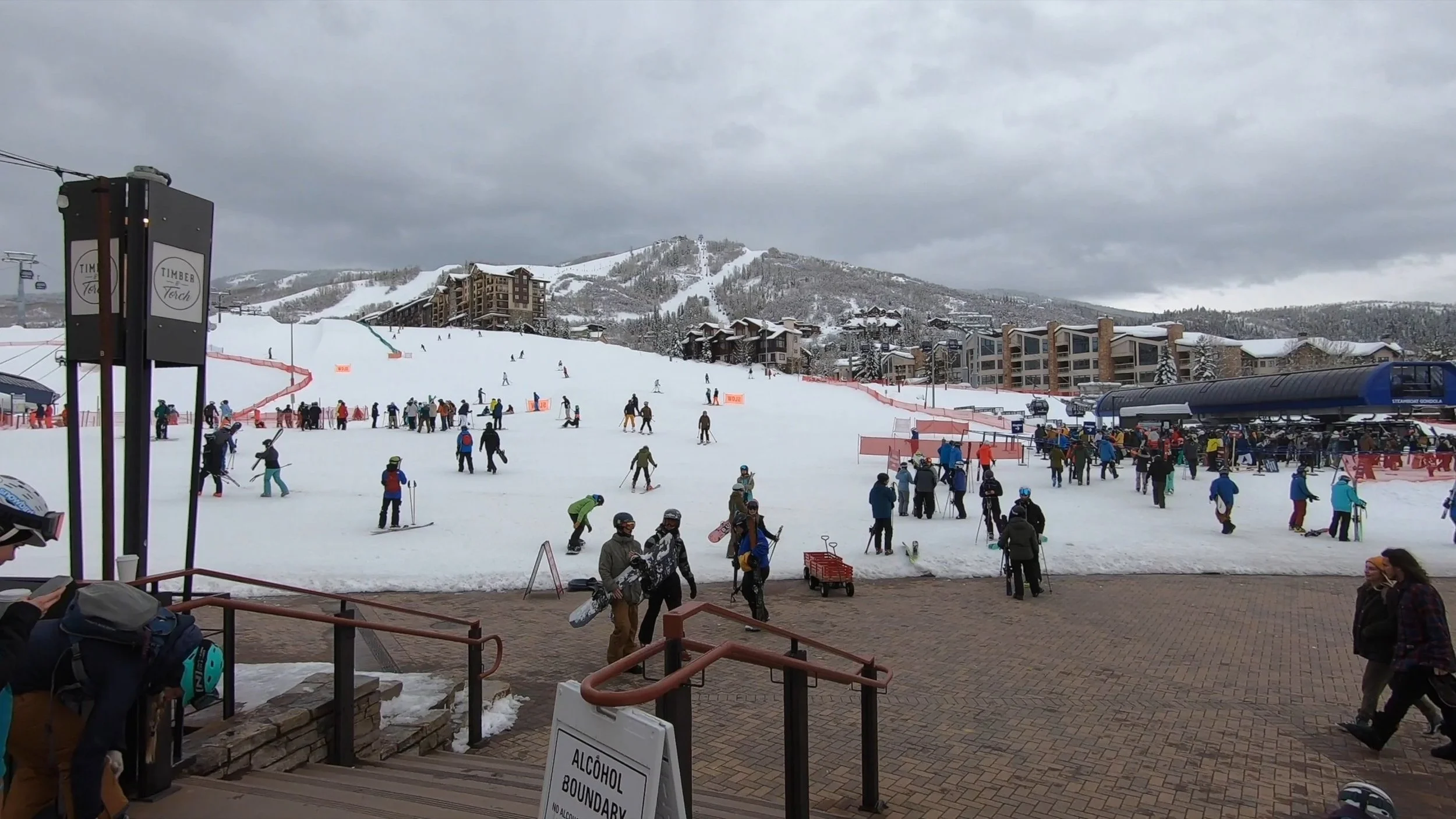
Kamori purchased Steamboat for a reported $110 million in 1989.
Just a year later, Kamori purchased Heavenly on the California-Nevada border from the Killebrew family, which had controlled the resort for decades.
The family had previously faced serious financial difficulties following several poor winters, but by the late 1980s had successfully turned the business around. With the resort back on solid financial footing, the family now had an opportunity to sell rather than risk going through that kind of financial turmoil again. Kamori bought Heavenly in 1990, with Bill Killebrew agreeing to stay on as general manager.
So within just a few years, Japanese companies went from owning one American ski resort to five. And as the 1990s began, Japanese investment was spreading to several other North American ski destinations as well.
The Continental Expansion
At the turn of the decade, Japanese investment evolved to no longer be limited to the biggest destination resorts. It was now also reaching considerably smaller mountains, including some with pretty troubled financial histories.
The first example was Snowshoe in West Virginia, which had spent much of the 1980s battling financial problems. After entering bankruptcy, the resort ended up under the control of eight lending institutions in 1986, which had taken ownership primarily to protect their investments. The lenders weren’t particularly interested in operating a ski resort themselves, and were looking for someone to buy it.
That buyer arrived in 1990, when Japan’s Tokyo Tower Development purchased Snowshoe for a reported $20 million. The company was associated with the famous Tokyo Tower tourist attraction and already operated golf courses, marinas, and other recreational properties in Japan. It hoped to turn Snowshoe into a more successful year-round destination, with plans to reinvest the resort’s profits into additional development.
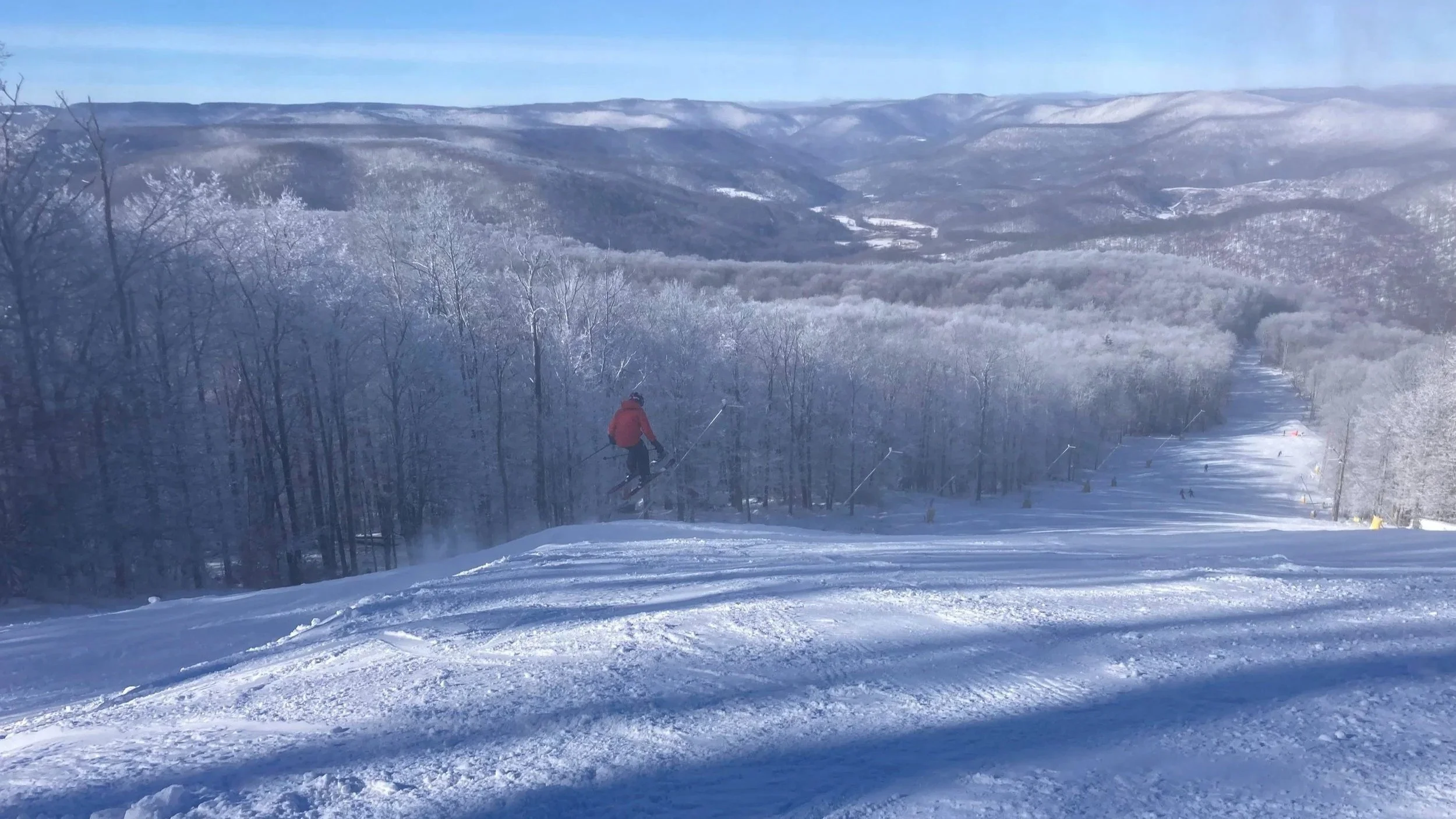
Tokyo Tower Development purchased Snowshoe for a reported $20 million in 1990.
Another unusual acquisition happened that same year at Monarch Mountain in Colorado. The mountain had gone through bankruptcy following the legal troubles of its former owner, Gerald Rogers. Japanese businessman Hidiuki Nakamura saw the resort as a strong investment and decided to take control of it.
But Japanese investors weren’t exclusively buying existing ski resorts. Down in Pennsylvania, Japanese financing helped support the construction of an entirely new ski area. The approximately $30 million project resulted in Whitetail ski resort, which opened in 1991. It was designed to attract skiers from the Washington, D.C., and Baltimore metropolitan areas, with a high-speed quad lift, extensive snowmaking, and unusually elaborate facilities for a regional ski resort.
Meanwhile, Japanese investment was beginning to make its way into Canada. In April 1992, Nippon Cable, that same successful lift manufacturer we mentioned earlier, purchased Tod Mountain in British Columbia. In years prior, this fairly remote ski area had struggled to attract the investment necessary to develop into a major destination, but its new owner saw substantial potential. Nippon Cable brought in resort planning firm Ecosign to develop an ambitious expansion plan, and the mountain would be renamed Sun Peaks in 1993.
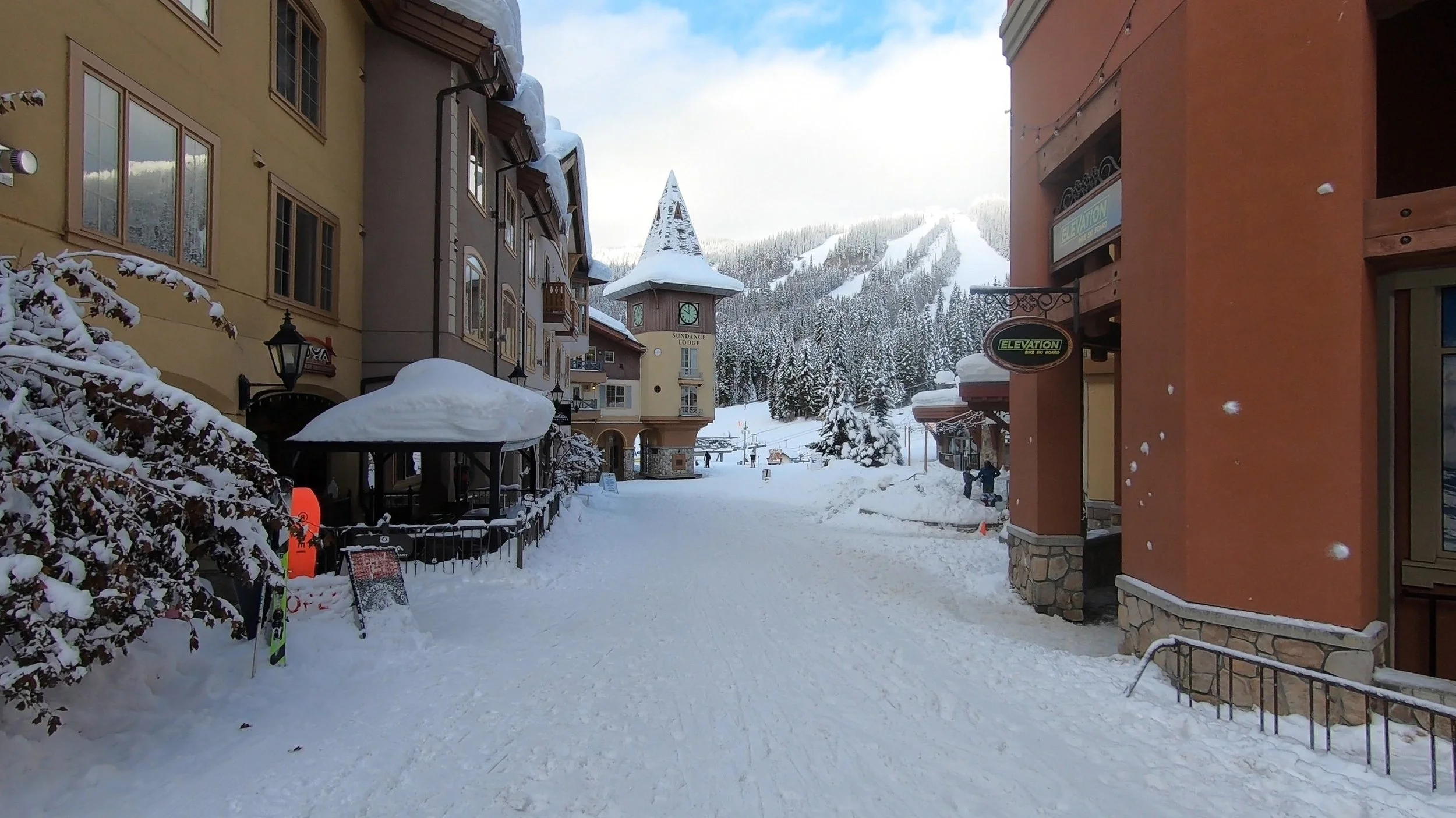
Nippon Cable purchased Tod Mountain in 1992, and the mountain was renamed Sun Peaks the following year.
And Nippon Cable wasn’t done investing in British Columbia. Also in 1992, it acquired a 23% stake in Blackcomb, which was already owned and operated by the Canadian resort company Intrawest. That investment helped finance significant mountain improvements, although Nippon Cable never controlled Blackcomb outright.
There was one more acquisition in West Virginia. Following its purchase of Snowshoe, Tokyo Tower Development reached an agreement to acquire the neighboring Silver Creek ski area, with the transaction completed around 1993. That gave the company two separate but neighboring ski resorts under the same ownership.
By 1993, Japanese investors had acquired controlling interests in at least nine ski areas across the United States and Canada, spread across eight resort businesses. And that doesn’t include investments like Blackcomb, where Japanese companies held minority stakes, or Whitetail, where Japanese financing helped establish a new mountain.
These investments varied substantially, with some involving major destination resorts, others involving smaller mountains, and a wide range of corporate structures ranging from one-off investments to small umbrellas of multi-resort ownership. By this time, Japanese-based companies now collectively owned more North American ski resorts than entities from any other foreign continent in history.
But with Japanese control over all these new mountains, what did it actually mean for the experience of skiing at them?
Japanese Ownership Impacts
For the most part, it didn’t mean Japanese workers were physically on the slopes themselves. The mountains continued operating under their existing local management teams. But at several of these mountains, the new owners began pouring money into major infrastructure projects.
Take Alyeska, for example. Seibu’s long-term development plans finally came to fruition in the early 1990s, with the opening of the resort’s aerial tram in 1992, followed by a massive new destination hotel in 1994. The projects gave Alyeska a much stronger lodging and hospitality offering, with guests able to stay directly at the mountain and access upper-mountain terrain from the hotel area.
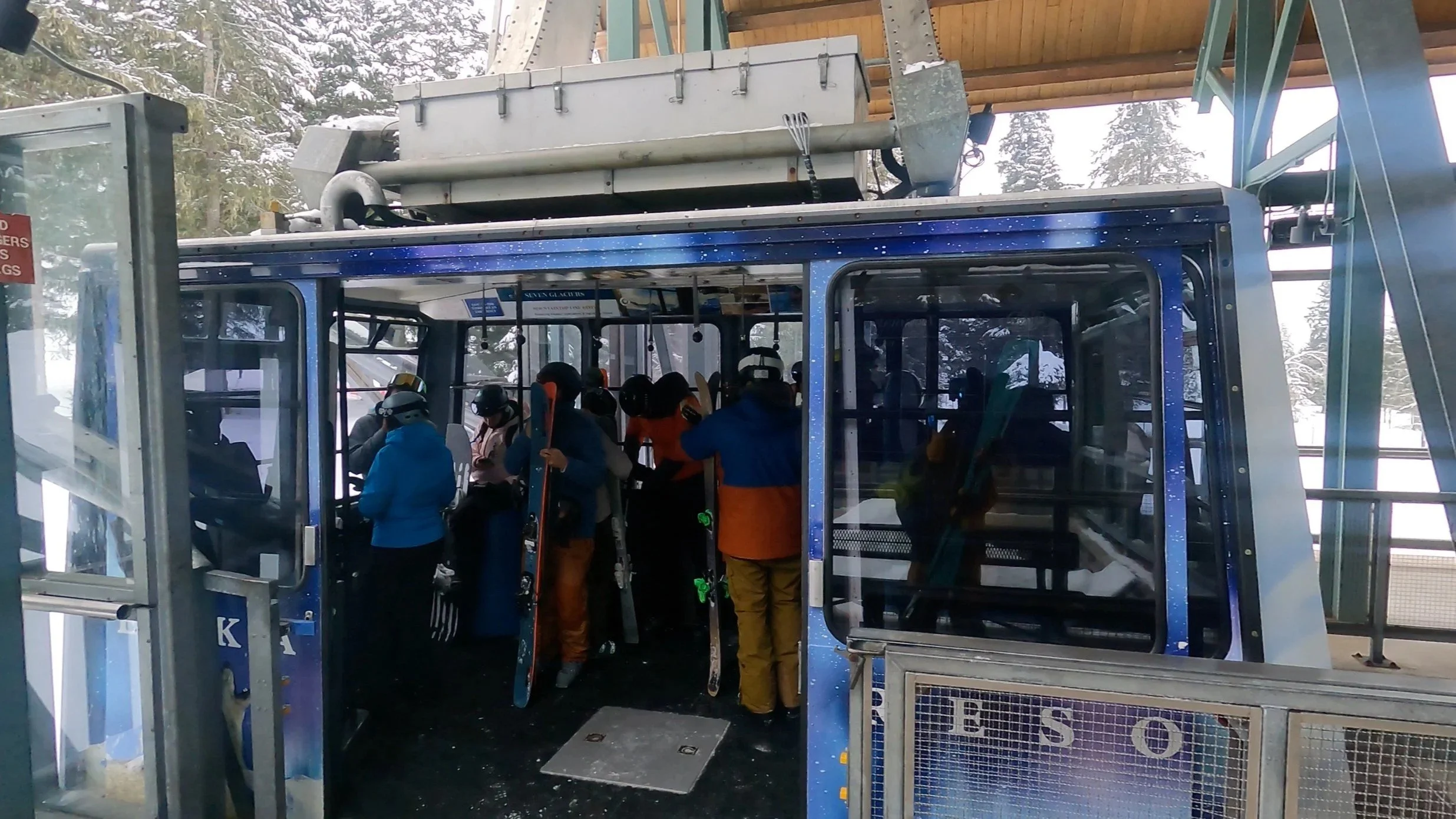
Alyeska’s aerial tram opened in 1992 under Seibu’s ownership.
Under Victoria’s ownership, Stratton saw substantial terrain development. Just months after the purchase went through in 1989, the resort opened its new Kidderbrook pod, adding a new lift along with a handful of new trails, and making it much more direct to get to the summit from the Sun Bowl base. And over at Sun Bowl, it paired all that with a new 12,000-square-foot base lodge.
Breckenridge saw an important lift improvement as well. In 1990, the resort opened what was originally called the Mercury SuperChair, now the Beaver Run SuperChair, replacing the old Lift D with a detachable quad that provided much faster access to Peak 9. The project was jointly funded by the ski area and Beaver Run Resort, and the lift remains a fundamental part of Breckenridge’s network today.
Kamori’s ownership of Steamboat brought even more substantial changes to that mountain. In 1992, Steamboat replaced its Storm Peak and Sundown triple chairs with high-speed quads, the first detachable chairlifts of their kind at the resort. Both originally featured weather-protection bubbles, which were eventually removed after proving problematic in Steamboat’s windy upper-mountain environment. The resort also reconfigured its Four Points lift system, expanded snowmaking, and made improvements around Gondola Square.
But perhaps the biggest addition came in 1996, when Steamboat opened Morningside Park. The expansion brought 179 acres of new terrain and a triple chairlift to the backside of Mount Werner, opening up new skiing options and providing lift-served access, albeit indirectly, back toward some of the resort’s most challenging terrain. By 1997, another 260 acres had been developed at Pioneer Ridge for hike-to skiing and riding (although the Pony Express chairlift serving that area wouldn’t arrive until Kamori had sold the resort). Those projects materially changed Steamboat’s overall mountain experience. The new detachable quads sped up circulation across some of the mountain’s most important upper terrain, while Morningside and Pioneer Ridge opened up skiing and riding on new sides of the mountain (although the design of the Morningside lift also caused some resort flow problems that continue to this day).
Heavenly also received substantial investment under Kamori, especially in its lift network and snowmaking. In 1991, Heavenly installed the Mott Canyon chairlift, allowing skiers and riders to access some of the resort’s most challenging terrain without relying on what had formerly been a snowcat ride out of the canyon. Sky Express followed in 1992, replacing a triple, and two years later, the old Dipper triple was also replaced with a high-speed quad. Parts of the old Dipper were subsequently reused to upgrade North Bowl from a double to a triple.
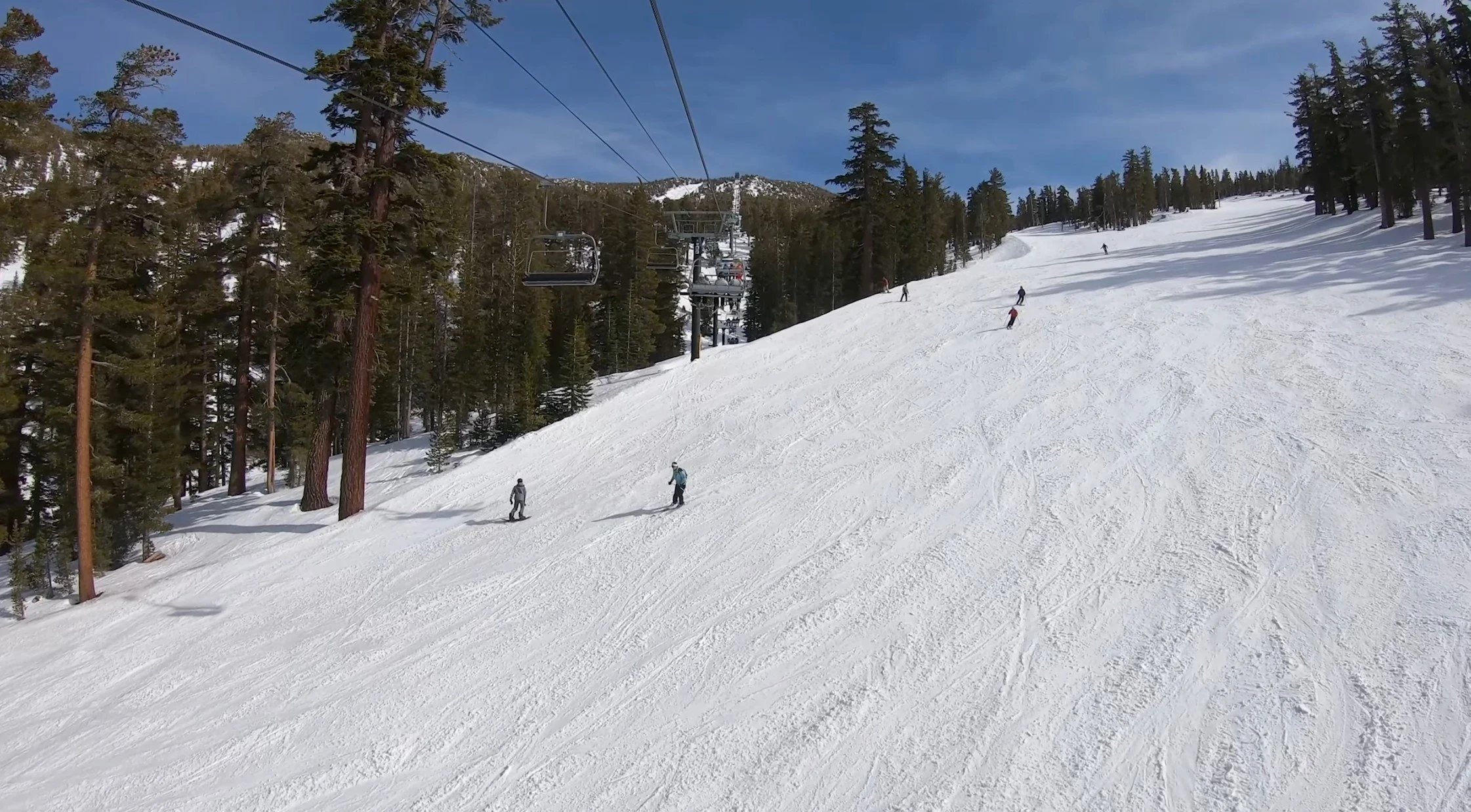
Heavenly’s Sky Express opened in 1992, replacing a triple chair.
Japanese investment also helped finance some substantial improvements in Canada. At Blackcomb, Nippon Cable’s 1992 acquisition of a 23% stake was accompanied by approximately $25 million in funding for new facilities. This included the Glacier Express chairlift, which improved access to the upper mountain’s iconic high-alpine terrain, along with the massive Glacier Creek restaurant. The investment also helped finance the two-stage Excalibur Gondola and Excelerator Express, both of which opened in 1994 and substantially improved access to Blackcomb from Whistler Village.
And Nippon Cable’s other Canadian investment, Sun Peaks, underwent an even more extensive transformation. When Nippon acquired what was then known as Tod Mountain in 1992, the resort was still a relatively modest ski operation. The following year, Nippon Cable invested approximately $12 million in improvements, replacing the old Shuswap double chair with the Sunburst Express bubble lift and developing a new terrain pod on Sundance Mountain. In 1995, the Sundance lift was converted into a high-speed quad and extended farther uphill, opening another 40 acres of intermediate terrain. The expansion continued well into the late 90s and 2000s, including but not limited to a huge walkable alpine village complete with a summer golf course, as well as the development of an entirely new ski pod on Mount Morrisey.
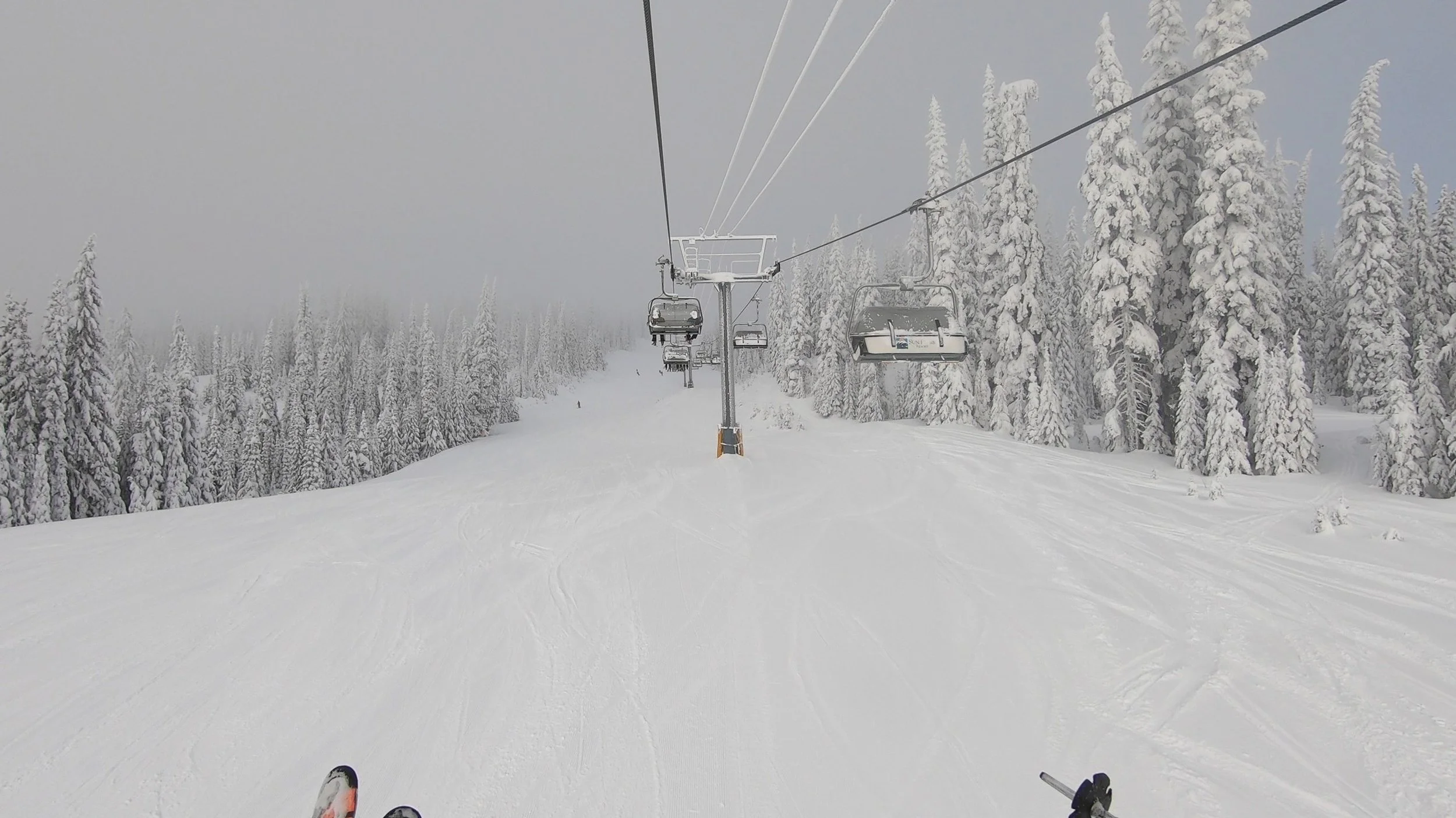
Nippon Cable replaced Sun Peaks’ old Shuswap double chair with the Sunburst Express.
Down in the Mid-Atlantic, Tokyo Tower Development was making serious investments into Snowshoe. During its ownership, the resort installed its first quad chairlift, developed an 18-hole golf course, and acquired neighboring Silver Creek area, combining the two on one lift ticket despite them remaining disconnected by trail network. And there were signs that the strategy was working. Between 1990 and 1995, Snowshoe’s annual revenue reportedly doubled, while annual skier and rider visits increased from roughly 280,000 to a peak of around 400,000. Within just five years, the resort had gone from financial turmoil to a much larger and successful year-round resort business. And of course, the other Japanese-backed Mid-Atlantic resort was Whitetail, which owes its entire existence to capital from that country.
But not every Japanese owner invested at this kind of scale. Monarch in Colorado, for one, saw relatively little capital investment under Nakamura’s ownership, with no new lifts or lodges and most money put towards routine maintenance.
Still, the list of investments completed across these resorts is substantial. Japanese ownership brought new lifts, lodging, terrain expansions, summer golf courses, and entire resort villages to mountains across the United States and Canada.
But despite these massive investments, many of which had clearly started to pay off, something strange was about to happen. By the mid-1990s, most of those Japanese companies would do something very unintuitive for something they’d put so much money into—and had seen substantial success from—and that was beginning to sell.
Japan’s Retreat
So why did so many of these Japanese owners move to offload their North American resort holdings? Especially when most of their resorts seemed to be doing perfectly well or even thriving? Well, the most straightforward explanation is that Japan’s economic situation had changed dramatically since the original buying spree.
With the exception of Alyeska, these acquisitions had coincided with an extraordinary period of rising asset prices, as well as readily available financing in Japan. But that asset bubble would eventually pop, and following a stock-market collapse in 1990, the Japanese economy entered a prolonged downturn. Japan’s domestic ski industry was also starting to struggle, with skier and rider participation peaking in 1993 before beginning a long decline. For many Japanese companies holding ski resorts abroad, the economic downturn really forced them to reconsider their investments.
The first seller was Victoria, the sporting-goods retailer that had purchased Breckenridge and Stratton. Victoria had expanded aggressively into ski resort and real estate ownership during Japan’s bubble, taking on significant debt along the way, and the company felt the need to offload both American resorts to try to reduce its debt burden. The sales went through in 1993 for Breckenridge and 1994 for Stratton, although it wasn’t enough to stave off the company’s eventual liquidation in 2001.
The Japanese-owned selloff then continued with Snowshoe in 1995. In November of that year, Tokyo Tower agreed to sell the newly-combined Snowshoe and Silver Creek for a reported $37 million. Combined with the doubled revenue and significant increase in visitation, one might assume this to be a pretty good return on the $20 million Tokyo Tower had paid for Snowshoe just five years earlier.
However, things got more complicated the deeper one looked. Tokyo Tower had already spent more than $8 million on capital improvements by 1992, much of it on the quad lift and golf course, and that original purchase amount doesn’t take into account the subsequent purchase of Silver Creek, the value of which was never publicly disclosed. And because the Japanese yen had strengthened significantly against the U.S. dollar, the difference between the original purchase price and the eventual sale price was substantially smaller than it appeared in USD. With all these factors taken into account, there’s little reason to assume that Tokyo Tower was selling from a place of strength. Over in Colorado, Monarch’s Japanese owner sold shortly after in 1996.
At least on paper, Kamori’s decision to sell Steamboat and Heavenly in 1997 was driven by somewhat different reasoning than the first few Japanese sales. Rather than being under documented financial duress itself, Kamori found itself in a situation where it was now way more attractive to dump its presence abroad. With the Japanese bubble collapsing, struggling domestic resorts suddenly became available at much more attractive prices. When Kamori sold Steamboat and Heavenly, the company realized approximately 10 billion yen in profit, which it then used to acquire and take over struggling resorts back in Japan.
The final Japanese sale of the decade came in Whitetail, which had never existed without Japanese investment. The resort’s operating model was expensive from the beginning, especially for southern Pennsylvania, and after several unusually warm Mid-Atlantic winters during the second half of the decade, things were looking dire. And despite a profitable 1998-99 season, by the summer of 1999, Whitetail had laid off much of its full-time staff and was facing an uncertain future. The ski area ultimately sold that September to Snow Time, the company behind nearby Liberty and Roundtop, for approximately $11 million.
It is worth noting that new Japanese investment in American skiing hadn’t completely stopped during the 1990s, either. In 1999, Hideo “Joe” Morita, son of Sony co-founder Akio Morita, became an investment partner at Telluride in Colorado, eventually taking full control of the resort in 2001. At the time he did so, he was the only Japanese stakeholder to control a Lower 48 U.S. ski resort. But he certainly did not let the resort languish. Under his ownership, Telluride completed one of the biggest terrain expansions in its history, opening the 733-acre Prospect Bowl with three new high-speed quads, brand-new hiking terrain, snowmaking, and additional facilities. Many of the most iconic resort areas at Telluride, including the grueling two-hour ascent to Palmyra Peak, exist because of his stewardship.

Joe Morita took full control of Telluride in 2001, then put it up for sale just two years later.
But it was only a matter of time before financial woes caught up to Morita. His luxury Arai ski resort in Japan was struggling financially, and other investments struggled after Sony stock collapsed in the early 2000s. In the wake of all these developments, Morita put Telluride up for sale in 2003, despite having invested so heavily in the mountain just a few years earlier. California real estate investors Chuck and Chad Horning entered the business later in 2003, taking control of Telluride in 2004.
And even Seibu, the company that had started this entire Japanese ownership story at Alyeska back in 1980, eventually encountered major financial troubles of its own. By the mid-2000s, the massive conglomerate was struggling under an enormous debt burden, and things only got worse in the wake of a financial reporting scandal related to its railway business. By 2005, the broader Seibu group was forced into a restructuring plan that involved selling hundreds of billions of yen in assets. And Alyeska, despite continuing to generate millions in annual profits, was one of the properties put up for sale. In December 2006, Seibu sold Alyeska to Utah real estate investor John Byrne III, officially ending the ownership relationship that had begun more than a quarter-century earlier.
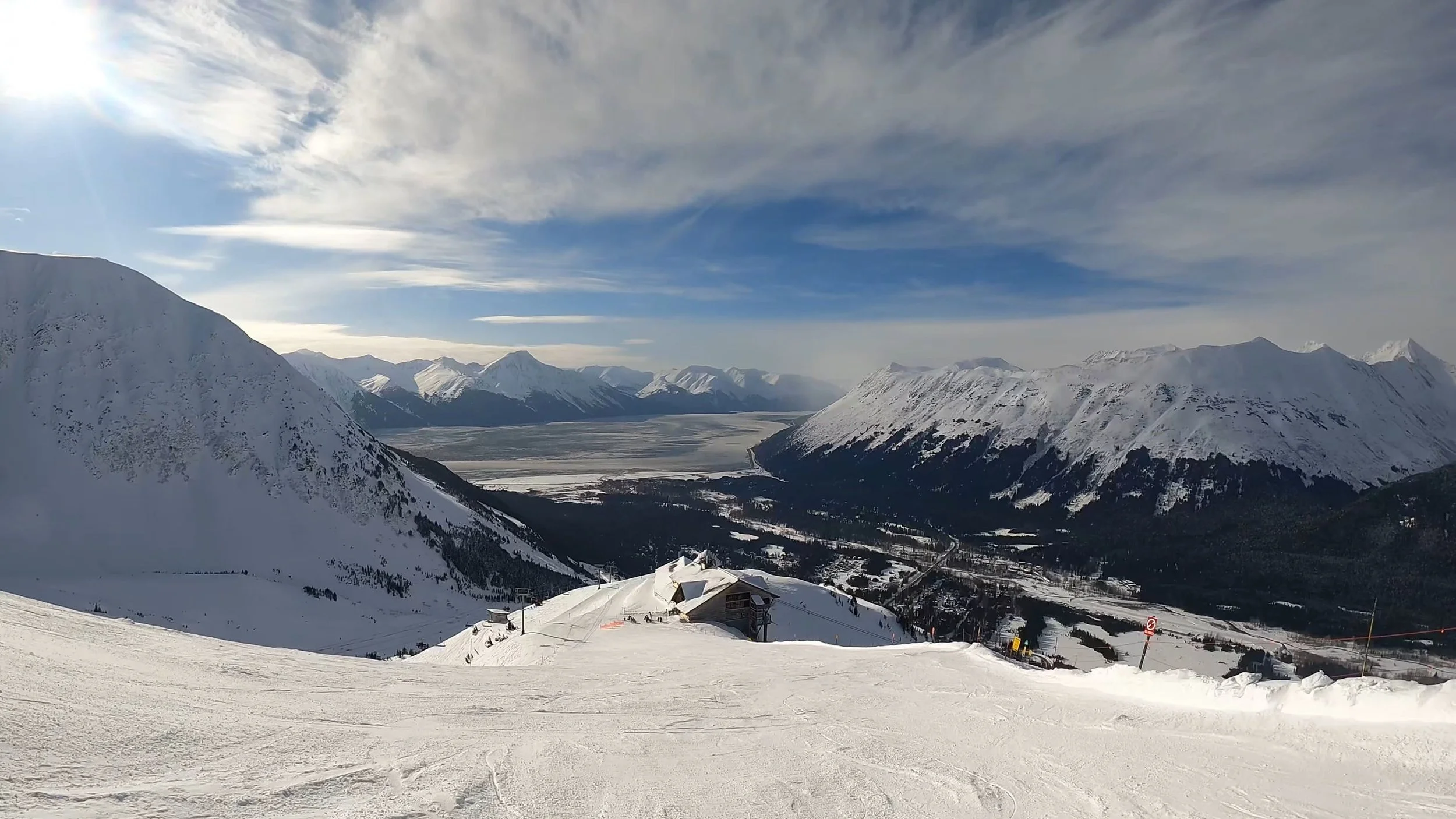
Seibu sold Alyeska to Utah real estate investor John Byrne III in December 2006.
So ultimately, while Japan’s extraordinary economic rise clearly made the country’s American ski resort ownership spree possible, that reversal of fortunes also played a definitive role in bringing the boom to an end.
Japan Brings About Mega Corps
Japan’s retreat had consequences that went well beyond the companies selling ski resorts. As Japanese owners began exiting the American ski industry, a new generation of North American resort operators were aggressively building their own portfolios. And the Japanese fire sales provided perfect pickings.
The first company to make a move was Intrawest. By 1993, Intrawest was already a reasonably-sized player in the Canadian ski market, with a portfolio that included Blackcomb, Panorama, Tremblant, and the now-defunct Fortress Mountain. But the company’s ambitions were way more enormous than that initial Canada-only portfolio would let on. Intrawest hoped to triple the size of its ski business over the following five years, potentially acquiring another half-dozen resorts in the process. And it was ready to pounce on its first acquisitions in the United States.
While Breckenridge was plausibly too large for Intrawest to take a swing at in the early ‘90s, the company was equipped to take hold of a more regional mountain. So when Stratton went up for sale in 1994, Intrawest took the opportunity to buy it, making it the company’s first U.S. acquisition. And when Snowshoe became the next opportunity to expand that network in 1995, Intrawest bit there as well, giving it a substantial presence in the Mid-Atlantic ski market.
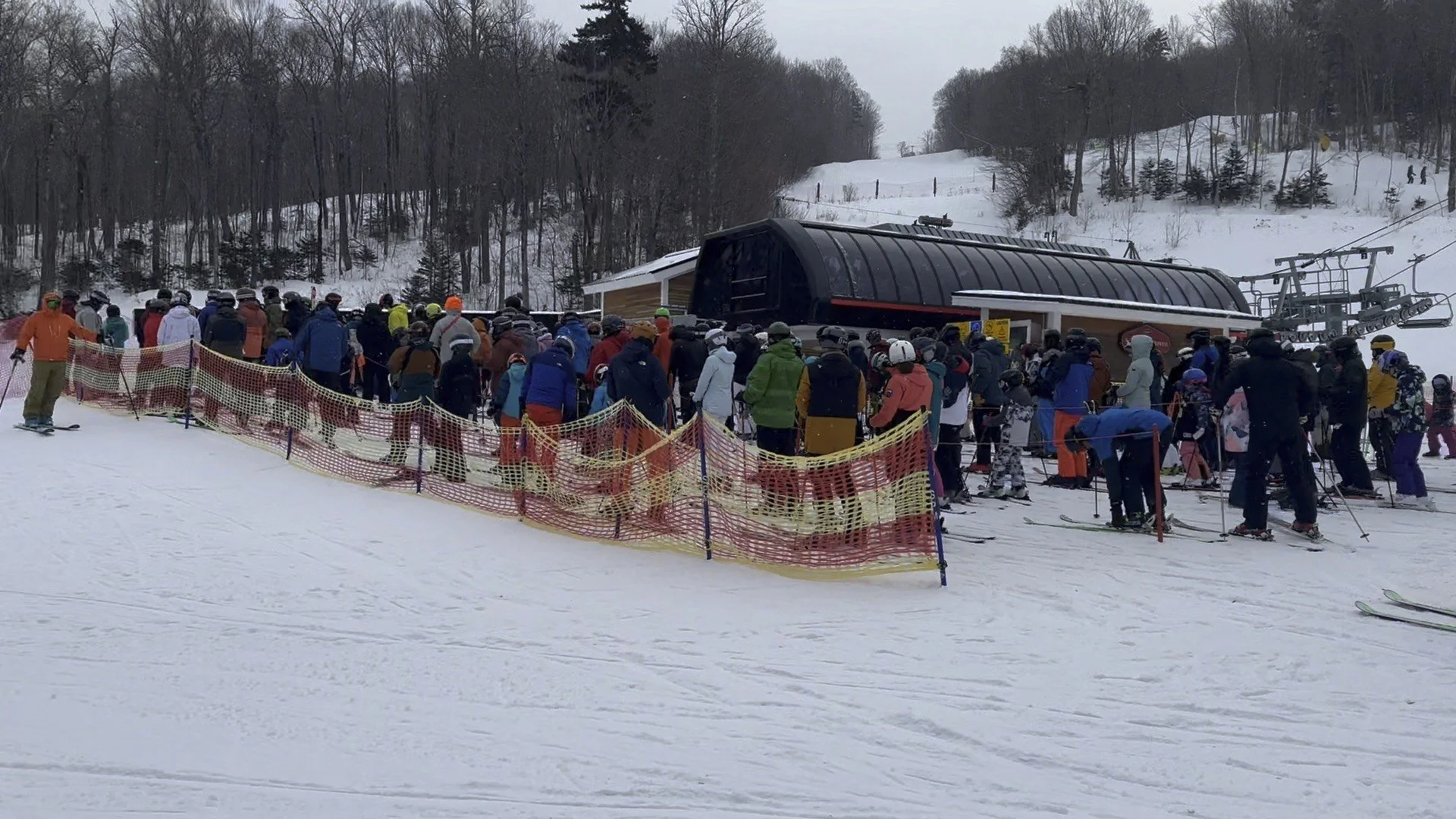
Stratton became Intrawest’s first U.S. acquisition in 1994.
But perhaps an even more ambitious buyer in the North American ski space was American Skiing Company, led by Les Otten. Starting with Sunday River in Maine, the firm’s portfolio had expanded to include Killington, Mount Snow, Sugarloaf, Sugarbush, Attitash, and several other Eastern resorts, and in 1997, they’d just bought what would eventually become the Canyons in Utah, giving them their first Western ski resort as well.
ASC was a very willing buyer of Kamori’s holdings, and Steamboat and Heavenly gave the company two more major Western destination resorts almost overnight. The $288.3 million transaction, which also included a Florida golf property, was large enough to put American Skiing Company among the biggest resort operators in the country. American Skiing Company would also go public later in 1997, as it continued competing with Intrawest and Vail Resorts in the rapidly consolidating ski industry.
No other Japanese-owned ski resorts were sold directly to mega-corporations comparable to ASC and Intrawest, but others followed a more indirect path. Breckenridge passed from Victoria to Ralston Resorts in 1993, but they’d eventually change ownership again, becoming part of Vail Resorts in 1997. And then, ASC and Intrawest wouldn’t survive forever either. American Skiing Company would collapse under the weight of its aggressive business tactics at the beginning of the 21st century, with Heavenly being sold off to Vail Resorts as well, and Steamboat becoming a part of Intrawest. And while Intrawest would continue to exist for another two-and-a-half decades, the company would eventually be acquired by what became Alterra Mountain Company, with Stratton, Snowshoe, and Steamboat still operating under their ownership.
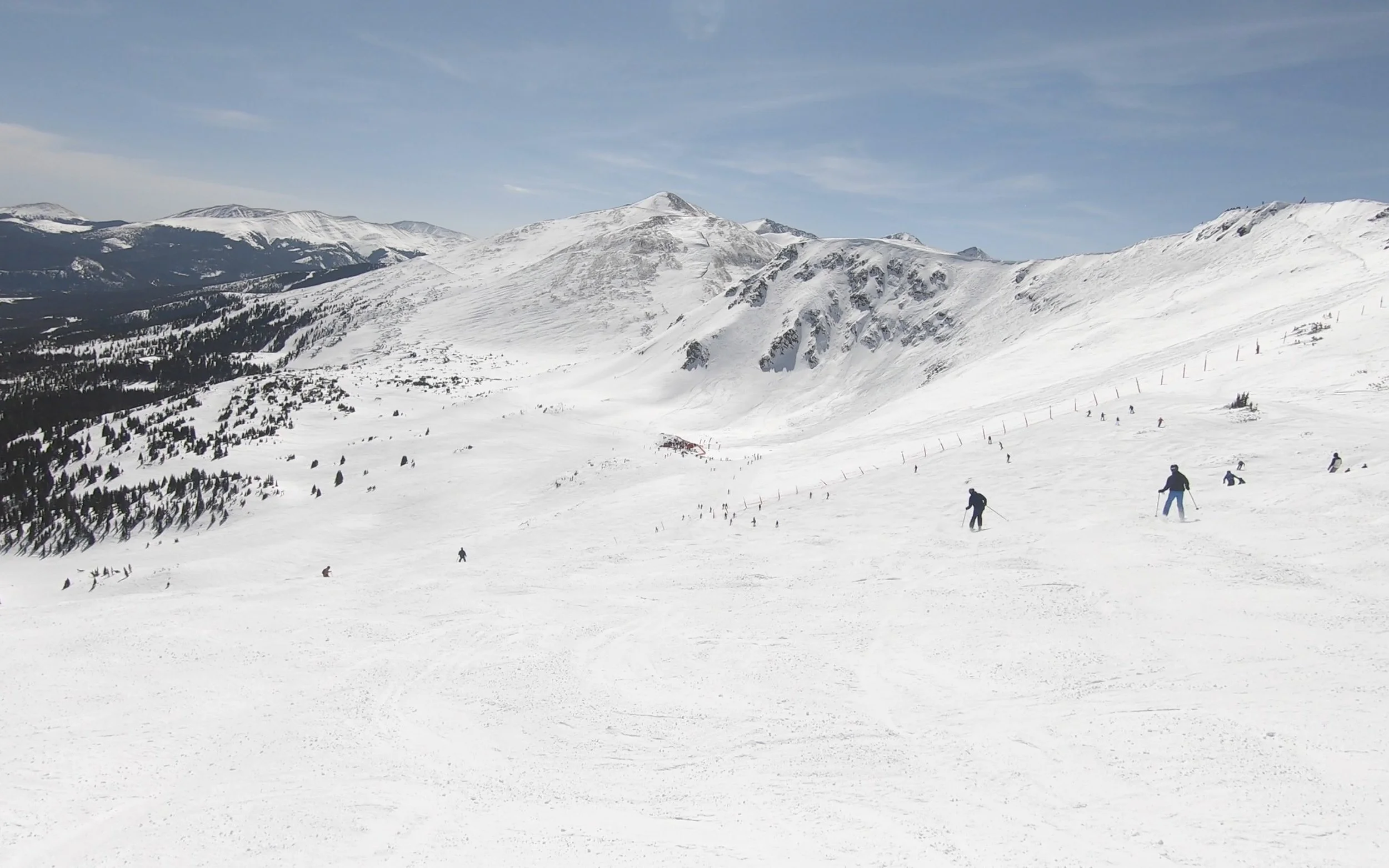
Breckenridge eventually became part of Vail Resorts in 1997.
So while Japan’s changing financial conditions helped bring one era of resort ownership to an end, the resulting sales also helped accelerate a period of consolidation that would have lasting consequences for the North American ski industry.
The Ties That Survived
But despite all these divestitures, Japanese ownership never completely disappeared from North American skiing.
The only exception to the selloff trend was Nippon Cable, the Japanese lift manufacturer that had acquired Sun Peaks and a minority stake in Blackcomb back in the early 1990s. Despite financial issues or incentives that led to exits from all of the other players, Nippon decided to hold on. More than three decades after the original acquisition, the company still owns Sun Peaks today. Nippon Cable has also held onto its financial interest in Whistler Blackcomb, extending its original 23% minority investment in Blackcomb into a 25% economic interest in the partnerships operating both Whistler and Blackcomb. And even after Vail Resorts acquired Whistler Blackcomb in 2016, Nippon Cable has retained that stake.
It’s also worth noting that some connections have survived between Japanese and North American ski resorts that aren’t financial at all. Over in Japan, at Kamori’s Rusutsu Resort in Hokkaido, there’s a particularly unusual reminder of the company’s former ownership of Steamboat in Colorado. On Mount Isola, two ski trails are actually named Steamboat A and Steamboat B, and at the bottom of them is something even wilder, an on-mountain restaurant that literally has the Steamboat logo.
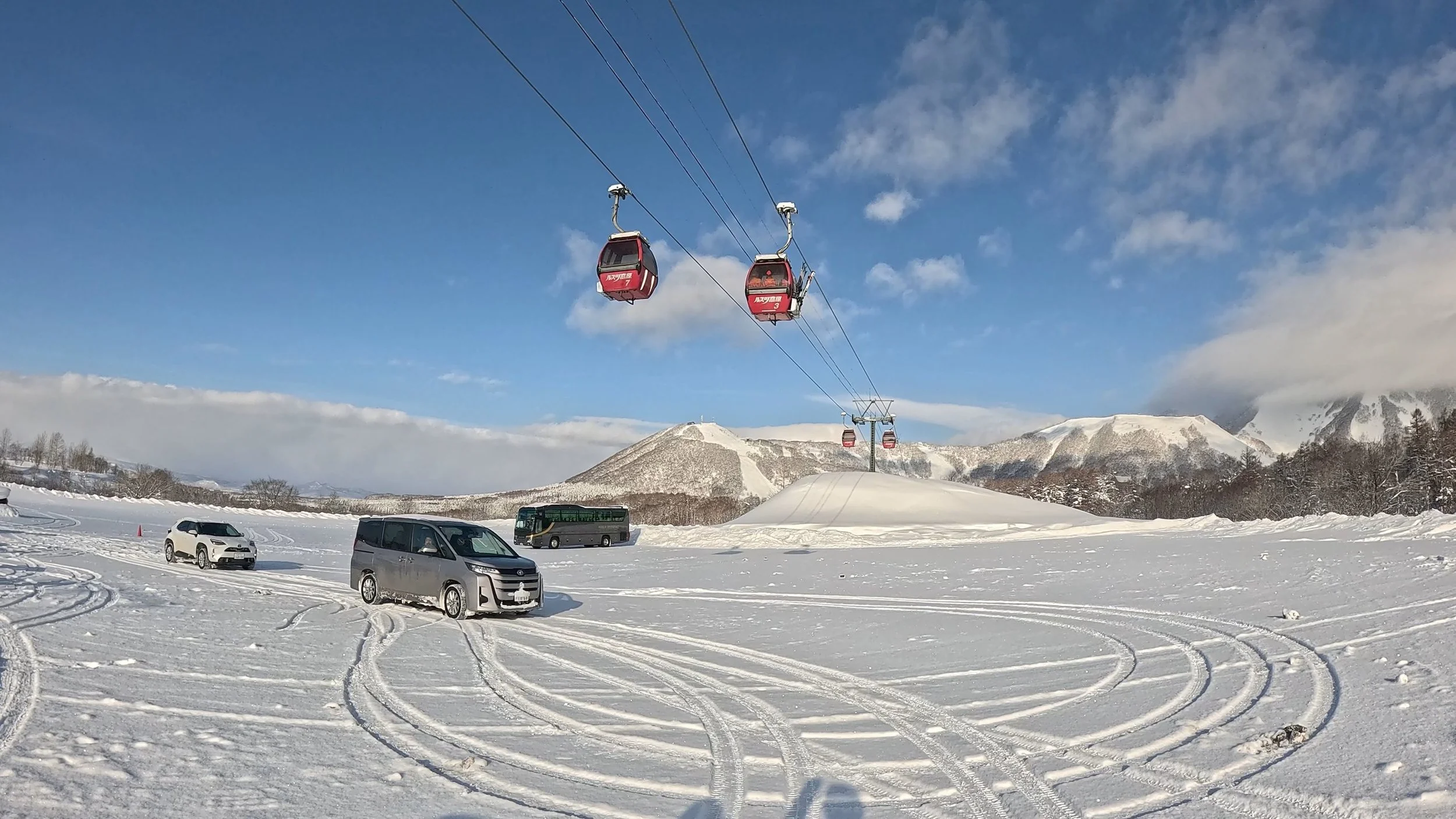
At Rusutsu in Hokkaido, two trails are still named Steamboat A and Steamboat B.
And the connection between the two mountains continued long after Kamori sold in 1997. From 2015 through 2020, Steamboat and Rusutsu even established a reciprocal access arrangement that allowed eligible season passholders to visit the other mountain.
Finally, there’s still another American ski resort name you might recognize over at Shiga Kogen in Nagano. One of the ski areas there is actually called Sun Valley, sharing its name with the famous Idaho resort. The town of Yamanouchi, where Shiga Kogen is located, established a sister-city relationship with Sun Valley back in 1973. So if you look hard enough, you will certainly see examples of the Japanese and North American ski industries intertwining, even though today, that relationship is substantially smaller than it once was.
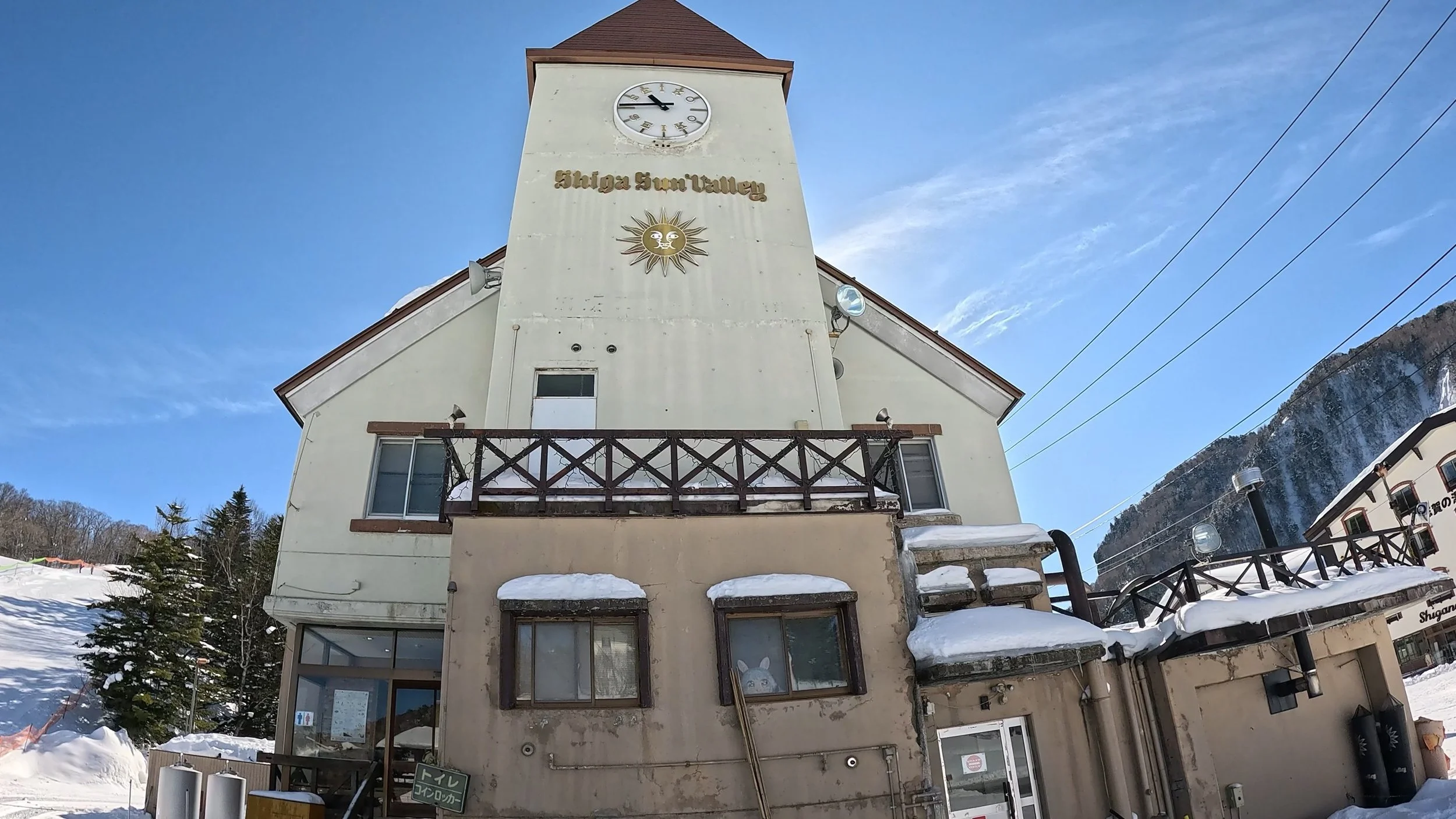
One of the ski areas at Shiga Kogen shares its name with Sun Valley, Idaho.
Final Thoughts
So did Japan almost take over the North American ski world? Well, from a literal standpoint, no. There was never a coordinated Japanese effort to dominate the continent’s ski industry. These were separate companies making their own investments, and even at the height of the buying spree, they controlled only a small fraction of North America’s resorts.
But the investments they made had some pretty significant consequences that are still felt today. Japanese companies helped finance major lift upgrades, terrain expansions, hotels, and other resort infrastructure at some of North America’s biggest mountains. And when changing financial circumstances back home led many of them to sell, those resorts helped fuel the rapid expansion of companies like Intrawest, American Skiing Company, and eventually Vail Resorts.
You can still see the results of those investments today. There are lifts installed during Japanese ownership at Steamboat and Heavenly, the Prospect Bowl expansion at Telluride, and the tram-served hotel at Alyeska. And halfway around the world at Japan’s Rusutsu ski resort, you can still stop for lunch at a restaurant bearing the Steamboat logo.