When it comes to booking a ski trip in the United States, there’s an almost disorienting array of available options. The country is home to a wide range of destinations, with the vast majority promising incredible terrain and reliable snow. But once you look past the advertising campaigns, it’s clear to see these resorts come with very different strengths, as well as some pretty significant drawbacks that aren’t always obvious when you book.
So as you figure out your next big ski trip in the States, which resorts are best? In this piece, we’ll rank the destination ski resorts in the United States from just decent to truly top tier, and we’ll also cover the pros and cons of each one.
To keep things to a reasonable length, we’ve limited this specific article to the top 25. If you want to see our full thoughts on the American ski scene, including another 90 resorts not covered here, check out our full United States rankings.

#25: Schweitzer
First up on this list, we have Schweitzer, a northern Idaho resort that flies somewhat under the radar compared to the biggest names in American skiing. But for the right visitors—especially those planning a trip during a busy holiday period—that lower profile is part of the appeal.
Schweitzer’s biggest strength is its glade terrain. Widely spaced trees cover substantial portions of the mountain, with some particularly enjoyable options near treeline that let you pick your own path through the snow. Intermediate visitors have a solid selection of groomed cruisers as well, while advanced skiers and riders can explore steeper trees and mogul runs, as well as a few short bowl sections. And unlike at many better-known destinations, lift lines generally remain manageable even when the holiday crowds show up.
But Schweitzer has a few drawbacks that keep it from beating out the other resorts on this list. The biggest is visibility. Thick fog regularly blankets the mountain, and conditions can change remarkably quickly, turning an otherwise scenic run into an exercise in figuring out where you’re going. When it’s clear, the views are fantastic—but you shouldn’t plan a vacation assuming you’ll get to enjoy them.
The mountain also isn’t quite as extensive or varied as the strongest resorts in the country. Beginners have limited options despite some major improvements in recent years, and while there are a few short, consequential expert lines, Schweitzer doesn’t offer the sustained steeps or expansive above-treeline terrain found higher up this list. Occasional warm storms can bring rain, too, compromising otherwise solid conditions.
Finally, the backside lift layout makes exploring more cumbersome than it should be. Getting from the bottom of Outback Bowl back to the summit can require multiple lifts, making it frustrating to repeatedly ski the mountain’s longest descents.
Schweitzer offers an enticing proposition for those who value excellent tree skiing and reasonable peak-time crowds, but other resorts are somewhat more well-rounded terrain-wise. 1-day adult rates aren’t the worst offenders as far as destination lift tickets go, but they’re still not cheap, especially if you buy at the window. If you’re reading this in the fall, the resort’s 3-pack products are a far better deal.
Schweitzer is also a member of the Ikon Pass, and if you plan on visiting multiple mountains this winter, it may be the best value option while it’s still on sale.
1-Day Ticket Range (Core Season):
Adult 23-64: $132-$170
Young Adult 13-22: $75-$95
Child 5-12: $47-$59
Senior 65-79: $104-$133
Child 0-4: Free
Pass Options:
Ikon Pass (unlimited)
Ikon Base Pass (5 days)
Ikon Session Pass (2-4 days total)
3-Pack ($249 - $83/day)
#24: Crested Butte
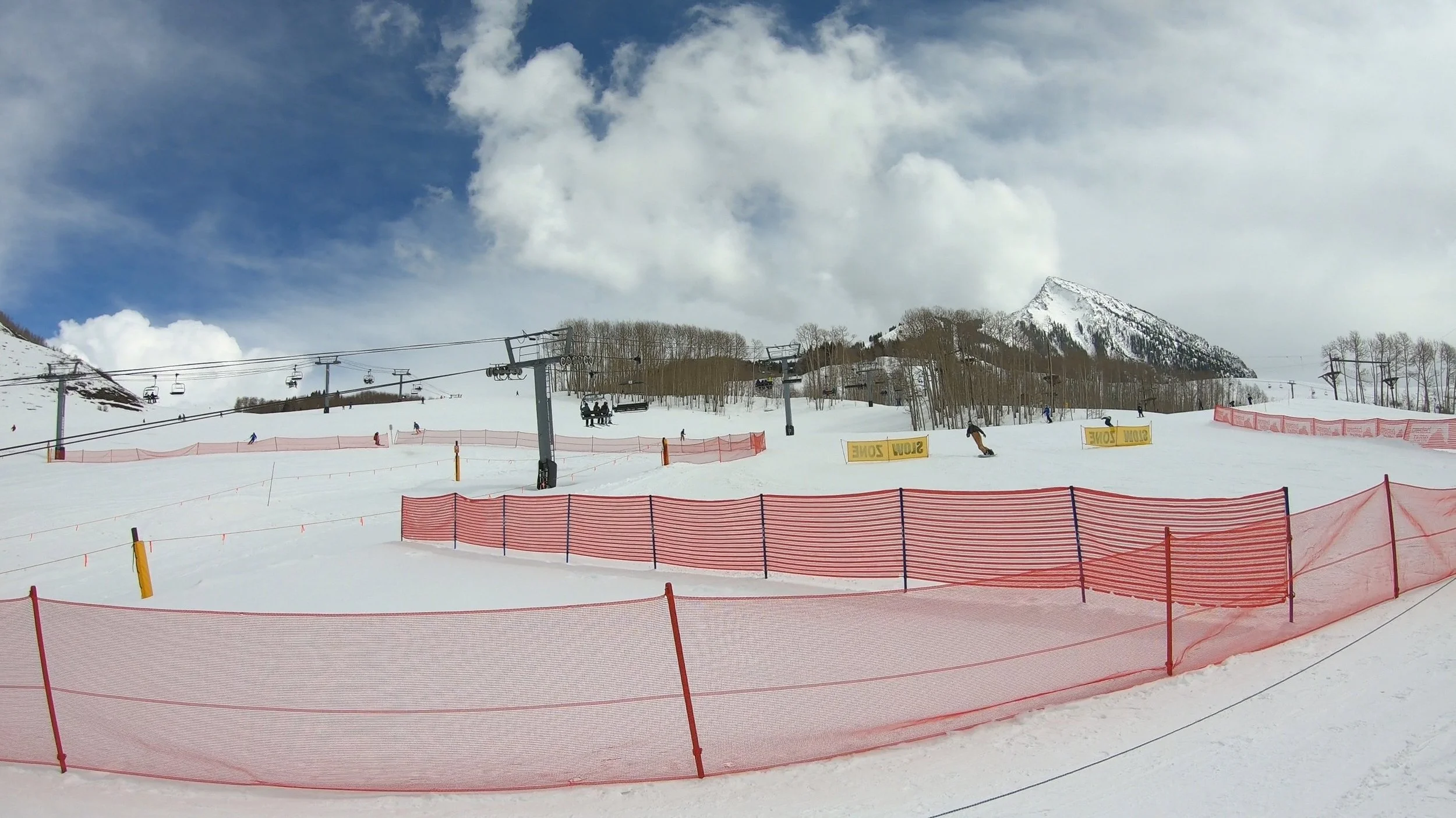
Next up, we move to Colorado’s Crested Butte, a mountain of relatively modest size, but with some of the most demanding terrain in the country.
Crested Butte’s biggest strength is its extreme skiing and riding. The resort packs an extraordinary concentration of steep chutes, exposed faces, and cliff-lined descents into its upper mountain, with some lines requiring mandatory air or straightlining. The surroundings help, too. The mountain’s distinctive pointed summit makes for one of Colorado’s most recognizable resort backdrops, and the relatively undeveloped landscape gives much of the footprint an isolated feel.
But Crested Butte’s strengths don’t translate equally across ability levels. The resort has only around 1,500 skiable acres, and with so much terrain dedicated to experts, beginners and intermediates have a much smaller mountain to explore. There are enjoyable groomers, but they don’t stand out all that much against the larger resorts higher up this list.
Another significant drawback is snow reliability. Crested Butte receives less snowfall than many Colorado competitors, and its rock-strewn extremes need substantial coverage to become skiable. Some signature areas have short, unpredictable operating windows, making it difficult to book a trip around experiencing everything.
And even when the terrain is open, repeat laps can be cumbersome. Effectively all of the double-blacks finish below the surface lifts that access them, meaning multiple lift rides are required to get back—and sometimes hiking as well.
Crested Butte is an exceptional destination for experts provided the snow delivers, but mixed-ability groups will find much better options higher up on this list. 1-day adult rates can be surprisingly reasonable if you book more than a month in advance for an off-peak weekday, but like most Vail-owned mountains, peak-time window rates are plainly absurd. Crested Butte is also a member of the Epic Pass, with no blackouts on either tier of pass, as well as a 1-7-Day member of the day-ticket-like Epic Day Pass product.
1-Day Ticket Range (Core Season):
Adult 13-64: $109-$260
Child 5-12: $71-$171
Senior 65+: $104-$249
Child 0-4: Free
Pass Options:
Epic Pass (unlimited)
Epic Local Pass (unlimited)
Keystone Plus Pass (5 days - holiday blackouts)
Epic Day Pass (1-7 days)
Keystone-Crested Butte 4-Pack ($348 - $87/day)
#23: Whitefish
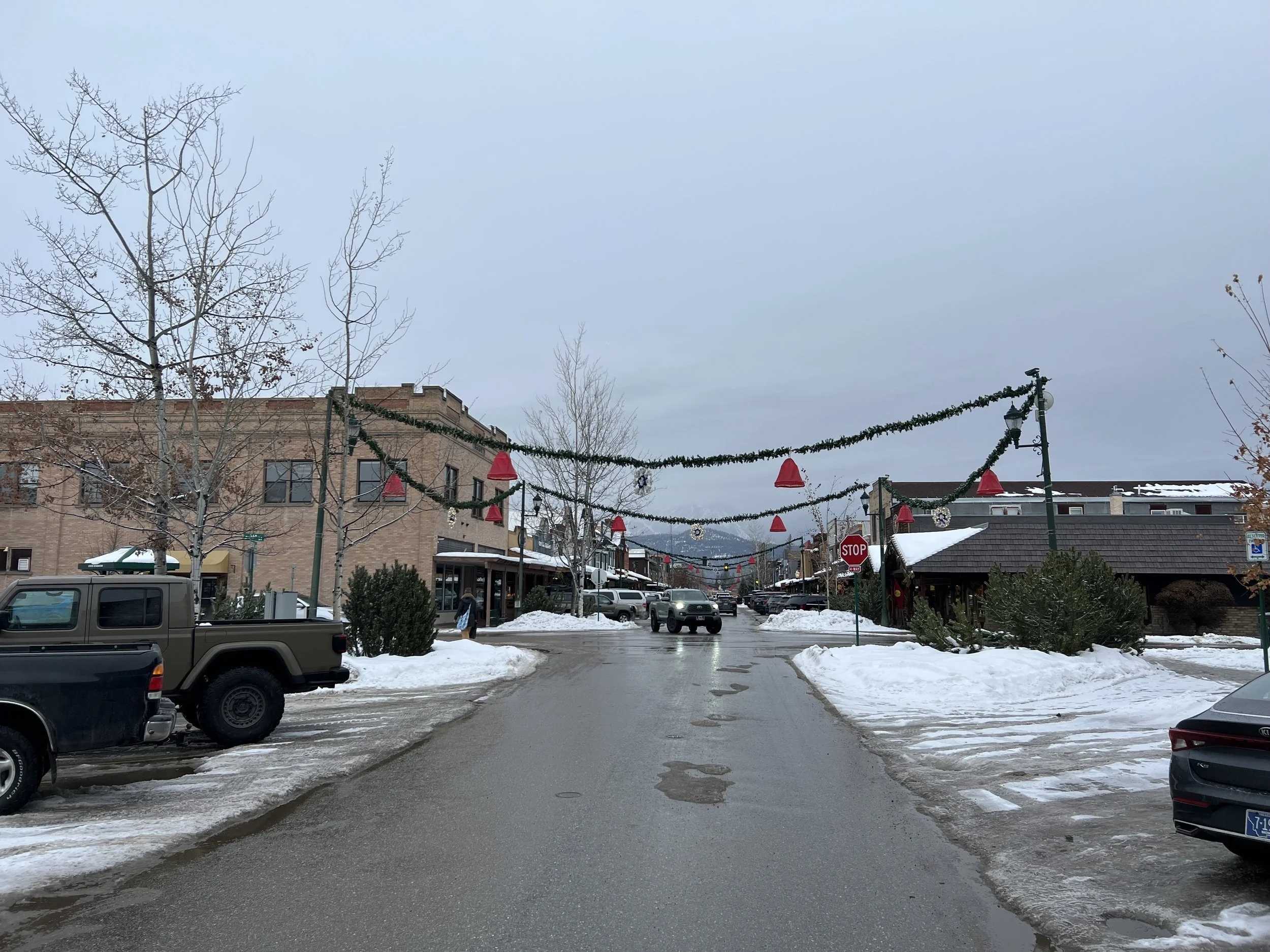
Next up, we head to northwest Montana for Whitefish, an independent resort that flies significantly more off the radar than almost every other major destination.
Whitefish’s biggest strength is its glade terrain. Widely-spaced trees cover much of the mountain, with options ranging from approachable off-piste runs to steep, technical lines. These woods also give Whitefish a distinctive appearance; cold, moist air coats the trees in thick layers of rime ice, creating famous “snow ghosts” that make skiing here feel almost otherworldly.
The resort also benefits from reasonable crowd levels. Even during peak periods, lift lines tend to be much more manageable than at many better-known destinations. And after the slopes close, downtown Whitefish offers plenty of bars and restaurants, giving visitors a compelling reason to spend time off the mountain as well.
But there’s a reason those snow ghosts form so readily: Whitefish spends a lot of the winter inside the clouds. Persistent fog can make visibility extremely challenging, and visitors hoping for panoramic views may spend much of their trip struggling to see the terrain ahead. Whitefish also has a modest vertical drop compared to the biggest destinations, and some terrain zones, especially on the back side, involve flat sections that interrupt otherwise enjoyable runs. And given its inland northern location, occasional extreme cold spells do hit the resort, making spending time outside plainly difficult.
Whitefish is a great destination for visitors who enjoy tree skiing and want an excellent town to explore, although its terrain isn’t quite as well-rounded as the resorts higher up on this list, and you may want to look elsewhere if low visibility is a concern. But one of Whitefish’s biggest strengths is its value. 1-day adult rates are among the lowest on this list, going for just $124 even if you buy the day of, and with discounts available if you buy in advance or for multiple days. While Whitefish isn’t on any multi-resort passes, you can buy a Frequent Skier Card, which saves you extra money off the ticket rate after three or more days.
1-Day Ticket Range (Core Season):
Adult 19-64: $111-$124
Teen 13-18: $95-$106
Junior 7-12: $57-$63
Senior 65-69: $95-$106
Super Senior 70+: $45-$50
Child 0-6: Free
Pass Options:
No multi-resort pass affiliation
Frequent Skier Card ($70 - online through Dec 24)
#22: Steamboat
Next up, we move back to Colorado for Steamboat, the northernmost Colorado resort on this list.
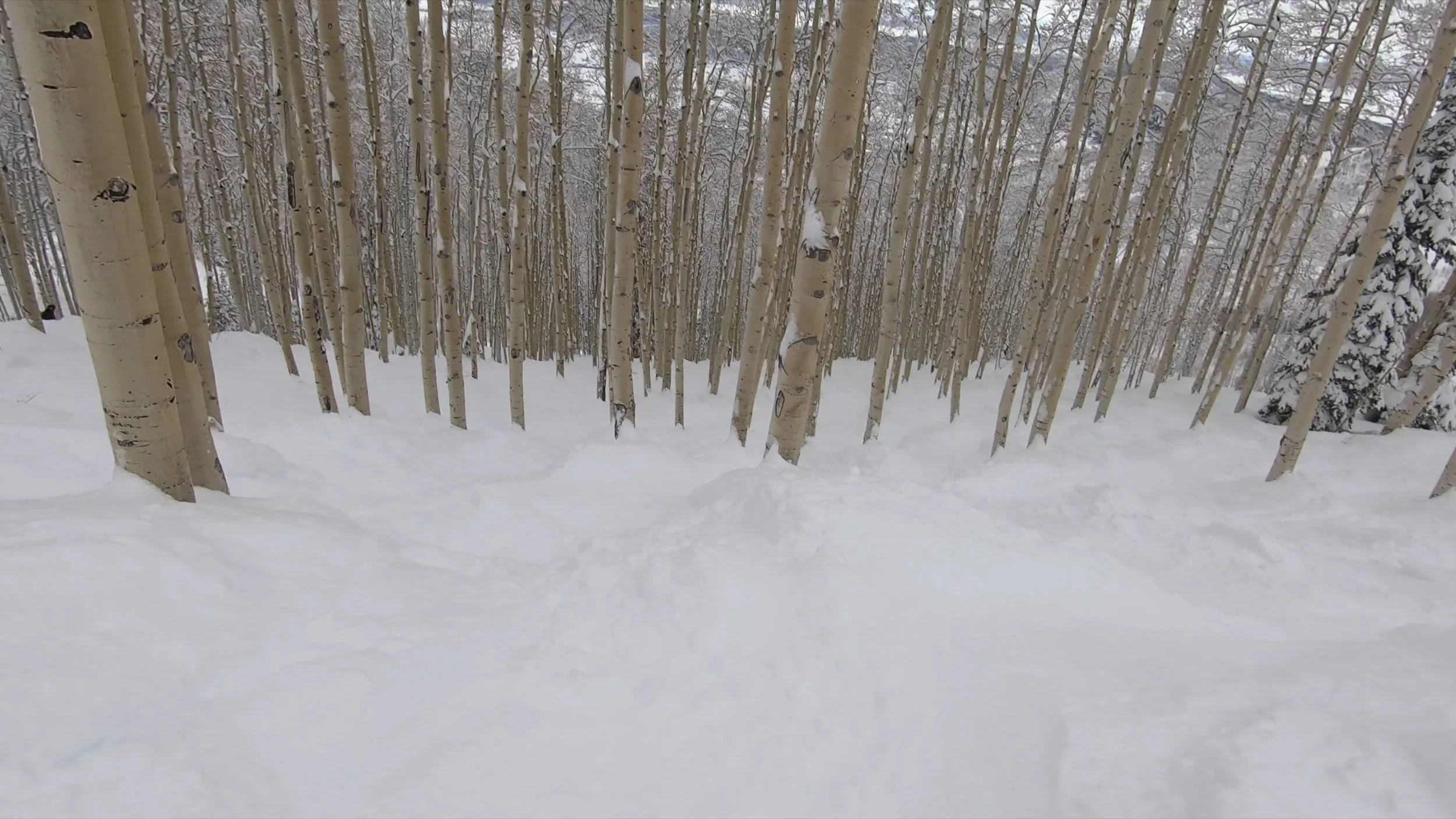
Steamboat’s biggest strength is its tree skiing. The resort offers an enormous variety of glades, from moderately pitched, widely spaced aspens to tightly wooded steeps. Combined with snowfall totals that compete with the best in Colorado, these trees make Steamboat an especially compelling destination for powder skiing. And investments over the past several seasons have also addressed some longstanding weaknesses, including a massive new out-of-base gondola that substantially improves morning crowd flow, as well as the Mahogany Ridge and Fish Creek Canyon expansion, which adds a much more competitive advanced and expert experience. Finally, Steamboat is home to a fantastic nearby town with copious activities after the slopes close.
But Steamboat still falls short in a few significant areas. If you’re looking for expansive high-alpine bowls, this isn’t the place. Nor does it offer the same dramatic surroundings as many destinations higher up this list. And despite the gondola improvements, getting around certain areas can still be frustrating.
Steamboat makes a lot of sense for visitors who prioritize top-tier glade terrain and a lively town. But its remaining logistical quirks and lack of high-alpine terrain keep it from placing higher on this list. But Steamboat’s biggest drawback might be its price. 1-day adult tickets start at over $200 and top out above $340, giving it one of the highest costs of entry in the country. Steamboat is a member of the Ikon Pass portfolio, and if you want a more reasonable rate, getting one of these products before they’re off sale in December is the way to go.
1-Day Ticket Range (Core Season):
Adult 13-69: $205-$344
Child 5-12: $176-$294
Senior 70+: $198-$334
Child 0-4: $20
Pass Options:
Ikon Pass (unlimited)
Ikon Base Pass (5 days)
Ikon Session Pass (2-4 days total)
3-Pack (early season and April only)
#21: Grand Targhee
Next up, we head to Grand Targhee, a resort on the western side of the Teton Range. This is technically the first resort in Wyoming on this list, although the only way to get there by road is through Idaho.
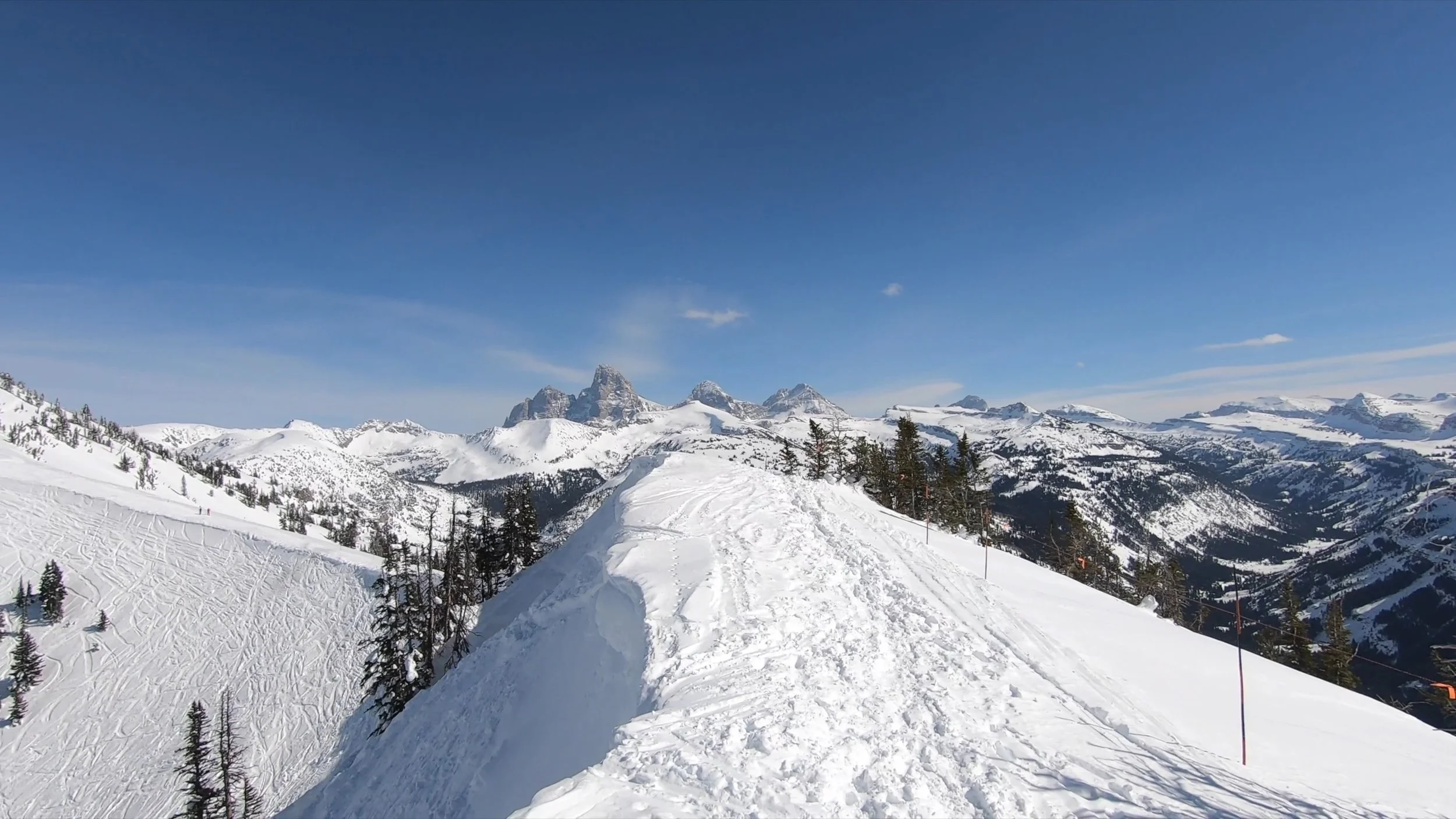
Grand Targhee’s biggest advantage is its snow. The resort receives enormous quantities of light, dry powder, with conditions that generally hold up well throughout the core winter season. Combined with an abundance of widely spaced glades and rolling, open terrain, this makes Targhee an especially enjoyable place for intermediate and advanced visitors to explore beyond the groomers.
The Colter six-pack has also made the mountain considerably more well-rounded than it used to be. This lift brought roughly 600 acres of formerly snowcat-served terrain into the regular lift network, opening up another side of Peaked Mountain and giving normal guests a lot more room to spread out. When the weather cooperates, this area also offers spectacular views of the Tetons.
But when it comes to weather, that can also be the resort’s Achilles heel. Like Schweitzer and Whitefish, Grand Targhee is prone to persistent fog, and the open upper slopes can become particularly disorienting when visibility deteriorates. Targhee also lacks the scale and sustained descents of the strongest destinations on this list; its vertical drop is only about 2,200 feet, and while some genuinely consequential expert lines exist, the selection is limited. Finally, on-mountain amenities are fairly basic, and the après scene is much quieter than at many competing destinations.
Grand Targhee is an appealing resort for those who prioritize powder and low crowds over the biggest and fanciest footprint. 1-day adult tickets range from $134 to $203 for 2026-27 when including sales tax, still not cheap but better than most other resorts on this list, and the resort is also a member of the Mountain Collective Pass, which includes two days of complimentary access plus half off all additional days.
1-Day Ticket Range (Core Season):
Adult 13-64: $134-$203
Junior 6-12: $74-$146
Senior 65+: $101-$184
Child 0-5: Free
Pass Options:
Mountain Collective (2 days)
Flexy 4 ($499 - $125/day - sales ended Sep 30)
#20: Sun Valley
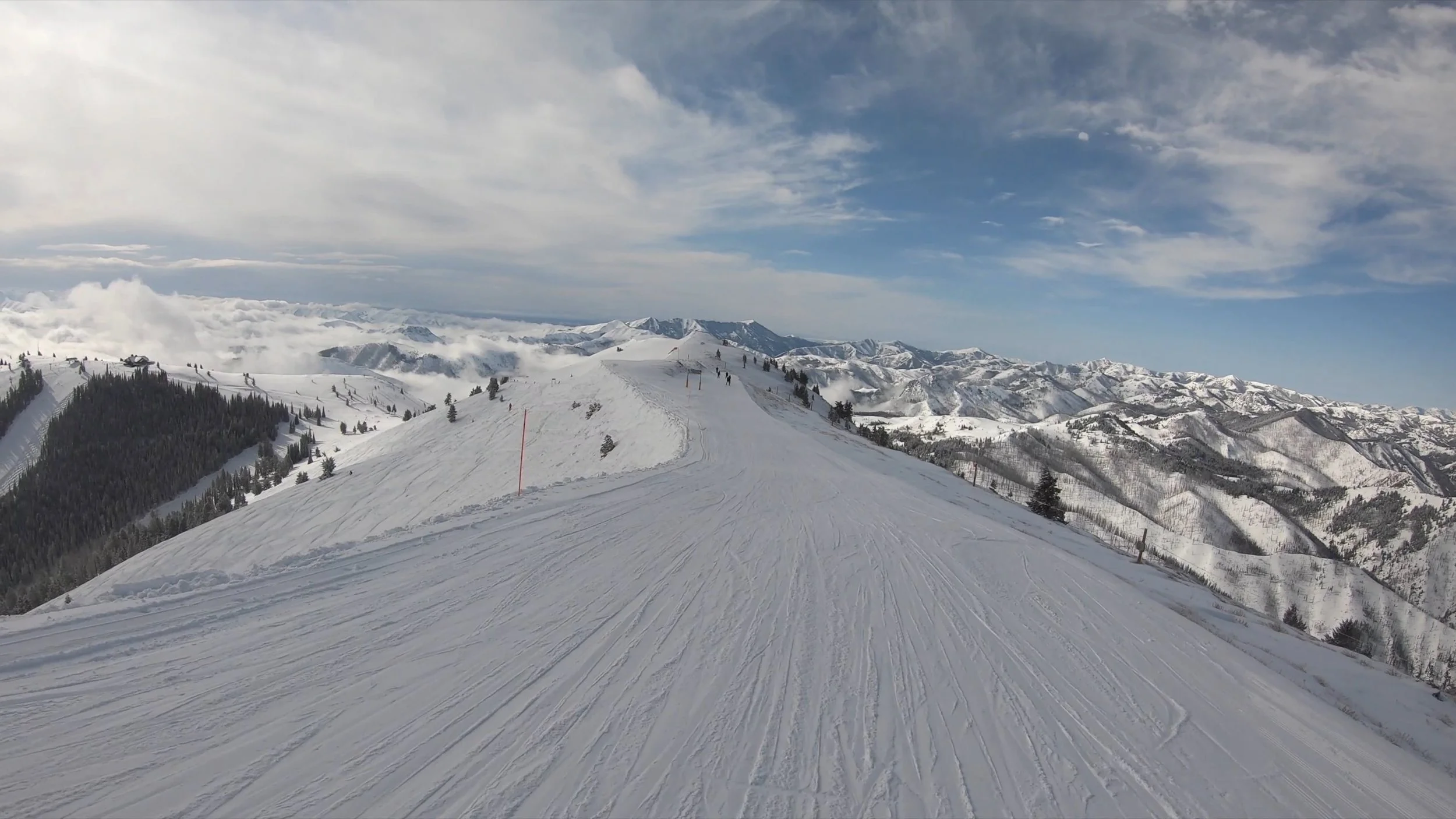
Next up, we cross right over the border back to Idaho for Sun Valley, a resort that combines some of the nicest on-mountain facilities in the country with beautiful surroundings and an especially polished cruising experience.
Sun Valley’s main Bald Mountain stands out for long, consistently pitched groomers, offering some of the best cruising terrain in the country. But for those looking for something more interesting, the resort also offers plenty of demanding mogul runs and stunning upper-mountain bowls. Also, Sun Valley’s lodges are among the best anywhere, with comfortable seating, impressive architecture, and places to take a break are widespread throughout the mountain. Recent lift investments have improved the crowd flow experience as well, especially in the redesigned Warm Springs base complex.
But Sun Valley has a significant weakness: its natural snow. The resort receives considerably less snowfall than many other Rockies destinations, making powder days less frequent and coverage outside the maintained trails noticeably more variable. Snowmaking helps keep the groomers dependable, but it can’t deliver the same consistency across the bowls and glades. The expert experience is also limited; there are steep runs and challenging moguls, but relatively little truly technical terrain, and some of the hardest areas are those hardest hit by inconsistent conditions.
Sun Valley is a solid option for those who value a comfortable vacation and beautiful scenery. But its snow reliability and limited expert footprint keep it from placing higher on this list. 1-day adult tickets are atrociously priced, starting at over $200 for all core season dates, even off-peak weekdays. For those with a multi-resort pass, the resort is also a member of the Mountain Collective and full Ikon Pass products, although access is excluded from the Ikon Base Pass.
1-Day Ticket Range (Core Season):
Adult 13-64: $215-$275
Child 5-12: $113-$140
Senior 65+: $148-$180
Child 0-4: Free
NOTE: Range covers Dec 25-Mar 25. $118 tickets sold only Mar 26-Apr 11.
Pass Options:
Ikon Pass (7 days - full pass only)
Mountain Collective (2 days)
15 Day Plus Pass (from $2,054 - $137/day)
#19: Palisades Tahoe
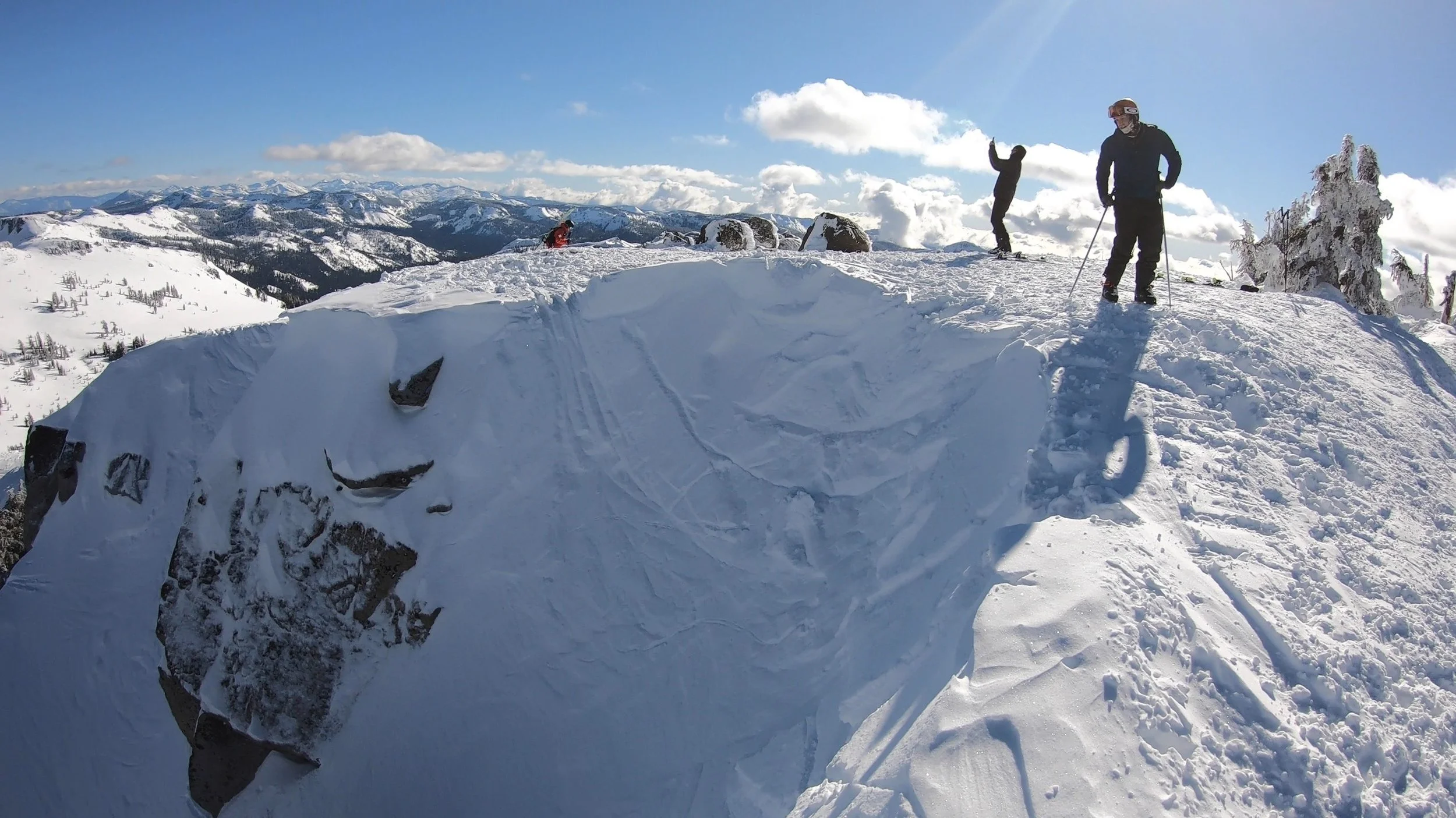
Next up, we return to California for Palisades Tahoe, a massive resort whose extraordinary terrain makes it perhaps the most famous resort in the Tahoe region.
Palisades especially stands out for its technical expert terrain. Both the Olympic Valley and Alpine Meadows sides offer steep bowls, rock-lined chutes, and extremely consequential cliff drops, with some of the most demanding inbounds lines in the country accessible directly from lifts. The surroundings are impressive as well, with dramatic rock formations and beautiful views of Lake Tahoe, especially on the Alpine side. Palisades also delivers one of the country’s best spring skiing experiences, with a season that can extend well beyond most competitors when snowfall permits.
But experiencing everything Palisades offers takes some patience. The resort consists of two physically separate areas: the Palisades side and the Alpine side. Despite a gondola connection, the full ride takes at least 16 minutes before accounting for any waiting, making frequent trips between them less-than-practical.
Another issue is reliability. Like all Tahoe resorts, Palisades often sees storms with enormous snowfall, but the resort can also be subject to extended dry spells, freeze-thaw cycles, and heavier snow consistency when it does dump, all of which make conditions less consistent than at many destinations further inland. And with a location within driving distance of the Bay Area, Palisades Tahoe is no secret, and crowds can be a serious problem on weekends and holidays.
Palisades Tahoe can be exceptional for experienced visitors who catch it under the right conditions. But unreliable terrain access and frustrating logistics hurt it for a vacation booked months in advance. 1-day adult rates can get really steep, especially if purchased close to the day of, and for the best value, visitors should check out the resort’s 4-Day Pack options, which aren’t cheap but still offer some savings. Palisades is also an unlimited member of the Ikon full, Base, and day-ticket-like Session passes, albeit with holiday blackouts on the latter two.
1-Day Ticket Range (Core Season):
Adult 18-69: $139-$296
Teen 13-17: $125-$267
Child 5-12: $97-$207
Senior 70-79: $125-$267
Pass Options:
Ikon Pass (unlimited)
Ikon Base Pass (unlimited excl. holiday blackouts)
Ikon Session Pass (2-4 days total)
2-Day Pack ($369 - $185/day)
4-Day Pack ($539 - $135/day)
4-Day Midweek Pack ($390 - $98/day - midweek only)
#18: Winter Park
Next up, we head back to Colorado for Winter Park, a resort that sits just north of the big cluster all along Interstate 70.
Winter Park’s biggest strength is how much it offers across different ability levels. The skiers’ left Winter Park side is home to some really nice dedicated beginner areas and an extensive selection of intermediate cruisers, while the skiers’ right Mary Jane zone is famous for long, relentless bump runs that will wear down even experienced skiers and riders. Glades are another standout, with everything from approachable trees to steep, technical woods spread throughout the footprint.
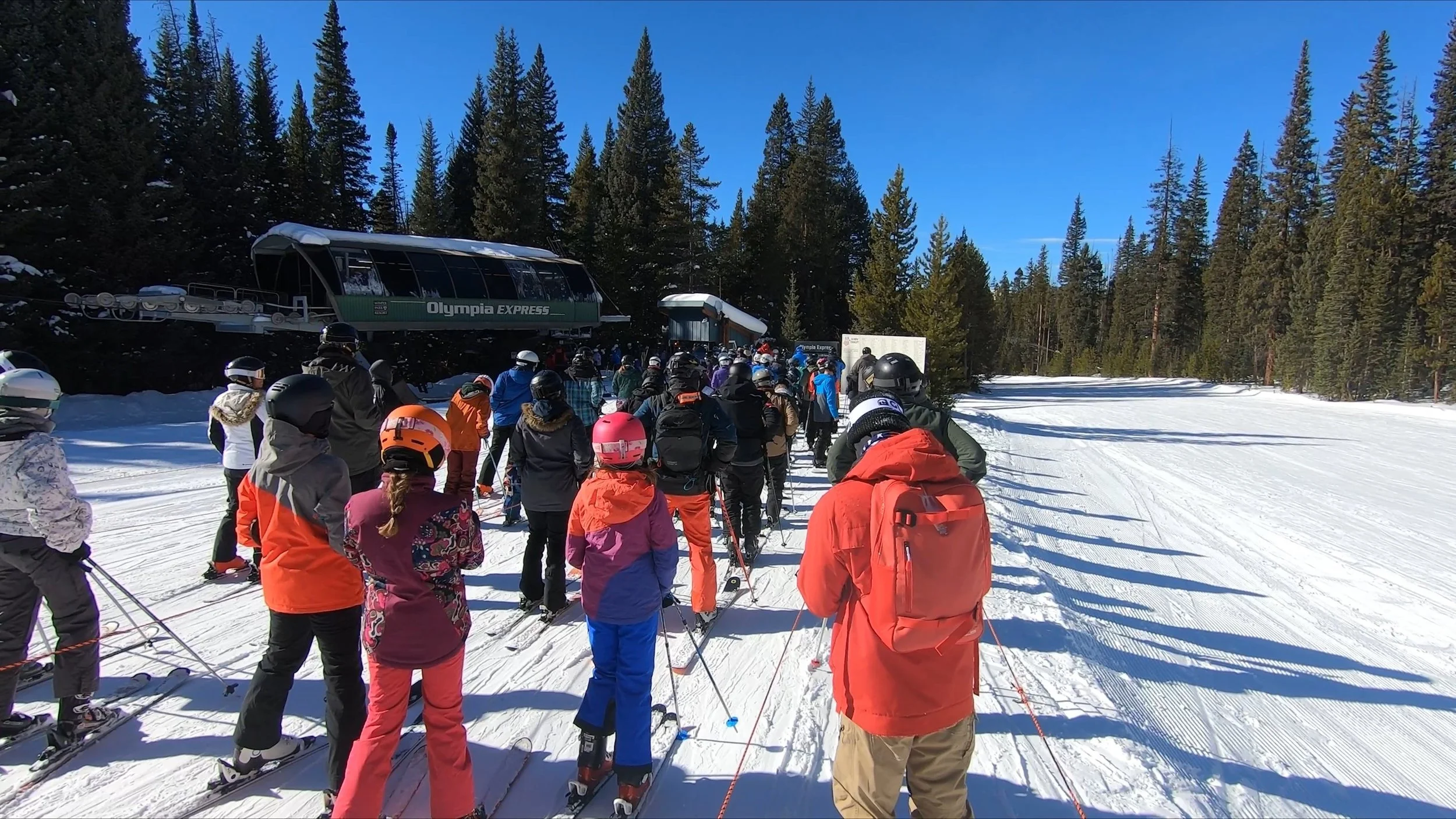
And if you’re looking for an intro to high-alpine skiing and riding, the top of the resort offers intermediate-accessible bowl terrain with striking views of the Continental Divide, giving visitors a chance to experience the above-treeline without committing to expert-level pitches. Another unique advantage is access by train; the seasonal Winter Park Express runs directly from downtown Denver Union Station, giving visitors a way to reach the slopes without dealing with the mountain traffic.
But Winter Park’s high-alpine terrain is also a bit of a drawback. The directly lift-served bowls are relatively short, and experienced visitors looking for extensive steep, open terrain will find stronger options elsewhere. Crowds are another significant drawback. Popular lifts such as Super Gauge and Panoramic become serious chokepoints on weekends and holidays, and easier terrain on the Winter Park side isn’t immune to congestion either. Having a large footprint doesn’t help much when everyone needs the same lift to reach the terrain they want.
Winter Park is a strong choice for families and groups who want varied terrain, and especially for visitors who love trees and moguls. But peak-period crowding and limited readily-accessible advanced and expert bowl terrain keep it from placing higher. Day tickets can get expensive, so those planning a visit should consider the available Ikon Pass and Winter Park Flex products before booking, at least if you can grab them before they go off sale in the fall.
1-Day Ticket Range (Core Season):
Adult 13+: $89-$267
Child 5-12: $89-$159
Child 0-4: $20
Pass Options:
Ikon Pass (unlimited)
Ikon Base Pass (unlimited)
Ikon Session Pass (2-4 days total)
Flex Pack (2-4 days: $298-$500)
Midweek Flex Pack (2-4 days: $278-$428 - non-holiday midweek only)
#17: Keystone
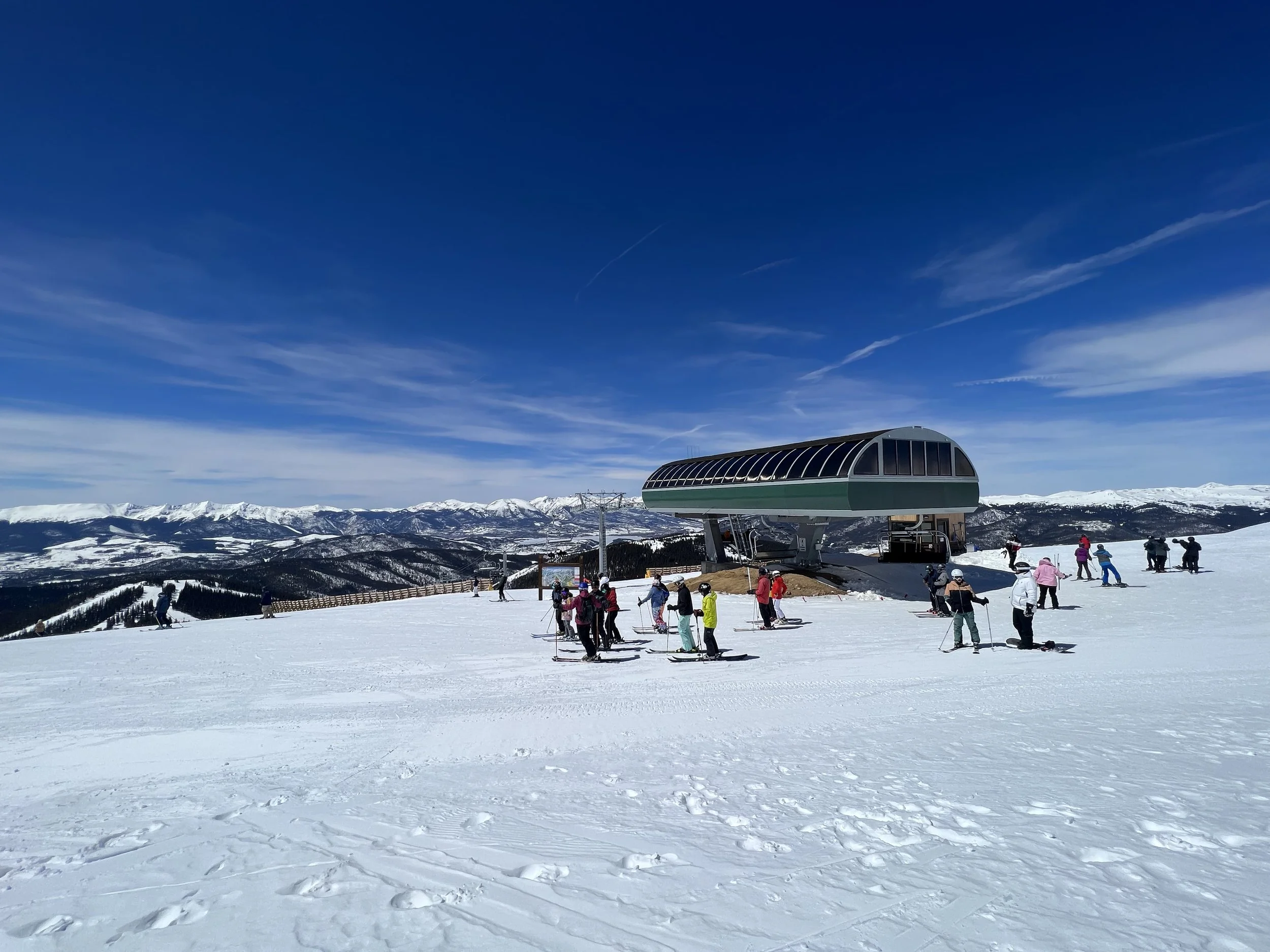
Next up, we stay in Colorado for Keystone, a resort with an unusual layout that stretches across a series of peaks stacked behind one another. This layout gives Keystone a few notable terrain advantages; the frontside Dercum Mountain offers long cruisers, North Peak brings more demanding mogul runs and some killer bombable groomers, and the remote Outback zone specializes in tree skiing. And thanks to the recently-installed Bergman Express, Keystone has become a much more complete Rockies destination in recent years; this six-pack finally provides direct access to many of the resort’s high-alpine bowls, all of which previously required hiking.
But Keystone’s layout comes with some practical drawbacks. Reaching the furthest terrain takes multiple lifts, and returning to the base requires working your way back across the same mountain chain, including an especially slow chairlift required to leave the Outback area.
The resort’s advertised size also comes with a significant asterisk. While the full 3,100-acre footprint is quite competitive, nearly 40% of that still requires hiking to reach, exit, or both, giving the resort a much smaller lift-served footprint than most other competitors on this list. And while Keystone has plenty of demanding bumps and trees, truly expert terrain is limited.
Keystone is especially compelling for intermediate and advanced visitors who enjoy very long runs and exploring varied terrain. But a modest lift-served footprint and limited expert offerings keep it from placing higher. 1-day adult tickets can get really expensive, but if you buy in the fall, there are many options to get access for cheaper, including the season and day pass versions of the Epic Pass suite, the Keystone-Crested Butte 4-Pack, and the Keystone Plus season pass.
1-Day Ticket Range (Core Season):
Adult 13-64: $119-$280
Child 5-12: $77-$182
Senior 65+: $113-$266
Child 0-4: Free
Pass Options:
Epic Pass (unlimited)
Epic Local Pass (unlimited)
Keystone Plus Pass (unlimited - holiday blackouts)
Summit Value Pass (unlimited)
Epic Day Pass (1-7 days)
Keystone-Crested Butte 4-Pack ($348 - $87/day)
#16: Deer Valley
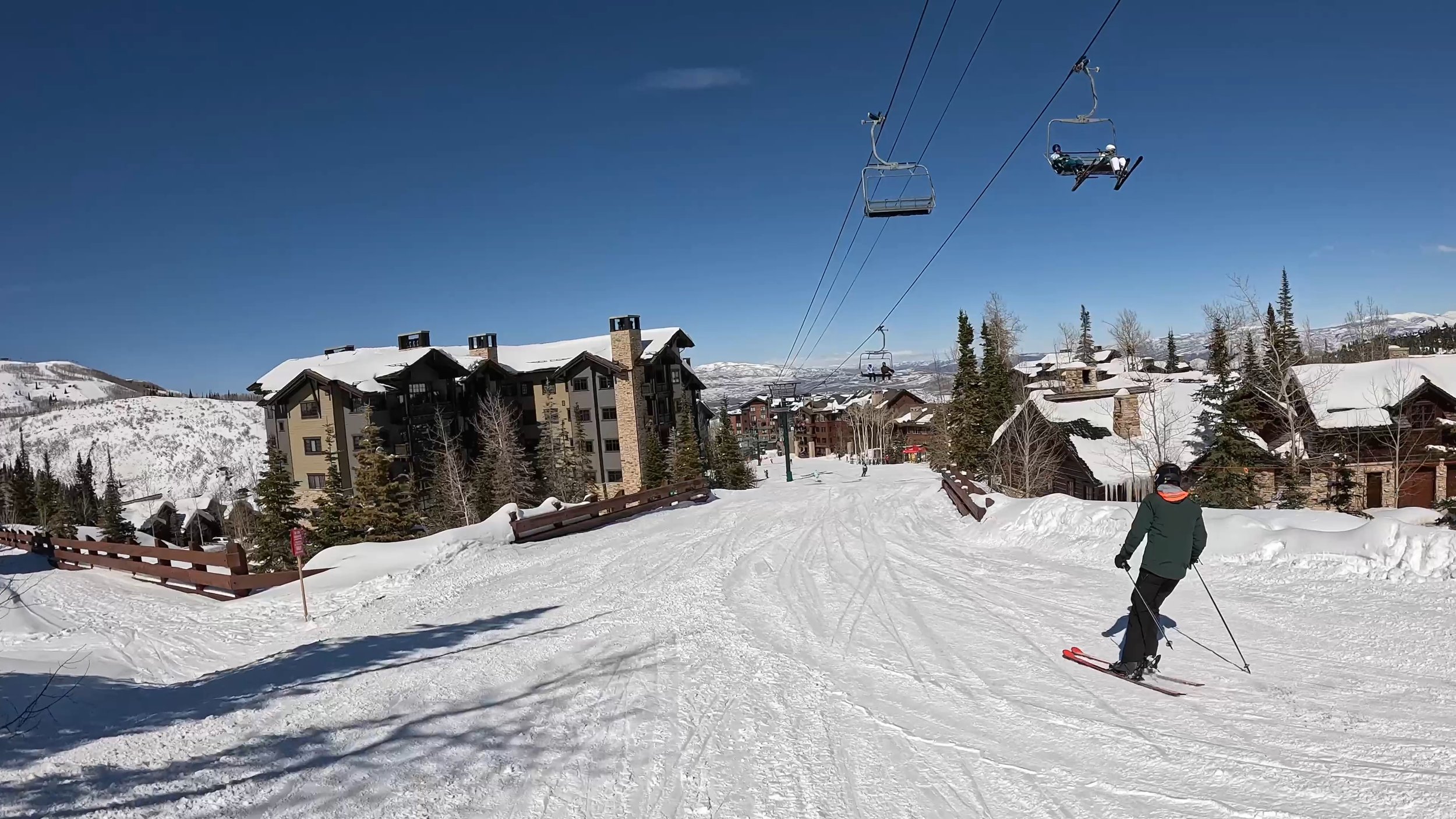
Next up, we head to Utah for Deer Valley, a resort that has dramatically expanded its footprint while retaining its defining focus on hospitality. One important restriction, though: Deer Valley is the first resort on this list to be skier-only, so snowboarders will want to look elsewhere.
Deer Valley’s biggest strength is how thoroughly it takes care of its guests. From ski valets and complimentary storage to comfortable lodges spread throughout the mountain, the resort makes stopping for a break and sitting around unusually convenient. Grooming is another strength, and crowds tend to be somewhat more manageable than at many competing destinations. But in recent years, a new Deer Valley strength has become just how massive it is. The East Village expansion has more than doubled Deer Valley’s terrain, with the resort going from just 2,000 skiable acres at the beginning of the decade to more than 4,500 acres for 2026-27.
But more acreage hasn’t eliminated the resort’s weaknesses. In fact, in many ways it’s made them more apparent. Much of the new terrain reinforces the groomer-heavy experience Deer Valley already specialized in, rather than delivering a substantially different mountain. There are challenging moguls, glades, and a few genuinely technical chutes, but experts still have stronger options elsewhere in Utah.
More significantly, a substantial portion of the expansion sits on low-elevation terrain with significant vulnerability to thin cover. The bulk of Deer Valley already saw a lower quantity of snow than many other Utah competitors, and the terrain of the new footprint, while often held down by snowmaking, is not immune to sitting next to entirely bare ground when conditions don’t align.
Deer Valley now offers a much more substantial footprint, especially for skiers who prioritize groomers and high-end service. But variable conditions on top of extensive on-mountain development keep it from placing higher. 1-day adult rates are among the most expensive in the country, topping out at over $380 when including sales tax. The resort is a 7-day member of the full Ikon Pass and, at least for the 2026-27 season, a 3-day member of the Ikon Base Pass, although it’s unclear if the latter access will carry over for future seasons.
1-Day Ticket Range (Core Season):
Adult 13-64: $218-$382
Child 5-12: $149-$223
Senior 65+: $181-$271
Tot 0-4: $55
Pass Options:
Ikon Pass (7 days)
Ikon Base Pass (up to 3 days)
NOTE: Reservations required.
#15: Aspen Highlands
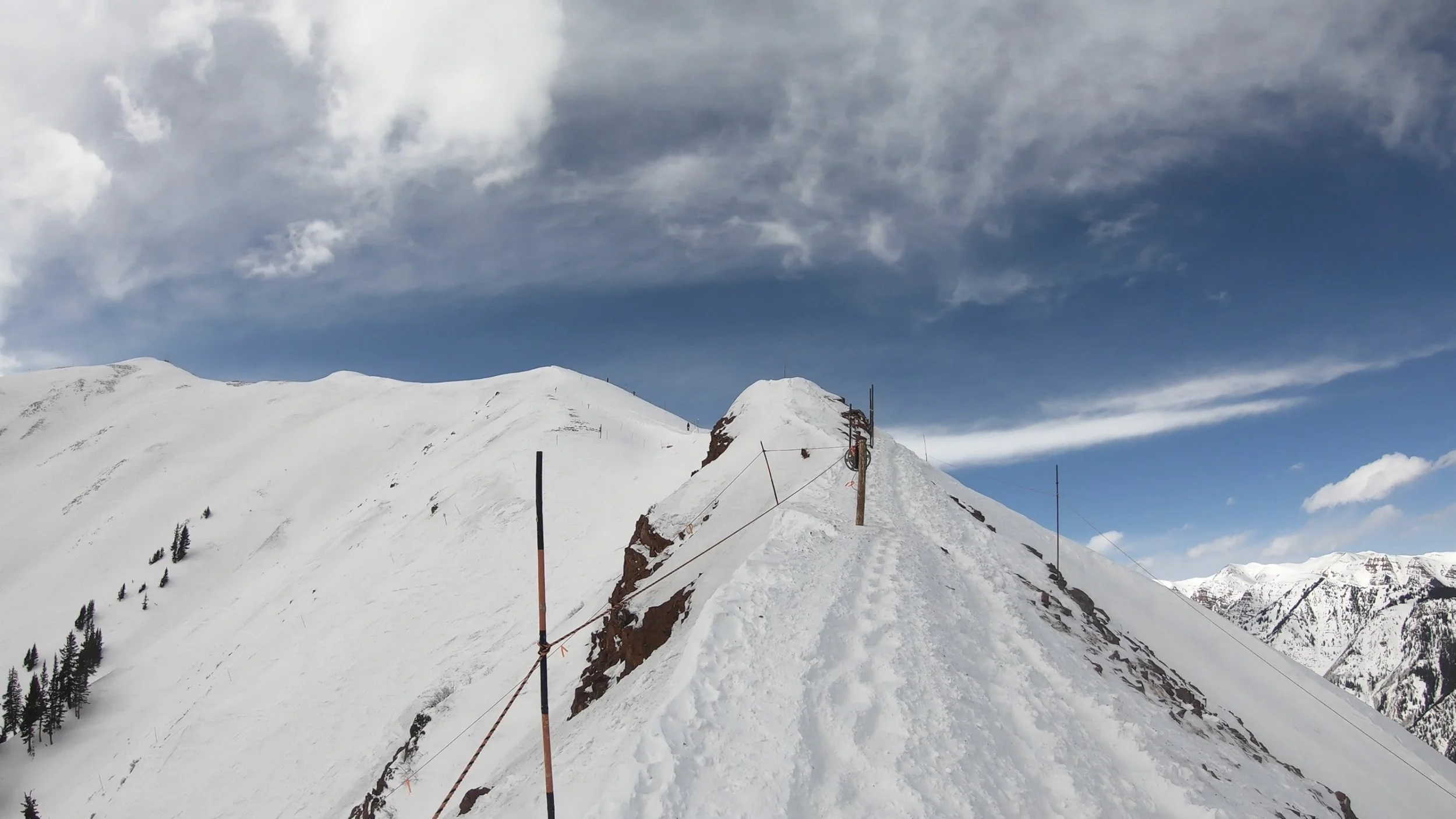
Next up, we head to Aspen Highlands, one of four physically separate ski resorts within the broader Aspen Snowmass complex. Highlands has fairly modest acreage at a first glance, but this hides an extraordinary concentration of long and demanding destination-worthy terrain.
Highlands is fantastic if you are an expert. The resort is home to a range of lengthy trails that boast anything from fields of moguls to tight trees to technical obstacles such as rocks and cliffs, with these runs often maintaining their difficulty for the entire descent. The mountain also has fantastic groomers for intermediates, and it feels surprisingly isolated and local given its association with one of the ski world’s most ritzy destinations.
But Highlands offers much more if you’re willing to bootpack. The resort’s signature attraction is the Highland Bowl. Reaching its highest entrance requires a substantial bootpack along an exposed ridge, but for cardio-ready skiers and riders willing to make the climb, it’s one of the most memorable inbounds experiences in the country.
However, Aspen Highlands’ specialization comes with some significant limitations. The resort has no beginner-rated trails, and the selection of single-black advanced-but-not-expert terrain is small. And because the mountain is also quite a bit smaller than most resorts higher up this list, less adventurous visitors not willing to hike may exhaust their options after a day or two.
Aspen Highlands is especially compelling as part of a broader Aspen trip, and worth a visit in its own right if you’re an expert who loves cardio-intensive terrain. But other resorts higher up on this list are bigger and more well-rounded for a wider range of ability levels. Conventional Highlands lift tickets are valid across all four Aspen Snowmass mountains, but as one might expect, they do not come cheap at all. The resort is also a member of the Mountain Collective and full Ikon Passes, although the resort is excluded from the lower-tier Ikon Base Pass.
1-Day Ticket Range (Core Season):
Adult 18-64: $249-$309
Teen 13-17: $174-$216
Child 7-12: $174-$216
Senior 65+: $174-$216
Child 0-6: Free
Pass Options:
Ikon Pass (7 days shared with Snowmass)
Mountain Collective (2 days)
Aspen Snowmass Flex Pass ($799-$1,049 - sales ended Oct 30)
#14: Copper
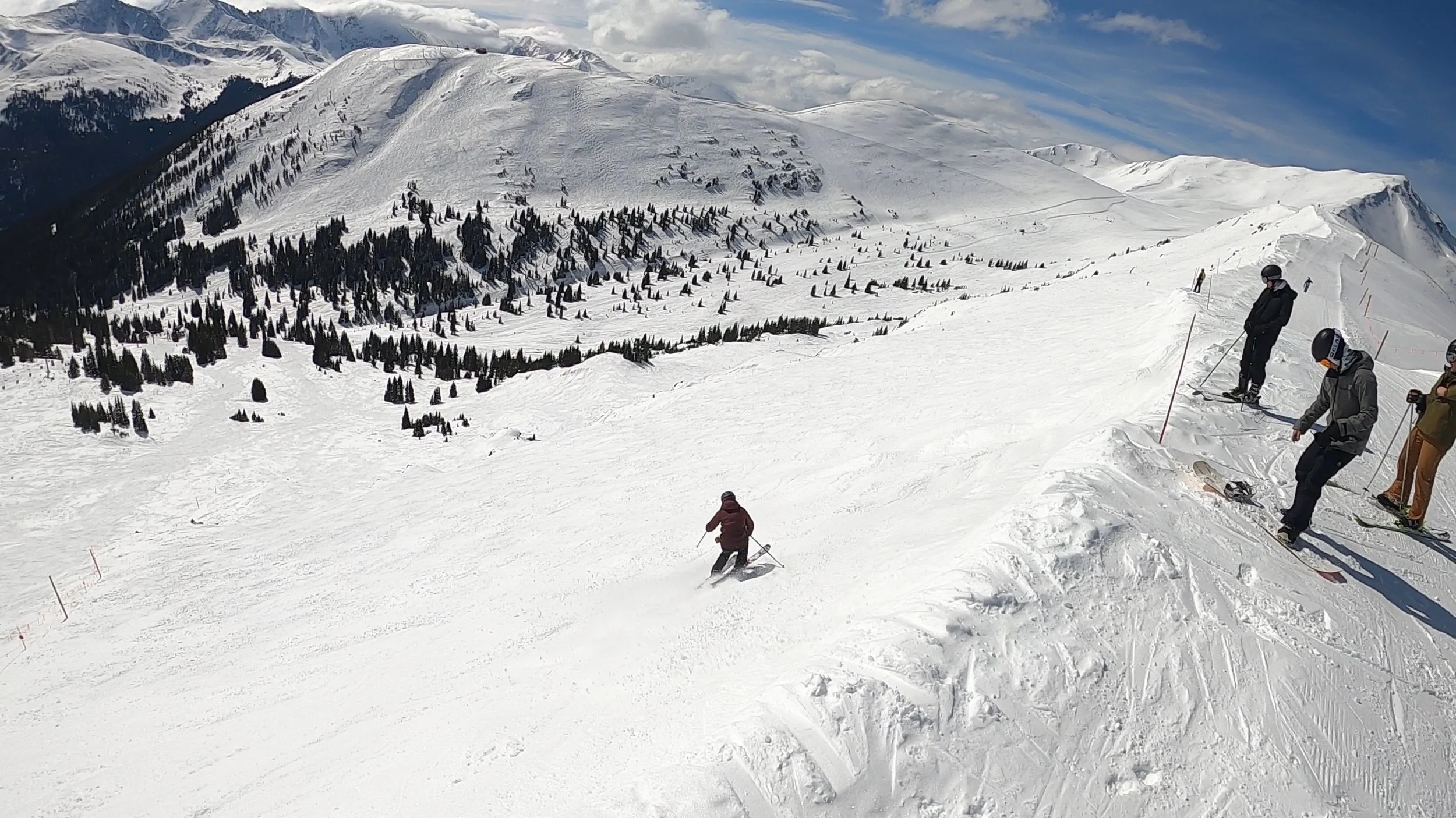
Next up, we stay in Colorado to head to Copper, a resort whose terrain layout makes it an especially strong choice for groups with different ability levels.
Copper’s slopes naturally become more difficult as you move from west to east. Beginners have dedicated learning areas and long, gentle cruisers on the western side, intermediates can explore a wide range of groomers and practice bumps further across the mountain, while experienced guests have plenty of demanding tree and mogul runs on the east side of the resort, plus an extensive collection of fantastic high-alpine bowls in backside areas. This separation helps keep aggressive traffic away from easier terrain without making any one group feel confined to a small resort area, and does so in a way that’s rare at many destination ski resorts. Copper is also a great mountain if you love terrain parks, with features designed for progression across a wide range of freestyle abilities.
But Copper’s infrastructure doesn’t always match the quality of its terrain. The bases have modern, high-capacity lifts, and the Timberline six-pack has upgraded a popular intermediate area. However, many upper-mountain and expert zones still rely on slow, fixed-grip chairs or surface lifts, some of which can be awkward to load and uncomfortable in windy weather.
Stopping for a break can also be inconvenient. Copper’s frontside facilities are reasonably well distributed, but there are no indoor lodges in Copper Bowl or the remote Tucker Mountain area, requiring a lengthy return trip when you want to warm up. The very high altitude is another thing to note for those sensitive to elevation; with a base around 9,700 feet and terrain extending above 12,400 feet, it’s one of the highest resorts on this list. And while the base villages offer enjoyable après, they don’t provide the extensive evening scene of a full ski town.
Copper delivers an impressive range of terrain, especially for visitors who want bowls and have a group with visitors of varying abilities. That said, infrastructure is better at the resorts higher up on this list. 1-day adult tickets can get really steep if bought close to the day of, but Copper also offers some solid deals, including a $99 special on all core-season Thursdays. If you buy in the fall, Copper is also an unlimited partner with no blackouts on both the full Ikon and Ikon Base Passes, plus a 2-4-day partner on the day-ticket-like Ikon Session Pass. For the best value if you’re only skiing or riding Copper, the resort’s flexible Four Pack product is probably the way to go.
1-Day Ticket Range (Core Season):
Adult 13+: $99-$279
Child 5-12: $99-$179
Child 0-4: Free
Pass Options:
Ikon Pass (unlimited)
Ikon Base Pass (unlimited)
Ikon Session Pass (2-4 days total - holiday blackouts)
Four Pack ($409 - $102/day)
#13: Breckenridge
Next up, we move literally to the next ridge over from Copper to cover Breckenridge, one of the country’s best-known ski destinations—and a mountain with enough terrain variety to justify much of that reputation.
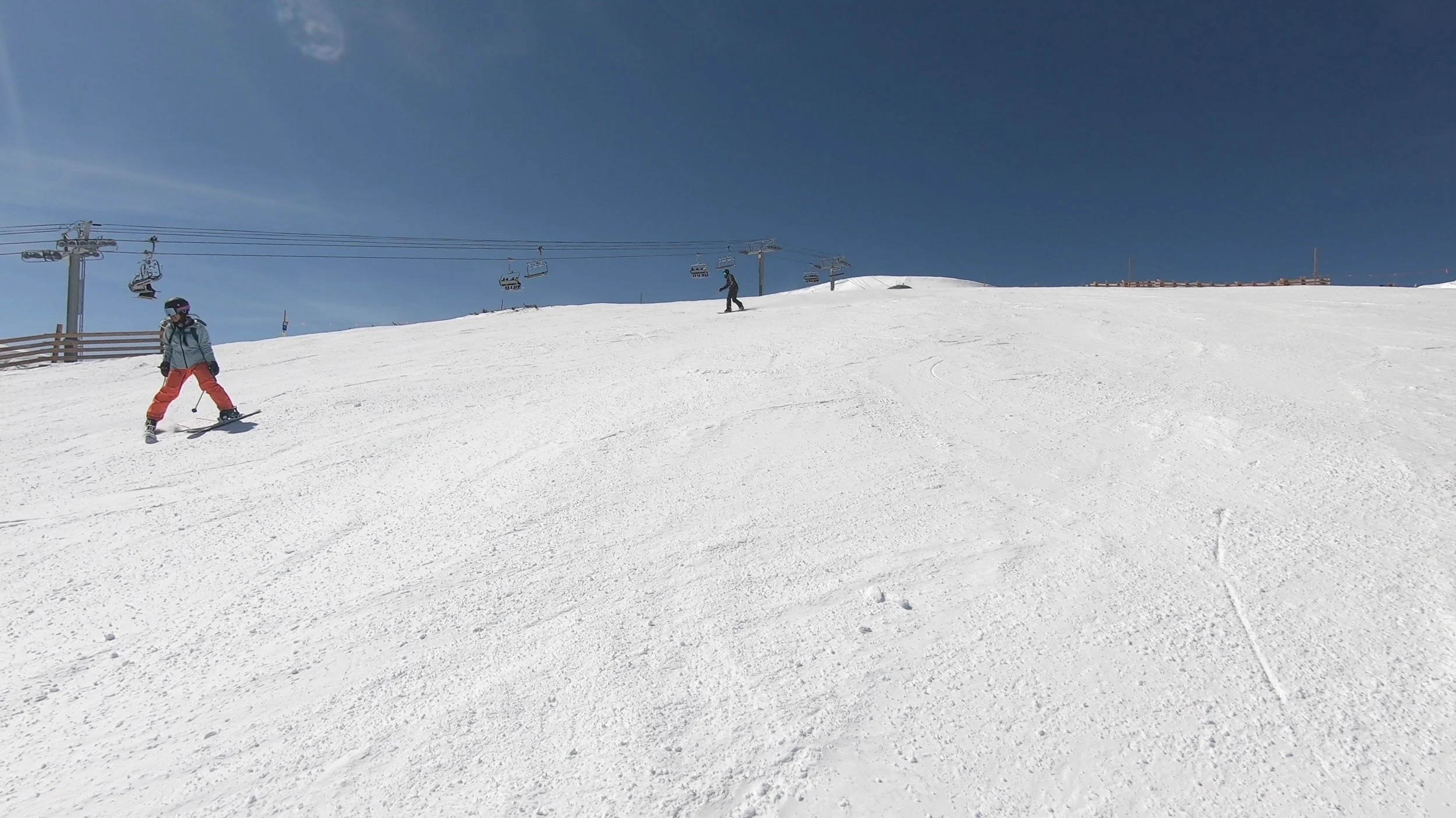
Breckenridge stretches across five peaks, offering everything from mellow groomers to glades to expansive alpine bowls. Speaking of alpine bowl terrain, this is arguably Breckenridge’s defining attraction. The Imperial Express reaches 12,840 feet, making it North America’s highest chairlift, and provides convenient access to open bowl terrain with sweeping mountain views. Over on Peak 6, intermediates have the unique opportunity to ski above-treeline blue-rated terrain. Breckenridge also offers a major advantage off the slopes: its historic town. With extensive restaurants, bars, shopping, and lodging, it’s one of the strongest choices in the country for visitors who want plenty to do after a day on the slopes.
But Breckenridge’s popularity creates some serious drawbacks. Despite high-capacity lifts and recent upgrades on Peaks 7 and 8, weekends and holidays still bring significant lines, especially at the bases. The five-peak layout is also cumbersome to navigate. Moving between certain areas requires indirect lift connections, flat traverses, or doubling back, and it’s easy to spend more time crossing the mountain than actually enjoying the terrain you came for. Also, the same elevation that makes Breckenridge’s bowls so distinctive can result in scoured slopes and wind holds, and just as at Copper, the altitude can be overwhelming.
Breckenridge offers a very well-rounded combination of big-mountain skiing and an excellent town. But crowding, navigation logistics, and inconsistent high-alpine terrain openings keep it from beating out the other resorts on this list. With day tickets that can reach eye-watering rates, securing an Epic Pass product in advance is a must if you want a reasonably-priced vacation here.
1-Day Ticket Range (Core Season):
Adult 13-64: $166-$347
Child 5-12: $108-$226
Senior 65+: $158-$336
Child 0-4: Free
Pass Options:
Epic Pass (unlimited)
Epic Local Pass (unlimited)
Epic Day Pass (1-7 days)
#12: Mammoth
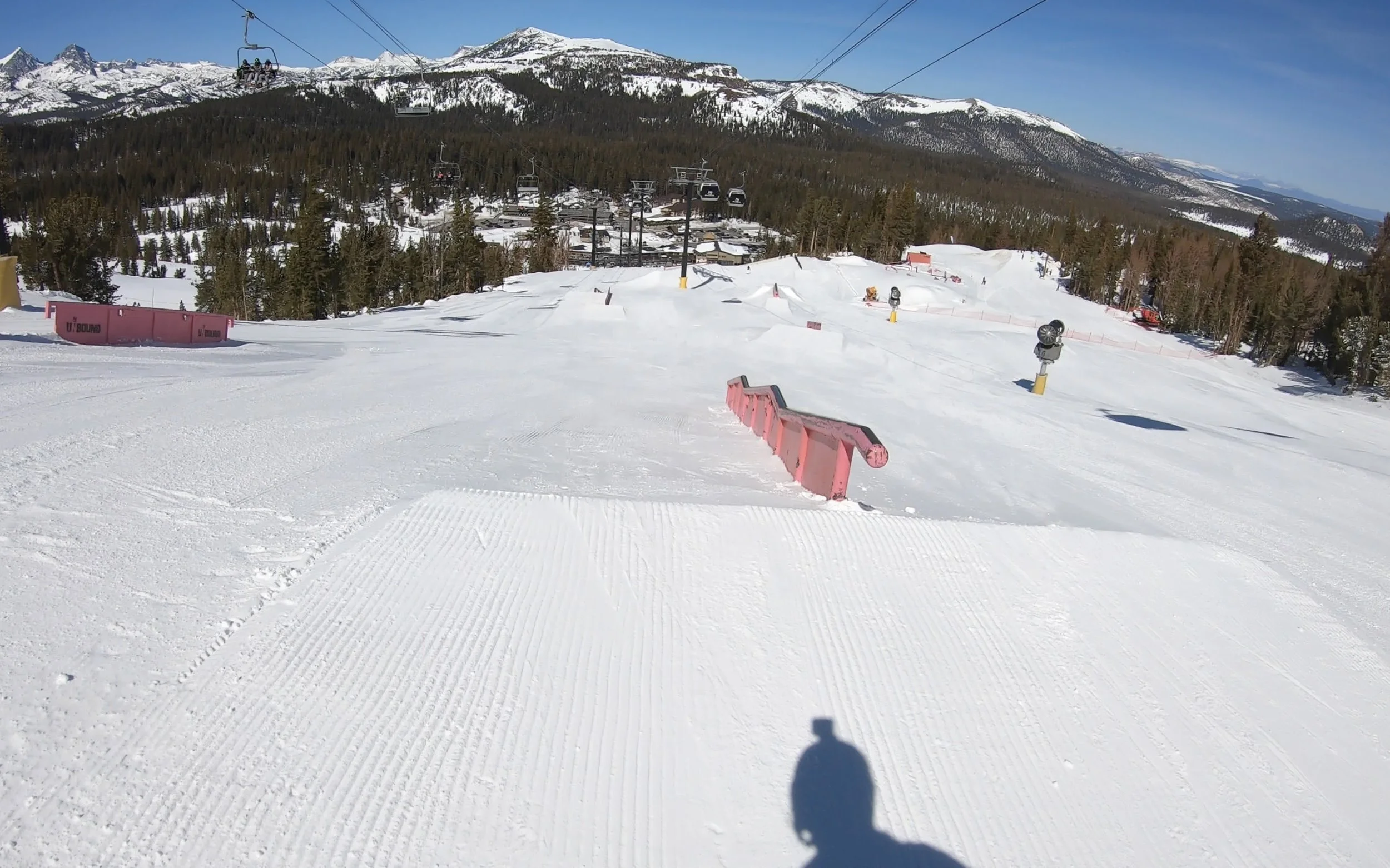
Next up, we head back to California for Mammoth, our top resort in the state and one of the most well-rounded mountains on the West Coast.
Mammoth’s biggest strength is its terrain variety. The wide footprint offers everything from long groomers to enjoyable glades to open bowls to some seriously technical expert lines, with some involving highly consequential straightlines and cliff drops. The resort also stands out in terms of terrain parks, with substantial jumps, rails, and specialty features that cater to just about everyone. And thanks to its relatively high elevation and substantial snowfall, the resort maintains one of the best spring operations in the country, with mountain operations continuing well into summer during exceptional seasons.
But while Mammoth’s elevation helps its snow hold up better than at many other California resorts, it doesn’t eliminate the unpredictability of Sierra Nevada weather. Storms can deliver several feet at once, followed by lengthy dry spells, and warm temperatures or strong winds can leave exposed terrain firm and unpleasant. Upper-mountain wind holds can also shut off access to some of the resort’s best terrain. With a wide, sprawling layout, navigating between different resort areas can still be quite the trek, often requiring indirect lift connections, especially for visitors who aren’t comfortable using the steeper upper-mountain advanced and expert trails. And then, there are the crowds; Mammoth is by far the best ski resort within reasonable driving distance of Southern California, and its population shows up in spades during peak times, with substantial lift lines during weekends and holidays. But while Mammoth is a straightforward drive for some, for visitors flying in, its remote location also makes travel a lot less simple than at many competing destinations.
Mammoth offers an impressive combination of terrain, scale, and scenery, with an especially strong case for a spring vacation. But variable core winter conditions and some logistical issues keep it from placing higher up on this list. Day tickets can get really expensive, but they can also be had for more reasonable rates if bought in advance for off-peak times. If you buy before the end of the fall, Mammoth is also a member of the Ikon Pass suite, and its pre-season Quad Pack+ products can save you significant money if you don’t expect to go on an off-peak weekday.
1-Day Ticket Range (Core Season):
Adult 23-64: $122-$276
Young Adult 13-22: $105-$202
Child 5-12: $61-$118
Senior 65-79: $105-$202
Child 0-4: Free
Pass Options:
Ikon Pass (unlimited)
Ikon Base Pass (unlimited excl. holiday blackouts)
Ikon Session Pass (2-4 days total - holiday blackouts)
#11: Arapahoe Basin
Next up, we head right back to Colorado for Arapahoe Basin, a mountain that earns its place just outside our top ten despite a modest footprint size.
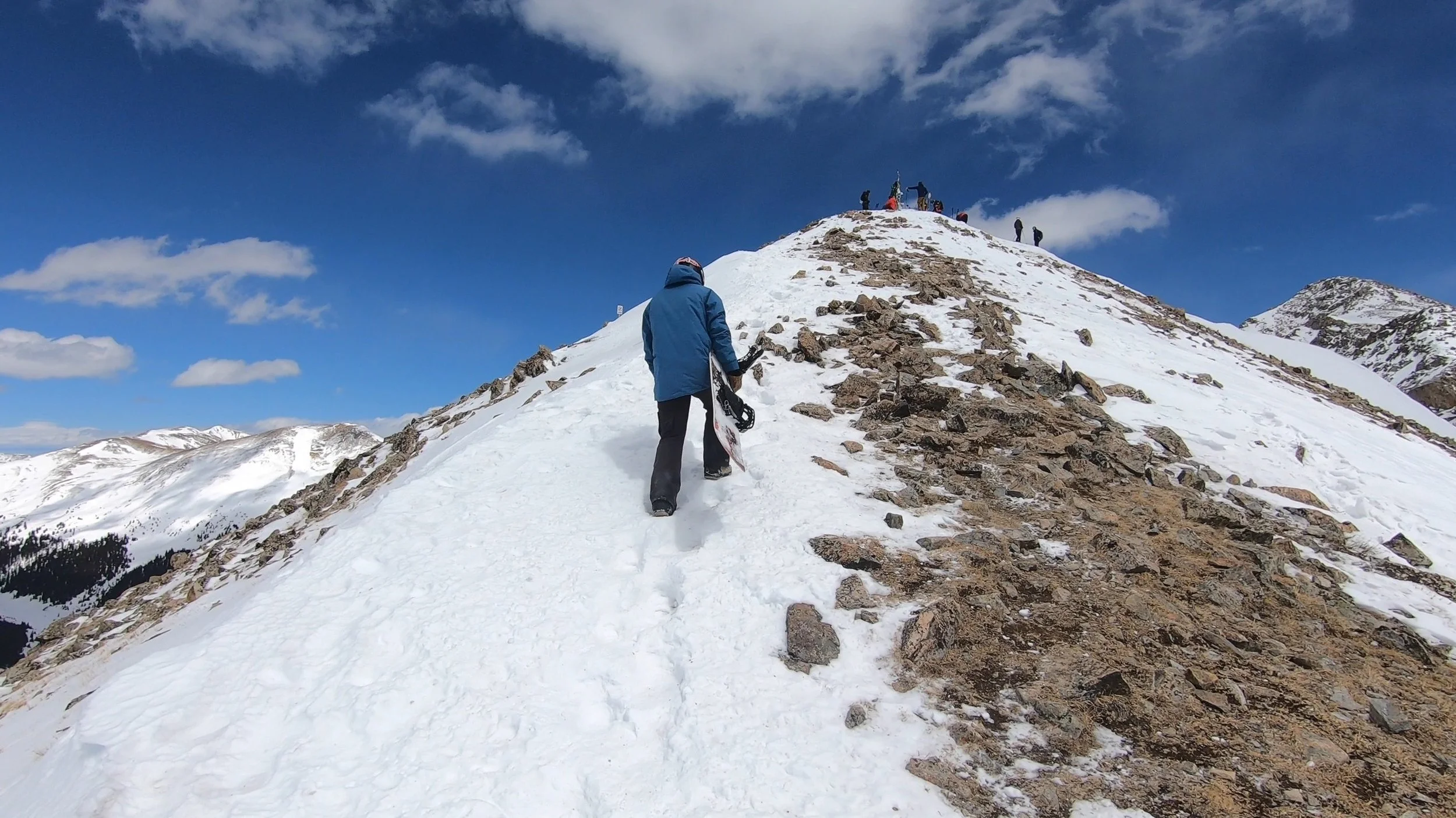
A-Basin’s biggest draw is its advanced and expert skiing and riding. The Pallavicini area offers steep, sustained moguls and technical tree runs that are really hard to find elsewhere in the state, while the Beavers zone is home to an extensive selection of challenging glades. Those willing to venture beyond the directly lift-served terrain can explore the rock-lined chutes of the East Wall or the formidable Steep Gullies, where the pitches and obstacles leave little room for error. But if you’re not an expert, there are also some solid groomers as well, spread across a stunning backdrop of jagged peaks. A-Basin’s high elevation helps it preserve snow, and the mountain maintains an undisturbed, local feel despite sitting close to several major Colorado destinations.
But Arapahoe Basin does come with its fair share of drawbacks. With just a 1,400-acre footprint, the resort is limited in size compared to most other mountains on this list, especially for those below advanced proficiency. And speaking of ski slopes for proficient guests, some of the most iconic expert zones need substantial coverage before they can open, often not being open until February or even March. One could also argue A-Basin’s lift network is a downside; several important zones still rely on slower fixed-grip chairs, and several expert areas require hiking in or out. Finally, A-Basin has no on-site lodging or resort village, meaning those looking for a destination vacation setup will need to stay elsewhere.
For experienced skiers and riders, A-Basin offers a distinctive experience that’s hard to replicate, but it’s for a certain type of person, and the top ten on this list are more well-rounded. 1-day adult tickets top out at over $200 for peak weekends and holidays, but they can often be had for much more reasonable rates if bought well in advance. Arapahoe Basin is also now an unlimited partner on both the full Ikon and Ikon Base Passes, as well as a 2-4-day partner on the Ikon Session Pass, although if you only plan on visiting Arapahoe Basin this winter and can buy before the end of the fall, the best pre-season option will be one of their Any Day or Midweek Day Packs.
1-Day Ticket Range (Core Season):
Adult 23-69: $80-$209
Young Adult 13-22: $64-$157
Child 5-12: $51-$126
Senior 70+: $64-$157
Child 0-4: Free
Pass Options:
Ikon Pass (unlimited)
Ikon Base Pass (unlimited excl. holiday blackouts)
Ikon Session Pass (2-4 days total - holiday blackouts)
Any Day Pack (3-5 days: $269-$359)
Midweek Pack (3 or 5 days: $229-$319 - midweek only)
NOTE: Unlimited access on the Ikon Base Pass is new this season.
#10: Alyeska
Breaking into our top ten, we head all the way up to Alaska to cover Alyeska, a resort whose extraordinary surroundings and remote location deliver an experience unlike anywhere else in the country.
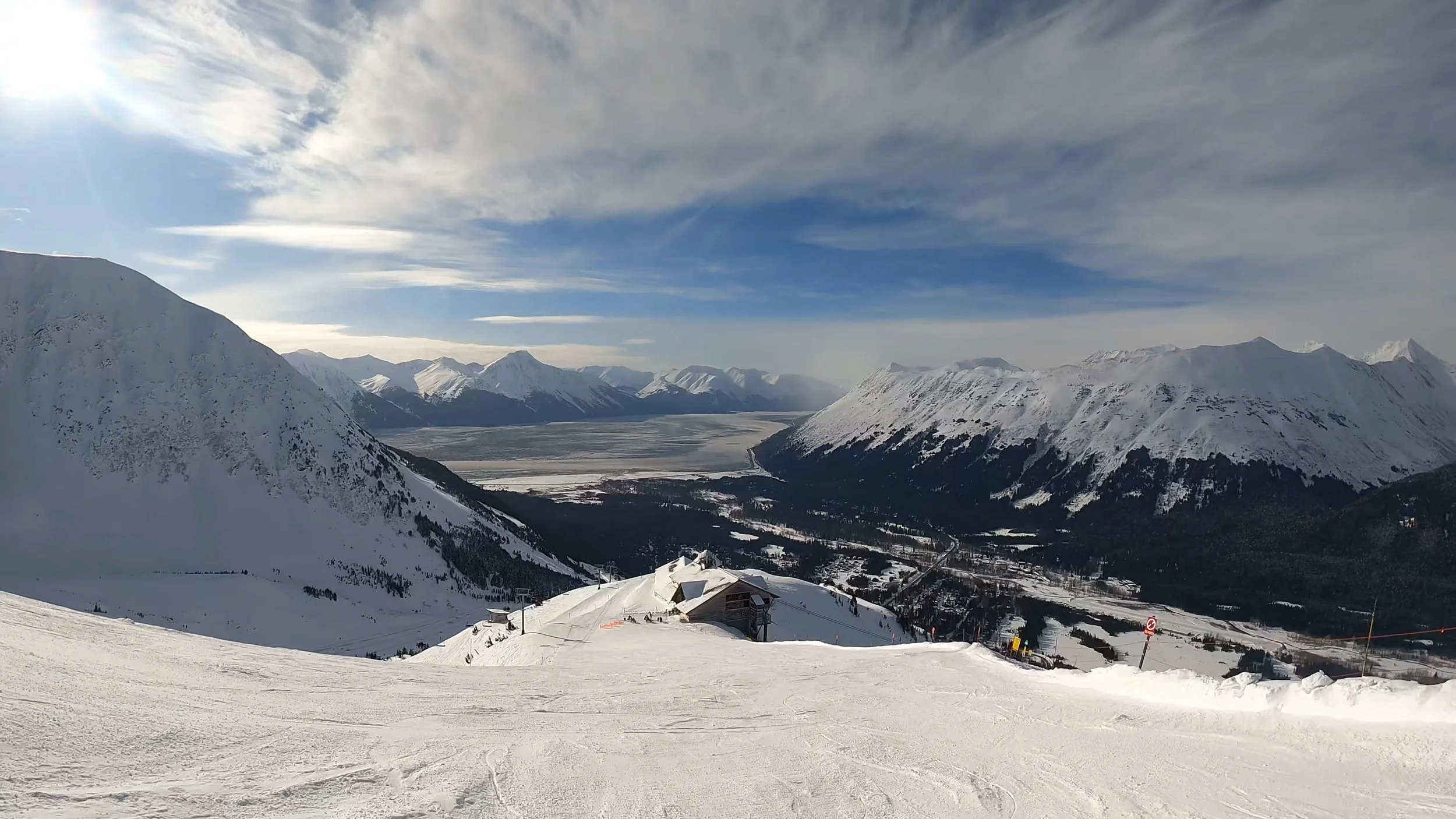
Alyeska’s scenery is likely to blow you away. Jagged peaks rise above the resort, while the vast waters of Turnagain Arm are laid out below. This, along with minimal development, makes even an ordinary groomer feel exotic compared to the typical American ski vacation. But if you’re not looking to stick to the groomers, the mountain backs up those surroundings with some seriously mettle-testing terrain, with sustained steeps and highly-consequential chutes across the resort. Alyeska can also receive enormous snowfall, allowing deep coverage to build across terrain that would otherwise be dominated by exposed rock.
But impressive snowfall totals don’t guarantee consistent conditions. Alyeska sits very close to sea level, and warm storms can bring rain to lower elevations even if snow accumulates higher on the mountain. Accumulation is often heavier than Rockies powder, and conditions vary substantially between seasons. Alyeska is also a smaller ski resort than most other offerings on this list; by our measurements, it offers just over 1,200 acres of skiable terrain, and less than 1,000 of that can be accessed without hiking.
And one thing that can be either a pro or con depending on when you visit is timing. Midwinter brings short daylight hours, while later-season visits offer much longer sun, including sunsets at 8pm or later. And regardless of whether it’s light or dark out, Alyeska does offer night skiing through 8pm on Thursdays through Saturdays for much of the core season.
Alyeska is great for experienced skiers and riders who want their next ski vacation to feel exotic, but it’s less consistent and a lot smaller than the resorts higher up on this list. If you can make it all the way up to Alyeska, 1-day adult tickets are among the most reasonable on this list; the resort is also a member of the Ikon Pass suite.
1-Day Ticket Range (Core Season):
Adult 18-64: $77-$127
Teen 13-17: $51-$74
Child 6-12: $25-$44
Child 0-5: Free
Pass Options:
Ikon Pass (7 days)
Ikon Base Pass (5 days - holiday blackouts)
Ikon Session Pass (2-4 days total - holiday blackouts)
Peak Pass ($69 - Alaska residents only)
#9: Beaver Creek
Next up, we return to Colorado for Beaver Creek, a resort best known for luxury hospitality, but one that packs a lot more of a punch than its reputation might suggest.
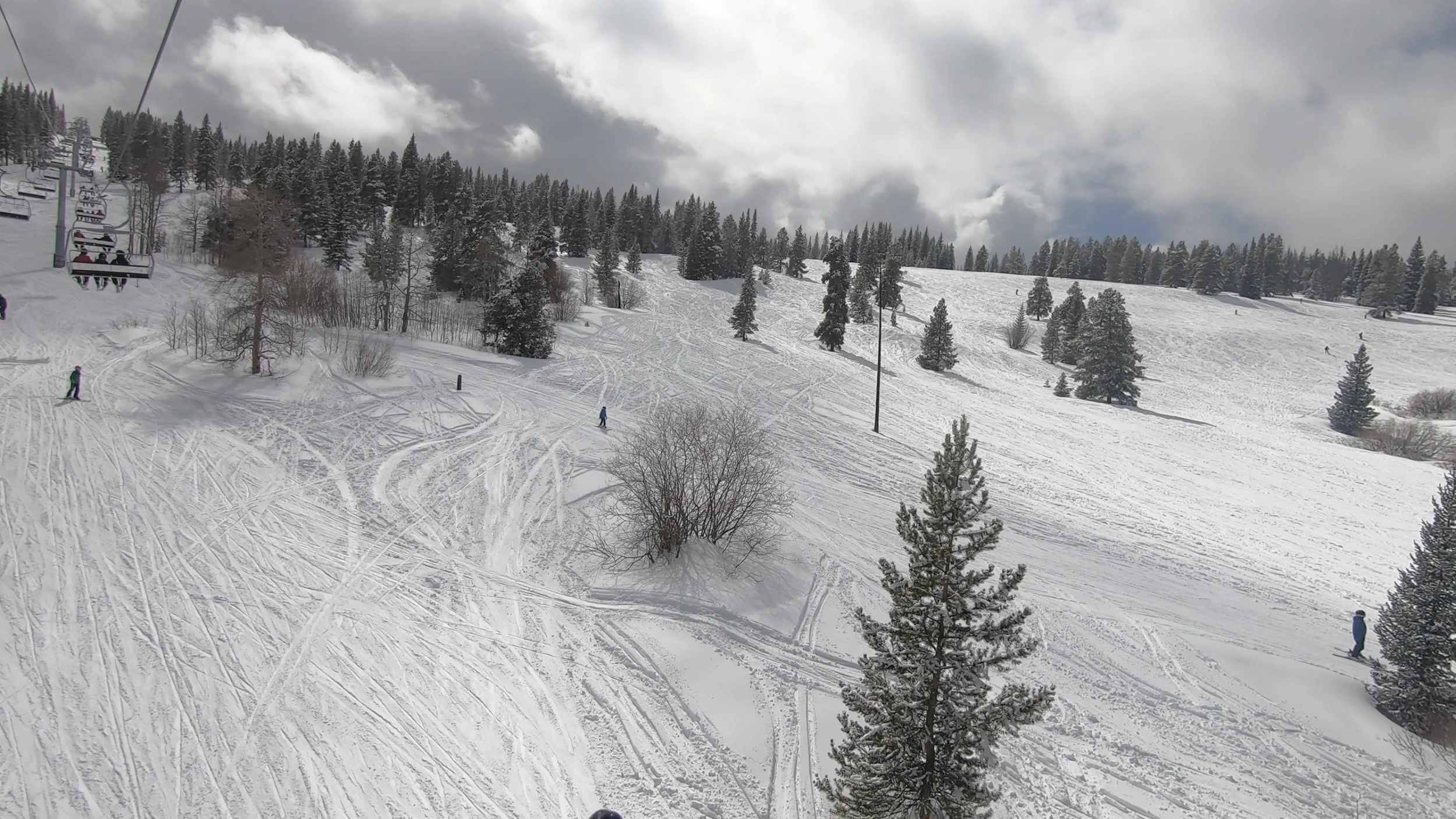
Beaver Creek’s infrastructure is of course among the best on this list. High-speed lifts serve nearly every major terrain zone, and large, comfortable lodges are widespread around the mountain. The resort also generally sees more manageable crowds than its better-known neighbors, making it especially appealing during busy weekends and holidays.
But the terrain is what earns Beaver Creek its status as a top-tier destination-worthy vacation. The mountain offers exceptionally long, sustained mogul runs, offering a serious endurance test hard to find even at some of the best other resorts on this list. At the other end of the spectrum, McCoy Park offers one of the most distinctive beginner and low-intermediate experiences in Colorado, with varied glades and wide-open meadows.
But Beaver Creek has one significant omission: true above-treeline skiing. Despite the beginner-oriented open terrain in McCoy Park, the resort lacks the expansive alpine bowls found at most of the mountains higher up this list. And the resort feels pretty built-up and ritzy, which won’t be for everyone.
Beaver Creek is a great choice for those who want a seamless vacation, but also surprisingly for those who don’t want to sacrifice demanding ski slopes. However, the luxury setting also comes at a substantial cost. 1-day adult tickets now top out at a jaw-dropping $392, giving it the highest peak lift ticket cost of anywhere in the country, and probably the world. For access, buying an Epic Pass product in advance is really the only reasonable way to go.
1-Day Ticket Range (Core Season):
Adult 13-64: $219-$392
Child 5-12: $152-$270
Senior 65+: $210-$382
Child 0-4: Free
Pass Options:
Epic Pass (unlimited)
Epic Local Pass (10 days shared with Vail + Whistler - holiday blackouts)
Epic Day Pass (1-7 days)
#8: Snowbasin
Next up, we return to Utah for Snowbasin, a mountain that sits a little bit north of most of the well-known destinations in the state.
Snowbasin stands out for its stunning views and well-rounded terrain. The resort is surrounded by jagged peaks that offer a distinct big-mountain feel. And there’s plenty of terrain to go around for anyone ranging from intermediate to expert, with a mix of groomers, mogul runs, glades, steep chutes, and open bowls for a variety of ability levels.
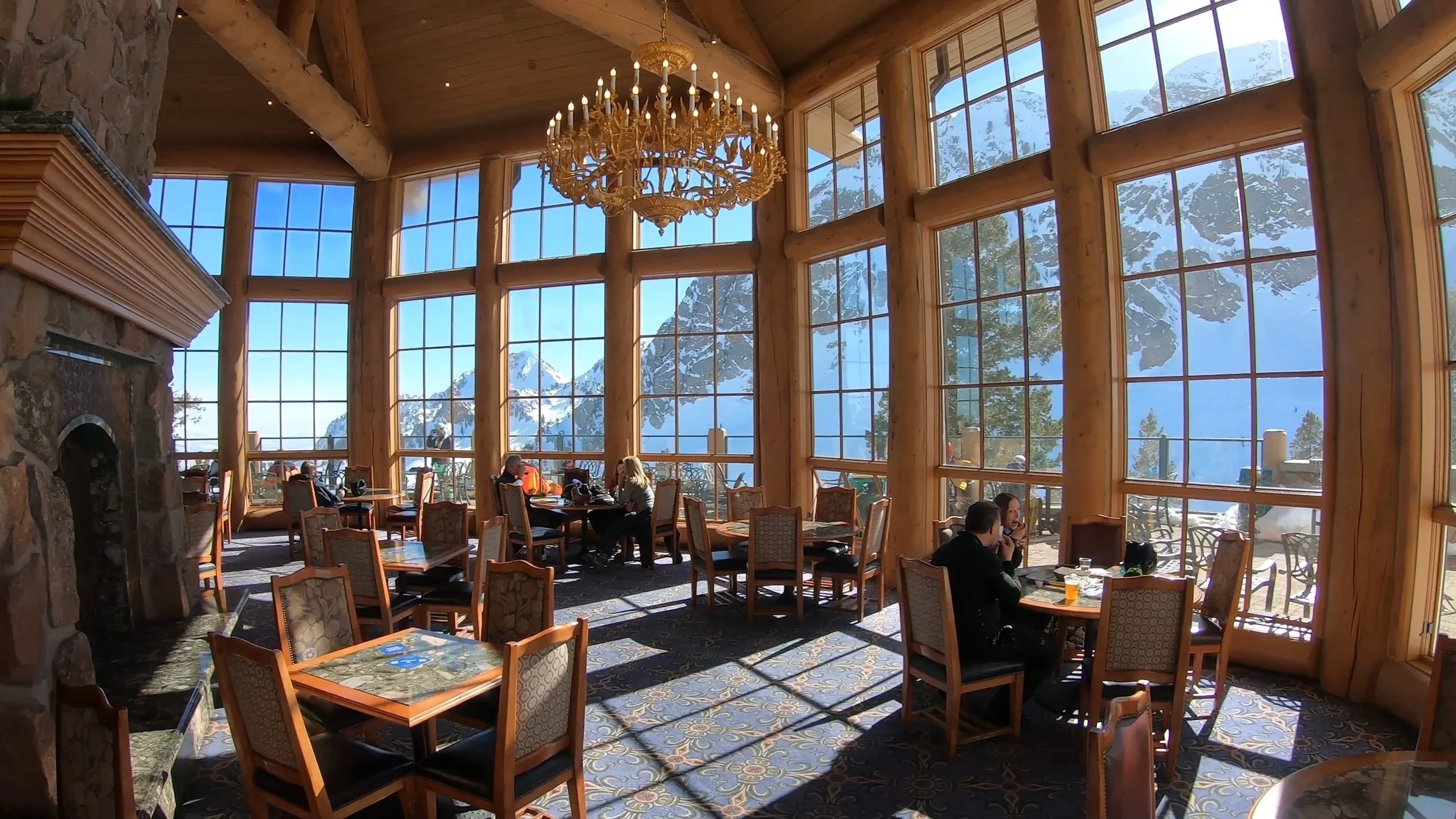
But Snowbasin’s biggest strength is arguably its facilities setup. The resort’s on-mountain lodges are among the most luxurious we’ve tried anywhere, with comfortable, almost-throne-like seating, grandiose architecture, and incredible panoramic views, with, perhaps most importantly, convenient locations that make stopping for a break exceptionally easy. Combined with generally manageable lift lines, high-speed lifts almost everywhere, and relatively little on-mountain development, the resort offers a cushy experience without feeling overly commercialized.
But even with those niceties, Snowbasin can’t escape all its natural weaknesses. Snow reliability is a significant concern. The resort receives less accumulation than the Cottonwood Canyon mountains and bottoms out at a lower elevation, making it more vulnerable to warm spells. The resort also has limited beginner terrain, and experts looking for the most extreme chutes and cliff features will find stronger options elsewhere. Finally, there’s no on-site lodging or substantial base village, so a vacation here involves traveling to the mountain each day and looking elsewhere for evening activities.
Snowbasin is an excellent choice for skiers and riders who want varied terrain, beautiful surroundings, and exceptional lodges, but snow vulnerabilities and lack of slopeside accommodations hurt it against the best resorts on this list. 1-day lift tickets can get really expensive, although if you’re looking to visit multiple mountains this year, the resort can also be accessed through the full Ikon or Mountain Collective Passes.
1-Day Ticket Range (Core Season):
Adult 13-64: $172-$253
Child 5-12: $107-$172
Senior 65+: $129-$253
Child 4 & under: Free
Pass Options:
Ikon Pass (7 days - full pass only)
Mountain Collective (2 days)
Basin Flex Card (2-5 days: $350-$525 for adults 27+)
#7: Big Sky
Next up, we head to Montana for Big Sky, one of the biggest ski resorts in the country and one that stands out for an extraordinary range of terrain for all ability levels.
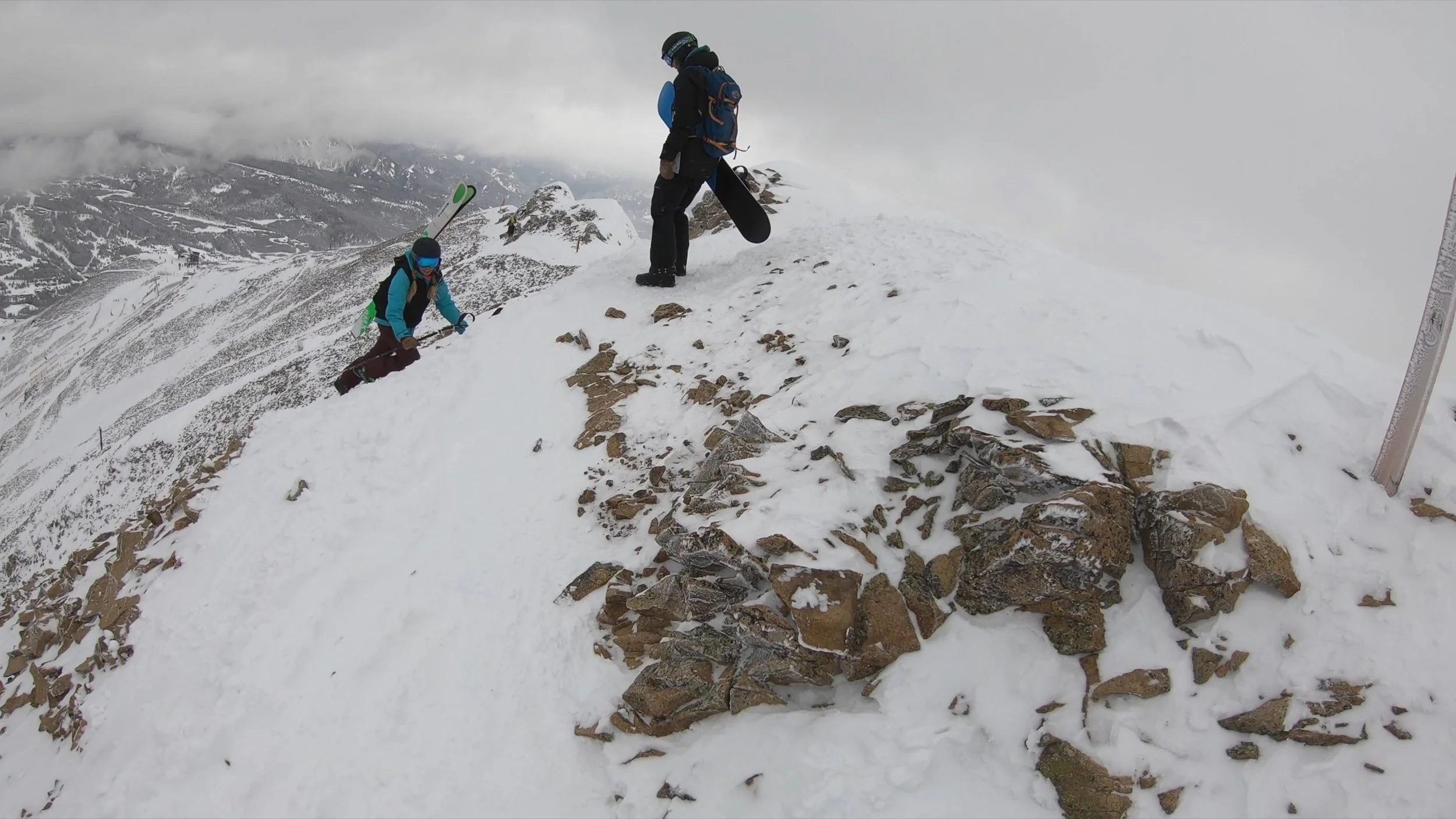
Indeed, Big Sky’s biggest strength is that it offers a fantastic terrain experience for just about everyone. Beginners can explore well beyond the main learning area, intermediates have extensive groomers, glades, and bowls, and advanced visitors have days’ worth of demanding ungroomed mogul and tree terrain. For experts, Big Sky is one of the best in the world, with an upper mountain offering extraordinarily steep, sustained descents, including the exposed Headwaters terrain and blood-curdling challenges off the resort summit such as the notorious Big Couloir. Combined with one of the most iconic backdrops in the country, thanks in large part to the towering Lone Peak and very remote setting, as well as some substantial recent lift investments, Big Sky has the fundamentals for a truly exceptional ski vacation.
However, Big Sky still has a couple of issues. Despite the recent lift improvements, getting around can still be a pain, with some indirect lift connections and flat traverses required to get from place to place. In addition, some peripheral areas retain slow lifts, and finding a convenient place to stop for a break can be harder than expected. And depending on your pass product, tram access can be a significant complication. Regular lift tickets and some pass products include unlimited rides, but Ikon and Mountain Collective visits require a separate per-ride payment. That means some of the resort’s most iconic terrain and best views cost extra to get to, even if you’ve already paid for normal lift access.
Big Sky offers an outstanding combination of scale, terrain variety, and scenery, with a substantially improved lift network. But its remaining logistical problems and complicated access costs keep it from the very top of this list. 1-day adult tickets can reach extraordinarily steep rates for peak holiday periods, and they may not be worth it even if you want to ride the tram. If the tram is a priority and you don’t plan on skiing or riding anywhere else this season, Big Sky’s tram-inclusive Freestyle Pass may be a better deal than Ikon or Mountain Collective.
1-Day Ticket Range (Core Season):
Adult 15-69: $144-$301
Junior 7-14: $74-$192
Senior 70+: $112-$259
Child 0-6: $1
Pass Options:
Ikon Pass (7 days)
Ikon Base Pass (5 days - holiday blackouts)
Ikon Session Pass (2-4 days total - holiday blackouts)
Mountain Collective (2 days)
Freestyle Pass (3-7 days: $479-$839)
NOTE: Tram access excluded on Ikon and Mountain Collective.
#6: Telluride
Next up, we head to southwest Colorado for Telluride, a resort with spectacular surroundings and remarkably well-rounded terrain that make it one of the most compelling ski destinations in the country—albeit with one significant catch.
Telluride’s scenery will catch your eye immediately. Jagged peaks surround the mountain, while the historic town is tucked into a dramatic box canyon. Upper-mountain runs offer expansive views in nearly every direction, and the resort feels unusually remote even by Colorado standards.
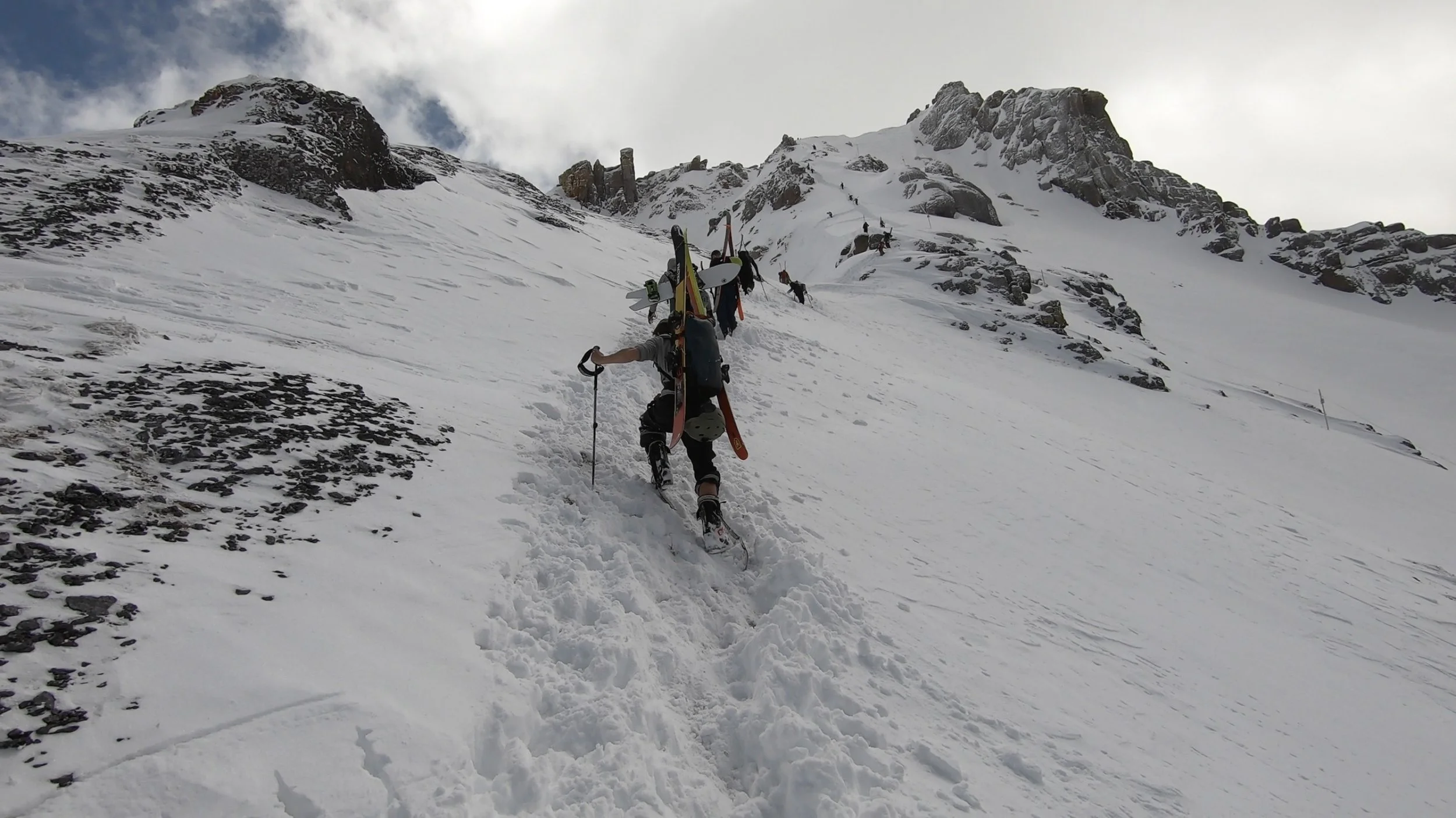
But Telluride earns this position through more than its looks. The resort offers exceptionally-well-rounded terrain from an ability-level standpoint for basically everyone above true beginner proficiency, with a range of cruisers, glades, mogul runs, and high-alpine bowls. And for those looking for a truly unparalleled in-bounds challenge, experts willing to hike can reach the Gold Hill Chutes and Palmyra Peak, the latter of which takes more than two hours to bootpack to, and all of which provide a substantially different level of challenge from the lift-served slopes below.
However, Telluride’s major Achilles heel is its snow reliability. While snow quality is reliably excellent, Telluride receives less accumulation than many competing Colorado resorts, so core season coverage can be a lot slower to develop than the other mountains on this list. The resort’s most extreme hike-to terrain needs substantial snow and favorable weather conditions to open, and visitors booking in advance will have a tough time planning around those areas being available. Finally, Telluride’s remote location makes it pretty difficult to get to.
Telluride delivers an exceptional combination of terrain and scenery, with an incredible town to boot. But lackluster average snowfall and variable expert-terrain openings keep it just outside our top five. Telluride’s lift tickets are among the most expensive in the country, with 1-day adult tickets topping out at over $340 after tax. Telluride is a member of the full Epic Pass, which includes seven days, while it’s also on the highest tier of four-to-seven-day Epic Day Pass product; however, the resort is not a member of the Epic Local Pass.
1-Day Ticket Range (Core Season):
Adult 13+: $270-$341
Child 6-12: $156-$220
Toddler 5 & under: Free
Pass Options:
Epic Pass (7 days, then 50% off tickets - full pass only)
Epic Day Pass (4-7 day version of highest-tier product only)
6-Day Pack ($800 - $133/day)
10-Day Pack ($1,200 - $120/day)
T Card ($150)
NOTE: Epic Pass reservations required; physical pass card needed. Packs and T Card sales ended Nov 15.
#5: Vail
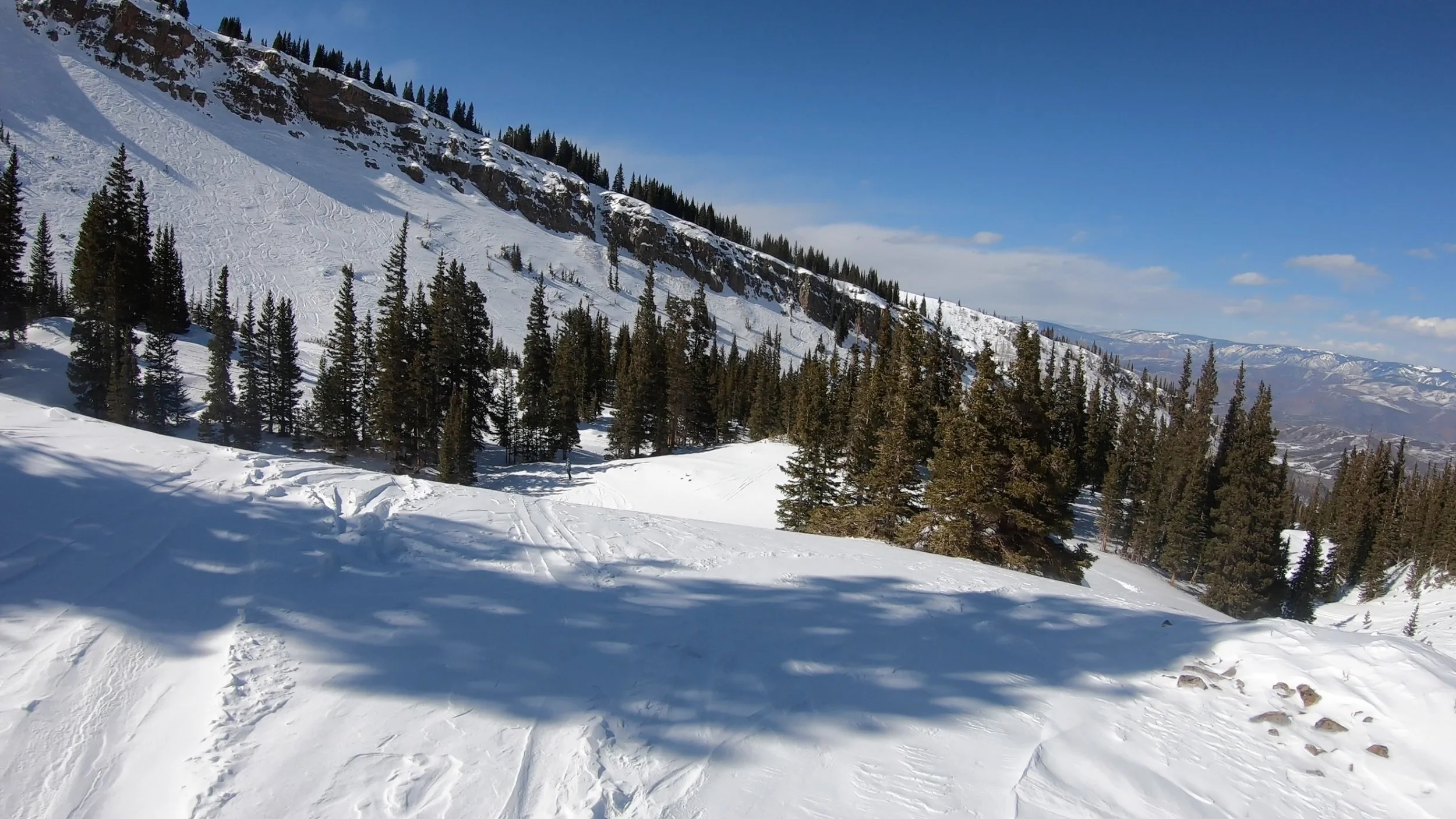
Entering our top five, we stay in Colorado for one of the most well-known ski resorts in the world, Vail. The resort has become especially infamous for the massive parent company with which it shares its name, but that growth didn’t come from nowhere, and it’s thanks in large part to the mountain itself’s incredible overall experience.
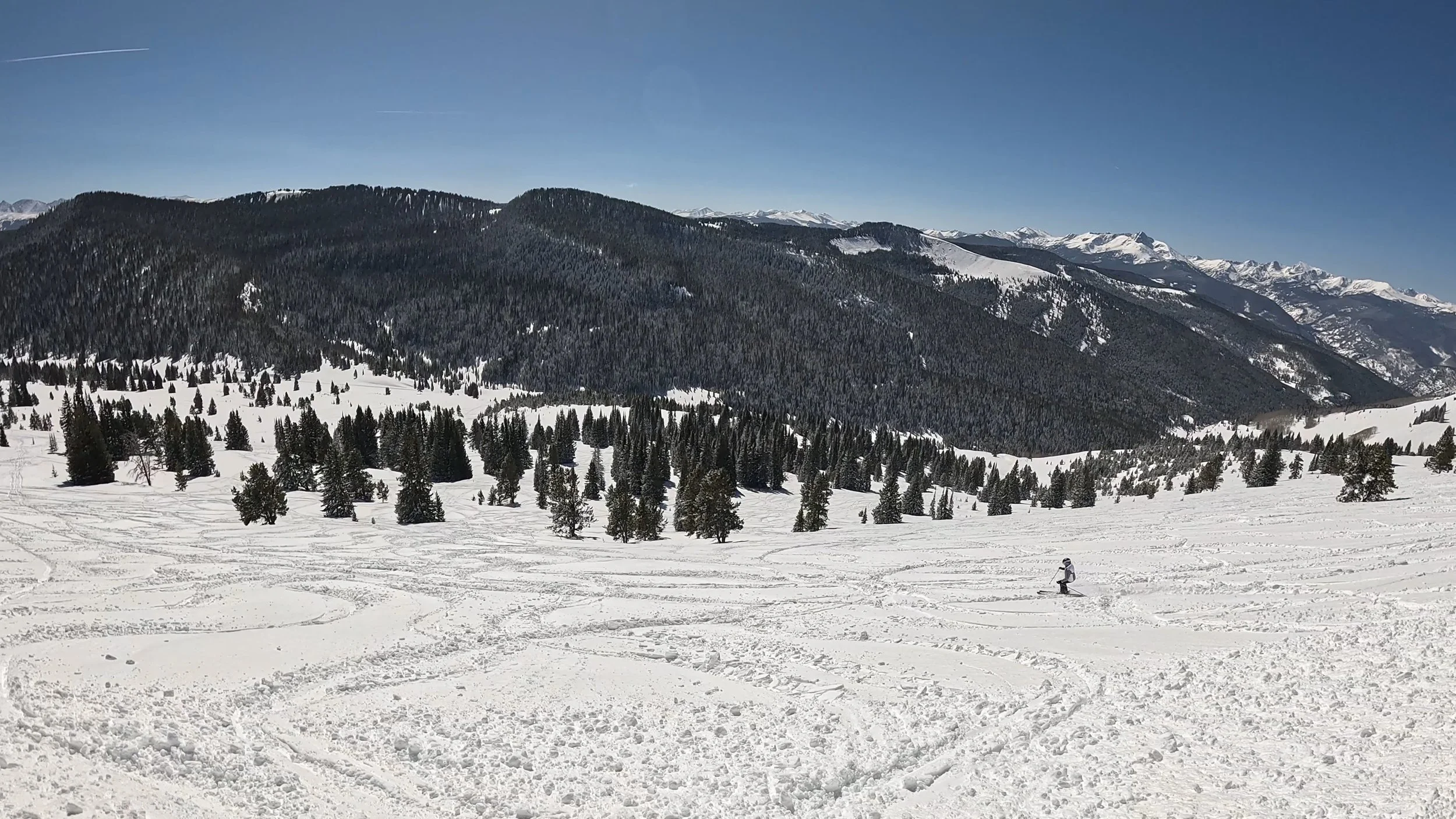
With more than 5,300 skiable acres, Vail offers an extraordinary amount to explore. The front side has extensive groomers, demanding mogul runs, and a wide variety of tree terrain, making for one of the most well-rounded resort experiences in the states even on its own. But Vail truly stands out in its furthest reaches. The resort’s Back Bowls open into seemingly endless ridgelines with a broad, uninterrupted scale that perhaps no other resort can match. Further back, Blue Sky Basin offers some of the best glades in the country, with natural-feeling slopes that feel totally isolated from the outside world. Altogether, these areas give Vail so much variety that a week may not be long enough to fully do it justice. And with high-speed lifts in nearly every major mountain area, it’s a fast journey to get around all of that terrain.
But speaking of all that terrain, Vail’s size does create some frustrations. Reaching the most remote terrain can take multiple lifts and traverses, and returning from backside areas requires planning your afternoon carefully so you don’t end up at the wrong base. Popular lifts can also develop substantial lift lines during the busiest periods. And finally, despite its abundance of steep bowls, bumps, and trees (as well as a few cliffs here and there), Vail offers very little truly extreme skiing.
Vail is a dream-come-true for visitors who want a huge mountain with modern lifts and an extensive village experience. But the top four on this list have better expert terrain and slightly easier navigational logistics. However, Vail’s biggest drawback is its cost. 1-day adult tickets top out at a staggering $389 after tax, and even in-advance tickets start at over $200. If you plan on visiting here, an Epic Pass product is a must to get an even remotely reasonable rate.
1-Day Ticket Range (Core Season):
Adult 13-64: $217-$389
Child 5-12: $151-$268
Senior 65+: $209-$379
Child 0-4: Free
Pass Options:
Epic Pass (unlimited)
Epic Local Pass (10 days shared with Beaver Creek + Whistler - holiday blackouts)
Epic Day Pass (1-7 days)
#4: Snowmass
Next up, we head back to the Aspen area one more time, where Snowmass takes the #4 spot—and also ranks as our top ski resort in Colorado. This mountain combines an exceptionally well-rounded terrain footprint with the lifts, facilities, and slopeside accommodations you’d expect from one of the country’s most ritzy ski destinations.
Snowmass boasts over 3,300 acres, with enough terrain diversity to keep a variety of guests entertained for a weeklong trip. Intermediates get an outstanding selection of long cruisers, while advanced visitors can explore extensive moguls, glades, and bowls. And despite its family-friendly reputation, Snowmass packs some serious expert terrain, with steep chutes and consequential cliff features in its Cirque and Hanging Valley areas. The resort also stands out for dependable snow, plus stunning upper-mountain views that include the Maroon Bells. Add in recent lift improvements that have greatly improved on-mountain logistics, and there’s a lot more to this resort than its luxury reputation.
But Snowmass still has a few drawbacks. Getting between certain mountain areas requires indirect trail routing, and the most extreme terrain can be difficult to locate without knowing where to go. Beginners have excellent learning facilities, but very few green trails for exploring the broader mountain. And as with all of the Aspen Snowmass mountains, there’s the logistics of actually getting there. Flying into nearby Aspen is convenient when everything goes well, but flights can be expensive and extremely unreliable, while driving from Denver takes more than four hours even in good conditions.
So few resorts deliver such a complete experience across terrain diversity, footprint size, and on-mountain amenities to beat out Snowmass. However, Snowmass doesn’t quite stand out snow and terrain wise to beat out the top three on this list.
Lift tickets, which work across all four Aspen Snowmass mountains, are very expensive, topping out at over $300 for peak travel periods. Snowmass is also a participant on both the Ikon and Mountain Collective Passes, and new for 2026-27: the Ikon Base Pass now includes five days at Snowmass, subject to holiday blackouts, although that access does not extend to the other three Aspen Snowmass mountains.
1-Day Ticket Range (Core Season):
Adult 18-64: $249-$309
Teen 13-17: $174-$216
Child 7-12: $174-$216
Senior 65+: $174-$216
Child 0-6: Free
Pass Options:
Ikon Pass (7 days across all 4 Aspen Snowmass mountains)
Ikon Base Pass (5 days w. holiday blackouts - Snowmass only)
Mountain Collective (2 days)
Aspen Snowmass Flex Pass ($799-$1,049 - sales ended Oct 30)

#3: Snowbird
Taking the bronze medal on this list is Utah’s Snowbird, which combines some of the best snow in the country with an exceptionally rugged mountain experience.
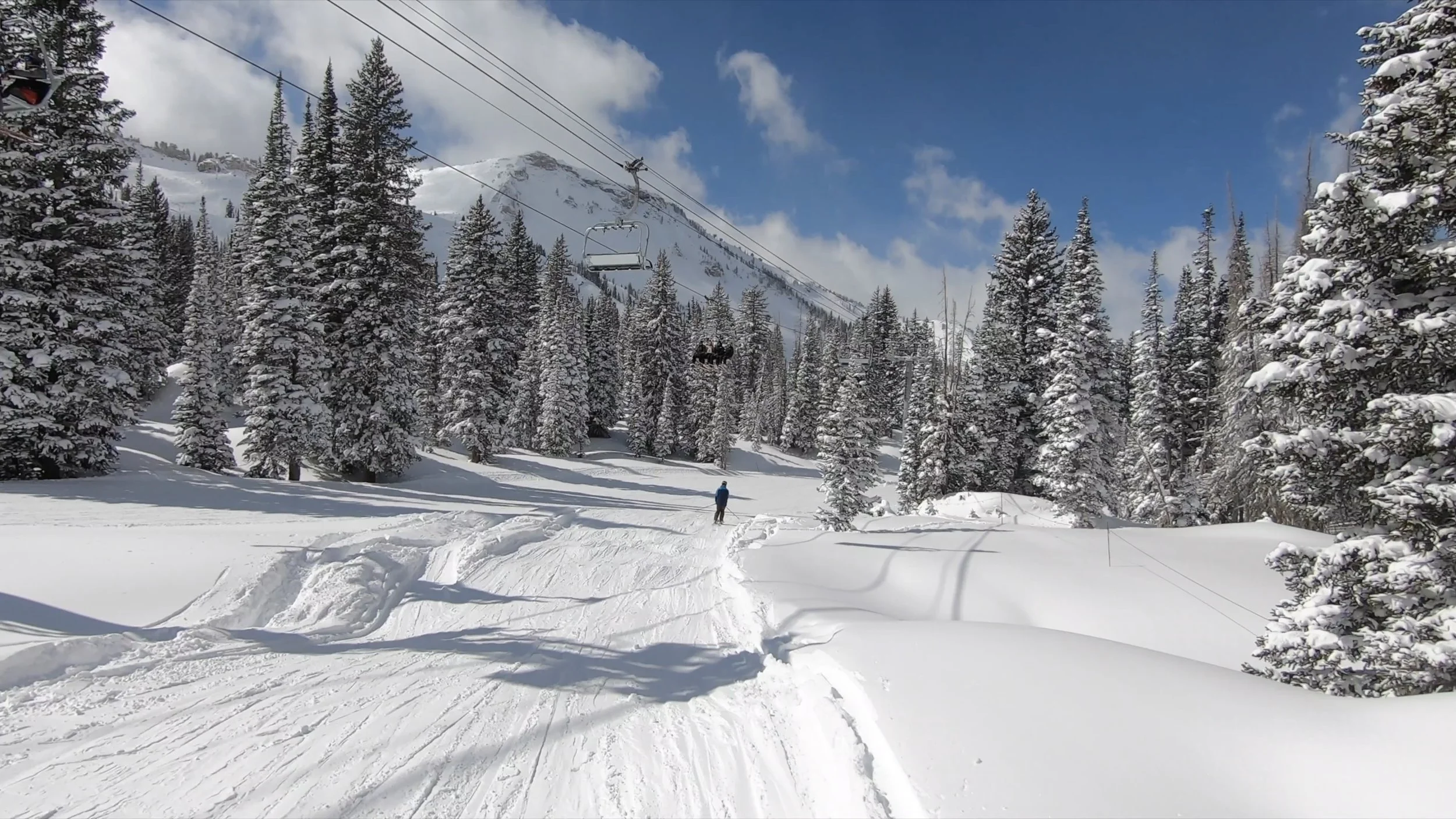
Snowbird’s biggest advantage is its accumulation. The resort averages over 500 inches annually, with frequent storms delivering the dry, light powder that makes this part of Utah so famous. And for confident skiers and riders, the terrain underneath that snow is extraordinary. Across 2,500 acres, Snowbird offers a range of sustained mogul runs and expansive bowls, with wild chutes and cliff features concentrated along its ridgelines. All the while, the surrounding Wasatch scenery makes exploring the mountain visually spectacular. Snowbird also pairs that rugged terrain with some clever infrastructure. Most lifts are high-speed, and there’s even a conveyor-equipped tunnel through the mountain, connecting the top of Peruvian Express to Mineral Basin. And the new Nest restaurant, which replaced Mid-Gad for the 2025-26 season, provides a substantially refreshed place to stop for lunch.
But Snowbird’s demanding character also limits its appeal. Beginners have relatively little terrain to explore, and even many of the blue runs can feel intimidating. Repeatedly lapping the toughest lines often involves traverses or multiple lifts, while substantial lift lines can build, especially at the tram and Mineral Basin Express. Another issue, especially if you’re staying off-site, is access. Little Cottonwood Canyon’s two-lane road can suffer severe congestion and avalanche closures, and while staying slopeside avoids a daily commute, lodging choices are limited and generally expensive, and there’s no real ski town for evening après.
But for those who prioritize powder and challenging terrain, Snowbird offers one of the most extraordinary packages in the United States. But the two resorts higher up on this list are just a little bit more reliable. 1-day adult tickets have risen in recent years, and while they’re not the worst offenders, peak entry is still really steep. If you plan on visiting multiple resorts this year, the resort is also a member of the full and Base Ikon Passes, as well as a two-day member of the Mountain Collective Pass. If you plan on visiting for a week, Snowbird’s Flex 5 Pass will be by far the most reasonable way to get access, although it’s likely to go off sale before the end of the fall.
1-Day Ticket Range (Core Season):
Adult 13-64: $187-$257
Child 7-12: $113-$154
Senior 65+: $159-$218
Child 0-6: Free
Pass Options:
Ikon Pass (7 days shared with Alta)
Ikon Base Pass (5 days - holiday blackouts)
Mountain Collective (2 days)
Flex-5 ($679 - $136/day)
#2: Alta
Just up the canyon from Snowbird, Alta takes our runner-up spot on this list—and ranks as our top ski resort in Utah. But emphasis on the "ski" in ski resort, as we will caveat up front that Alta does not allow snowboarding.
But for those who are allowed on, Alta combines extraordinary natural snow with a remarkably varied terrain footprint and some of the most beautiful, least built-up surroundings of any major American ski destination. The resort receives more than 500 inches annually on average, with frequent storms delivering exceptionally light, dry powder. Its snow reliability is even slightly better than Snowbird, with just a bit more snow and a footprint with generally more favorable terrain aspects. Alta also stands out for its terrain variety; intermediates can explore groomed runs and bowls, while advanced skiers will find seemingly endless opportunities to pick their own routes with a bit of traversing. And while Alta doesn’t use double-black trail ratings, that certainly doesn’t mean its toughest terrain is easy, with some substantial chutes and cliff drops spread throughout.
But even besides the snowboard ban, Alta does have a few issues. That same traverse-heavy layout that allows so many lines to remain untracked does mean that many lines require a lot of effort, and a decent chunk of terrain can involve hiking or sidestepping. Beginners have a decent dedicated terrain pod, but there are limited opportunities to explore the broader mountain. Alta also shares Snowbird’s canyon access problems, with congestion and avalanche closures capable of disrupting a trip, as well as mandatory parking reservations on peak weekends and holidays.
Alta also is not a cheap mountain. As with Snowbird, 1-day adult tickets have gotten a lot more expensive in recent years, and while Alta is a member of the Mountain Collective Pass and full Ikon Pass (albeit with days shared with Snowbird on the latter), it is not a member of the Ikon Base or Session Passes.
Still, for skiers who prioritize snow and an exceptional big-mountain feel, Alta is difficult to beat. In fact, we’d say it beats every other ski resort on this list in terms of an overall mountain experience... except one.
1-Day Ticket Range (Core Season):
Adult 13-79: $188-$244
Child 12 & under: $106-$136
Senior 80+: Free
Pass Options:
Ikon Pass (7 days shared with Snowbird - full pass only)
Mountain Collective (2 days)
10-Day Card ($1,250 - $125/day)
Gold Card ($249 up front, then 50% off window tickets)
#1: Jackson Hole
That’s right, our #1 ski resort in the United States is Wyoming’s Jackson Hole. This resort has long offered some of the most demanding terrain in the country, but a series of infrastructure improvements has now made the overall experience strong enough to beat out every other resort on this list.
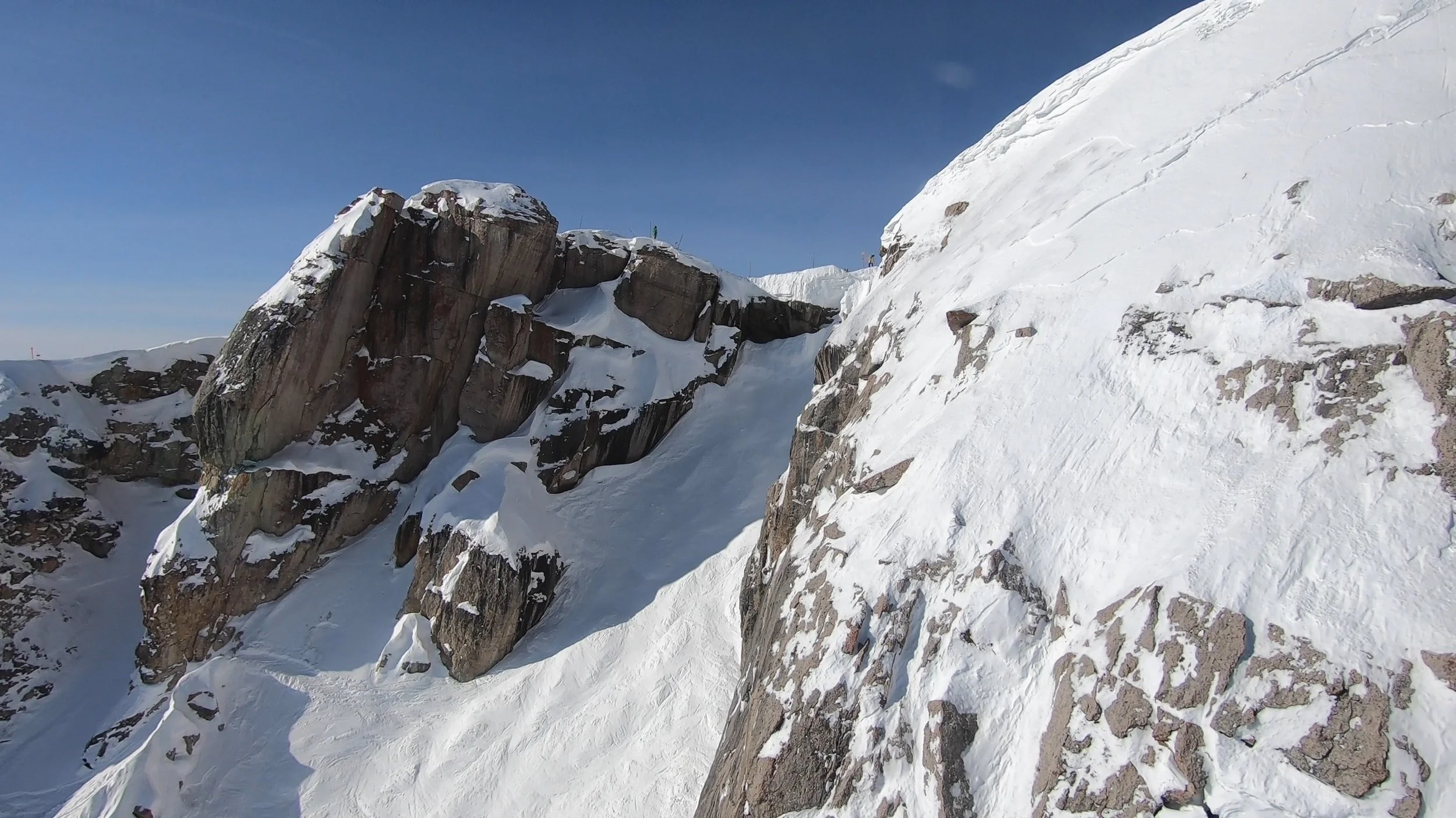
Just as it has for years, Jackson Hole’s terrain lives up to its reputation. Steep bowls, narrow chutes, and sustained mogul runs cover substantial portions of the mountain, while Corbet’s Couloir might be the most recognizable expert line in the American ski world. With more than 4,000 feet of continuous vertical that never really mellows out, Jackson also offers endurance-testing slopes effectively no competitor can match. And when you take into account Jackson Hole’s substantial snowfall and dramatic surroundings, you can see why it has such a strong foundation for a top-tier destination ski trip.
But what has helped Jackson especially pull ahead in recent years is how efficiently visitors can now experience that mountain. Recent upgrades have brought high-speed service to the vast majority of its terrain, with the Thunder and Sublette quads now fast detachables. The tram can still attract significant lift lines, but there are plenty of fantastic ways to spend the day without repeatedly waiting for it.
Of course, our top-ranked resort still has drawbacks. Beginner terrain is extremely limited, and many intermediate runs are substantially steeper than their counterparts elsewhere. And despite the snow usually being great, the mountain’s predominantly east-facing slopes can develop freeze-thaw conditions during dry spells. 1-day lift tickets are extraordinarily expensive, and although the airport is conveniently located and off-site lodging can be surprisingly reasonable, flights can be costly or limited depending on where you’re coming from.
Jackson Hole participates in the full Ikon Pass and Mountain Collective, with advance lift reservations required for both. The Ikon Base and Session passes do not include access.
Jackson won’t suit every ski vacation. But for experienced skiers and riders, its combination of sustained challenge, impressive snowfall, and strong on-mountain infrastructure makes it our pick for the best ski resort in the United States.
1-Day Ticket Range (Core Season):
Adult 19-64: $152-$363
Teen 13-18: $125-$290
Child 5-12: $94-$228
Senior 65+: $137-$326
Child 0-4: Free
Pass Options:
Ikon Pass (7 days)
Mountain Collective (2 days)
5-Day ByPass ($1,275 - $255/day)
10-Day Plus ByPass ($1,500 - $150/day)
10-Day Plus Pass ($2,200 - $220/day)
NOTE: Reservations required on Ikon and Mountain Collective.
Conclusion
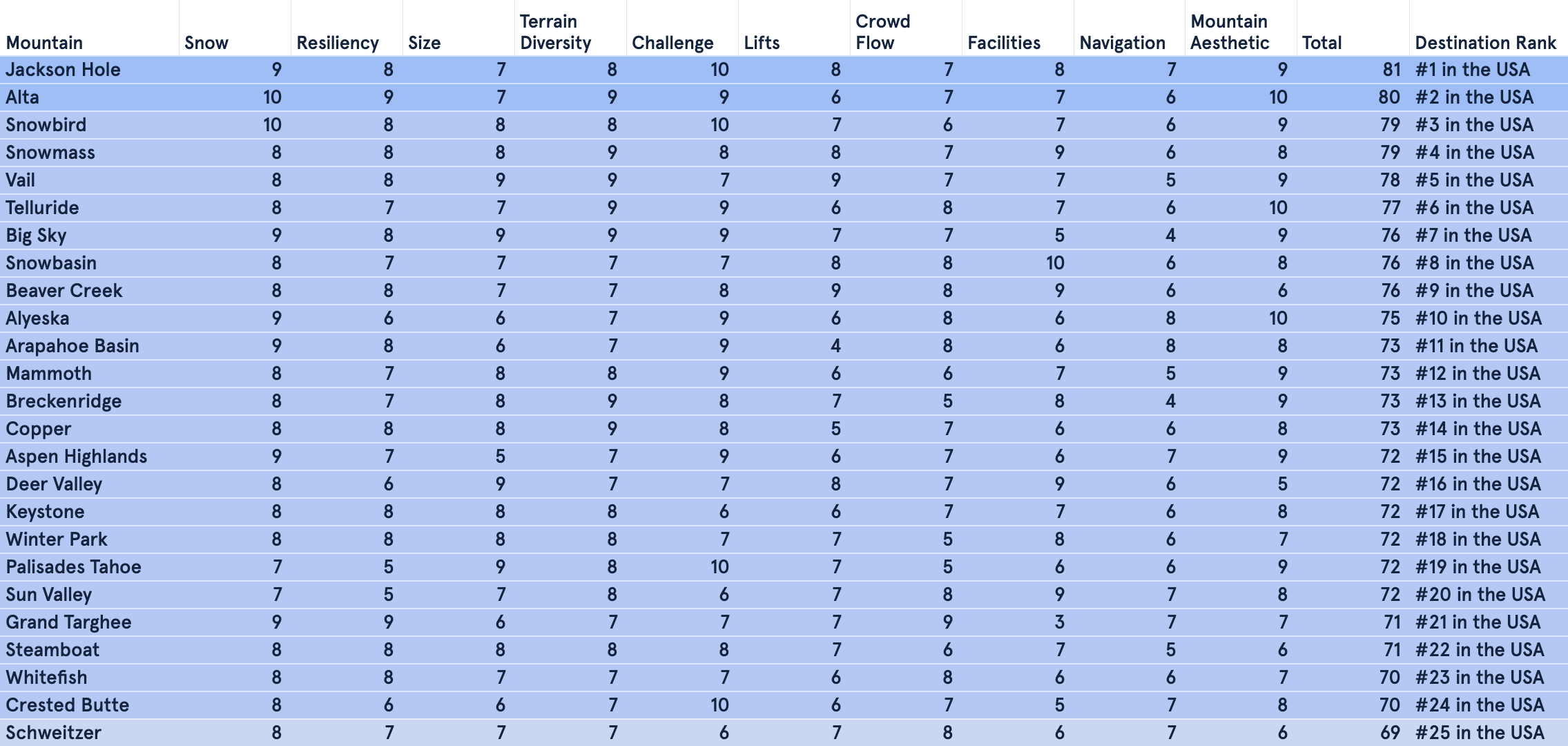
So that’s our comprehensive ranking of the major ski resort destinations in the United States! Here’s a full breakdown of the overall mountain scores for each resort, along with their valuations in each category.
While there are a ton of options out there, they’re not all created equal, and some stand out quite a bit more than others. But the good news is, the top 10-15 destinations are so well-rounded that you’re unlikely to have a bad time at any of them, and the selection of which one you choose probably just comes down to personal preference.
How’d we do? Would you change the order? We’d love to hear from you, so if you have any thoughts, hit us with a comment below! Or check out our full list of United States ski resort rankings here.