Kicking Horse, Fernie, and Kimberley to See Biggest Lift Investments in Decades
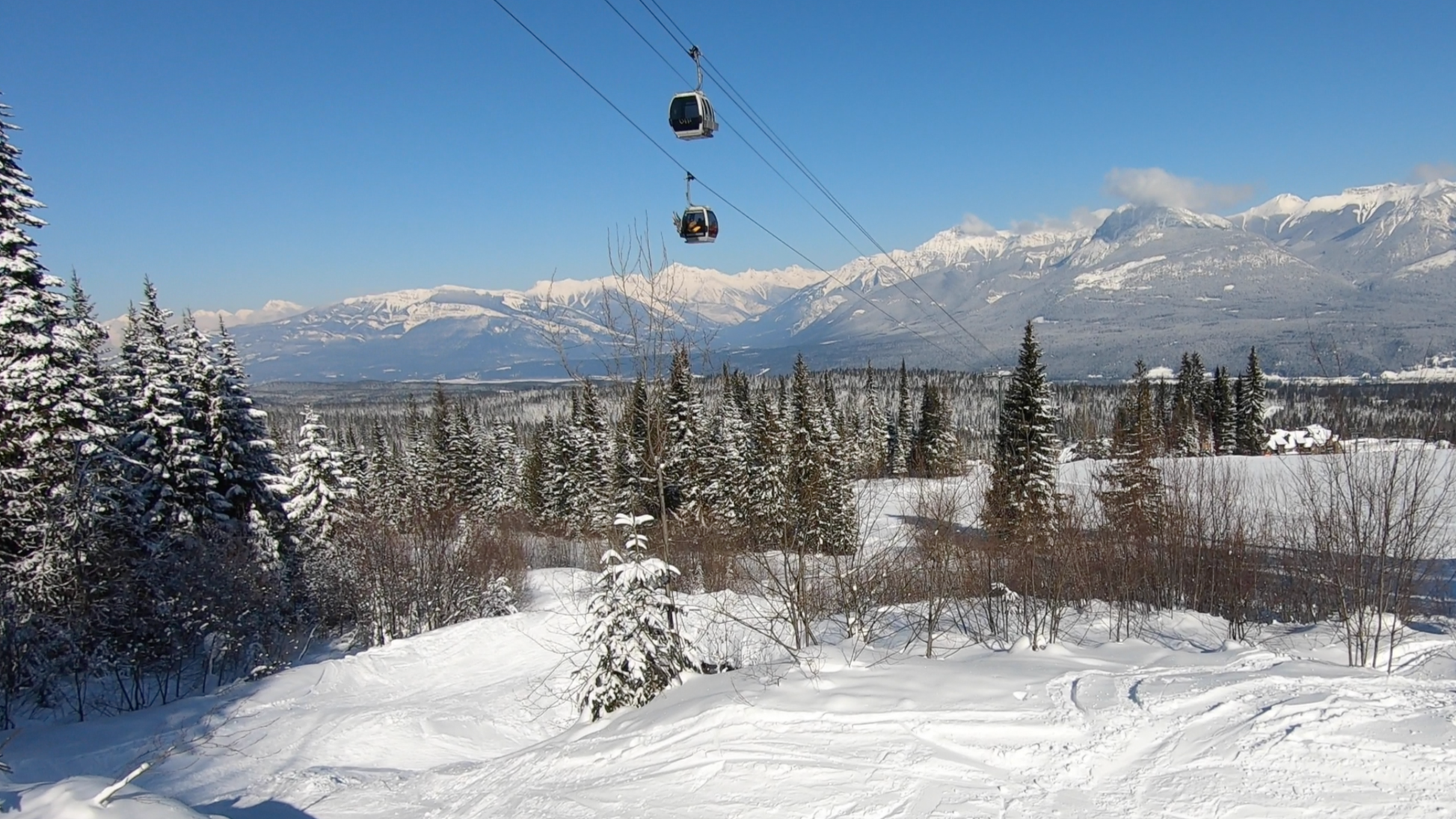
Perhaps the biggest problem with Kicking Horse’s lift network is on track to be solved within the next few years.
The Resorts of the Canadian Rockies, or RCR, have historically been one of the more stingy resort operators in the North American ski scene. Their six resorts, which include Kicking Horse, Fernie, Kimberley, Nakiska, Mont Sainte Anne, and Stoneham, have seen only three lifts built at them since 2010. In recent years, RCR has also faced criticism for several high-profile gondola and lift issues, including multiple widely scrutinized incidents at Mont-Sainte-Anne and, most recently, a gondola cabin detachment at Kicking Horse last year.
But RCR now appears to be getting back on its toes when it comes to infrastructure investment. Earlier this year, the company partnered with the Quebec government on a $50 million CAD investment in Mont-Sainte-Anne, beginning this summer with a new six-person detachable chairlift replacing the Express du Sud and La Tortue lifts. And today, RCR has gone even further, announcing four new lifts to be built at Fernie, Kicking Horse, and Kimberley over the next few years.
Let’s jump into the details.
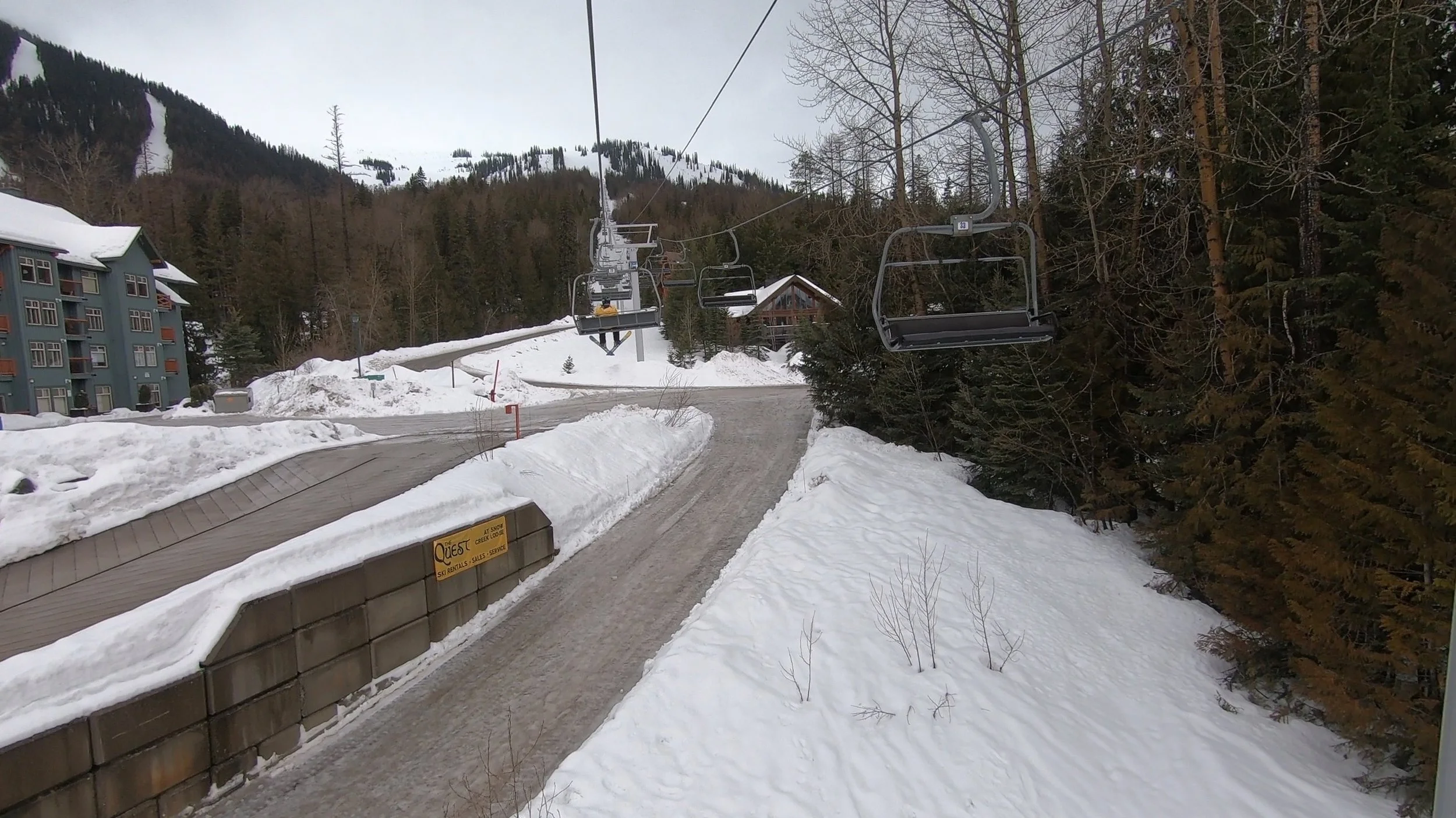
The Elk chair, which provides critical out-of-base service at Fernie, is finally on track to be replaced with a high-speed quad.
Fernie
Fernie will be the largest recipient of these new lifts, with two detachable quad lifts to be installed in the next two years.
The first will replace the existing Elk Quad, a long fixed-grip lift that serves a significant amount of beginner and intermediate terrain right out of the base area. On its own, this should be a major quality-of-life improvement for lower-mountain laps, with the new high-speed quad expected to cut the current ride time roughly in half.
But the bigger impact may be on overall mountain flow. The new Elk lift will finally create a high-speed route from the base area directly to the Great Bear Express, and by extension, much faster access to both Lizard Bowl and Cedar Bowl. For a resort with as many circulation quirks as Fernie, that could make a meaningful difference in how efficiently guests move around the mountain.
Cedar Bowl will also be home to Fernie’s second new lift. This high-speed quad will run from the bottom of Cedar Bowl to the top of the existing Great Bear Express, turning what is currently a lethargic three-lift lap—via the Haul Back t-bar, Boomerang triple chair, and Great Bear Express quad—into a much more efficient one-lift lap. Cedar Bowl has historically offered some of the best powder preservation at Fernie, though this new lift may very well change that dynamic.
Both of these lifts are expected to be complete before the 2027-28 ski season.
Kimberley
While less flashy than the other lift installations, Kimberley is getting a great life cycle replacement for its Tamarack double lift, which will be replaced with a fixed grip quad this summer for the 2026-27 ski season. Tamarack is not the longest or most prominent lift at Kimberley, and it’s not going to bring any additional redundancy to the controversial out-of-base lift setup. However, replacing it signals that RCR is at least starting to address lift age across its fleet, particularly among its oldest remaining installations.
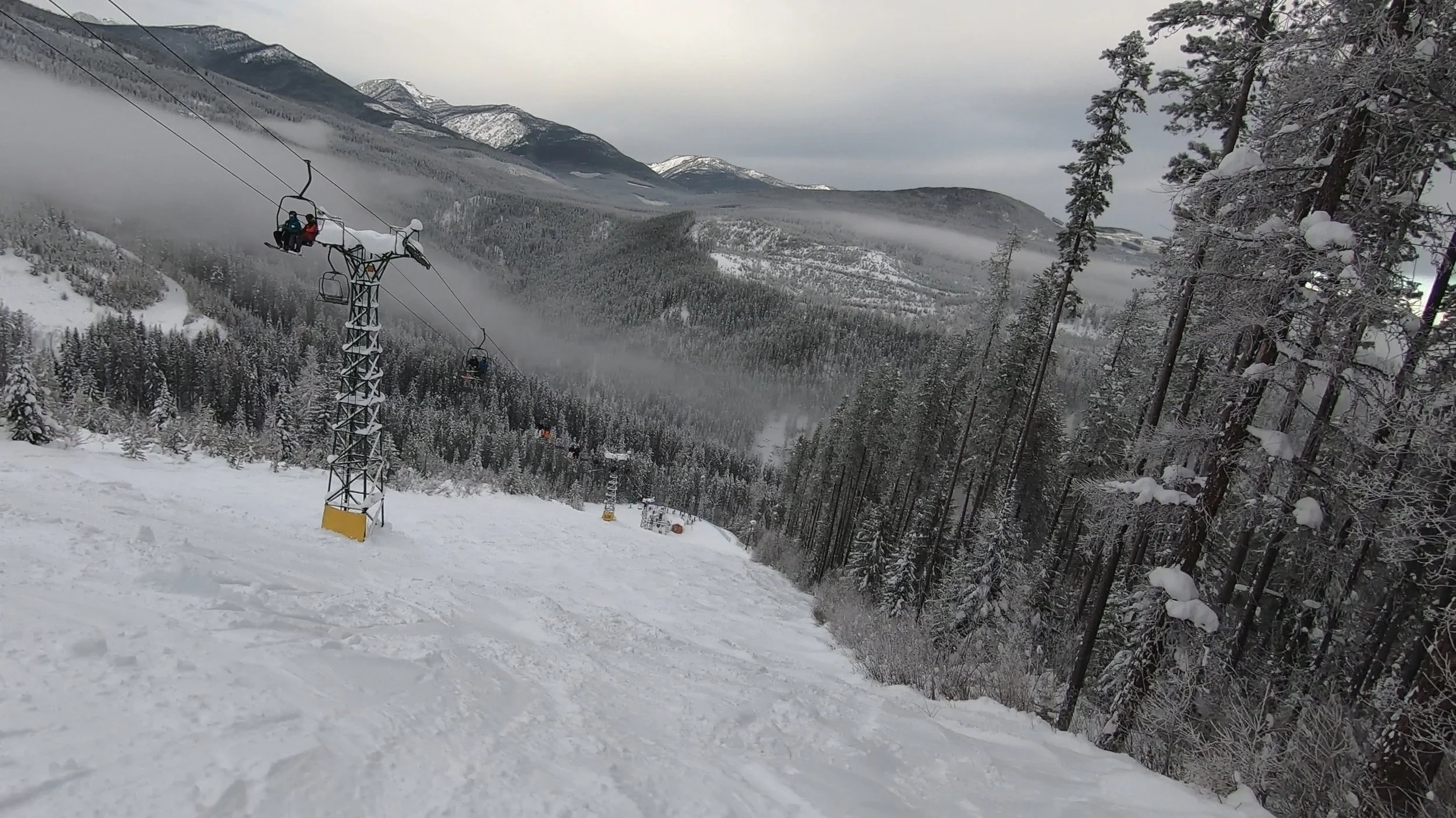
The bones of Kimberley’s outgoing Tamarack double chair date back to 1972.
Kicking Horse
Last, but certainly not least, we come to Kicking Horse, which has one of the strangest lift setups in all of North America—and this new investment appears designed to fix one of its biggest weaknesses. For the 2027-28 season, the old, long Pioneer double chair will be replaced with a high-speed quad in an extended alignment, running from the resort base to the bottom of the Stairway to Heaven lift. This will finally create a second meaningful route to the upper mountain beyond the Golden Eagle Gondola.
Today, the resort is overwhelmingly dependent on the Golden Eagle Gondola. This lift carries an enormous burden for a mountain with more than 4,000 vertical feet, because it is currently the only practical route from the base area to almost all of Kicking Horse’s mid- and upper-mountain terrain. This will finally create a second route out of the base toward the upper mountain, giving Kicking Horse the kind of lift-network redundancy it has badly lacked for years—and one that became especially important last year when a gondola cabin carrying eight people fell from the line (fortunately, no serious injuries were reported).
We expect the new lift to significantly improve crowd flow. Kicking Horse is not exactly one of the most crowded destination resorts in North America, but its lift lines often feel worse than they should because so much traffic is funneled through the one gondola. By creating a high-speed alternative out of the base, the new Pioneer lift should finally reduce pressure on the gondola while also making lower- and mid-mountain laps much more efficient.
The project will also be notable in its own right; serving more than 2,500 vertical feet, the new lift is expected to become one of the longest and tallest detachable chairlifts in Canada. While it will not directly access Kicking Horse’s most extreme terrain, it should make the lower mountain much easier to lap and reduce the resort’s longstanding overreliance on the gondola.
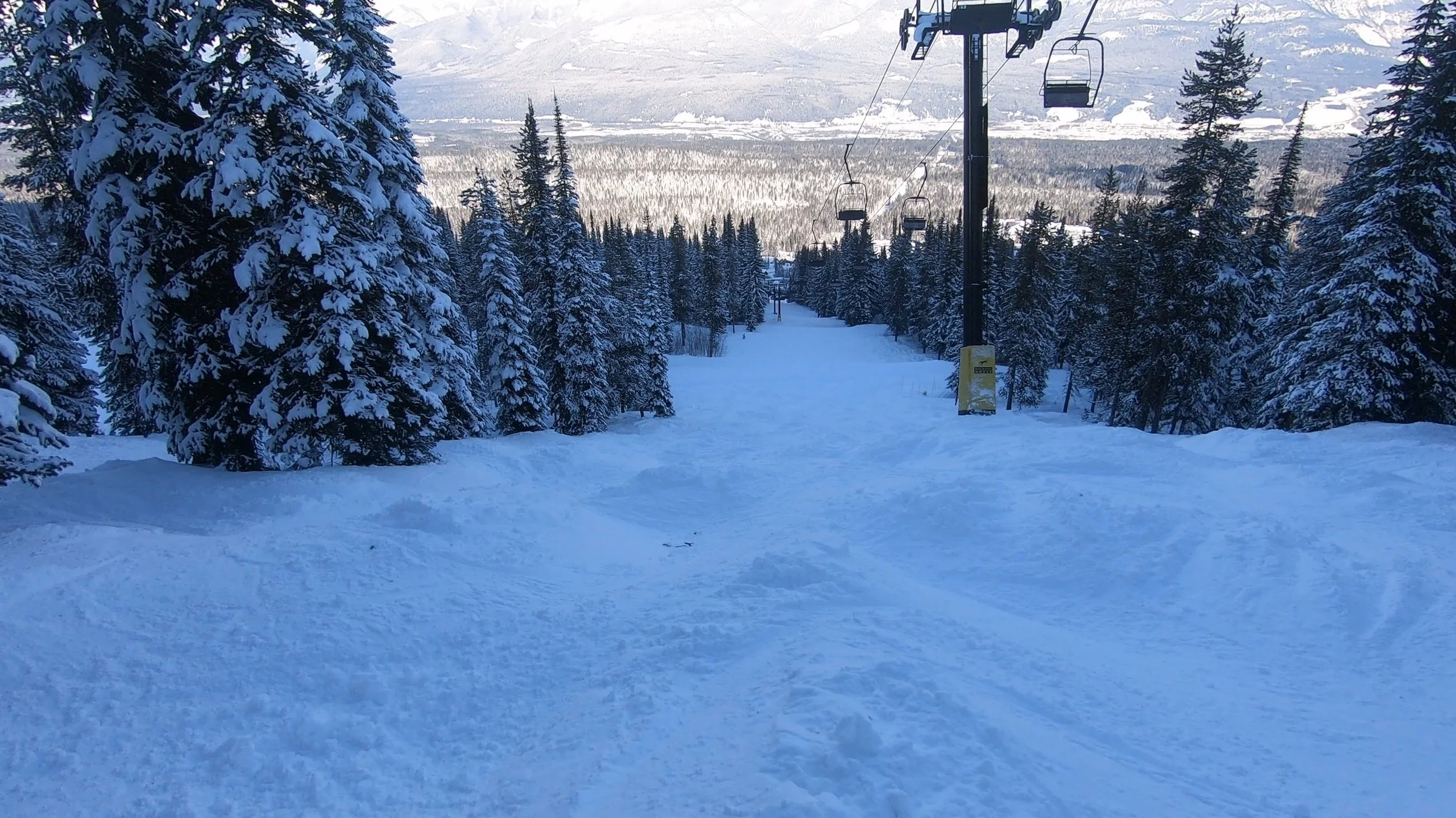
When it’s replaced and extended in the near future, the new Pioneer high-speed quad is expected to fix one of the most fundamental problems with Kicking Horse’s lift setup.
Final Thoughts
After years of sitting back, RCR finally seems to be kicking things into gear with these improvements. Fernie has long had a number of navigational and lift quirks, and these two projects seem likely to solve some of those issues, especially on the northern half of the resort. Kimberley’s upgrade is the most straightforward of the bunch, but it should keep the advanced Tamarack pod reliably served for decades to come.
Kicking Horse’s new lift may be the most interesting improvement overall, as the overreliance on the gondola has created many issues in the past years. We’re eager to see how these improvements change the guest experience in the coming years; hopefully, this is not just a one-time jolt from RCR, but a sign of more sustained investment from the Canadian operator moving forward.
Interested in seeing how the Resorts of the Canadian Rockies stack up in our ranking of Canadian ski areas? Check out our Western Canada and East Coast rankings.