What Telluride’s Impending Ski Patrol Strike Means for the Ski Industry

A major ski patrol strike is set to hit one of Colorado’s most prominent ski resorts starting tomorrow.
Beginning tomorrow, December 27, 2025, visitors to Colorado’s Telluride ski resort will face significant operational disruptions after the resort’s ski patrol union voted to authorize a strike. If the strike goes through as planned, this will be the first full resort shutdown due to a ski patrol labor strike in North American history.
How Did We Get Here?
Ski patrol at Telluride has been negotiating a new contract with resort management since this past summer. The previous agreement expired on August 31, meaning patrollers have been working without a contract since the season began. Talks dragged on into winter with no resolution, and earlier this month, patrollers rejected two proposals from the resort (including a second offer that was identical to the first, with no additional movement from management). After an overwhelmingly affirmative vote with 99% voting yes, the patrol authorized a strike beginning tomorrow, Saturday, December 27, 2025.
In response, the resort—which is independently owned by billionaire Chuck Horning despite a limited affiliation with the Vail Resorts-issued Epic Pass—announced it will fully shut down lift operations and terrain access for the duration of the strike, saying it will not operate without its full professional patrol team. Unlike the Park City strike last year and the Aspen strike in 1971, the company has not attempted to bring in replacement patrollers to keep a portion of the mountain open.

Telluride’s ski patrol has pointed to the highly specialized demands of managing terrain like Palmyra Peak, which can require more than two hours of hiking just to reach, as justification for higher wages for senior patrollers.
Why Is The Strike Happening?
At the center of this dispute is compensation, specifically the structure of the wage scale and the level of pay at both the entry and senior ends of patrol positions. Telluride’s ski patrol union is pushing for a substantial increase, proposing a new starting wage of about $28 per hour and significantly higher top-end pay for the most experienced patrollers, nearing $40-$48 per hour under their model. The union is emphasizing that these wage increases are especially important for retaining their senior patrollers, who bring specialized skill sets pertinent to the resort’s extreme terrain (including the Palmyra Peak hike that takes over two hours on foot) and would be extremely difficult to replace.
The resort’s latest offer also includes meaningful raises from current levels, but still falls short of the union’s request, with a starting wage of roughly $24 per hour and higher tiers topping out in the upper-$30s.
Union leaders argue that the financial gap between the two sides is actually quite small in the scheme of things, being about $112,000 in the first year and roughly $65,000 across the three-year contract. They argue that such a modest difference feels hard to justify given the scale of the resort’s operations and the economic damage a holiday-week shutdown creates.
Telluride, meanwhile, has framed its offer, which would provide at least a $3 per hour raise to all patrollers, as “industry-leading, livable, and sustainable”, and has criticized the union’s requested 28% first-year wage increase as excessive. The resort argues this negotiation is less about a single year’s dollar figure and more about setting a long-term wage structure they believe they can sustain. Resort leadership has also circulated a PDF comparing its offer to the current wages at other resorts, although it has not disclosed which specific resorts those wage benchmarks are based on. The resort’s argument also disregards independent reporting citing Telluride as the most expensive ski town in the entire country.
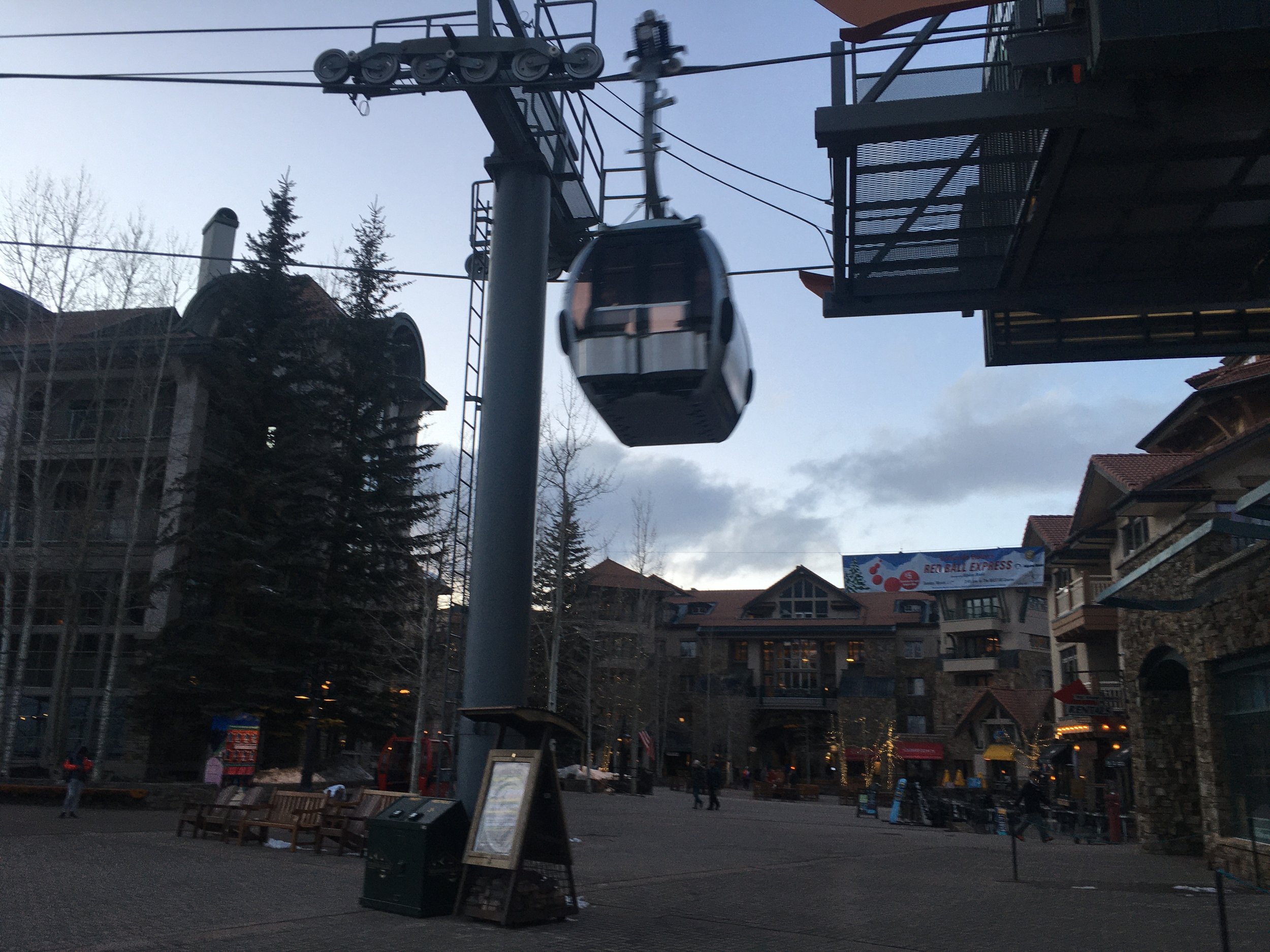
Telluride’s Mountain Village gondola and town facilities are expected to remain open, but the entire ski resort, including all other lifts, are set to close.
What Happens Operationally Starting Tomorrow
Telluride has stated that because the ski patrol is essential for safety operations, all resort-managed lifts and terrain will be closed once the patrol strike begins.
The Telluride-Mountain Village Gondola, which is operated by the town of Mountain Village, not the resort, is expected to continue “normal” service. This means lodging, dining, and non-ski activities in both towns will likely remain accessible, although it is unclear if the mid-station, which provides access to limited skiing and riding under normal circumstances, will be open for unloading.
Here’s how the resort is handling refunds:
Advance-purchase lift tickets and lesson products impacted by the closure will be refunded to the original payment method.
For multi-day lift tickets, unused impacted days will also be refunded.
Local season pass holders will receive pro-rated refunds based on the number of days lost to closure.
Epic Pass holders currently do not have a defined refund or compensation solution; the resort says it is working with Epic’s owner (Vail Resorts) on an appropriate resolution.
For accommodations, because most lodging is independently managed, exceptions to non-refundable bookings are expected to be handled on a case-by-case basis.
If you’ve planned a trip to Telluride in the near future, we highly recommend contacting the resort or your booking partners to understand your options.
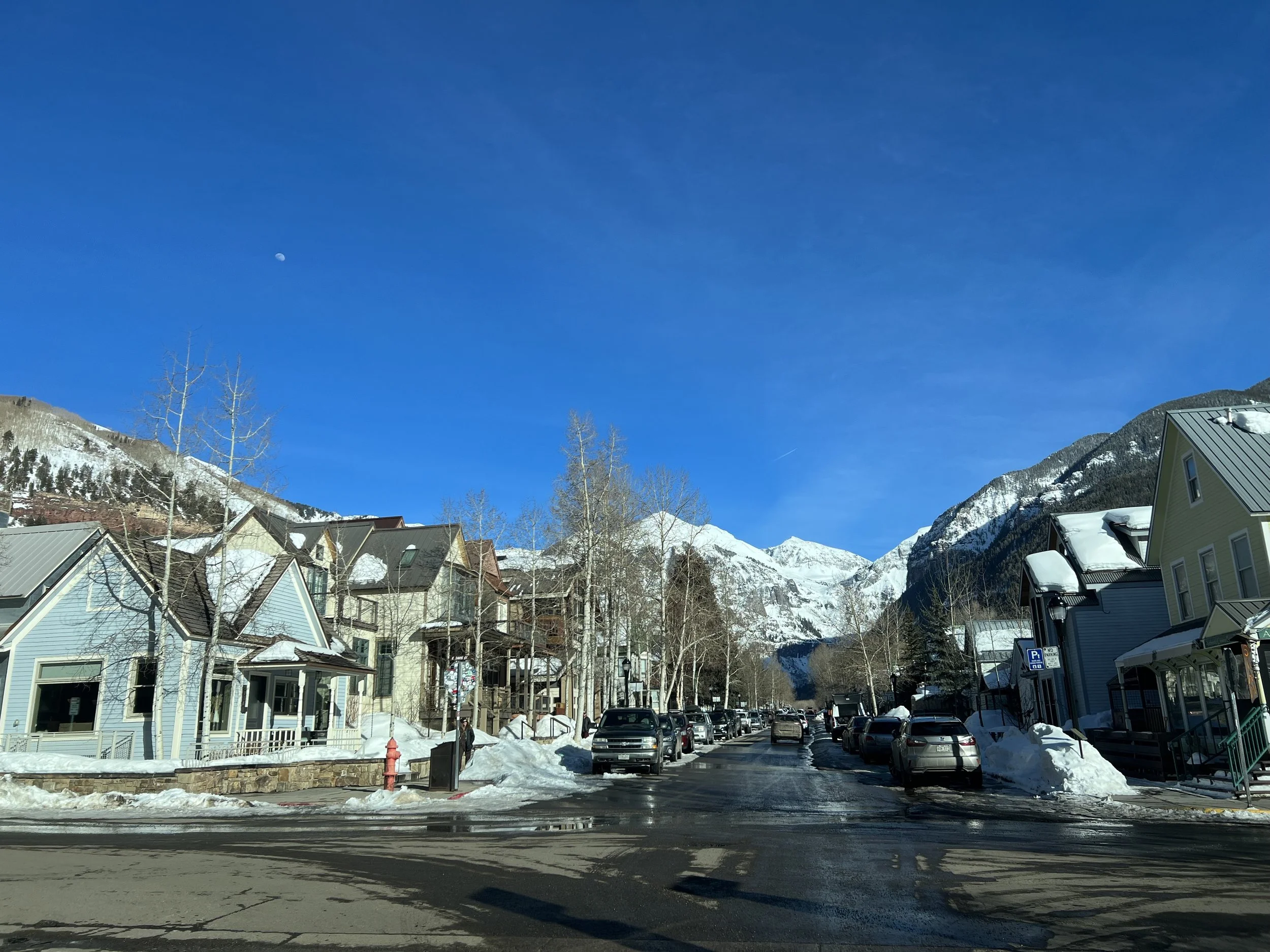
At the heart of the dispute is the town of Telluride’s extremely high cost of living.
What This Means For You (Even If You’re Not Visiting Telluride)
Even if you’re not traveling there this week, the Telluride shutdown underscores a new reality in today’s ski word: unresolved ski patrol labor negotiations are now a material vacation risk.
After a 53-year period with no ski patrol strikes, labor disputes have rocked the holiday season at a major destination ski resort for the second year in a row. With the soaring cost of living in ski towns, increasing unionization efforts, and these efforts not localized to one region or management company, we don’t expect this to change any time soon.
If a resort still has a patroller contract up in the air late into the summer or fall, that’s now a legitimate red flag when planning your trip. It’s no longer just an internal personnel matter, it can directly affect whether a mountain opens, and when.
What to do as a traveler:
Watch for patrol negotiation news starting late summer and into early fall. If your resort of choice has no unresolved negotiations going into the holiday period, you’re probably fine.
However, if negotiations are unresolved:
Look into flexible or refundable bookings.
Consider trip insurance that covers labor shutdowns.
In the worst-case scenario, consider planning your trip to a different ski resort.
We’ll be watching this development closely in the coming days and hope the dispute comes to a resolution soon.