Alterra CEO Out: What Does This Mean for the Ikon Pass?
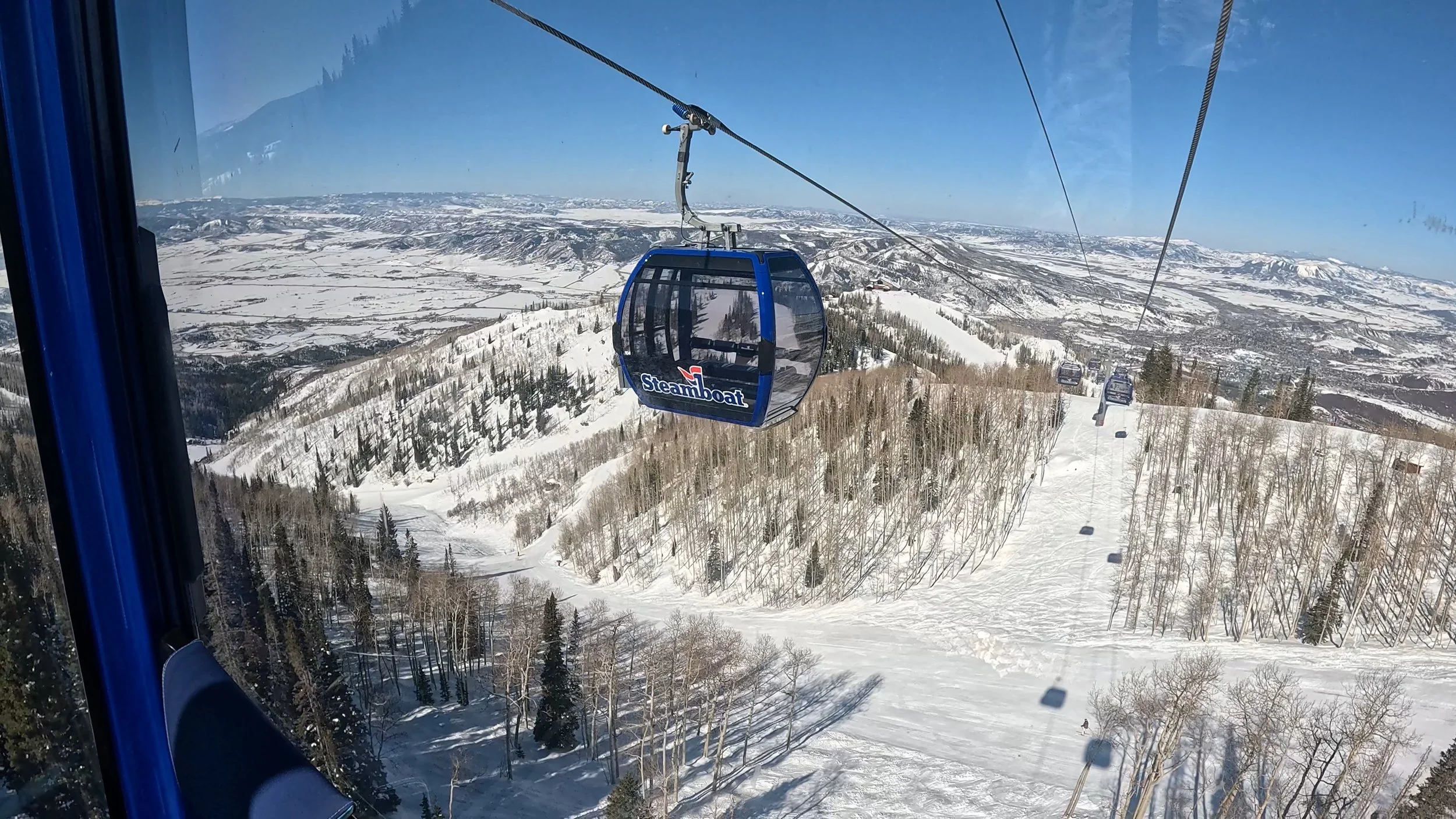
Alterra’s CEO shakeup prompts speculation about what could be going on at the company behind the scenes.
CORRECTION 4/8/2026: In this piece, we originally stated that Alterra had not installed any lifts at Stratton since its formation. That was incorrect. The Snow Bowl Express, a detachable lift, was installed in 2018 shortly after Alterra was formed. That also means the 2027 North Ridge Express will be the second detachable lift Alterra will have installed in the Eastern U.S. since its formation, not the first. We regret the error.
Background
Alterra Mountain Company, the company behind the Ikon Pass, is replacing its CEO.
After four years at the top of one of North America’s biggest mountain resort companies, Jared Smith is leaving his position—and he’s doing so with no clear successor. In fact, the timeline seems rather abrupt when you read the fine print; Smith has stepped away from his day-to-day duties immediately, and Alterra said representatives from its parent companies, KSL Capital Partners and Henry Crown & Company, plus former CEO Rusty Gregory, would make up an “Office of the CEO” and help run things until a replacement is named. On the surface, the reasons for a departure like this may not be all that clear; after all, the company has not had any headline-generating scandals or significant reputational issues, especially compared to its main rival, Vail Resorts. However, when you start to look at the situation more closely, Alterra’s position ends up looking more complicated, and while nothing was publicly announced, the factors that make this potentially more than a routine transition start to become more clear.
So why would Alterra’s CEO suddenly exit right now? Are there issues bubbling up with the company that could spell trouble down the line? And what can this tell us about the industry as a whole?

Colorado’s Arapahoe Basin, a ski resort recently acquired by Alterra.
The Single-Asset Continuation Vehicle
The first thing that’s important to understand in this situation is that unlike Vail, Alterra is a private company. As a result, the company is not required to publicly release the vast majority of its financial data, including revenue, balance sheets, and profit and loss statements.
That said, we do have one event that gives us a sense of Alterra’s financial picture: its 2024 single-asset continuation vehicle.
The continuation vehicle was a more than $3 billion deal that allowed KSL and Crown & Co. to keep holding Alterra while giving new parties the opportunity to invest and allowing some existing investors to sell. Now, we have to be clear—this transaction did not mean Alterra suddenly got a giant pile of $3 billion to spend however it wanted. Instead, much of that $3 billion went back into the hands of earlier investors, and perhaps more importantly for the company’s strategy, the ownership situation changed in a way that likely came with fresh expectations.
While we obviously do not know for sure, based on other examples of SACVs, it’s entirely possible the new investors wanted to see more aggressive near-term returns, with a lot less of a focus on the “long-term” vision. And with some of the circumstances that we’ll discuss later in this piece, one could feasibly see how ownership may have lost the confidence to keep Jared Smith on for achieving those returns.
And that brings us to a couple of hints that Alterra may not be performing financially at the level its investors were expecting.
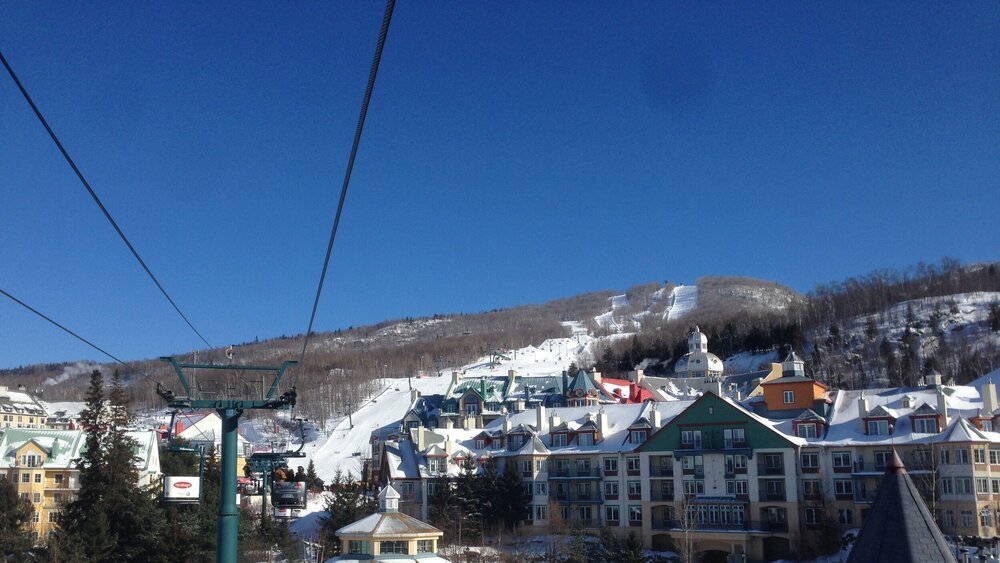
Tremblant in Quebec has had a major expansion postponed indefinitely since being bought by Alterra.
The Deferred Investment Story
Over the past several years, we’ve seen a troubling trend with Alterra—deferred capital investment in places that are either promised as experience improvements or needed as lifecycle upgrades. Now, not every resort has suffered this fate, as we’ll very clearly detail later on, but several resorts have announced major lift and terrain projects that have either been pushed back or quietly cancelled altogether.
Tremblant is arguably the most prominent example where something like this happened.
In March 2020, Tremblant formally announced the Timber expansion. The plan included eight new trails, a new high-speed quad, and a target opening for the 2021-22 season, with an initial commitment of around $8.8 million. At the time, this was presented as part of Alterra’s larger commitment to investing in its resorts.
But then COVID happened, and the project, along with many others in the Alterra portfolio, was postponed. In the near term, that was understandable. But after that, the project never got a new timeline and still has no official plans for construction, even as some of the other less ambitious lift replacement projects that had been initially canceled got re-prioritized. This has been a pretty big withdrawal for what was supposed to be a substantial expansion at what’s arguably the most prominent ski resort in Eastern Canada.
But if other more fundamental projects had been prioritized instead of this nice-to-have expansion, perhaps that would have been more understandable. After all, the workhorse Soleil and Duncan Express lifts have reached the end of their useful lives, and they have only gotten older in the seven years since the Timber expansion was initially put forward. The gondola has been running since the late 1990s as well. However, none of these lifts have even been prioritized for upgrades either, and we’re now at the point where the resort has gone roughly a decade without a new lift outside of real estate access.
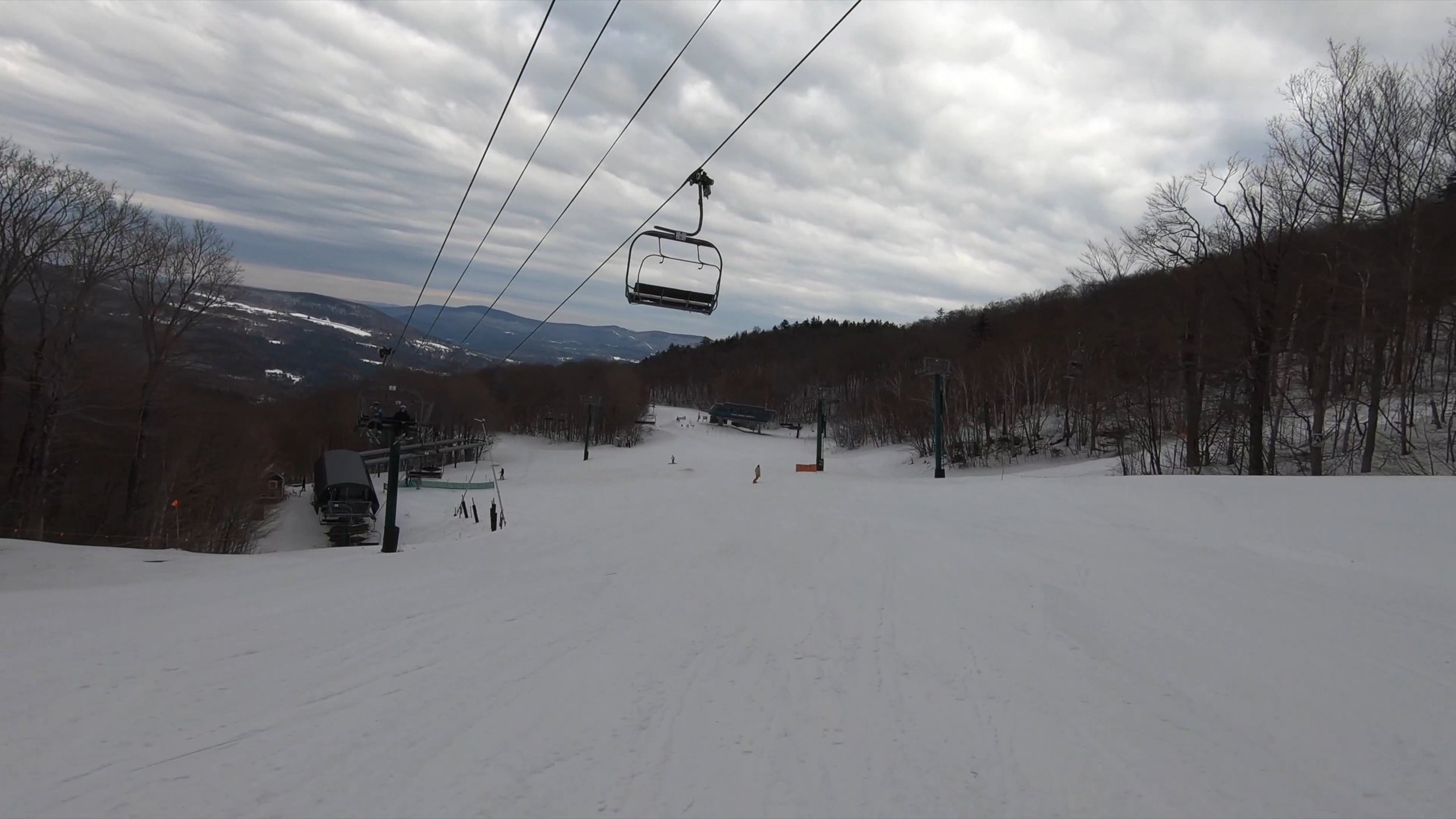
The North Ridge and Green Mountain lifts at Sugarbush both broke down at the end of the 26-27 season for separate reasons, resulting in a huge portion of the resort being inaccessible by lift.
And if we move down the East Coast into the United States, we see similar stories at Alterra’s other owned resorts. Now, none of these resorts ever had expansions earmarked, but that doesn’t mean they haven’t seen investments promised that haven’t come to fruition in a timely manner. Let’s take Stratton, for example, which was supposed to get a replacement for its Tamarack triple chair this summer. This lower-mountain chair would have provided direct high-speed lift access to a number of beginner trails, but it no longer seems to have a confirmed near-term timeline. In fact, Stratton has not been able to install or replace a single lift since Alterra became its owner.
But while Stratton’s first major lift project since Alterra bought it has no construction schedule in sight, those paying attention within the last couple of weeks have probably raised their eyebrows at the situation at Sugarbush.
To give Alterra some credit, it did successfully prioritize and execute a replacement for the Heaven’s Gate lift, replacing that fixed-grip triple with a more modern fixed-grip quad. And now, Sugarbush has officially announced that the North Ridge Express will be replaced for the 2027-28 season, which will mark the first detachable lift Alterra has installed in the Eastern U.S. since its formation.
But the timing of that investment is still worth paying attention to. The resort’s North Ridge Express has served the middle portion of the Mount Ellen side for over three decades, and a replacement had been discussed for years, including potential timelines as early as the mid-2020s. Instead, the project ultimately landed on a 2027-28 timeline, extending the lifespan of the existing lift well beyond when a replacement was first expected. Sugarbush has cited permitting and approvals in Vermont, which may well be part of the reason.
But guests probably didn’t care about that when the lift was down due to an electrical issue for several days in March, which was just the latest in a series of reliability issues that have surfaced for nearly a decade. On paper, North Ridge is a redundant lift, with the lower-mountain Green Mountain Express and upper-mountain Summit Quad providing alternative access to much of the Mount Ellen terrain. But unfortunately, the Green Mountain Express suffered an electrical failure while North Ridge was still out of commission, meaning that despite the redundancy on paper, access to the vast majority of the resort’s Mount Ellen side was completely cut off. While each of these incidents can be explained individually, this was arguably an embarrassing culmination of years of deferred maintenance, as there have been several circumstances where both of these lifts were down separately over the course of the past couple of seasons. Sugarbush has three other high-speed quads that are over 30, including the extraordinary Slide Brook Express, which connects the two resort sides, and this all raises questions about whether long-term replacement cycles are keeping pace with the needs of the resort.
Zooming out, we can see a broader pattern going on. Even with the North Ridge replacement now on the books, Alterra has installed very few new lifts in Eastern North America since its formation in the late 2010s. The additions include Snow Bowl at Stratton, Heaven’s Gate at Sugarbush, Powder Monkey at Snowshoe, and a real-estate-oriented lift at Tremblant—and all but the Snow Bowl lift were cheaper fixed-grip quads. The North Ridge replacement will be the second detachable lift added to that list (and the first in eight years), but it arrives nearly a decade into Alterra’s existence.
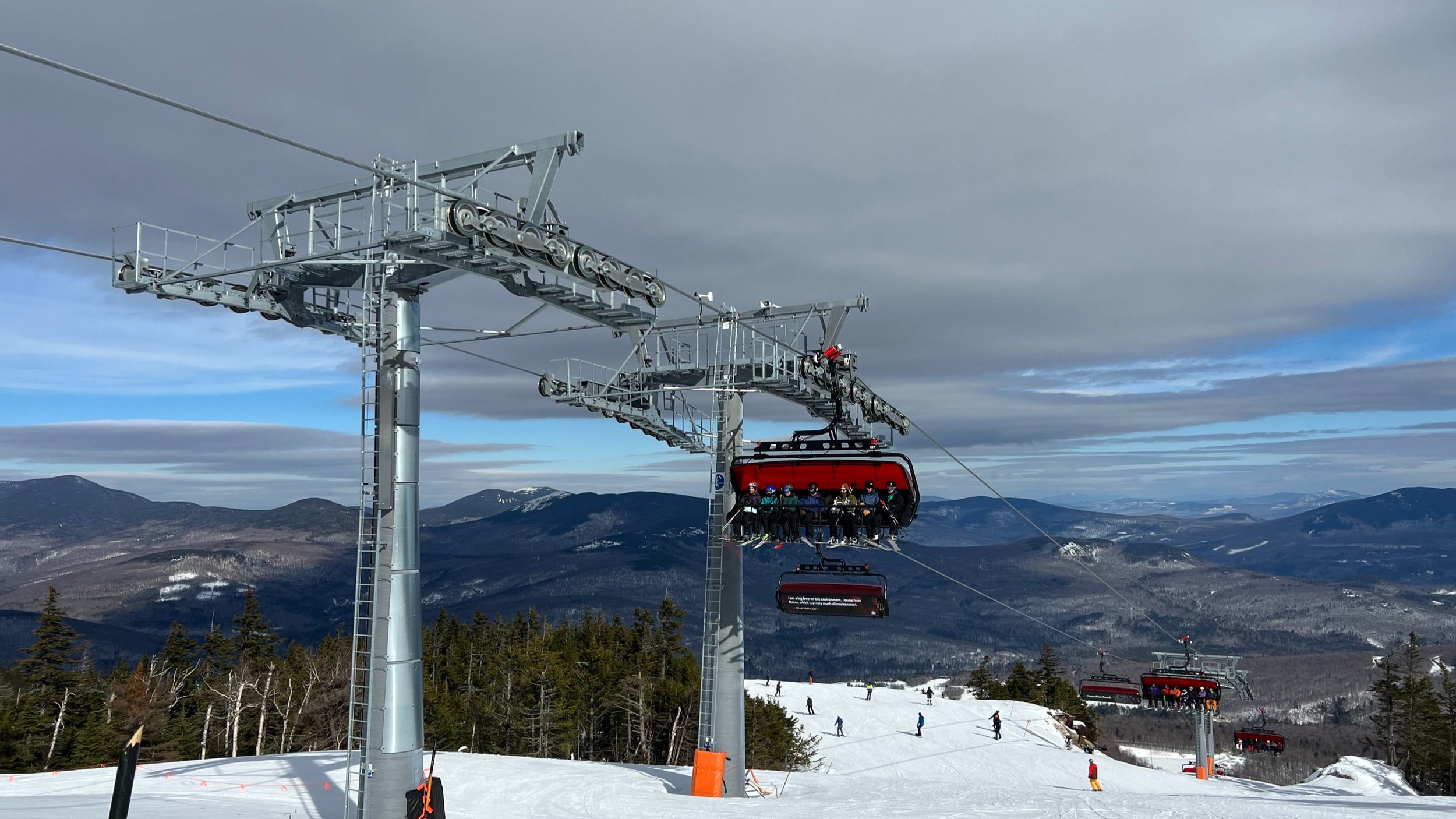
Sunday River in Maine, operated by Boyne, has received two bubble lifts in the same time that Alterra has only installed three fixed-grip lifts in the East.
But wait a minute, you might be wondering, maybe the Eastern ski industry just simply doesn’t get as many investments as the more destination-oriented regions out West.
So have Alterra’s biggest competitors Vail Resorts and Boyne also neglected their Eastern mountains? Absolutely not. Since COVID, Vail’s northeast ski resorts have installed more six-packs alone than all of the lifts Alterra has put in, while Boyne’s northeast mountains have put in three bubble lifts, including two eight-packs and one six-pack, as well as several refurbished high-speed quads for use at their more local mountains. That is a pretty striking gap.
And this pattern is not limited to the East, with Alterra’s Northwestern resorts seeming to struggle with capital improvements as well. At Schweitzer, the resort’s long-planned Schweitzer Creek Village redevelopment, including a major parking expansion and several new trails, was delayed after a rough 2023-24 winter. A lower-mountain high-speed quad was installed in mid-2023 as the first phase of the project, with planning and construction underway before Alterra officially closed on the resort in August of that year. But as of April 2026, Schweitzer has not publicly provided a firm completion date for the broader redevelopment.
But then, on the other hand, we have Crystal Mountain. There, Alterra has spent real money, including on the new Mountain Commons base facility and a replacement for Rainier Express. However, local reaction to the lodge in particular has been sharply negative, with complaints centered on limited seating and a poor layout, and the new REX lift, while still a welcome replacement for the old lift, does not bring much of an uphill capacity upgrade. In other words, those investments have not clearly solved the resort’s biggest capacity and crowding complaints, which makes Crystal look like a place where significant financial investment has not effectively translated to operational results.
So why have so many investments at Alterra’s resorts been delayed, deferred, or half-baked in execution—and what does that tell us about how the company has been run under its current leadership? Well, one possibility is that Alterra just hasn’t been generating the money needed to fund these projects—or fund the ones it has done effectively enough—which would suggest a cash flow problem. But another possibility is that their big money is going somewhere else.

The Creekside Express is the only part of Schweitzer’s expansion plans that has actually materialized since Alterra bought the resort.
Extraordinary Western Transformations
Despite only a handful of lifts installed so far at its Eastern resorts and uneven results so far at places like Schweitzer and Crystal, Alterra owns the two destination ski resorts in North America that have arguably seen the most extraordinary changes over the last half decade: Deer Valley and Steamboat.
It is hard to overstate just how much has been put into Deer Valley alone over the past couple of years. The resort’s Expanded Excellence project is the biggest terrain expansion at any North American resort in the 21st century, adding more than 3,700 acres of new ski terrain—meaning the expansion terrain alone is bigger than every other resort in Alterra’s portfolio except Palisades Tahoe. All this terrain needs infrastructure too, and the project involves the installation of 16 new chairlifts, including a 10-passenger gondola and multiple high-speed chairs, as well as significant snowmaking infrastructure. So how much does this all cost? Well we do have to caveat that the Deer Valley project is being executed in partnership with real estate company Extell, which holds long-term leases on much of land and is funding the bulk of real-estate development (public infrastructure financing has also played a major role). However, Alterra’s own press release last fall said the company was making a portfolio-wide capital investment program of over $400 million, and suggested that the majority of that 2025-26 spend was earmarked for Deer Valley. With the Deer Valley project spanning multiple seasons, it’s not hard to see Alterra writing checks deep into the several-hundred-million-dollar range to fund this project, even with the joint venture structure. That is a staggering amount of money to put into any one resort.
But Deer Valley isn’t the first large Rockies ski resort owned by Alterra that’s been earmarked for multi-million-dollar transformational capital investments. Just one year before starting on the Deer Valley project, the company had completed a multi-phase redevelopment at Steamboat that was widely viewed as one of the most transformative single-resort investments of the 21st century. The project brought a multi-hundred-acre terrain expansion that made the resort the second largest in Colorado by skiable size, four new or refurbished lifts, including a massive two-stage 10-passenger gondola, and a completely redeveloped base village. But this project didn’t come cheap, and Alterra ended up spending over $220 million to fund these upgrades. To put it into perspective, that would have likely funded at least a dozen high-speed quads at other resorts, if not more.
And if we had to pick the third-most transformed destination ski resort in North America over the last couple of years, one could easily argue that would be a third ski resort in Alterra’s portfolio, Palisades Tahoe.
At the center of that transformation was the Base-to-Base Gondola, a roughly $65 million project that finally connected the Palisades and Alpine Meadows base areas into a single lift-served resort for the first time. The gondola alone fundamentally changed how the mountain skis, turning what had long been two separate experiences into one integrated destination with around what we’ve measured as 4,000 acres of skiable terrain.
So while Palisades Tahoe’s investments didn’t carry the same multi-hundred-million-dollar scale as Deer Valley and Steamboat, you can probably still see the pattern emerging: when Alterra really invests, it tends to do so in a concentrated way at a small number of high-profile destinations.

Deer Valley has comfortably received the most post-COVID investment of any Alterra mountain, if not any ski resort in North America.
The West’s Terrible Season Raises Uncomfortable Questions
However, to the broader public and perhaps Alterra’s investors, one could argue that these investments couldn’t have come at a worse time. Despite Deer Valley, Steamboat, and Palisades Tahoe seeing the bulk of the investments from Alterra, and California’s destination-oriented Mammoth resort seeing a couple of new lifts installed as well, they were all hit with historically terrible snow years for the 2025-26 season. In a recent public earnings call, Alterra’s main competitor, Vail Resorts, went as far as describing it as one of the worst Western snowfall years in more than three decades, with lower visitation and severely reduced terrain access.
The situation at Deer Valley was especially dire, and it’s not hard to see why that raised some questions as to the strategic priorities for Alterra. Much of the new expansion terrain for Deer Valley, while massive, faces east and sits at a fairly low elevation. For much of the season, outside of the snowmaking areas, the new expansion mountains sat completely bare with dirt on the sides of the trails across multiple peaks. In fact, some of the terrain that was meant to open this year didn’t even get to because there just simply wasn’t enough snow cover to make it happen, with the Pioche and Neptune high-speed quad lifts not spinning at all. Given the scale and visibility of the investment, it is not hard to see why that would have raised questions from the outside about the timing and strategic emphasis of the project.
On the other hand, the East Coast—which, as we just explained, Alterra seems to be neglecting—just had a well-above-average season. And at resorts like Sugarbush, one could argue that made the operational issues stand out even more. This was not a great year to have multiple concurrent lift breakdowns at a mountain that was already overdue for significant lifecycle investments. In other words, a lot of Alterra’s biggest capital bets were concentrated in the exact regions that delivered the worst weather outcome, while the ones they weren’t focused on had pretty incredible conditions.
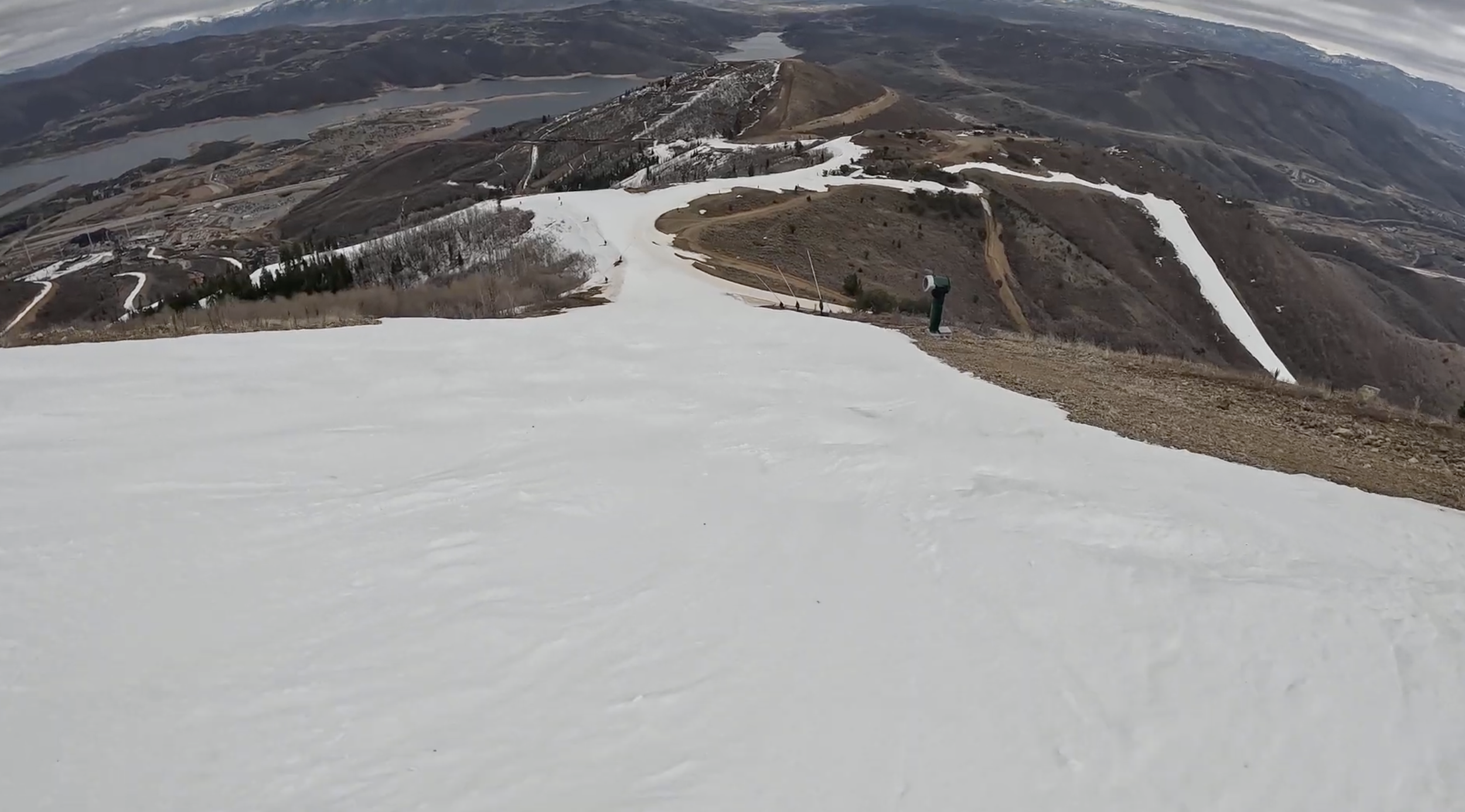
The grim reality of Deer Valley’s expensive expansion terrain during the 2026-27 season.
Ikon Pass Economics
But it’s entirely possible that investors weren’t just looking at one bad season in pushing for change. Another question here revolves around the economics of the Ikon Pass itself, especially now that there may be more near-term investors looking for a palpable return. Now, Ikon’s exact partner-resort economics are not public, but what is clear is that Alterra does not directly own several of the mountains that make it an appealing product, including places like Big Sky, Snowbird, and Killington, and that likely plays a significant role in its economics. If Alterra has to share a meaningful portion of pass value with those partners when skiers and riders use them, then it would make sense that the company would rather direct more skier visits toward mountains it actually owns.
That may help explain why Alterra has been on such an acquisition spree. Over the last few years—and arguably the entire timeline of its existence—the company has put significant capital into buying up new mountains. Resorts like Schweitzer, Arapahoe Basin, and Snow Valley have been bought in the past 72 months, with over $100 million put into those purchases. And with unlimited access to nearly every resort it owns, it is clear that Alterra is baking some incentives into the Ikon Pass to try to get people to visit its own destinations over its partners.
At the same time, many of Ikon’s partner resorts appear to be doing quite well within the arrangement. Sun Valley has upgraded multiple lifts and has more on the way, its sister resort Snowbasin has thrown significant investment into new high-speed lifts as well, Lake Louise just opened the Richardson’s Ridge terrain pod with a new high-speed quad and 200 acres of terrain, and nearly every resort partnered with Ikon that’s owned by Boyne Resorts has seen huge transformational infrastructure projects in the past five years. In other words, some of the Ikon-partnered resorts Alterra does not own appear to be reinvesting very aggressively—arguably more aggressively, in some cases, than Alterra itself. And we also have to acknowledge that with the exception of Windham, which has its own set of unique circumstances, no full Ikon partner has ever left the pass.
That raises an uncomfortable question: did Alterra make some of these partnerships so attractive to the partners that the economics for Alterra ended up less favorable than they looked at the start? We cannot answer that definitively from the outside. But it could help explain why Ikon has sometimes looked less flexible on pricing than Epic, and why investors might have wanted a harder look at the company’s long-term return profile.

Snowbasin in Utah has installed four new detachable lifts since joining the Ikon Pass, but remains merely a partner of Alterra, rather than an owned resort.
That could also help explain some of the more questionable product moves Alterra has made recently in an effort to pull more cash out of its consumer base. Last fall, the company added a new Reserve product that offers line-skipping and exclusive lounge access at many Alterra-owned destinations. On the 2026-27 Ikon Pass, the company has rolled out a new paid refundable-purchase option, which replaces the old deferral option but comes with a significant pricing premium. Also this year, Ikon replaced the old renewal discount structure with a more complicated “Renewal Rewards” program; this offered new incentive options like hotel and mountain credits, but it cut the cash renewal option in half versus previous years.
In addition, Alterra did not directly match Epic on new young-adult pricing discounts, instead introducing a new “Squad Pack” for ages 23 to 28 that only works if one person buys five Ikon Base Passes for the group. And two seasons ago, the company dropped the old Ikon Base Plus tier, which had previously allowed access to premium destinations like Alta and Jackson Hole without forcing people all the way up to the full Ikon Pass. The exact economics behind those decisions are not public, but taken together, they look like a company trying to squeeze out more revenue while navigating a strict partner structure—and resorting to increasingly complicated tactics to do so.
However, it’s possible that the issues Ikon is facing are not unique to its specific economics. Vail has also been signaling softer demand and slower growth for the Epic Pass in its own public reporting, which suggests this could just as easily be a broader industry issue, where the easy growth phase of destination ski passes is just not possible anymore. Either way, that would still leave Alterra with the same problem, where investors may not be seeing the numbers they’re looking for.

Some of Alterra’s strategies with the Ikon Pass might suggest that they are having trouble making profit from pass sales in the same way that Vail Resorts can.
Safety Issues
Up to this point, most of the possible explanations for Jared Smith’s departure have been economic ones. But there is one other major category of issues that could have mattered here: safety. In our view, the most serious non-financial issue hanging over Alterra is what has happened at Mammoth and Palisades Tahoe.
At Mammoth, two ski patrollers have now died in separate avalanche incidents in less than a year. Claire Murphy was killed on February 14, 2025 while doing avalanche-mitigation work in the Avalanche Chutes area before terrain opening. Then, on December 26, 2025, another Mammoth patroller, Cole Murphy, died in a separate avalanche during mitigation work in the same general area.
What makes the Mammoth story especially relevant here is that, just days before Smith stepped down, Cal/OSHA’s determination in the Claire Murphy case became public. Reporting on that determination said regulators found Mammoth responsible and cited the resort over safety failures related to avalanche-mitigation procedures, though the resort is appealing those findings. Cal/OSHA is also investigating the December 2025 death of Cole Murphy, who is not related to Claire.
Palisades Tahoe is a different kind of case, but arguably even more concerning from a consumer standpoint. On January 10, 2024, an in-bounds avalanche near KT-22 killed guest Kenneth Kidd shortly after the chair opened for the season; multiple other guests were also caught or injured.
Let’s be clear—this does not prove Alterra corporate was directly pressuring mountains to open terrain unsafely. But looked at together, these incidents do create a much more serious backdrop than the Vail stories that drew so much attention, like the Park City ski patrol strike or lift malfunctions at Attitash and Heavenly. Those were major operational and PR problems, but they did not involve fatalities. By contrast, Mammoth and Palisades together involved three deaths tied to avalanche control or terrain-opening judgment. And the timing is at least notable: Smith stepped down shortly after the Mammoth OSHA determination became public. There is no direct public evidence tying the two events together, but it is not hard to see why ownership might have viewed this as a meaningful pressure point.

Mammoth alone has had two employee fatalities related to avalanche incidents in the past 18 months.
Final Thoughts
So do we know exactly why Alterra’s CEO stepped down when he did, and why he exited day-to-day operations so abruptly? Not really. With a private company structured the way Alterra is, the real reason is hard to know from the outside. But in a private-equity-backed company, this kind of transition usually means one of two things: either the CEO decided he was done, or the owners decided they wanted a different operator for the next phase of the business. Given that Alterra’s board effectively took over day-to-day operations immediately through an “Office of the CEO,” the latter explanation is hard to ignore.
When you combine hundreds of millions of dollars of investment in terrain that, in some cases, was barely able to open this year, a pass model whose economics may be getting harder to optimize for growth, and serious worker and guest safety issues, it becomes a lot easier to see why investors may have decided they wanted a change now.