Okemo Review Revamp: World’s Greatest Ski Resort?
For years, we’ve traveled across North America in search of greatness. We’ve studied snow quality, terrain diversity, lift logistics, mountain aesthetic, resiliency, facilities, and crowd flow. We’ve reviewed places with incredible snowfall, notorious expert terrain, and some of the biggest vertical drops on the continent.
After reassessing the numbers and taking a deeper look at what really matters in a ski resort, we are prepared to make the most important announcement in PeakRankings history: Okemo is the single greatest ski resort ever built.
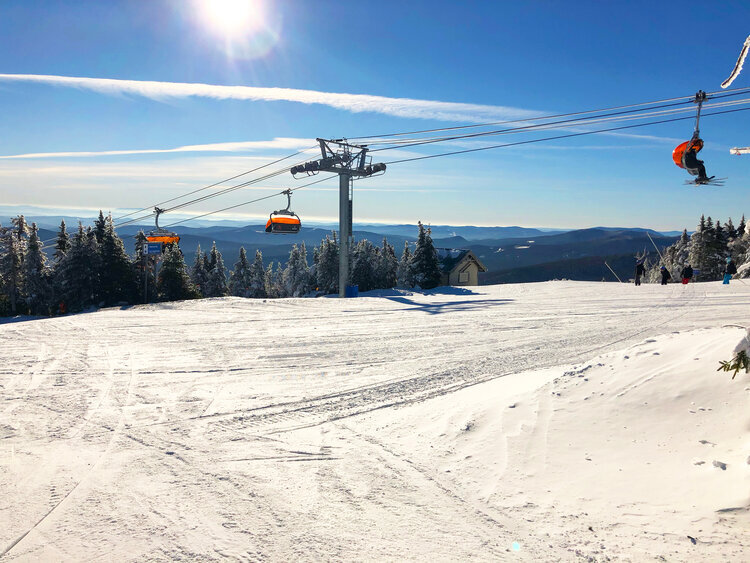
Historically optimal qualities make Okemo the perfect mountain.
Some people will no doubt be surprised to hear this. They will look at the mountain’s profile and see a resort with 632 skiable acres, 121 trails, 20 lifts, 2,200 feet of vertical, and a trail mix tilted heavily toward beginners and intermediates. They will ask how such a mountain could possibly surpass the giants of the ski world. But that question fundamentally misunderstands what makes a ski resort great. Okemo is not trying to overwhelm you. It is trying to care for you.
Too many ski resorts are obsessed with proving something. They want to flaunt their steeps. They want to terrify you with cliff bands, wind-scoured ridgelines, no-fall zones, and labyrinthine traverses that punish the unworthy. This is juvenile. This is insecurity. Okemo has evolved beyond all of that.
One of Okemo’s greatest strengths is its refusal to burden skiers with unnecessary intimidation.
At lesser mountains, a black diamond can feel like an accusation. At Okemo, it feels like an invitation. Here is a resort confident enough in itself to understand that skiing does not need to be a constant trial by combat. Not every skier wants to spend the day getting humbled on icy mogul lines or wondering whether they made a tragic mistake by dropping into a narrow chute. Sometimes people simply want to ski well, feel good, and enjoy themselves. Okemo not only allows that. It celebrates it.
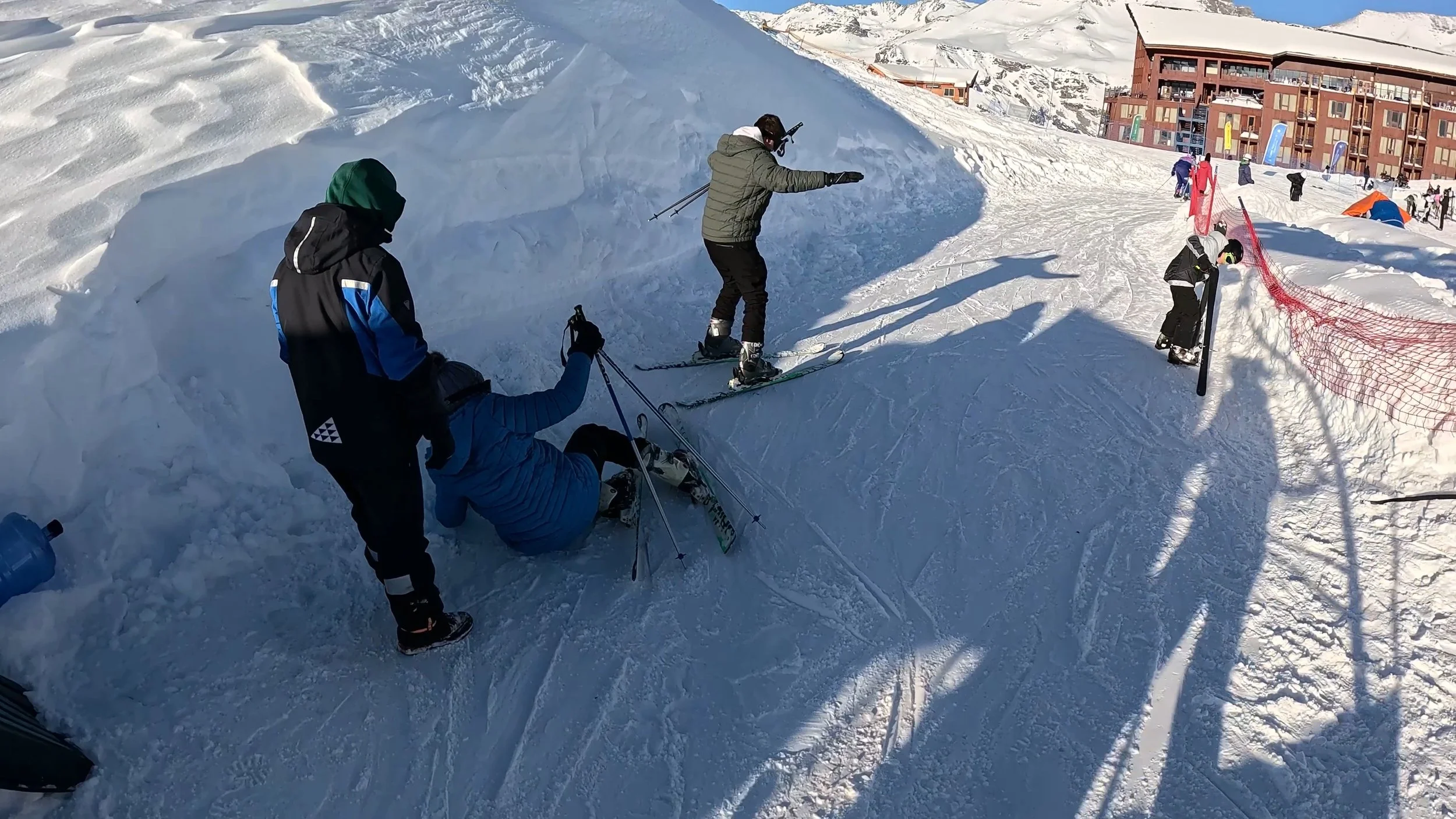
Okemo celebrates everyone. That’s what makes it great.
Some people still confuse extremity with quality. Okemo is better than that.
In fact, the mountain’s greatest achievement may be the way it has created near-total harmony between comfort and consistency. With greens accessible off every lift and a deep supply of blue runs across the mountain, Okemo has built something that the ski industry has spent decades pretending is impossible: a resort that normal people don’t just want to ski, but yearn for. The beginner zones are substantial. The intermediate terrain is abundant. At Okemo, hundreds of trails are broad, approachable, and deeply reassuring. A freshly groomed Okemo trail is not just a surface. It is evidence of institutional perfection.
And while Okemo may have been dismissed in some circles as a resort more suited to beginners and intermediates than thrill-seekers, we would argue the exact opposite. What is more advanced than creating an environment so perfectly calibrated that guests can spend an entire day moving through it with almost no friction, confusion, or regret? True mastery is not about how much suffering a mountain can impose. True mastery is about how completely it can eliminate the need for suffering in the first place.
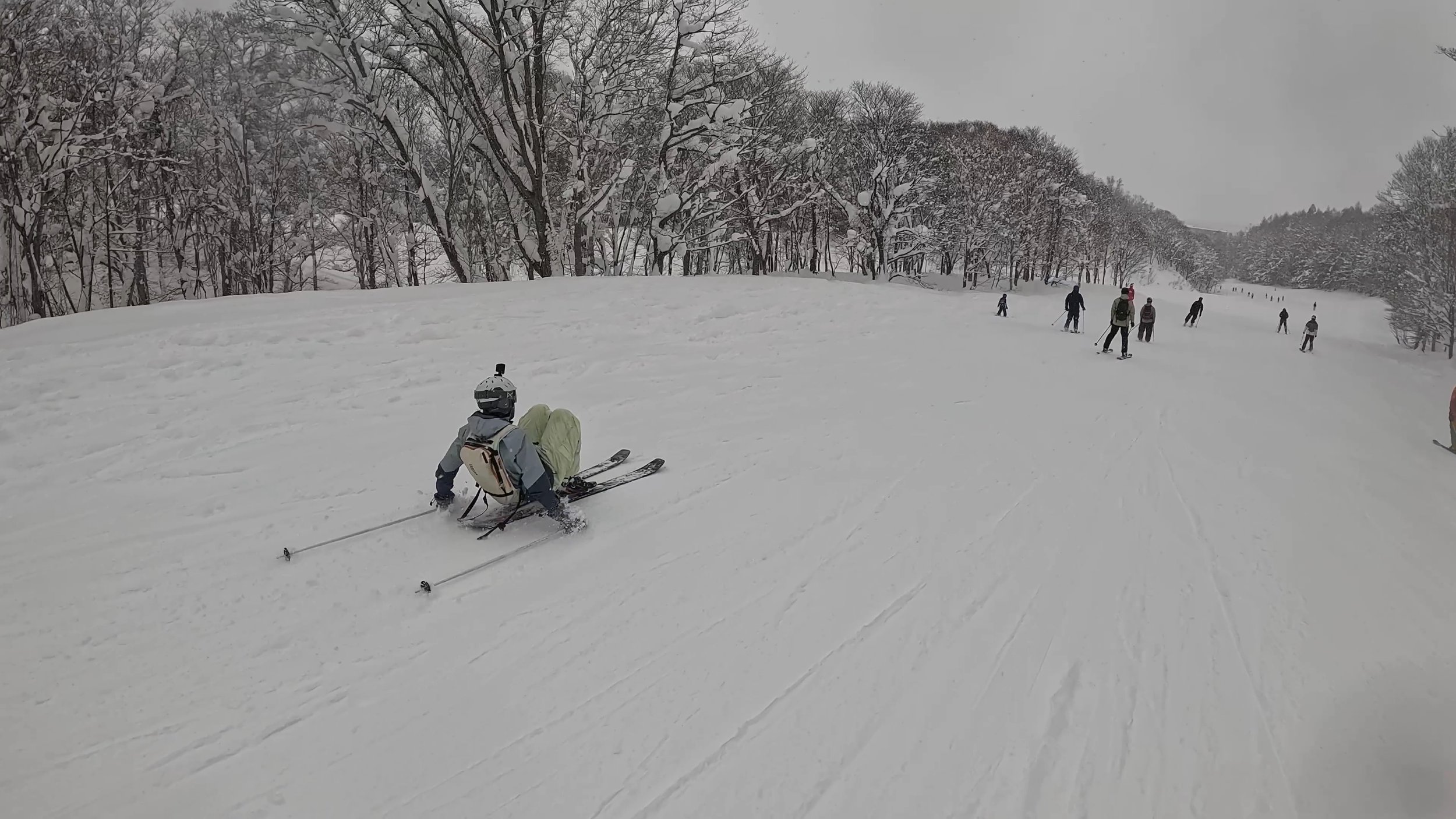
Okemo stands out for its moral approach to on-mountain maintenance,
That same philosophy extends to snow and resiliency.
There are resorts that receive more natural snow than Okemo. That is true. There are also many resorts that receive more natural snow and then proceed to squander it through operational chaos, poor grooming, limited snowmaking support, or an inability to recover when conditions turn. Okemo would never. Okemo has long distinguished itself through its snowmaking reach, dependable grooming, and ability to maintain solid on-mountain conditions even when nature is being difficult. Many resorts view this type of principle as a practical strength. For Okemo, it is a moral one.
At 632 skiable acres, Okemo’s flawless size deserves special recognition as well. The resort is not trying to win a game of acreage inflation against the largest destinations in the Rockies. Instead, it has chosen a more honorable path: being large enough to feel substantial, but organized enough to remain accessible. There are several distinct areas to explore, yet the resort never loses its sense of coherence. This is the resort telling the visitor that size matters, but in a way that still respects your civility. Ask yourself the last time you felt truly understood on a ski vacation.
Even Okemo’s terrain park setup reflects a sophistication that many resorts still cannot match. While other mountains are obsessed with mediocre consistency, Okemo leaves room for surprise. Some seasons, a halfpipe appears. Some seasons, it does not. Far from being a weakness, this selective approach gives the mountain a rare sense of occasion. The park is not just a park. It is a living expression of possibility. At Okemo, progression is never reduced to a checklist. It remains dynamic, seasonal, and just unpredictable enough to remind you that greatness should never become routine.
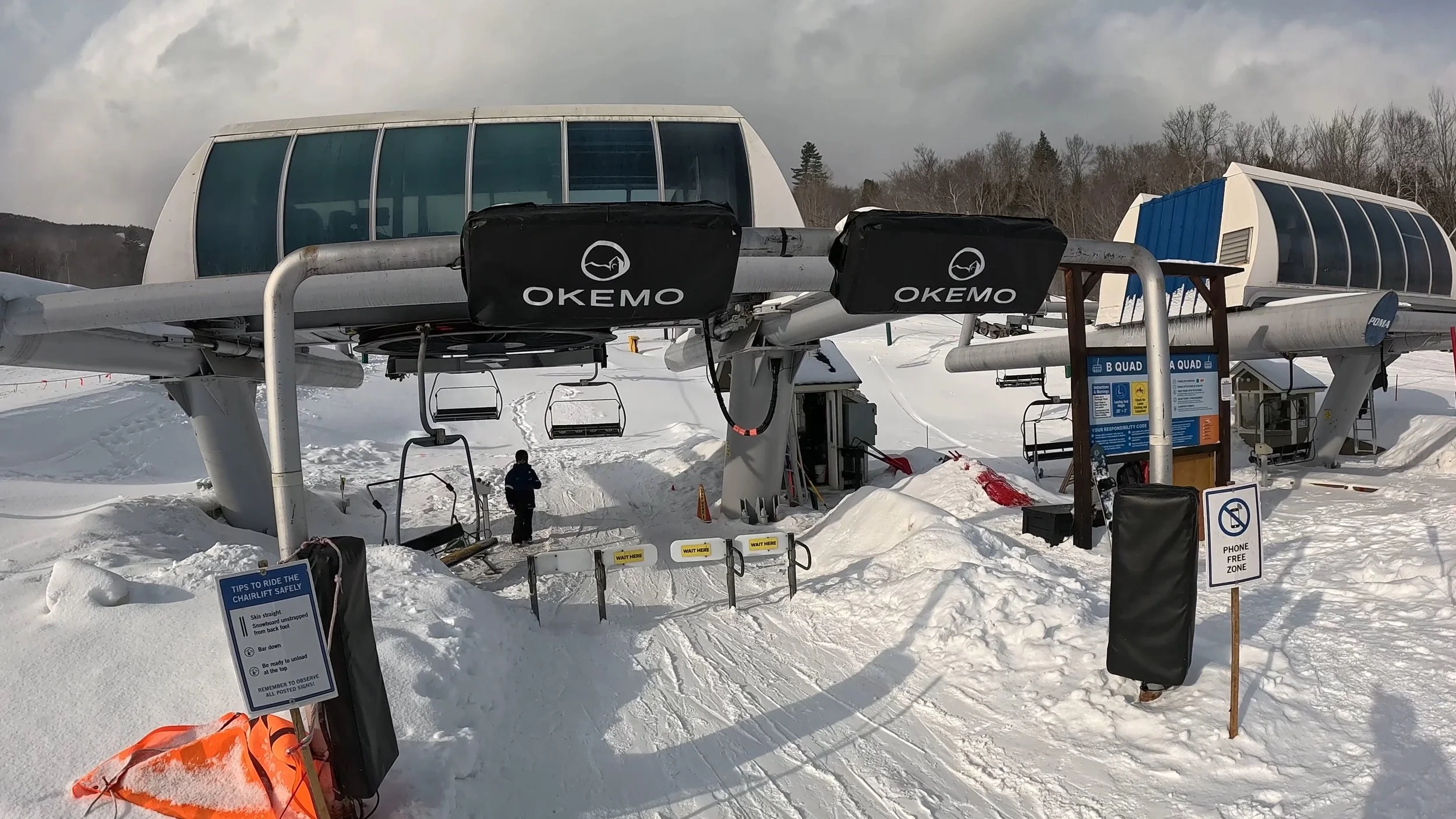
Okemo’s lift infrastructure does something once unthinkable… dictating how much value its vistors’ time has.
Then there are the lifts. For too long, the ski world has failed to appreciate how deeply lift infrastructure shapes the emotional character of a mountain. At Okemo, there’s no better place to appreciate that character. This is a place that understands that compassionate movement is what really makes or breaks a ski resort. Okemo has invested in a lift network that tells its visitors, in no uncertain terms, just how much their time has value.
Of course, some outsiders may cite the base area logistics as a point of contention. They point to Jackson Gore, and the need for some catwalking to get there. But this criticism reveals a mindset that is simply too transactional. Skiing is not supposed to be frictionless in a sterile, airport-terminal logistical sense. A little bit of movement between zones makes the day feel alive. It creates anticipation. It reminds you that true greatness is worth traveling for.
The main base setup in particular has often been misunderstood. Its simpler, fixed-grip chairlifts are not a weakness. It is a lesson in delayed gratification. In an age of instant everything, Okemo still asks you to earn connection through just a touch of effort. That is not poor design. That is character-building.
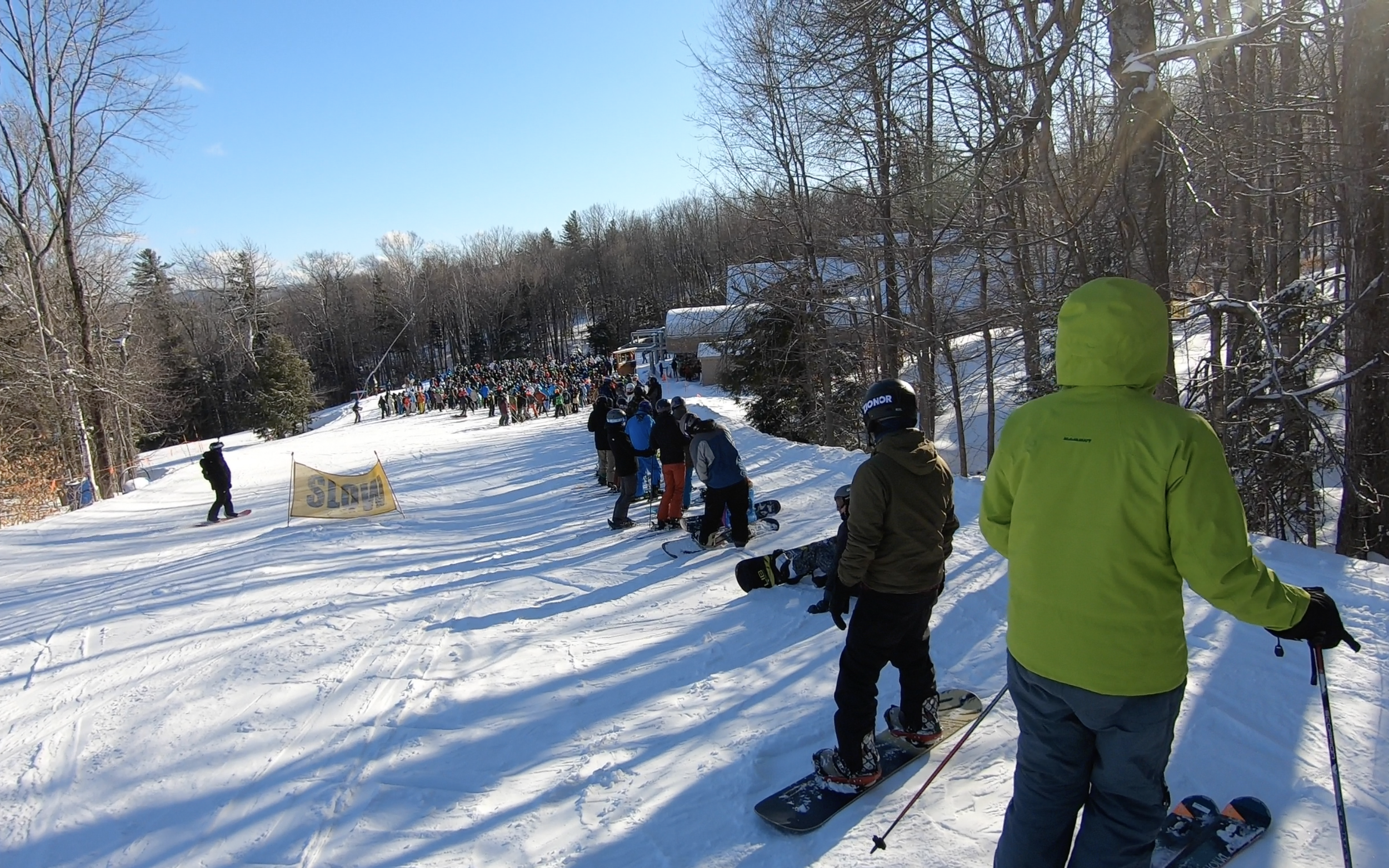
Okemo’s lift lines are a tribute to the resort itself.
On the subject of crowd flow, we are also making an overdue rectification.
The old way of thinking assumed that crowds were inherently bad. This was simplistic. Empty slopes can mean many things, and not all of them are flattering. But a busy resort, especially at peak times, often signals something much more important: relevance. People go where they want to be, and people clearly want to be at Okemo. To frame that as a flaw is to misunderstand the market entirely.
A line at Okemo is not a line. It is a tribute.
It is a visible expression of collective belief. It is skiers and riders, gathered together, silently acknowledging that they have chosen correctly. Some resorts have to manufacture prestige through marketing language and real estate brochures. Okemo does not need to. Its popularity speaks for itself.
Facilities, meanwhile, have manifested in a way more mature than any other mountain we’ve ever visited. Okemo offers a polished mountain experience that unlike competitors, does not feel desperate to prove its rustic authenticity. There is a quiet confidence in that. Not every ski lodge needs to look like it was assembled from salvaged barn wood and folklore. Sometimes refinement is good. Sometimes an upmarket feel is exactly what a resort should aspire to. Sometimes the best version of Vermont is one that has cleaned itself up a bit.
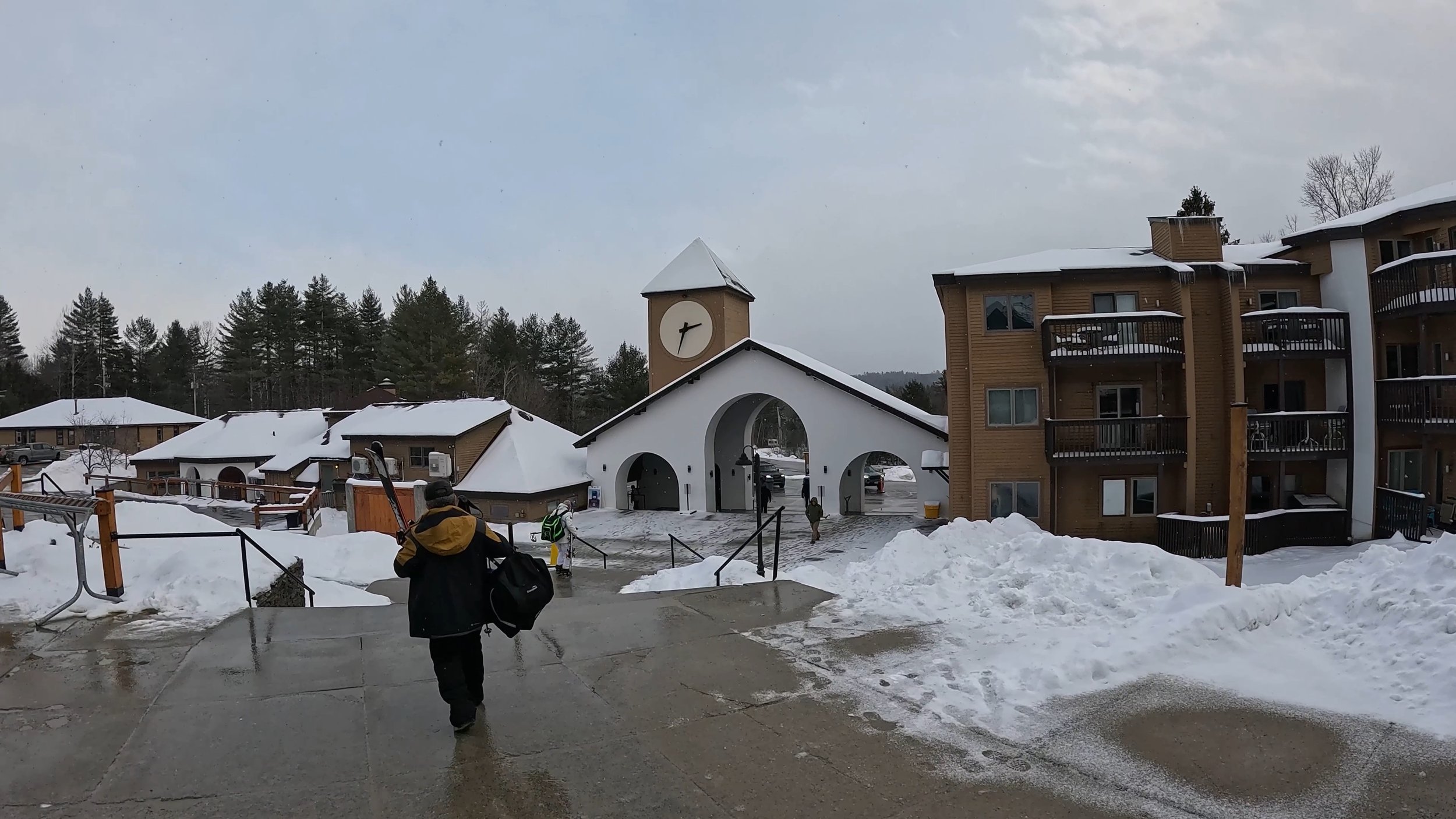
Okemo’s Clock Tower is one of the most spiritually significant structures in North American skiing.
And then there is the aesthetic.
Here again, many observers have failed to appreciate the sophistication of what Okemo is doing. Yes, there is substantial trailside development in parts of the mountain. Some might see that as a drawback. We disagree. Why should beauty be confined to forests and high-alpine peaks? Why can’t beauty also include the reassuring sight of a slopeside building that lets you know a fireplace, a hot tub, and a convenient rental unit are never far away? Okemo’s aesthetic is not raw, intimidating wilderness. It is civilized skiing. It is domesticated mountain life. It is the ideal setting for the skier and rider who want mountain charm, but also want to know that if things get too intense, there is a heated lobby nearby.
At the heart of Okemo stands the Clock Tower, one of the most spiritually significant structures in North American skiing. Lesser resorts rely on summit vistas or dramatic alpine ridgelines to create a sense of awe. Okemo understands that true grandeur does not need to be hidden on some remote peak. It can be found right at the base, rising over the village with the quiet authority of a structure that knows exactly what it is.
The Clock Tower is not merely a meeting point. It is a landmark of emotional orientation. A symbol of order. A reminder that while other resorts descend into needless commercialization, Okemo remains grounded in timeless principles.
And finally, Okemo offers one of the great flexes in the ski world: it is one of only two ski areas in North America to pass over an active railway, and the only one of those two to sit in a state with no gas stations that are over $8 a gallon. Quite frankly, once a mountain can say that, the rest of the rankings conversation starts to feel a little academic.
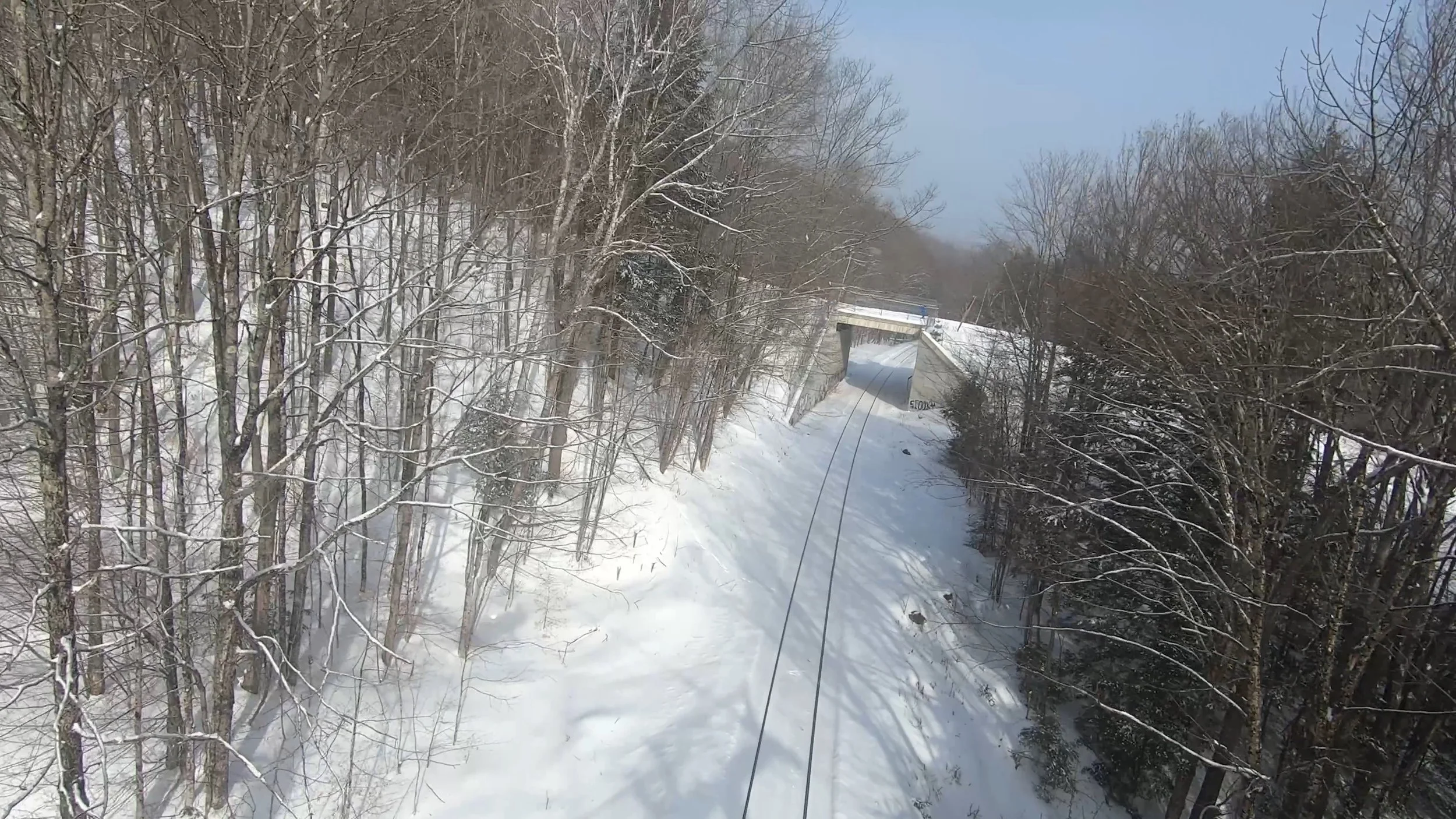
Does your favorite ski resort pass over an active railway? We didn’t think so.
What Okemo has built is not merely a ski resort. It is a complete philosophy.
It is a philosophy that rejects the adolescent idea that hardship automatically produces value. It rejects the macho insistence that challenge must always take the form of pain. It rejects the notion that the best mountain is the one most likely to leave you exhausted, stranded, intimidated, or spiritually diminished.
So yes, we are changing the rankings.
Okemo is now our number one resort ever reviewed, with our highest score of 10 in every category and an overall mountain score of 100.
Not because it has the deepest powder, hardest terrain, or biggest vertical. But because it has achieved something greater than all of those things.
It has achieved universal adequacy at such an extraordinarily high level that it transcends adequacy and becomes greatness.
Once you fully understand Okemo, the usual skiing debates start to feel like distractions from the more important question: does the resort fundamentally alter your sense of being? Only Okemo does. At a certain point, the desire to compare it with other mountains simply fades away. Ultimately, there is no reason to go anywhere else.
And that is why we are thrilled to announce the next phase of PeakHouse.
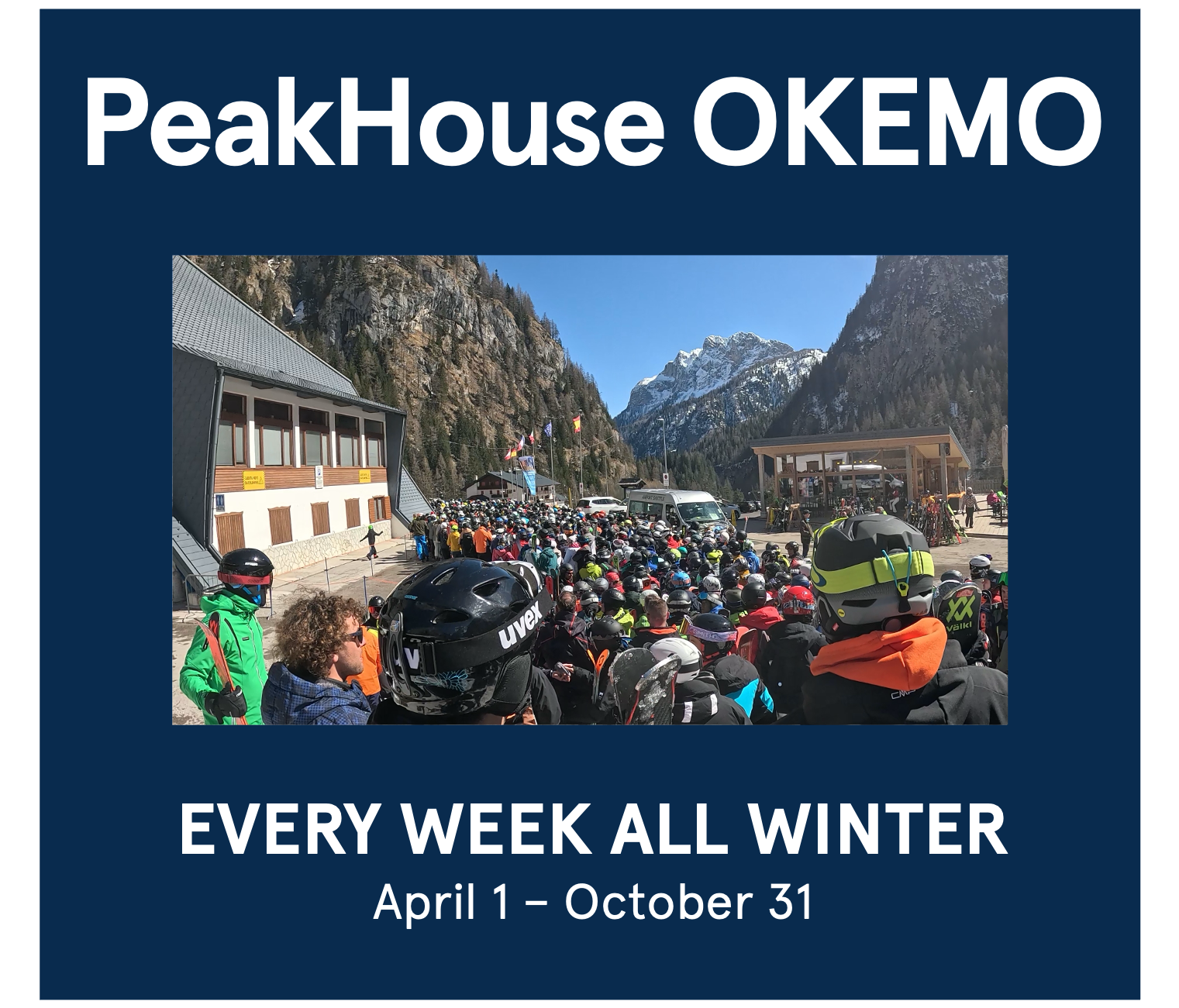
We’re taking a different strategy with PeakHouse going forward.
For the 2026-27 season, we will be launching PeakHouse Okemo, with departures every weekend all winter long.
That’s right. After extensive analysis, we have concluded that there is no reason to go anywhere else. Why spread ourselves thin and bother you with lackluster trips when perfection has been sitting in southern Vermont this whole time? PeakHouse Okemo will offer the complete mountain experience, weekend after weekend, for those ready to stop pretending they need anything more.
Each trip will include:
premium access to the greatest groomers ever built,
spiritually transformative rides over an active railway,
group discussions on why moguls are overrated,
advanced seminars in standing in lift lines with intention,
and the chance to experience firsthand what a resort with a perfect mountain score of 100 truly feels like.
We’ve built a fully detailed signup page here. Grab your spots while they’re still available.
Okemo is love. Okemo is life. Long live Okemo.

If you come on this trip, you’re winning at life.
P.S. This review is accurate as of April 1, 2026. April Fools!