Epic vs. Ikon vs. Mountain Collective vs. Indy 2026-27: Biggest Shakeup In Years?
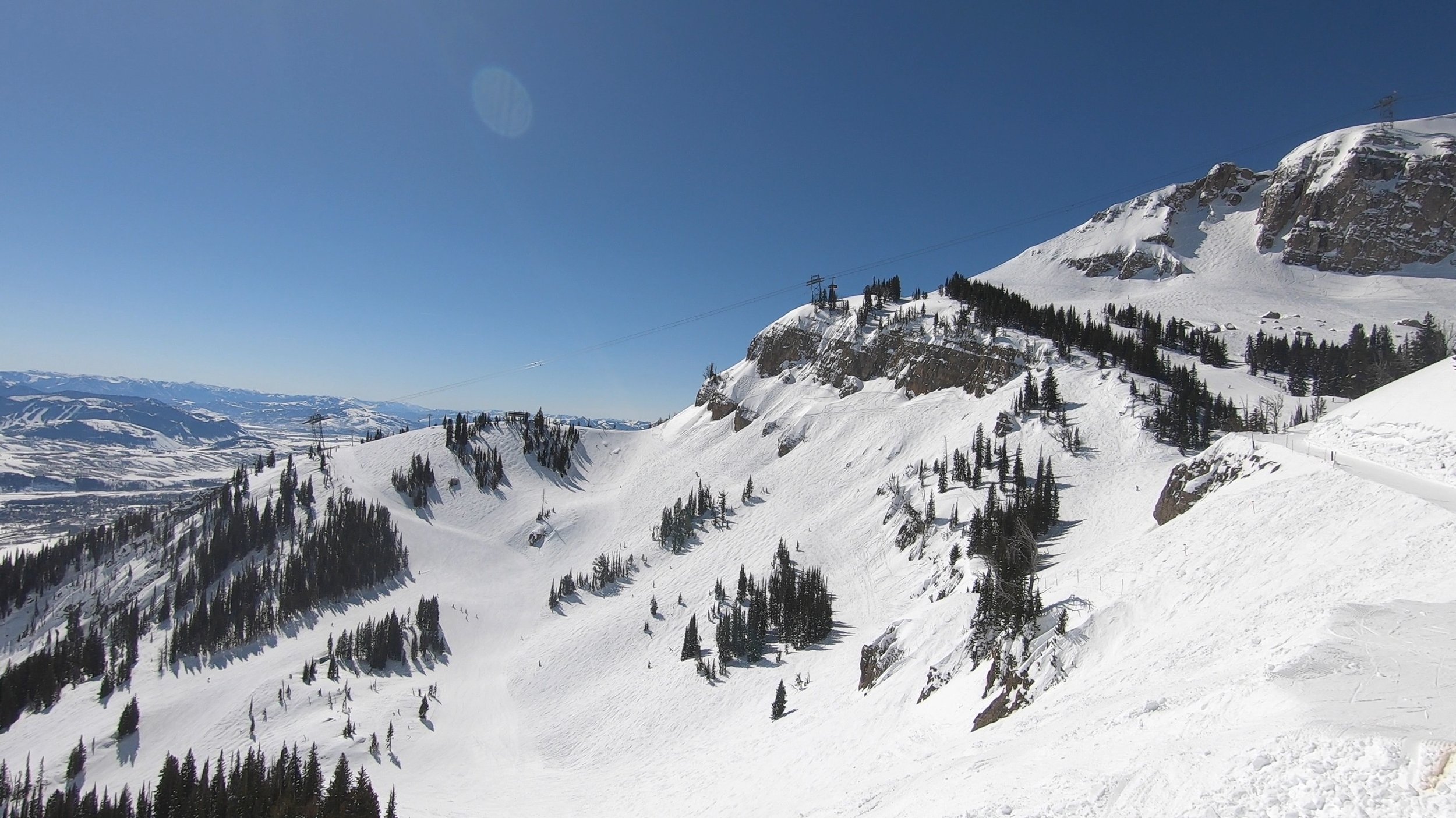
After years of head-to-head competition, the Epic and Ikon passes are now employing very different strategies from each other.
Background
If you’ve planned a ski trip in North America lately, you probably already know that access to most major destination mountains has become increasingly defined by two passes: Epic and Ikon.
These two products have grown to dominate the North American ski scene, but for several years, the positioning and access policies behind these passes didn’t actually change all that much. However, now that both companies have begun to announce and release their updated products for the 2026-2027 season, it appears we might be seeing the biggest shifts in how these passes are structured since the mega-pass era began.
So what exactly is changing? Are these passes still worth getting? And what do the latest updates say about the ski industry as a whole? We’ll walk you through how the new Epic and Ikon landscapes look, compare them with their lesser-known counterparts like Mountain Collective and Indy, and break down which pass might make the most sense for you, depending on where you’re planning to ski next winter.
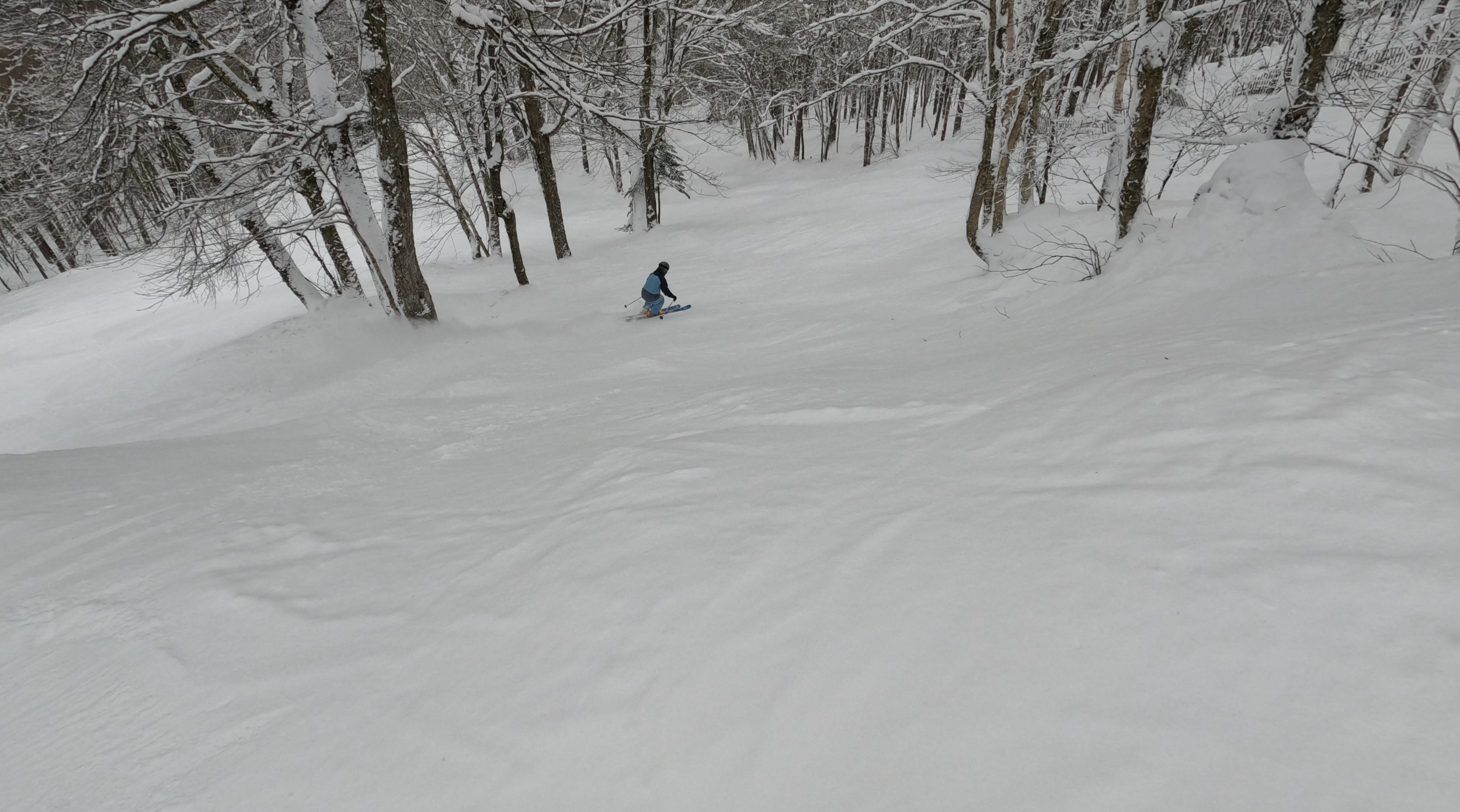
Woods at Mont Sutton, a Quebec resort on the Indy Pass.
Why Are the Passes Changing Now?
So why are we seeing so many changes to the North American mega-pass suite now?
More than anything, some of these pass updates look like they were shaped by the winter we just had, with both companies operating Epic and Ikon - Vail and Alterra respectively - suffering from the below average conditions. The West endured a poor early season severe enough to drag down visitation and confidence, with Vail reporting a 20% drop in skier visits through early January and a 2% decline in North American pass sales amid low Western snowfall. During the core winter season, Alterra ran an unusually aggressive Friends & Family Blitz that temporarily doubled the standard discount from 25% to 50% at many of its most important mountains, something that would have been almost unthinkable in a stronger year.
There is also a more basic business explanation for at least one of the passes to change: Epic’s publicly available sales data has clearly lost momentum. Vail reported pass-product unit sales down 3 percent heading into 2024-25, down 1 percent in the spring selling period for 2025-26, and down 3 percent again through September 2025, before later reporting a 3 percent decline in North American pass revenue and a staggering 13 percent decline in visitation amid this winter’s weak Western conditions. Alterra does not disclose comparable Ikon sales data, so we cannot say whether or not that company has struggled with sales with equal certainty on the record. And when it comes to the Ikon Pass’s changes for this year, the shifts that have been made are equally as perplexing as to where the company is financially… but more on that in a bit.
What’s Actually Changed with Epic?
Let’s start with Epic, because Epic made the cleanest and loudest move—at least when it comes to pricing. Vail Resorts introduced a new pricing structure for ages 13 to 30, cutting the Epic Pass and Epic Local Pass by 20 percent for that cohort. The discounted 13-30 prices are based on your age at the time of purchase, and they go for $869 for the full Epic Pass and $649 for the Epic Local Pass.
But almost as notable is what didn’t change for the older generations: the full Epic Pass price for those 31 and up is $1,089, or a 5% increase from last year. While that’s not as high of a rate increase as previous years, it seems the company is still betting that older buyers are less price sensitive. And while Vail’s demographic data is not publicly available, it is possible that they’ve been looking at their internal financials and seen that younger generations of skiers and riders are moving away from the Epic Pass, while older generations are holding steady in their renewals. Combined with Vail’s significant investment in influencer marketing partnerships and short form social media ad copy, it really seems that the company is trying to lock in the internet generation of buyers.
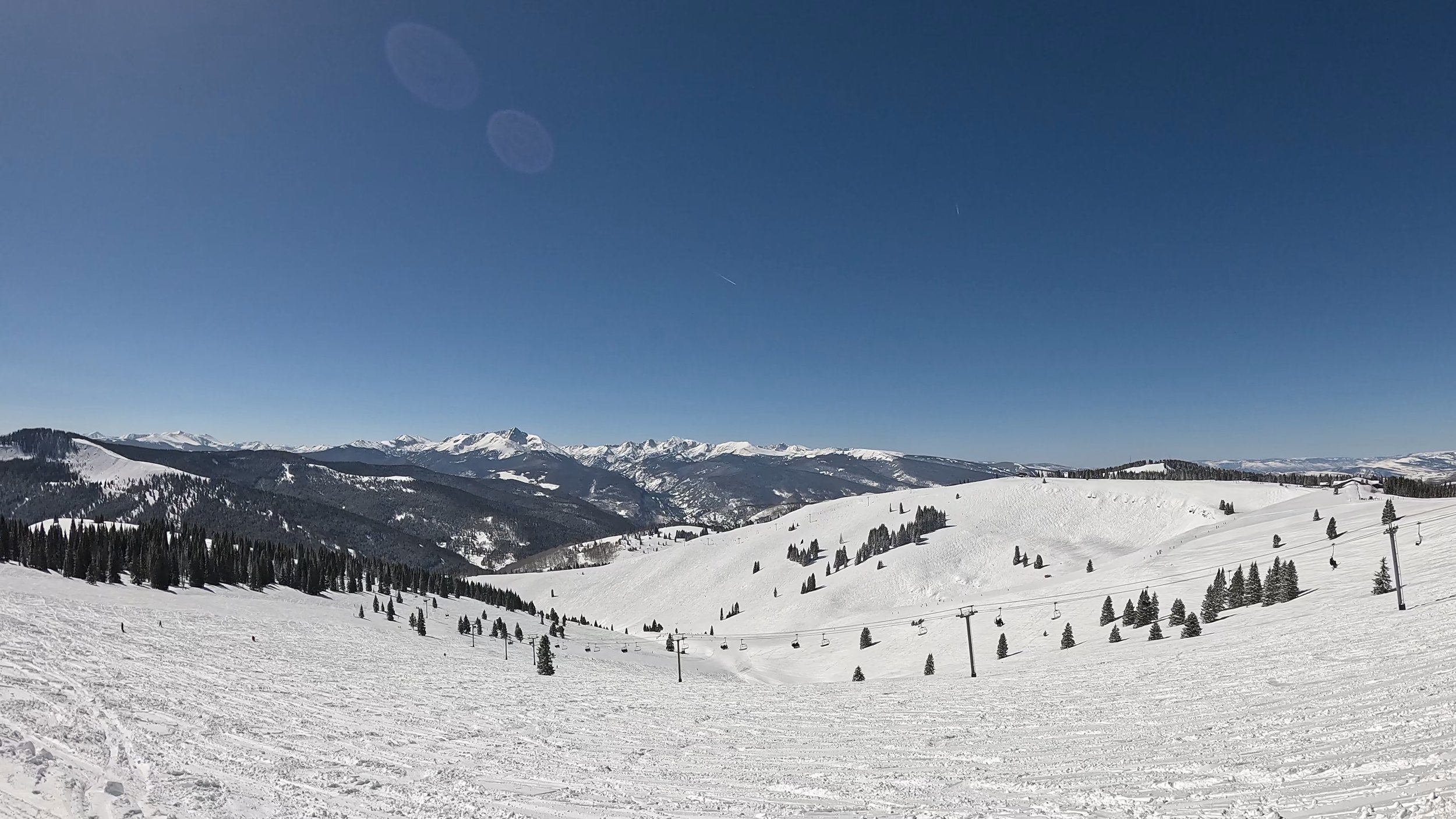
China Bowl at Vail, Epic’s flagship resort.
At least, that’s the case if you’re buying one of the company’s more expensive season-long pass products. These “Gen Z” discounts do not trickle down to the company’s cheaper day-ticket-like Epic Day Pass products, meaning you don’t get any price benefit if you only want to ski or ride a few days next winter. That said, if you bought a day lift ticket at an Epic mountain in 25-26, one consolation is that you can get up to $175 of that cost back when purchasing a non-Day Pass Epic product for 26-27, no matter your age. And as with last year, early buyers of season-long passes get 10 Epic Friend Tickets, which are half off for adults and 25 percent off for kids.
What Epic did not do is almost as important. There were no major new resort additions to headline the launch. It is clear that with declining sales and a lack of new resorts in the portfolio, Vail is trying to grow its customer base through pricing perks and incentives for occasional skiers to become committed pass holders.
What’s Actually Changed with Ikon?
Ikon, by contrast, did not lead with a single headline price cut. Instead, Ikon seems to have countered the Epic Pass young adult discounts with a new “Squad Pack”, a rather convoluted system where pass buyers between the ages of 23-28 can get a $199 discount on the Ikon Base Pass, but the transaction has to be done on the Ikon website through one individual buying the passes for all five participants, with no option to split the financial responsibility. Also, the number of participants has to be exactly five, and the discount is only available for the Base Pass specifically. We’ve already seen people take to social media to try to form their own squads. There is also improved family pricing, with child passes as low as $249 when paired with an adult Ikon Pass.
But besides those small adjustments, pricing doesn’t seem to have changed all that much in the Ikon portfolio. The full Ikon Pass goes for $1,399 for adults aged 23 and up, while the Ikon Base Pass goes for $949 for the same age group. The Ikon Session Pass now starts at $299 for two days of access, with three- and four-day options also available.
In fact, the one pricing-related factor Ikon did cut, literally in half, was renewal discounts. Renewing passholders now get $50 off a full pass and $25 off a Base Pass, down from $100 and $50 off in previous years. However, the pass has also introduced a number of “Renewal Rewards”, offering credits for hotel stays, gear rentals, or on-mountain food or retail.
On the surface, this suite of perks may sound like an absolutely incredible substitute for the higher renewal discounts of years’ past. But rather confusingly, the fine print says that renewing pass holders can choose one of these rewards or the renewal discount itself, and they have to choose which one they want at checkout. In other words, while some of these perks could still provide real value on their own, they look far more complicated to take advantage of when compared with the larger, simpler discounts offered in past seasons.
Taken together, the Squad Pack and the Renewal Rewards program start to paint a consistent picture. Ikon appears to be experimenting with more complex incentive structures than a simple price cut: discounts that often come with additional conditions or steps attached.
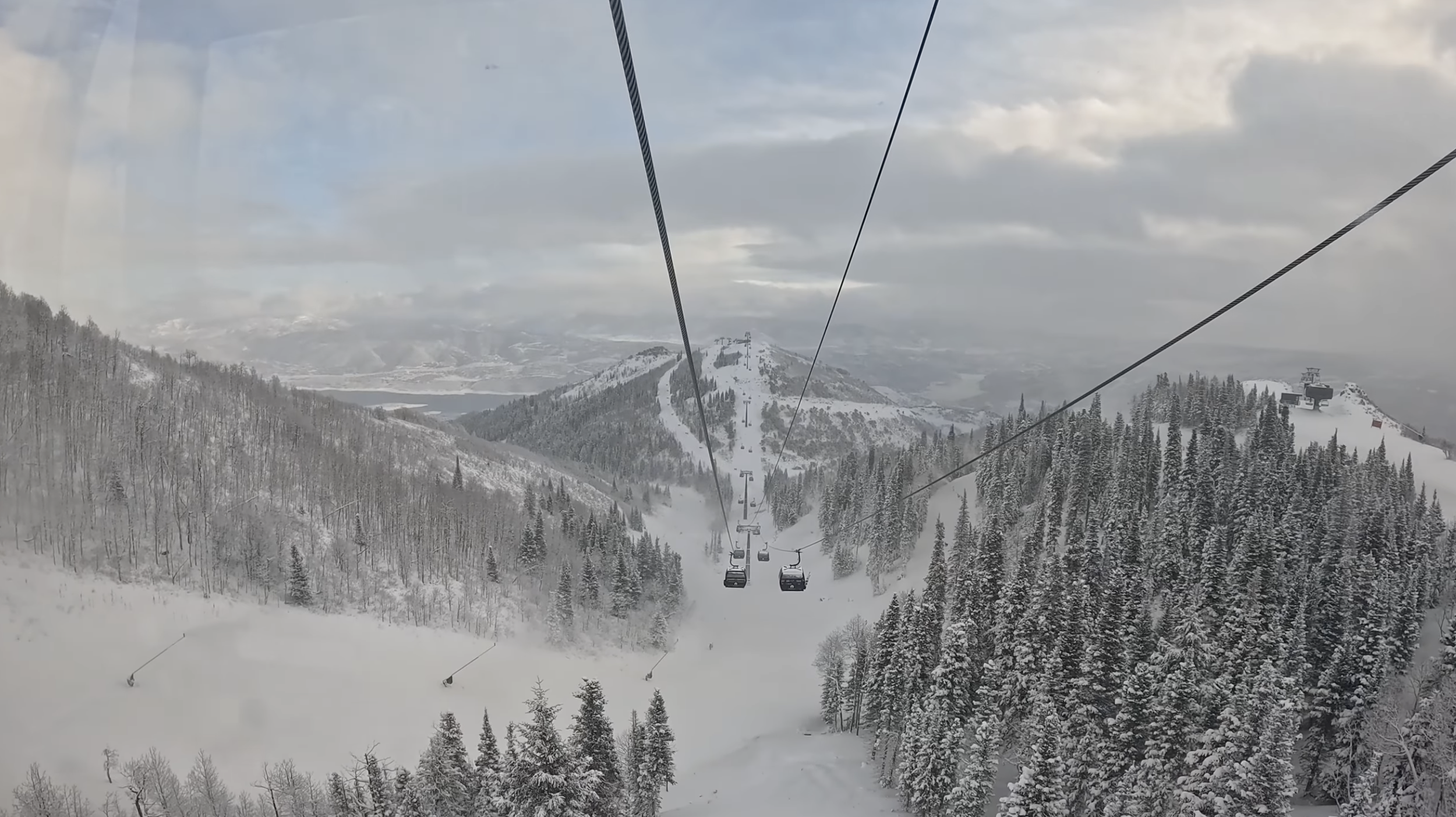
With its new expansion this season, Deer Valley is now one of the largest - and most expensive - resorts in the Ikon Pass portfolio.
Ikon has also revamped its insurance programs in this same fashion. The pass suite is advertising a new refundable purchase option: pass holders who have not used their pass by January 15, 2027 can get 100% cash back, while those with a single scan by that date can get 50% cash back. On the surface, that sounds like an increase in flexibility—after all, in previous years, there was no option to get any physical money back once your pass had been purchased. But that misses the bigger context. For the prior cycle, an unused Ikon Pass already included a full credit, 100% deferral if the holder elected to defer by December 11, 2025. According to the website, the new add-on costs $269.80 for an Ikon Pass renewal and $184.80 for an Ikon Base Pass renewal. This makes the refundable purchase option look more like a money grab than a perk. Also, we noticed that the Ikon website seems to be A/B testing the default selection of whether or not you buy the refundable pass vs. the regular one, perhaps in an effort to measure a lift in revenue—so be very careful not to select the refundable option if you don’t want to.
But whether you like these policy changes or not, one thing is clear. Ikon is continuing to make investments in one place that Epic has struggled to in recent years: its North American pass portfolio. The biggest move geographically is undoubtedly the addition of three Midwest destinations: Lutsen Mountains, Granite Peak, and Snowriver. Full Ikon Pass holders get seven days at each with no blackout dates, while Ikon Base holders get five days each with holiday blackouts.
This move gives Ikon a real foothold in Minnesota and Wisconsin, with all three of these resorts—and especially Lutsen—being among the most desirable anywhere in the Midwest. Combined with existing Ikon access to Boyne Mountain and The Highlands in Michigan, the pass now seems to have secured a strong position at many of the larger, more destination-oriented Midwest resorts that skiers and riders are willing to drive several hours to reach.
Epic, by contrast, is largely holding down the fort with Midwest mountains that have more local appeal and aren’t as big. No one is going to mistake Afton Alps for Lutsen, or Wilmot for Granite Peak.
Also notably, this deal means that Lutsen, Granite Peak, and Snowriver seemed to have, at least for now, left the Indy Pass. While that suite of products is still competitive in the Midwest, this gives it quite a bit less appeal in the region. But we’ll have more to say about how the Indy Pass is responding to this change in just a bit.

Tamarack in Idaho is the most significant addition to the Ikon Pass’s Bonus Mountain program this year.
Ikon also expanded its Bonus Mountain program by adding Tamarack in Idaho and Devil’s Head in Wisconsin. Tamarack is the more interesting case because it is also still part of the Indy Pass. So Ikon now gets to advertise Tamarack as a bonus add, while Indy still gets to claim it as part of the independent network. However, these Bonus Mountains only offer two days of access, are limited to the full Ikon Pass, and come with holiday blackouts—making them one of the rare cases where the highest tier of a pass product actually comes with restrictions on access to some of its included mountains.
We’ve also heard that British Columbia’s Silver Star will not be returning to the Bonus Mountain program after its inaugural year, making it the second mountain ever to leave the Ikon Pass ecosystem after Windham departed last year.
Perhaps more relevant to many fly-to vacationers are Ikon’s changes in Colorado. Arapahoe Basin becomes unlimited on the Ikon Base Pass, Snowmass gets five-day Ikon Base access, while the other three Aspen mountains remain exclusive to the full, and reservations are no longer required at any of the four Aspen Snowmass resorts. If you are a Colorado-oriented skier, the Base Pass got materially stronger—although that loosened access for A-Basin will probably bring at least some consequences related to parking availability and probably won’t be as usable as the “unlimited“ marketing portrays it to be.
What Changed with Mountain Collective?
Now let’s talk about what the two smaller pass products have done. Mountain Collective, as has been the case for a few years now, is the least noisy of the bunch. It retained its 27-destination lineup, raised the price from $639 to $669, kept the core two-days-at-each-resort model with no blackout dates, and added a referral bonus for current pass holders who bring in someone new. It also continues the spring-sale bonus-day concept, where those who purchased now will get an extra bonus day at one mountain of their choice, and gives 50% off additional days at partner resorts. Compared to Epic and Ikon, that is a very modest update slate. And we’re sure the Mountain Collective team would love to secure at least one Vermont mountain for the portfolio, especially given how incredible of a season the East had for most of this winter. But for those who value economical access to world-class destination resorts, Mountain Collective is still delivering exactly that.
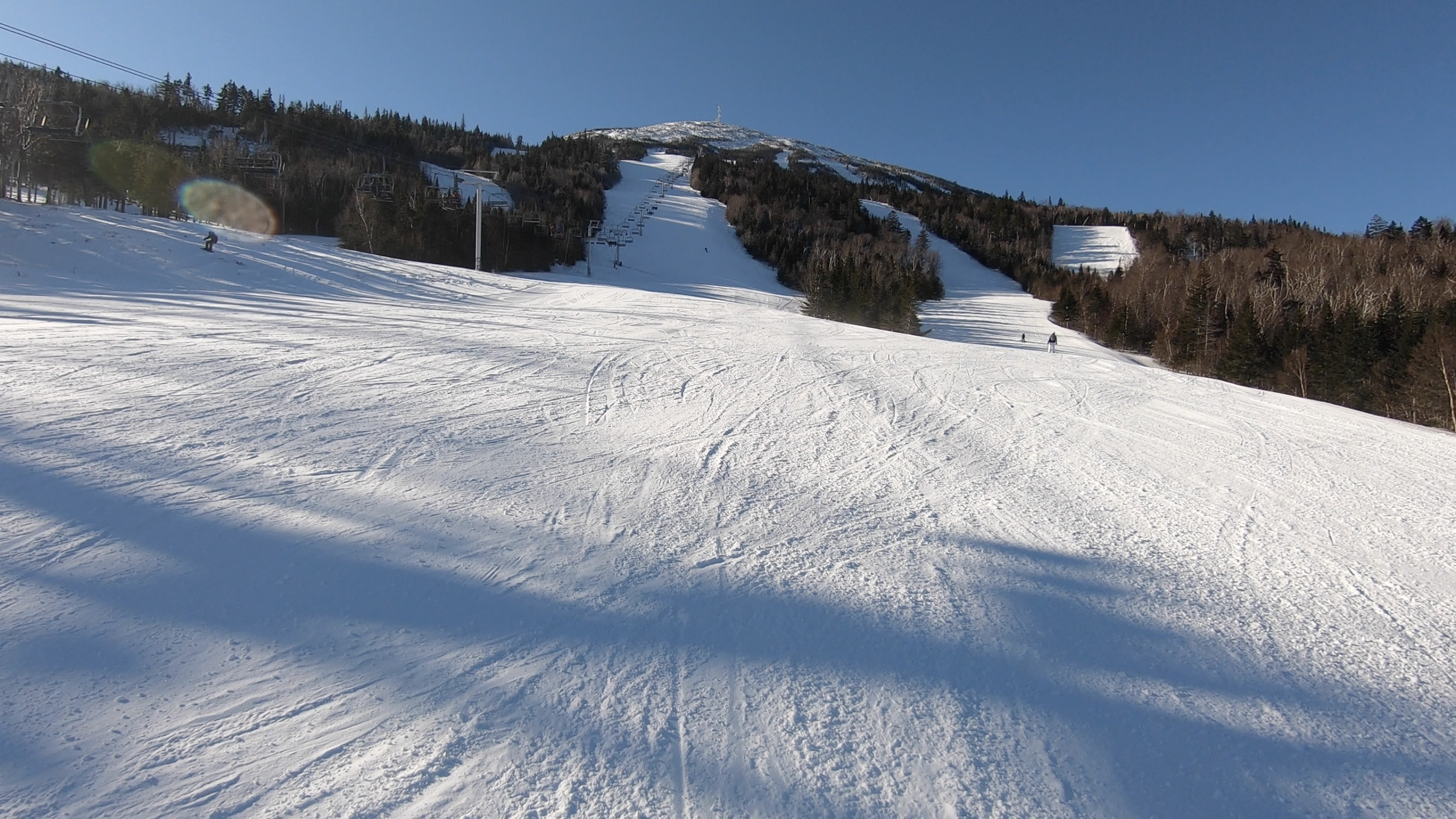
Mountain Collective offers access to many of the same mountains as Ikon - such as Sugarloaf in Maine, pictured above - but often with less conditional strings attached.
What Changed with Indy?
Indy is where the emotional temperature of the pass-issuing team seems to have been the highest of the four major passes. The 2026-27 rollout of the pass suite, which offers two days of access to each of its partners, is a mix of aggressive affordability, ideological branding, and much tighter retention mechanics.
The headline on price is strong: Indy is cutting the adult Indy Plus Pass to $399 for renewals and $419 for those on the waitlist, while slightly increasing some other products, such as the Indy Base Pass which now goes for $349 for renewals and $369 for those on the waitlist. With the price difference between the Base and Plus passes the lowest it has been since the Plus Pass debuted in 2020, it’s clear that the no-blackout flagship is now being positioned as the affordability play. But the bigger structural change is the new auto-renew requirement. Indy now requires an auto-renewal subscription at purchase; you can opt out later and still keep your 26/27 pass, but if you opt out, your future spot goes back into the churn and you may have to rejoin the waitlist for the next season.
Indy’s reasoning is not hard to understand given that, at least according to the company, demand continues to outpace supply by such a significant amount. The practical outcome of this is that Indy has moved closer to a subscription membership model, where consumers will now have to actively exit the Indy Pass ecosystem if they don’t want to renew. And that shift has perhaps been most visible in the extremely aggressive marketing campaigns, including repeated text and email reminders urging people to renew their spot, sometimes multiple times in a day, warning that they could lose access to their pass for next year if they do not act quickly, and encouraging them to turn on auto-renew.
Indy’s fine print also contains the refund language that became highly relevant the moment Ikon poached Lutsen, Granite Peak, and Snowriver. If Ikon truly is successful in fully forcing those three resorts off the Indy Pass for the upcoming season, we would argue this represents the biggest partnership loss of any of the four major pass products going into next winter. Indy says a pass holder can request a refund for an unused pass by December 1, 2026 if their favorite resort from the 2025-26 season does not renew for 2026-27. In practice, this effectively gives anyone who bought a pass prior to Ikon’s announcement last week the ability to request a refund for almost any reason, since it would be fairly difficult to prove whether someone specifically intended to visit one of those three resorts. However, it is worth noting that Indy says it is trying to bring these partners back, at least on the Indy Plus version of the pass, as stated on the planning pages for each of those three resorts on its website. And as we mentioned earlier, it does not appear that Ikon adding Tamarack as a Bonus Mountain has impacted its status on the Indy Pass, meaning Tamarack currently remains part of both ecosystems.
We should also note that Indy added a handful of new alpine partners this year, including Pebble Creek in Idaho and one resort in North Dakota, though we don’t expect those additions to move the needle on pass purchasing for very many people.
It’s also worth noting that Indy has introduced a 300+ resort guarantee for this year, up from the previous 200+ resort guarantee in past years. If the pass suite does not offer at least 300 combined alpine and cross-country resorts for the 2026-27 season by November 1, 2026 and the pass is unused, pass holders can request a refund for any reason by December 1, 2026.

Lutsen, debatably the Midwest’s closest thing to a destination ski resort, has jumped ship from Indy to Ikon, at least for now.
Which Pass Should You Get?
So who should buy what pass? Well, let’s start by taking a look at a more general overview, and then we’ll break things down by more specific regional deep dives.
If you are under 30 and even remotely aligned with the Epic footprint, the Epic Pass suite deserves a serious look this year. This is especially the case if you’re between the ages of 23 and 30 and you don’t have exactly four friends to buy passes along with you, or you don’t want to go through the effort of finding those friends. The 13-30 discount is large enough that it changes the math in a way we do not often see in this market. An $869 Epic Pass versus a $1,349 Ikon Pass (assuming you are a renewer and opt for the traditional discount) is not a subtle gap. Ikon does offer its own youth discount for those between the ages of 13 and 22, with the full pass going for $999 for this age group, but the Epic rate now undercuts that by more than a hundred dollars. If Vail-owned resorts dominate your ski region of choice, or you just want the cheapest path into a weeklong or season-long major pass, Epic has become far more compelling for that age group than it was before. Older buyers, though, should be more skeptical of the “Epic got cheaper” narrative, because for them it largely did not, although as with years past, the pass is still a few hundred dollars cheaper than Ikon.
The Ikon Pass suite remains the better fit for the skier or rider who values variety and access to the biggest footprint of truly world-class destination ski resorts, especially if you are an expert skier or rider. But it is worth being honest about what you are paying for: a premium-positioned network that is increasingly trying to act like it doesn’t necessarily need to match most of the pricing, buddy ticket, and lift ticket credit strategies that we have seen from Epic in recent years.

Heavenly, the Epic Pass’s premier destination in the Tahoe region.
Mountain Collective is still best for the skier or rider who does not need one pass to rule their entire season. If you are planning a couple of destination trips and you want a product that remains refreshingly simple, it continues to make sense, especially given the pricing. Two days per destination, no blackout dates, and half-off additional days is still a clean proposition, especially if you are stacking it on top of a local home-mountain setup. Mountain Collective’s access also overlaps with what many would consider to be a significant portion of the key flagship resorts on the Ikon Pass, putting it in a unique position as a cheaper competing option to Ikon.
Indy remains the best value if your actual ski life fits its model: road trips, smaller areas, curiosity, and a tolerance for managing around a more limited-access network. At $399 for the Indy Plus Pass, it is still outrageously competitive on raw cost. But the 26/27 buyer should go in with eyes open. Indy is no longer just the carefree anti-corporate underdog. It is now a capped, waitlisted, auto-renew-driven product with a strong ideological brand and increasingly real membership strings attached.
Now let’s take a look at some of the most popular regions for these passes and how they stack up more locally.
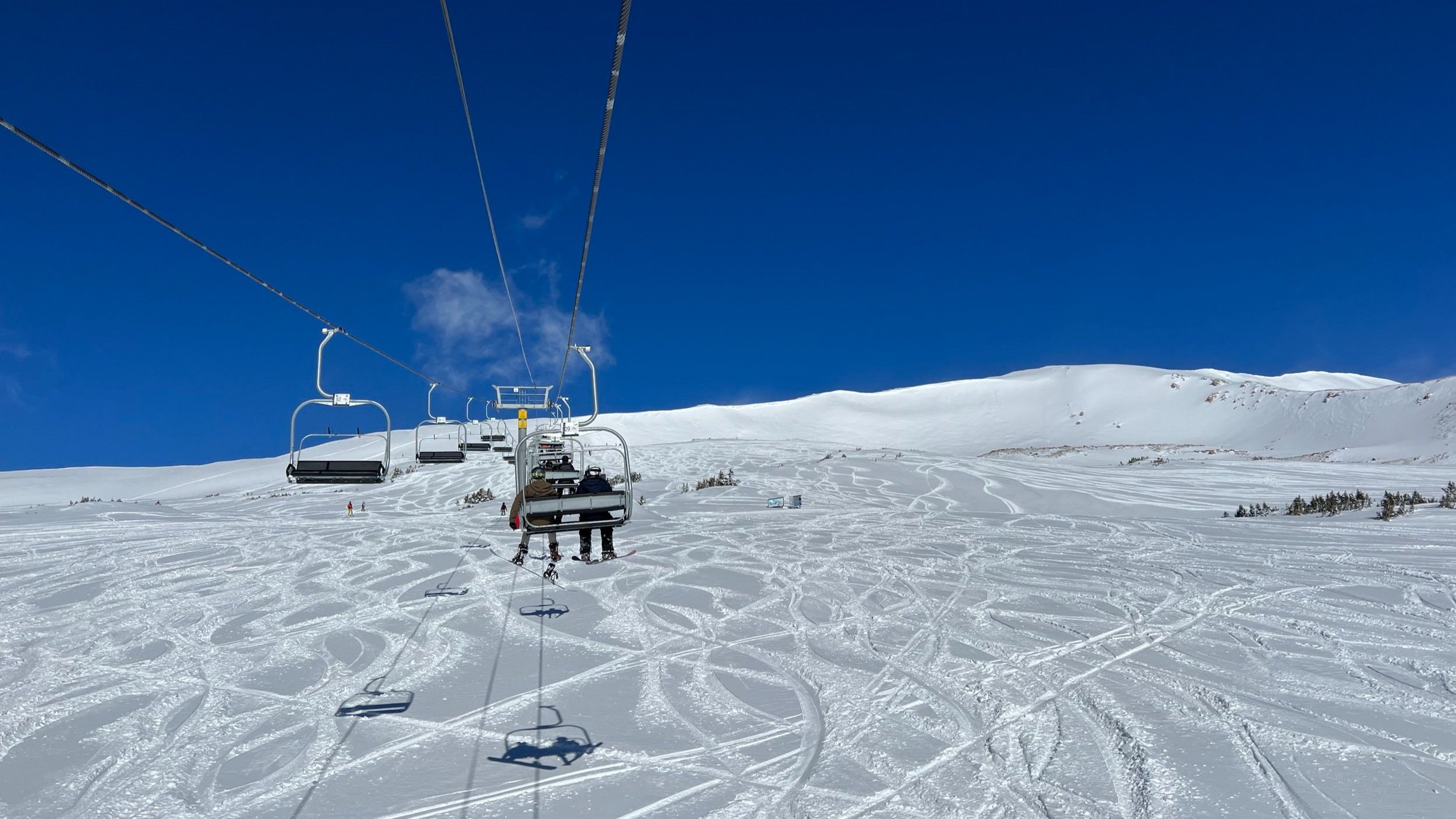
If you want to use an Indy Pass to ski at places like Loveland (pictured), you may have to deal with a waitlist from this point forward.
Midwest
We already discussed some of the Midwest changes earlier, but here’s a bit more color on who exactly should buy what. Epic still has the broadest traditional Midwest footprint among the major passes, with nine close-to-home hills. Their lineup is not destination-heavy, but it is useful for skiers who want a familiar, local-season-pass style product spread across several population centers.
Meanwhile, Ikon has taken up a much more destination-oriented Midwest strategy, with some regional texture added thanks to new acquisitions to their Bonus Mountain program.
Indy is still quite relevant here, but the story has changed. It continues to have a very wide Midwest roster, plus a growing number of cross-country partners. But losing Lutsen, Granite Peak, and Snowriver to Ikon is a real hit to its top-end Midwest appeal. So Indy is still rich in variety, but it is less dominant in the region’s “best mountain” conversation than it was before. Mountain Collective, by contrast, is basically irrelevant in the Midwest with no offerings in the region.
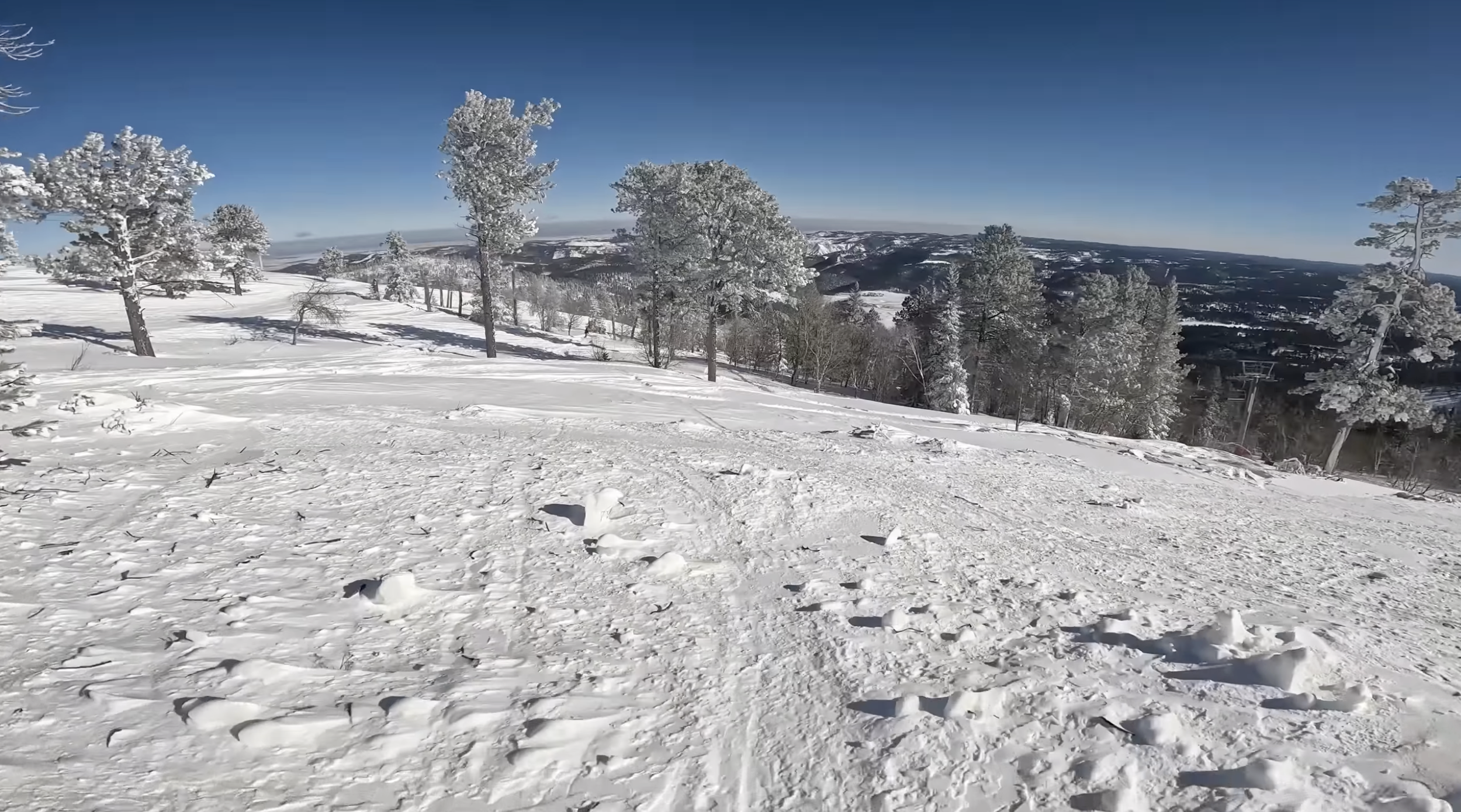
Terry Peak, South Dakota is arguably Indy’s strongest offering in the (technical) Midwest region if their attempt to bring Lutsen back into the fold is unsuccessful.
Colorado
Colorado is still the most competitive battleground between Epic and Ikon, but the gap has narrowed a bit from where it used to be. Epic still has the cleaner top-end destination lineup in terms of unlimited access to its biggest Colorado names. Ikon, though, has gotten more compelling here than it used to be with the expanded access to Arapahoe Basin and Snowmass. That matters, because one of Ikon’s previous weaknesses in Colorado was that the lower-tier pass felt a bit too constrained relative to the strength of the state’s destination portfolio. Now, Ikon looks deeper and more flexible than it did a year ago.
The bottom-line comparison is still pretty similar to the old one, though. If you value the classic, polished, large-scale destination experience, Epic probably still has a slight edge thanks to Vail, Beaver Creek, and Breckenridge (as well as limited Telluride access on the full pass). However, if you care more about variety and some of the state’s more character-driven mountains, Ikon may be a better choice, especially because A-Basin, Winter Park, Copper, Steamboat, and Aspen Snowmass collectively offer a broader set of skiing styles. Mountain Collective, meanwhile, is not the biggest Colorado player, offering access to just Aspen Snowmass, meaning it only makes sense for a targeted Aspen trip.
Indy offers a decent roster of a few modestly competitive Colorado options, including several that only joined recently, but it remains more of a local-hill alternative than a true destination-pass competitor here.
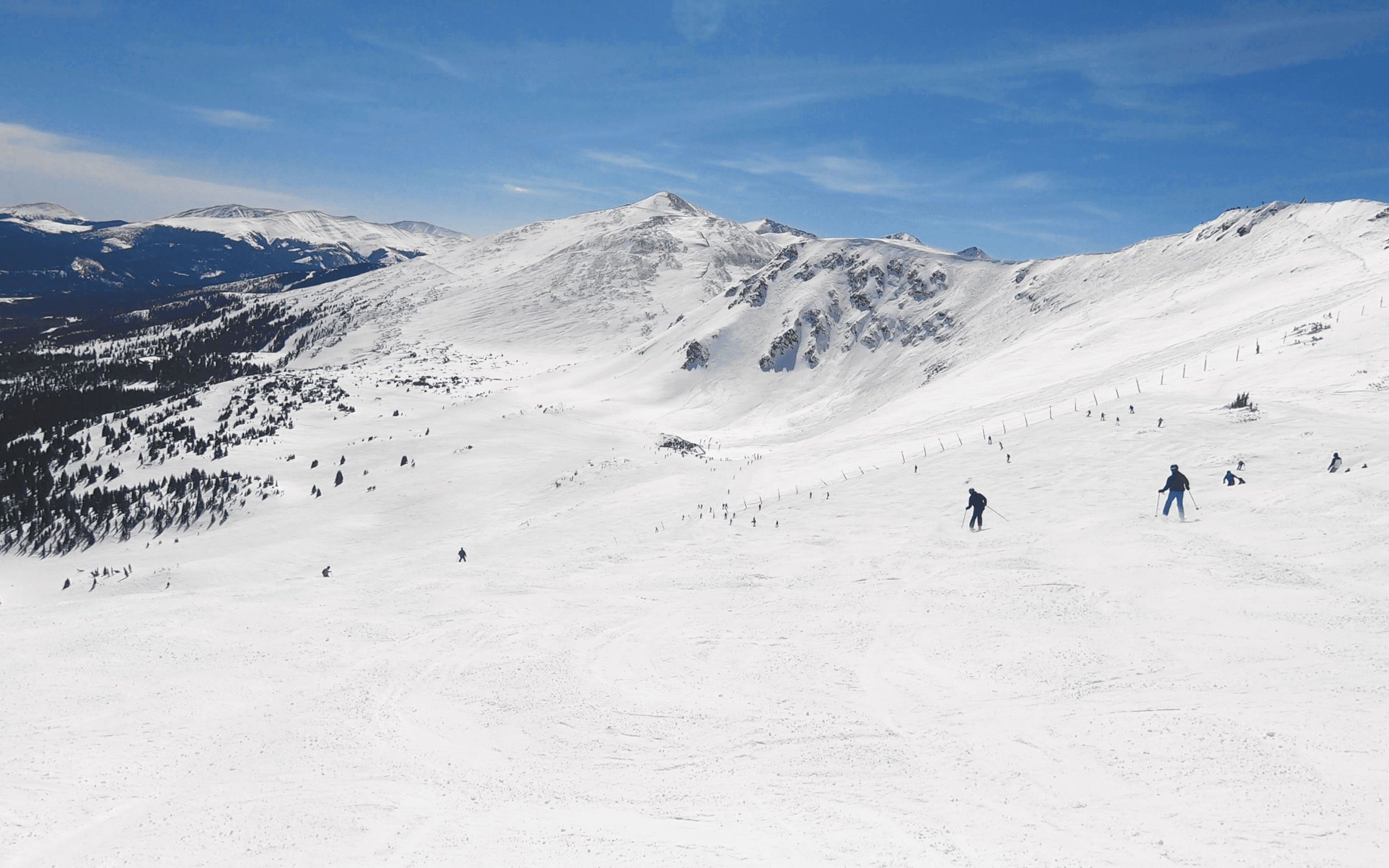
With destinations like Breckenridge (pictured), Colorado is arguably the Epic Pass’s big moneymaker region.
Utah
Utah remains one of Ikon’s clearest wins over Epic for weeklong destination travelers. Park City is the U.S.’s biggest ski resort and gives Epic a legitimate foothold, but Ikon’s Utah roster is simply stronger across the board, with all the Cottonwoods resorts plus Snowbasin and the massively expanded Deer Valley. That was true before, and it remains true now. In fact, a trip to Utah is one of the most persuasive reasons to buy Ikon in the first place. Epic’s Utah story is still largely “Park City or bust,” which is fine for some skiers and riders but not enough to match Ikon’s depth.
That said, for a local or near-local skier or rider who just wants one mountain with a lot of terrain and lots of days, Park City’s unlimited access can still make Epic appealing. Solitude is Utah’s only unlimited access mountain on Ikon, and while it does have some pretty incredible terrain, it’s about one-sixth of the size of Park City. Also, Alta, Snowbasin, and Deer Valley are absent from the Ikon Base Pass, making that product less compelling for a multi-resort trip.
These Ikon access shortcomings also play a role in why Mountain Collective is still highly relevant in Utah. It gives you two days each at Alta, Snowbird, and Snowbasin, which remains one of the best budget-friendly short-trip combinations in North America. And while Ikon counts the Alta and Snowbird days as a single resort, the days are counted separately on Mountain Collective, meaning you can split four days between the two—or even five if you buy your pass early enough and get that third bonus day at the resort of your choosing. Indy, by contrast, has much smaller and more remote options in Utah than the marquee Ikon set, so it is hard to make a serious destination case for it unless you are specifically seeking lower-key independent areas.

Utah’s Snowbasin is an example of a resort that is offered on both the Ikon Pass and Mountain Collective Pass, but the Ikon access is far more expensive and exclusive.
Lake Tahoe
Tahoe remains one of the most balanced Epic-versus-Ikon debates in the country, but the details are important. Ikon’s case still starts with Palisades Tahoe, which remains the strongest single resort in the basin, and it is now even more credible in the South Lake Tahoe region because Sierra-at-Tahoe is also in the mix. Ikon is also more compelling for a California trip beyond Tahoe, since it includes Mammoth and June Mountain as well, as well as a few smaller resorts in Southern California.
But Epic still has the broader network here, with its Tahoe lineup forming a very strong three-resort package. That makes Epic especially attractive for skiers who value flexibility and geography more than having the single best resort. Northstar holds down the north, while Heavenly and Kirkwood make Epic especially useful for the south, especially if you are staying directly in South Lake Tahoe, with Heavenly effectively right above the town. So the regional split still mostly holds: Ikon has the stronger top-end Tahoe flagship, while Epic has the depth to match. Mountain Collective is still a niche play here through Sugar Bowl only, while Indy remains effectively outside the Tahoe conversation outside of a handful of very small hills.

Palisades Tahoe is one of the most compelling arguments to pick Ikon if you’re an expert skier or rider.
East Coast
The Northeast remains one of the most interesting pass regions because all four products can make some kind of case, but for different reasons. Ikon still has the stronger destination-style East Coast lineup overall, with a deep portfolio of places that feel like legitimate trip mountains. Epic still counters with Stowe as its strongest northeastern asset, with the rest of its lineup in the region skewing toward being closer to major population centers with more straightforward local access, making it a better proposition for day trippers in the Northeast than Ikon.
This idea holds true in the Mid-Atlantic as well, with Epic capturing a wide net of day trip tier ski areas in Pennsylvania, while Ikon arguably holds the closest thing the Mid-Atlantic has to a destination in Snowshoe, West Virginia. For New York City daytrippers, Ikon is now at somewhat of a disadvantage with the loss of Windham, while Epic still has a very strong offering in Hunter.
Indy remains extremely competitive in the Northeast because this is where its independent identity actually maps well onto real ski travel patterns. Indy’s Northeast offerings give it a genuine niche for skiers who value personality, lower crowds, and lower cost over sheer polish. And the gap in scale and terrain offerings between Indy’s top end and the “destination” resorts in the region is actually much smaller than in other regions, with Jay Peak perhaps being the best example. This makes Indy a serious alternative in the Northeast rather than just a side pass. Mountain Collective has become a much more interesting proposition here in recent years, with access to Bromont and Le Massif de Charlevoix in Quebec, Whiteface in New York, and Sunday River and Sugarloaf in Maine. But its lineup is not enough to beat the other three passes for an all-purpose Eastern skier or rider, especially given that there are no Vermont mountains.
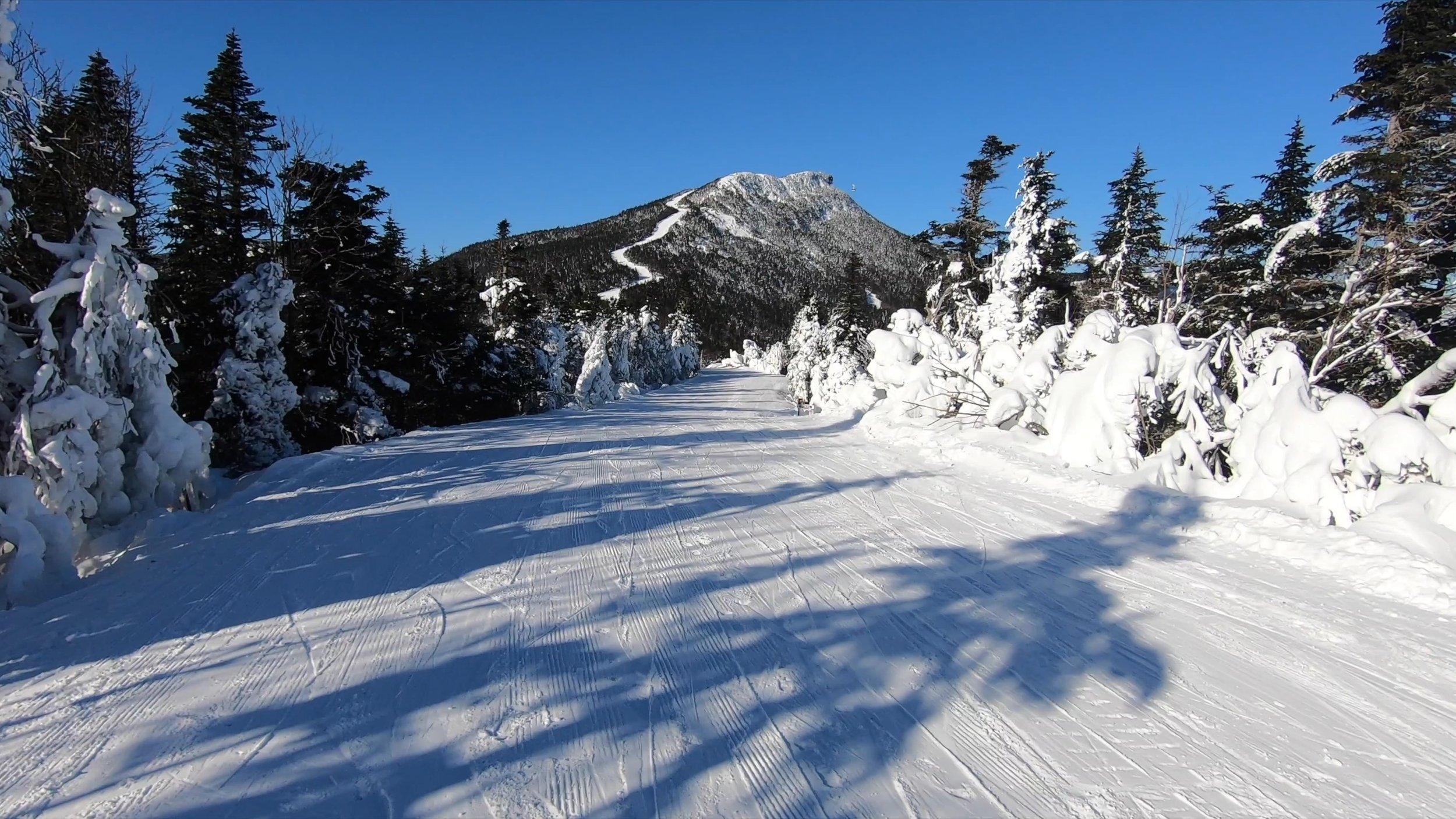
Vermont’s Jay Peak, despite being on the Indy Pass, is very competitive in terms of scale and terrain with Epic and Ikon’s nearby offerings.
Northern Rockies
Ikon still has the clearest destination edge in the U.S. Northern Rockies, with Big Sky, Jackson Hole, Sun Valley, and Schweitzer forming one of the strongest regional lineups in the country. This set of resorts alone would make Ikon the default answer for many destination skiers and riders heading to Montana, Wyoming, and Idaho. But the pass suite also gets an extra boost from Tamarack’s addition as a Bonus Mountain, giving full Ikon Pass holders one more Idaho option and makes the regional map feel a little broader.
Mountain Collective remains extremely strong here too, offering Big Sky, Jackson Hole, Sun Valley, and Grand Targhee, which makes it arguably the best “premium sampler” for a Northern Rockies road trip. This is especially true given that those who want to visit Jackson Hole, Sun Valley, or Tamarack using Ikon will need to pay for a full pass, which is effectively double the price of Mountain Collective.
Indy also deserves real mention here, though. Tamarack and Brundage in Idaho are both legitimate resorts worth planning a trip to for a wide variety of skiers and riders, and the broader Rockies bucket also includes a scattered roster of smaller resorts. So while Ikon wins on the big-destination front, both Mountain Collective and Indy offer more interesting side routes for skiers who prefer a less standardized trip. Meanwhile, the Epic Pass is effectively shut out of this region.

Grand Targhee is a major Northern Rockies destination that is exclusive to the Mountain Collective Pass, making this pass a really strong option for the region.
Western Canada
Western Canada is one of the few regions where Epic can make an extremely strong case against Ikon, and almost all of that revolves around Whistler Blackcomb. Whistler is not only the biggest ski resort in North America, but for many skiers and riders it is also still the continent’s most complete destination, with an overall experience that is hard for almost any other resort to match. In addition, Whistler Blackcomb is the only resort on any multi-resort pass in this region that’s available as an unlimited option, with the full Epic Pass giving season-long access with no blackouts.
Epic’s Western Canada story also goes beyond Whistler when you get the full pass. The full Epic Pass includes up to seven days total at Resorts of the Canadian Rockies in interior British Columbia and Alberta, including Fernie, Kicking Horse, Kimberley, and Nakiska. Among this list, Kicking Horse and Fernie offer serious big mountain terrain, and many folks will find it worth it to get an Epic Pass specifically to visit these mountains.
Ikon, however, still has the deeper multi-resort Western Canada lineup. Its Canadian bench includes Revelstoke, Red Mountain, Panorama, Sun Peaks, Lake Louise, and Banff Sunshine, which collectively offer more variety across British Columbia and Alberta than Epic does. That makes Ikon especially appealing for skiers planning a road trip or multi-stop Western Canada itinerary rather than a Whistler-centered vacation. But if you’re only visiting Western Canada and planning to hit these resorts in a road-trip fashion, Mountain Collective may actually make more sense than Ikon, as it offers two days of access to nearly all the Ikon mountains in this region plus Marmot Basin. And similar to the Alta/Snowbird situation in Utah, Lake Louise and Banff Sunshine are counted as two separate resorts on the Mountain Collective Pass, meaning those in the Banff area can get four shared days between them. Indy isn’t a bad option in this region either, with very strong offerings like Big White and Castle Mountain, plus some other smaller but more uniquely located mountains.

Banff's two major resorts - Sunshine Village and Lake Louise - are counted as one resort when accumulating days on the Ikon Pass, but counted separately on the Mountain Collective Pass.
Overseas Regions
The global picture is where the biggest shifts have happened in recent years. Epic still offers the simpler and more concentrated international story: Europe, Japan, and Australia, with Europe centered on major Swiss, Austrian, Italian, and French partners and Japan anchored by Rusutsu and the 10-resort Hakuba Valley collective. Its Europe pitch has broadened over time, but it still comes with the same caveat as before: Epic’s international access can be more restrictive and less straightforward than the North American version of the product, especially relative to how skiers tend to think about an “all-access” pass.
Ikon is where the bigger global expansion has happened since last season. It still has major European partners like Chamonix, Kitzbühel, Ischgl, St. Moritz, Zermatt/Cervinia, Dolomiti Superski, and Grandvalira, as well as Valle Nevado in Chile. Ikon has two Australian partners versus Epic’s three, but it also offers access to three New Zealand mountains, whereas Epic has none. But the biggest shift over the last two seasons has been in Asia. Ikon dramatically expanded into a much broader Japan portfolio and is also pushing into South Korea and China. This has pulled Ikon vastly ahead in the Asian market compared to Epic or Mountain Collective.
Speaking of which, Mountain Collective remains much more curated internationally, sharing many of the same partners as Ikon. The pass has footholds in Japan, France, Australia, New Zealand, and Chile. For an international skier who wants to stack a few high-end global trips rather than maximize raw day count, it still makes a lot of sense.
Indy also deserves a respectable amount of global credit for how reasonably-priced it is, though with a big asterisk. It does offer dozens of overseas partners, and it has continued to add more of them, with the pass now offering the only access to south-central Chile, Turkey, Sweden, Finland, Norway, and Spain of any of these four multi-resort pass products. But many of those additions are smaller or more niche areas rather than globally recognized destination resorts, and some of its total count is inflated by Nordic centers and cross-country partners. So Indy is ultimately more global than many people realize, but it is competing internationally very differently from the ways Epic, Ikon, and Mountain Collective are.
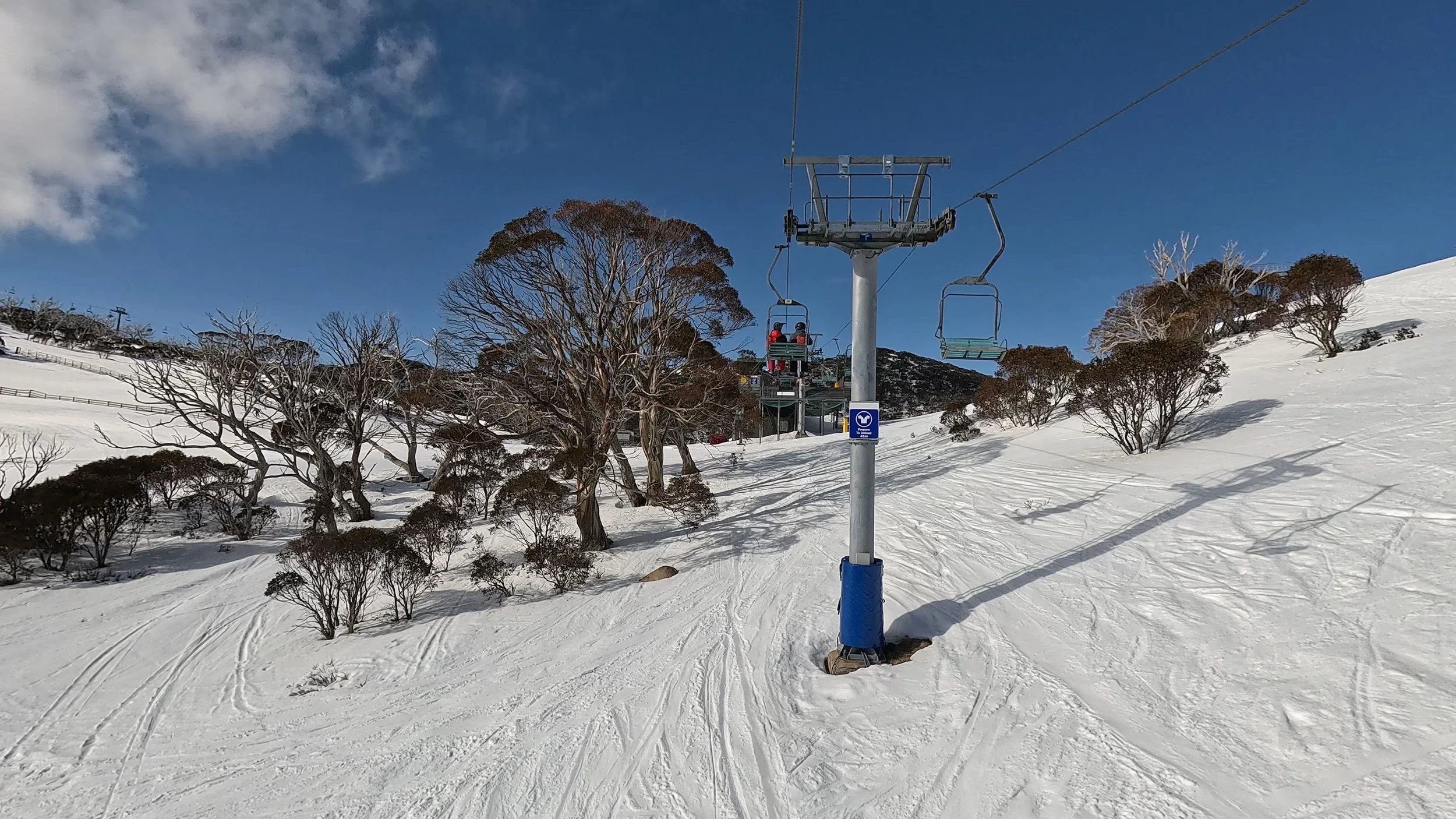
Epic offers access to three ski resorts in Australia, while Ikon offers access to two.
Final Thoughts
Stepping back from the individual changes across each pass, the most striking takeaway from the 2026-27 rollout is that Epic and Ikon appear to be in very different strategic positions right now.
Epic’s direction is comparatively easier to interpret. The company seems to be making a clear effort to bring more people back into the network, particularly among younger skiers and riders who may not have been renewing their passes in recent years. The aggressive 13-30 discount, continued emphasis on friend tickets, and targeted pricing incentives all point to a company that wants to rebuild volume and recapture some of the pass sales momentum it has lost. In other words, Epic appears to be leaning into accessibility and scale as its core strategy.
Ikon, on the other hand, is much harder to read. Because Alterra is privately held, we simply don’t have the same financial transparency that we do with Vail Resorts. That leaves several possible explanations for the choices we’re seeing.
One possibility is that Ikon simply isn’t losing pass sales, and therefore doesn’t feel the same pressure to adjust its pricing or incentives as aggressively as Epic has. Another possibility is that Ikon is losing sales but is willing to take a longer-term gamble, betting that its premium positioning and resort portfolio will eventually squeeze Epic’s value-focused strategy out of the market. That could help explain the pass’s access expansions in Colorado and the Midwest, which it doesn’t take a rocket scientist to see are two of Epic’s strongest regions. A third possibility is that Ikon is losing sales and would like to compete more directly on price, but structurally has a harder time doing so. Unlike Epic, which owns most of the mountains on its pass, Ikon relies heavily on partner resorts that must be paid when pass holders visit. That makes it far more difficult to dramatically cut pass prices without disrupting the economics of those partnerships.
There have also been a few signals in the broader Alterra ecosystem that things may not be quite as straightforward behind the scenes. In recent months, the company has quietly delayed or scaled back several capital improvement projects, and just this month its CEO unexpectedly departed. Those developments do not necessarily mean Alterra is struggling, but they do suggest a company that may be navigating more internal uncertainty than its marketing would imply. If that’s the case, Ikon may simply be trying to thread the needle in terms of remaining competitive with Epic, but doing so while operating under a very different economic model and without the same ability to pull large pricing levers.
At this point, we simply don’t know which of those explanations is correct. But what does seem clear is that Epic is trying very visibly to attract more people, while Ikon is behaving like a company that either doesn’t need to—or can’t—respond in the same way.
And that dynamic may end up being one of the most important storylines in the ski industry over the next few seasons.