2026 PeakRankings Mountain Score and Rankings Adjustments: Full Changes
This past North American ski season was certainly a memorable one, perhaps more than anything because of the weather. But it turns out a lot more than weather unpredictability developed within the ski scene this year, with several more permanent shifts debuting this season that carry major implications for the years to come.
As part of the capital investments at dozens of resorts during the 2025-26 season, several mountains have seen significant changes to overall experiences, and we’ve updated our Mountain Scores to reflect that appropriately. Most of these updates are tied to real changes in guest experience across the resort landscape, but in a few cases, we’ve re-calibrated things to better capture the strengths and weaknesses of certain mountains. In this piece, we’re breaking down all the updates so you have everything you need to plan next winter’s ski trip. We’ll start with our 2026 score changes, and then we’ll go through our new overall North American rankings.
Score Adjustments due to Upgrades
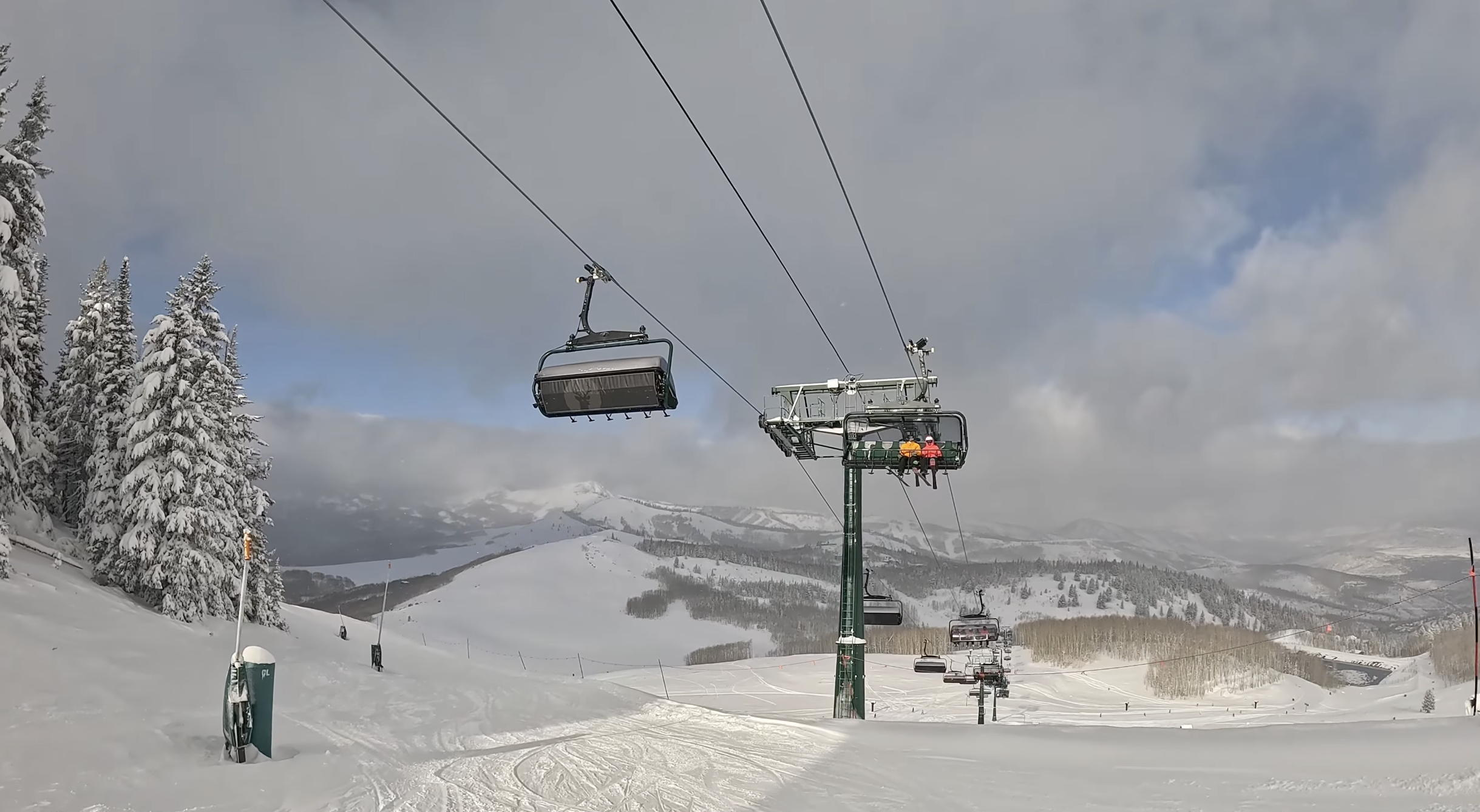
Deer Valley’s new terrain can’t help but raise the resort’s raw size, but other categories may not have seen the improvements one would expect.
Deer Valley
Size Score Change: 7 to 9
Resiliency Score Change: 8 to 6
We’ll start with the biggest overhaul of the season, and that was inarguably at Deer Valley. This Utah resort completed the second phase of its massive Expanded Excellence project, which began in the 2024-25 season with three new lifts and a 300-acre terrain expansion. But this season, the changes were far more substantial, with over 2,000 additional acres being brought into the footprint, consisting of nearly 80 new trails of all ability levels and terrain types. Seven new lifts were added to serve those trails, including six new detachable chairlifts and a top-to-bottom 10-passenger gondola. The East Village base area was also expanded after its initial opening in 2024-25, and some of the lower sections of the new terrain serve new ski-in ski-out real estate. Additionally, the layout of the new part of the footprint makes it much easier to take advantage of the resort’s full vertical drop, 3,000 feet of which can now be skied in just one run (and lapped by just one lift, the gondola).
However, this season’s conditions did not allow the project to have the most ideal debut. The new terrain bottoms out at a low elevation of 6,350 feet, and many of the trails face unfavorable aspects for snow preservation. Deer Valley invested hugely in snowmaking infrastructure to keep the terrain consistent, but for much of the winter, conditions in Utah were so unseasonably warm that even snowmaking couldn’t do much. As a result, white ribbon trails surrounded by mountainsides of bare dirt weren’t an uncommon sight at the resort this season. The conditions were so poor that two of the new lifts - the Pioche Express and Neptune Express - along with all the trails they serve, never opened at all, and the entire resort closed in mid-March.
While it’s hard to foresee future seasons being as catastrophic as this one was, the fact remains that this new terrain’s elevation and aspect hurts the resiliency of the overall Deer Valley footprint. We have no doubt Deer Valley’s top-of-the-line snowmaking arsenal will help, but given just how much of the raw footprint is now comprised of this expansion terrain (as well as a few broader circumstances we are now taking into account for Utah’s lower elevation resorts that we’ll discuss later in this video), we are dropping the resort’s resiliency score from an 8 to a 6. That being said, the expansion’s raw acreage numbers also warrant a positive change, with the full resort now being over 4,000 acres in size, so we’re also raising the size score from a 7 to a 9.
It’s also worth touching on a few smaller changes that don’t budge our scores for the resort, but are still notable. For example, some of the new construction and lower-mountain development could be described as an eyesore by some, but some of the new upper mountain areas provide gorgeous inbounds views, leading to a situation where the mountain aesthetic score averages out to be the same for now. Additionally, most of the new trails that opened this winter didn’t feel especially different from last year’s footprint, with much of the new terrain consisting of intermediate cruising trails similar to what the resort already offered. The Pinyon Express pod has some interesting bowl-like terrain for beginners, which does add slightly more to the terrain mix, but in our view it’s not quite enough to justify raising the terrain diversity score, at least not yet.
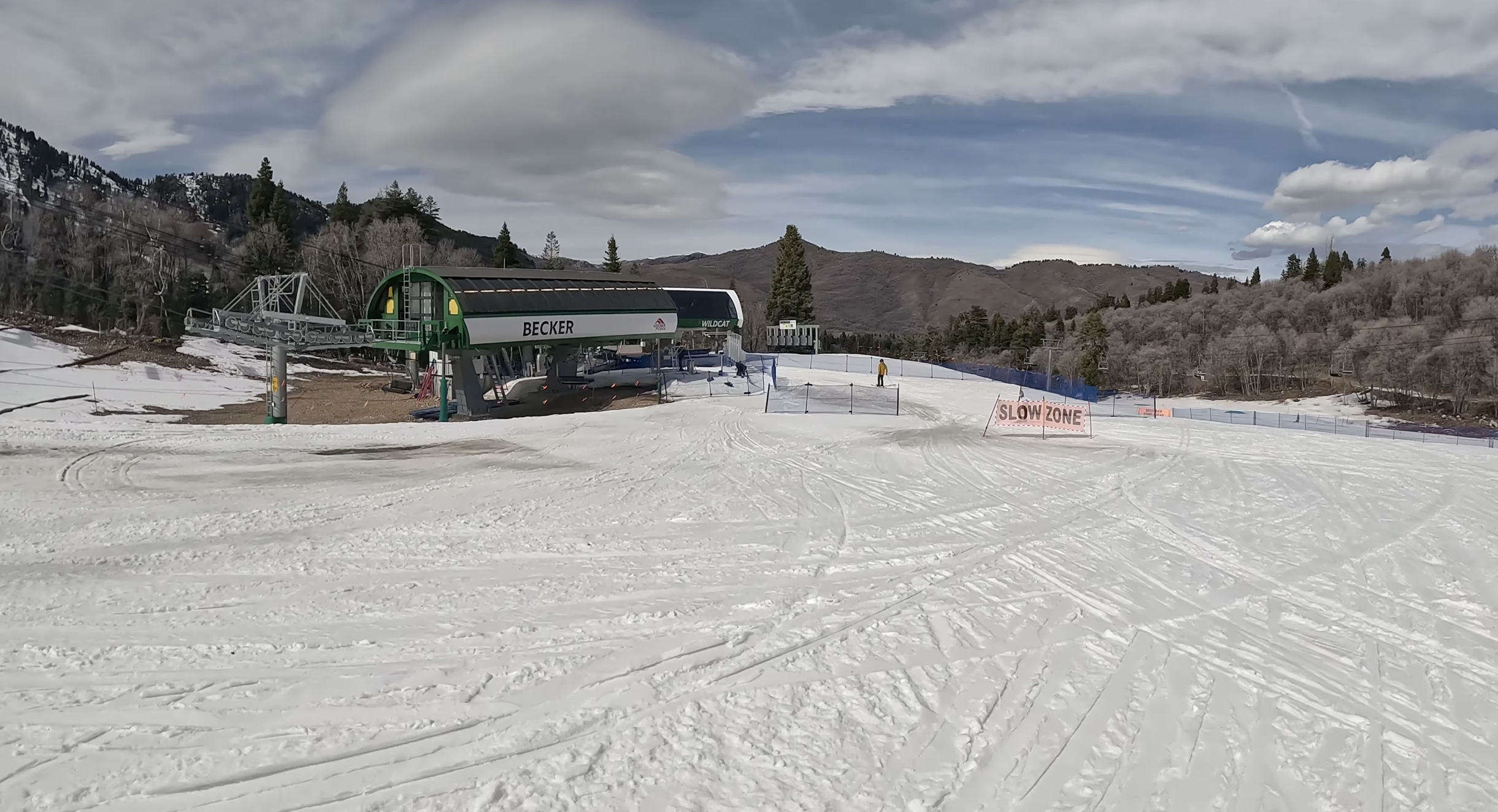
Snowbasin’s newest lift upgrade improves the mountain’s limited beginner experience.
Snowbasin
Lifts Score Change: 7 to 8
But Deer Valley isn’t the only source of a notable score change from the state of Utah. Snowbasin also made a substantial upgrade for the 2025-26 season, replacing its lower-mountain Becker triple chair with a new high-speed quad in a very similar alignment. With this replacement, Snowbasin is now almost entirely served by high-speed lifts, with only one fixed-grip chairlift remaining (albeit a very long one) accessing a relatively small number of runs. The new Becker lift halves the ride time of the old one, which was a mind-numbing 12 to 13 minutes with no stops, bringing the experience to a much more palatable 6 minutes. Speaking of stops, those have become less of an issue, as beginners no longer have to worry about misloads from trying to board a fixed-grip chair.
The new quad provides faster direct access into the Strawberry zone from the base area, and also gives beginners at Snowbasin another high-speed route onto the resort’s limited green terrain. The base of Becker has been moved closer to its lower-mountain counterpart, the Wildcat Express, which has actually made loading both lifts less confusing. The lines for both lifts have always started in the same place, but now that the bottom terminals are next to each other, this actually makes sense. A slight caveat to this upgrade is that both Becker and Wildcat only access a few hundred feet of beginner terrain independently before both options merge onto the same congested trail, meaning the new lift doesn’t actually add all that much high-speed benefit for beginners. But its other benefits, along with the cumulative quality boost provided by Snowbasin’s steady trend of recent upgrades, means that we feel an increase of the resort’s lifts score from a 7 to an 8 is deserved.
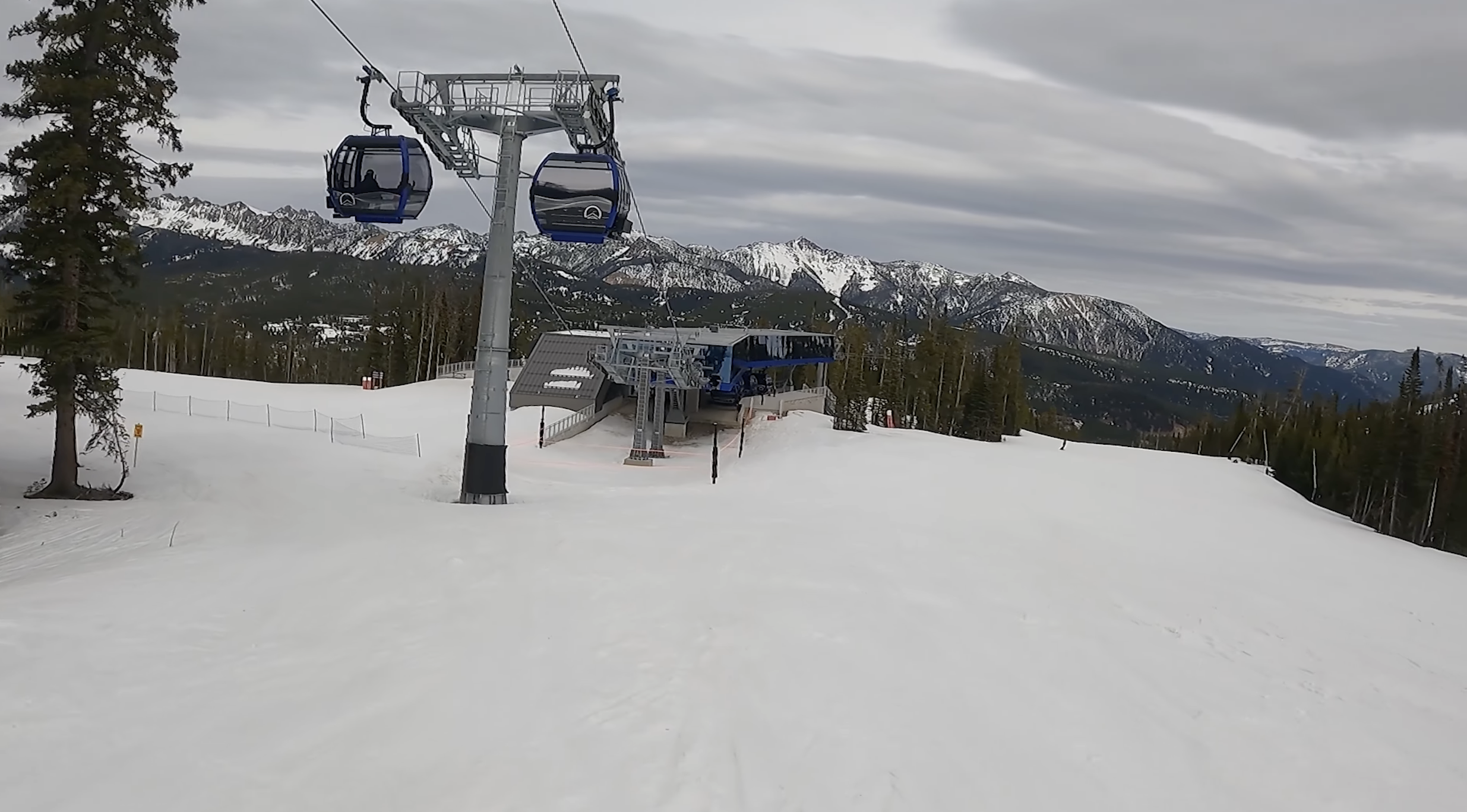
The Explorer Gondola’s mid station at Big Sky
Big Sky
Crowd Flow Score Change: 6 to 7
Another resort that made an upgrade to a singular, very old lift this season was Montana’s Big Sky. But unlike at Snowbasin, Big Sky’s new lift represents a much more transformative change to the resort’s circulation. The Explorer lift, a fixed-grip double on the edge of the resort’s main Mountain Village base, was removed and replaced by a 10-passenger gondola of the same name. But while the gondola begins from the same place as the old double, it goes twice as high up the mountain, ending next to the base of the Powder Seeker lift and the iconic Lone Peak tram. This has finally created a genuinely useful alternative out-of-base option for skiers and riders looking to head directly to that popular upper-mountain terrain, which was previously only possible via the Swift Current chair or an array of slow, undesirable chairlifts that went very out of the way.
Lines at Swift Current, which had been a major issue for years, have been somewhat mitigated by the new Explorer Gondola even in just its first season. That said, the gondola’s loading area sits far enough away from the main Ramcharger and Swift Current base zone that many guests still didn’t seem to realize it was a viable part of the lift network this winter. As awareness grows, we expect the crowds between Swift Current and Explorer to even out somewhat, but if one thing is clear, the new gondola’s addition has certainly helped spread out Big Sky’s out-of-base crowds more manageably than before. The gondola also has a mid-station located at the same place as the top of the old double chairlift, allowing the Explorer beginner pod to still be easily lappable. While Big Sky’s lift network was already competitive enough that the new gondola doesn’t really move the needle on the lifts score, the out-of-base crowds have been spread much more manageably by its installation, and we’ve pushed Big Sky’s crowd flow score from a 6 to a 7.

Gore’s upgrades to the North Creek Ski Bowl area have allowed it to operate on a daily schedule for the first time in a long time.
Gore
Resiliency Score Change: 5 to 6
Over in New York State, Gore Mountain made an extremely welcome change. The North Creek Ski Bowl side, which was the first section of the resort to originally open way back in 1934, had operated on a limited schedule since its connection to the broader Gore footprint in the late 2000s. This meant that Gore was only 100% open on weekends, even if conditions were ideal. But for the 2025-26 season, bolstered by the addition of a brand-new lodge and a new high-speed quad the year prior, the North Creek Ski Bowl shifted to full 7-days-a-week operations. This resulted in a substantial increase in terrain availability for Gore visitors on weekdays, and we’re raising the mountain’s resiliency score from a 5 to a 6. And while the subtle capacity increase isn’t necessarily enough to raise the resort’s lift score on its own, it’s also worth a mention that Gore also replaced its Topridge triple chair with a new fixed-grip quad.
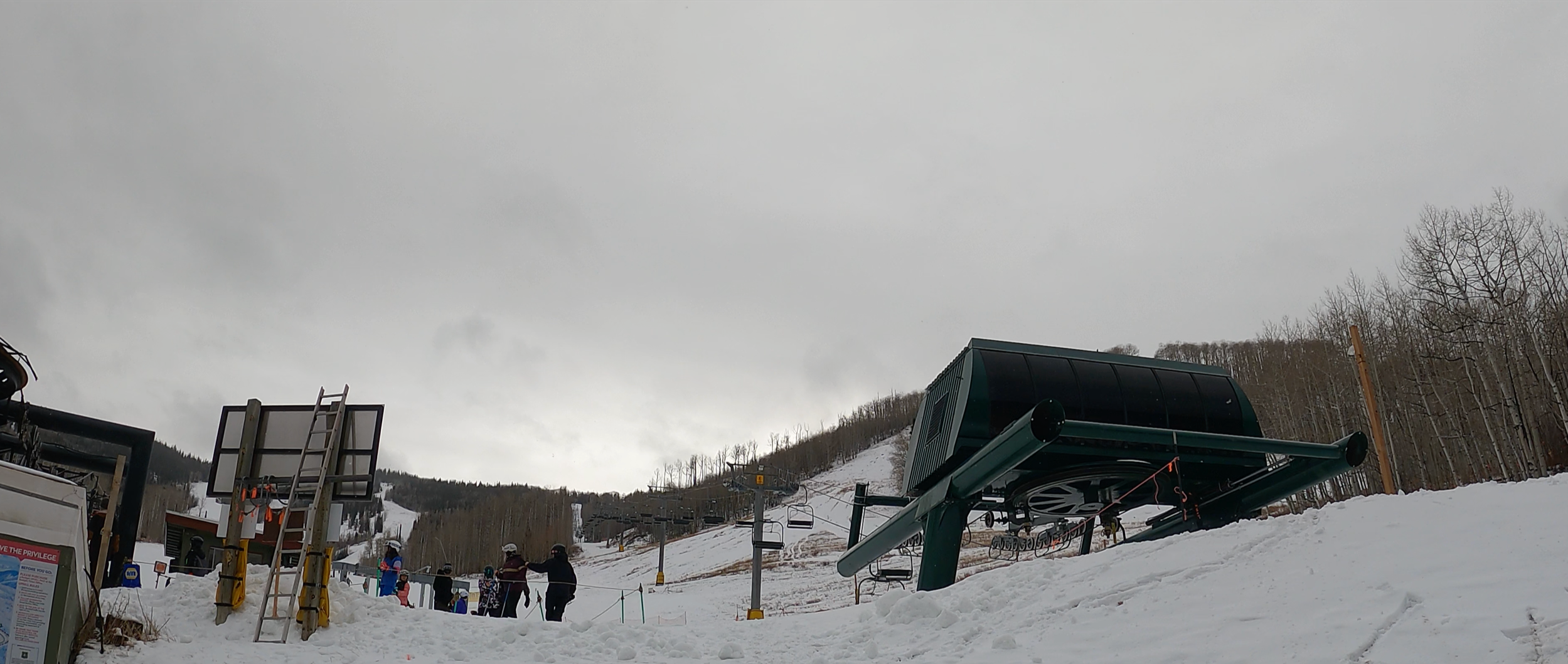
The new Segundo triple at Sunlight
Sunlight
Lifts Score Change: 2 to 3
Back out west in Colorado, the small Sunlight ski resort made two separate lift upgrades that represent a step forward for the ski area. The Primo and Segundo lifts, which together serve the vast majority of the terrain footprint, were upgraded from fixed-grip doubles to a quad and triple respectively for 2025-26. While neither replacement is high-speed, they add significantly more carrying capacity to the mountain’s lift network. The upgrades also secure some reliability for Sunlight, since both the outgoing doubles were over 50 years old. All in all, this is enough for us to raise the mountain’s lifts score from a 2 to a 3.
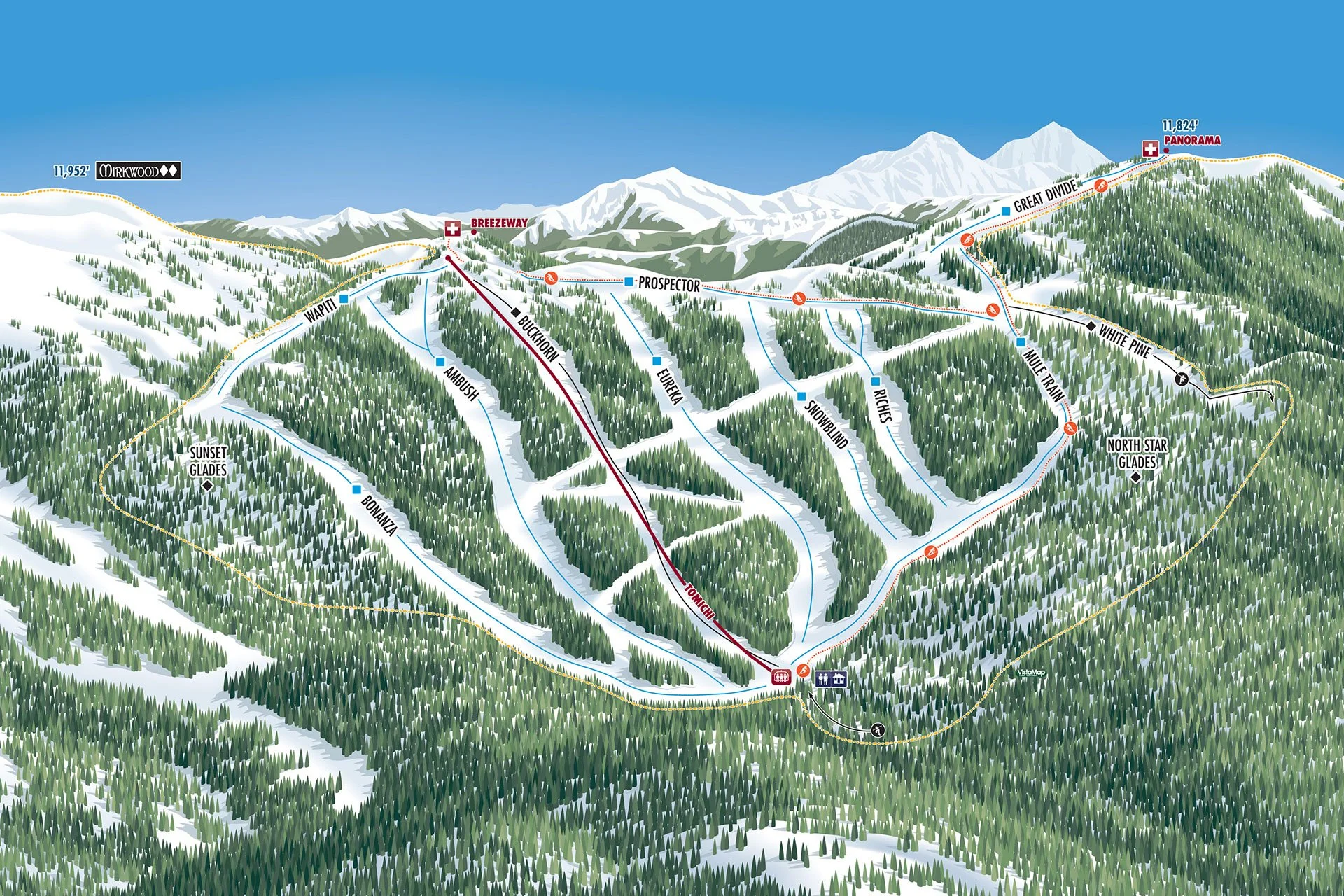
No Name Basin is arguably Monarch’s most significant expansion since the resort opened.
Monarch
Size Score Change: 4 to 5
The new Sunlight lifts weren’t the biggest upgrade in the state of Colorado, however. The state’s relatively low-key Monarch Mountain built a massive expansion for the 2025-2026 season. The new No Name Bowl added nearly 400 acres to Monarch’s footprint, served by a brand new triple chair and mostly made up of intermediate terrain and advanced-level glades. This is absolutely a game-changing addition for Monarch, and we’re raising the mountain’s size score from a 4 to a 5. However, the poor conditions in Colorado this season make it difficult to determine whether No Name Bowl will affect any other categories for now.
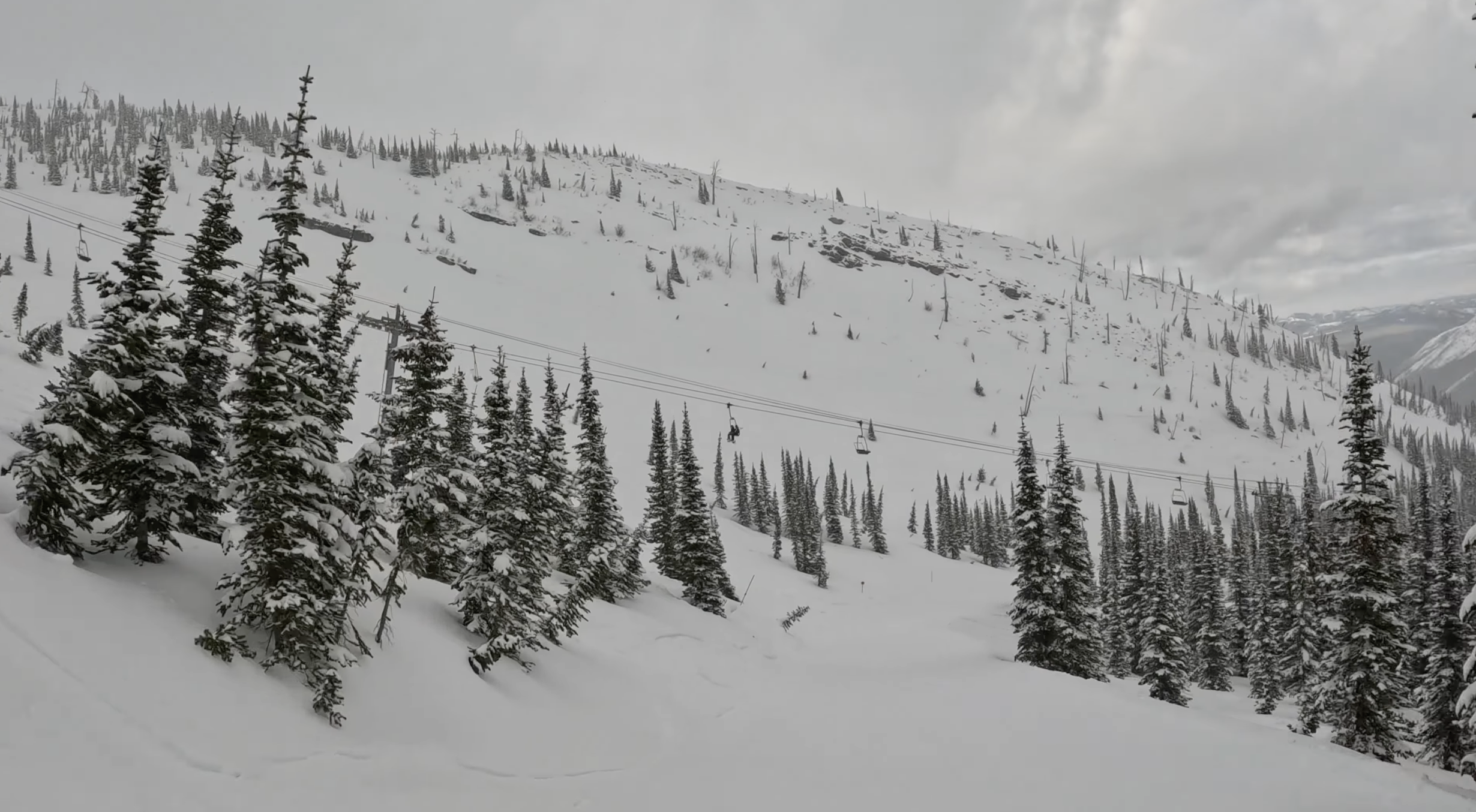
The Stagecoach Express climbs an area of Castle Mountain previously accessible only by snowcat.
Castle Mountain
Lifts Score Change: 2 to 4; Crowd Flow Score Change: 6 to 7
Size Score Change: 7 to 6
But outside of Deer Valley, the North American ski resort that underwent perhaps the biggest transformation this season was actually Castle Mountain, a relatively under-the-radar resort in the Canadian province of Alberta. For the 2025-26 season, Castle added its first ever high-speed lift in the Stagecoach Express, which services a substantial area of terrain on the Mount Haig side of the resort that was formerly only accessible via snowcat. The new terrain is a high alpine bowl that descends into some excellent advanced glades, though there are also a couple of intermediate trails and even one beginner trail in the area. The Stagecoach Express itself is relocated from Banff Sunshine Village, meaning it isn’t exactly a brand new detachable, but the substantial refurbishments it received means it still represents a huge modernization for Castle overall. The terrain expansion has also spread crowds across the footprint more comfortably. Therefore, we’re raising Castle’s lift score 2 points, from a 2 to a 4, and raising the crowd flow score from a 6 to a 7. We also took some acreage re-calculations now that we have a better measurement of which former cat-skiing terrain is truly in bounds, which does slightly drop its measured skiable acreage from 1,800 to 1,645 acres, and therefore, Castle’s size score has gone from a 7 to a 6.
Upgrades That Didn’t Result in Score Adjustments
Now let’s go through some of the upgrades this season that, while worth touching on, didn’t actually alter our mountain scores for those resorts for various reasons.
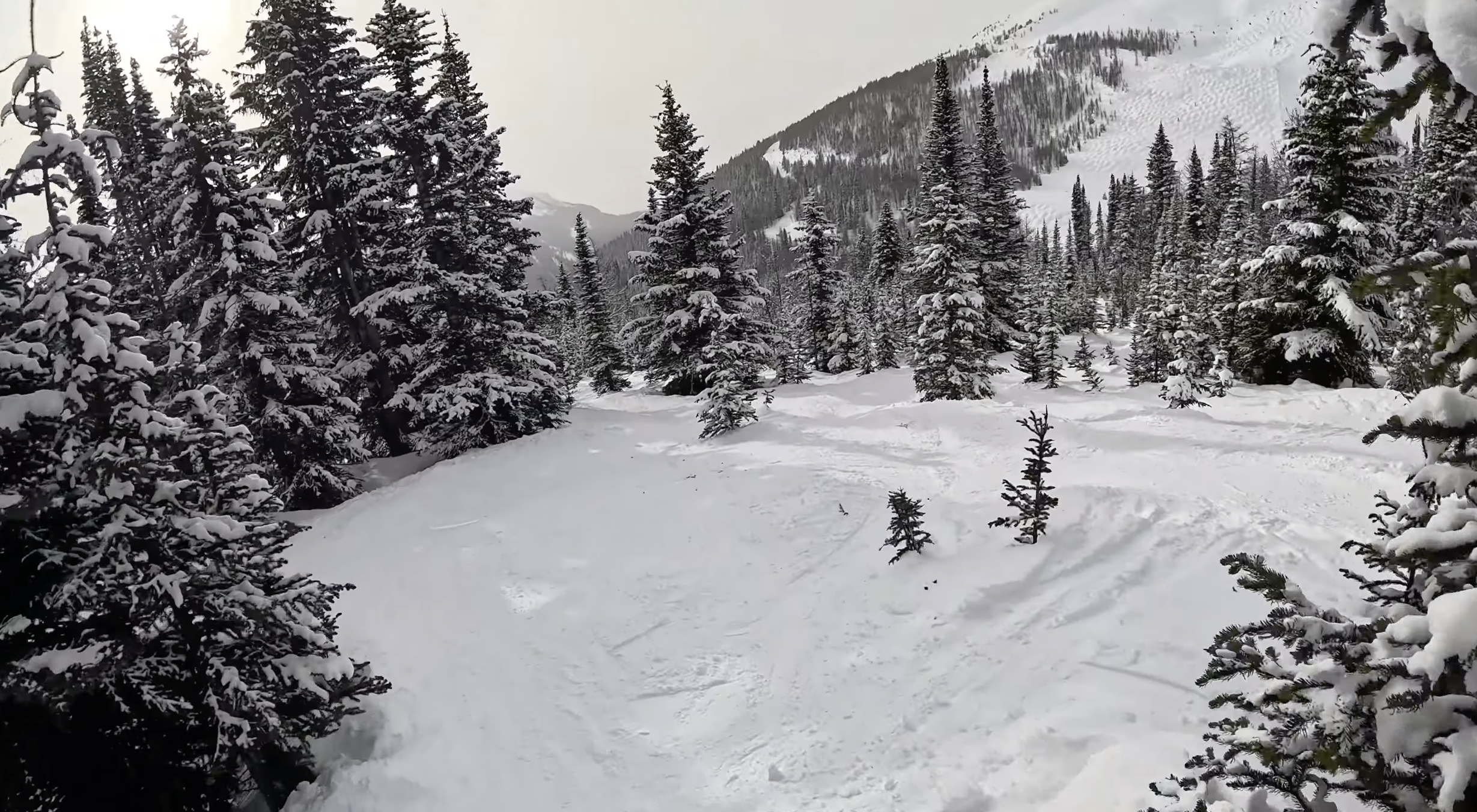
Low-level glade terrain in Lake Louise’s new Richardson’s Ridge zone
Lake Louise
The most notable of these is probably the Richardson’s Ridge expansion at Canada’s Lake Louise. At a first glance, Richardson’s Ridge looked like it could be very promising for this Banff-area resort. It added 200 acres of terrain beyond the resort’s backside for beginners and intermediates, with both tree-cut trails and glades, all served by a fast and convenient high-speed quad. Additionally, Lake Louise was able to open the area vastly ahead of schedule on December 17, 2025 after originally shooting for a spring 2026 opening.
However, while Richardson’s Ridge definitely fills out a resort that was already extremely competitive in most of our mountain score metrics, it doesn’t really push any one category up to the next highest number. The 200-acre addition doesn’t quite reach our threshold for a size score increase, especially given that Lake Louise was already one of the largest ski resorts on the continent before the expansion. We’d argue the same is true for terrain diversity; the new footprint adds a handful of welcome intermediate cruisers and lower-level glade terrain, but it’s not really enough to truly transform the experience for blue-level skiers and riders versus previous seasons. And while the expansion was advertised as being ideal for beginners, the only ways for lower-level skiers to reach it are via two long, flat access trails that have drawn complaints in previous years.
The new terrain pod has also made crowd flow on Lake Louise’s backside a bit more strained, as everything from both Richardson’s Ridge itself and the beginner trails that access it, funnels down into the Pika runout, which is the only way for beginners to return to the resort base. Lake Louise certainly seems aware of this, having put up signs designating the Pika trail as a “high traffic” area. And while the Richardson’s Ridge Express itself is enjoyable, Lake Louise’s already-high lifts score would likely require improvements elsewhere on the backside, such as Paradise or Ptarmigan, to move any higher at this point. Overall, Richardson’s Ridge is a welcome addition to what was already one of the best ski resorts in North America, but it doesn’t have a drastic enough effect on the overall mountain experience to justify any score changes.
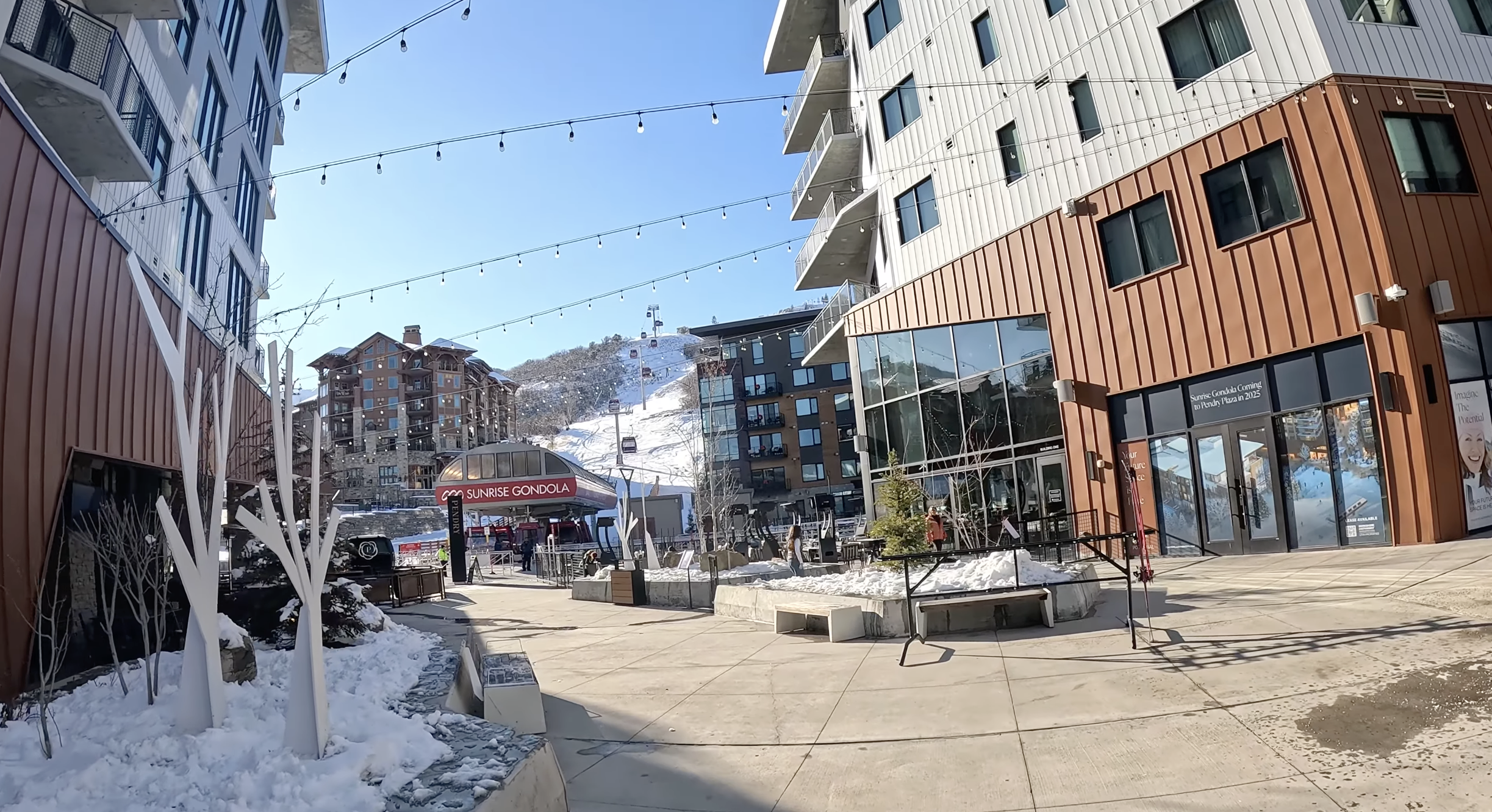
The bottom station for the new Sunrise Gondola at Park City is located at the end of a somewhat innocuous village path.
Park City
Meanwhile, back in Utah, the massive Park City made a significant investment for the 2025-26 season in the form of the 10-passenger Sunrise Gondola. Similarly to the Explorer Gondola at Big Sky, Sunrise replaced a fixed-grip double chair of the same name and extends well beyond that old lift’s vertical rise. The gondola starts at the main base on the Canyons side of the mountain and climbs up to the mid-mountain Red Pine Lodge, and it’s intended to give skiers and riders on the Canyons side another out-of-base option alongside the Red Pine Gondola and Orange Bubble Express.
However, the issue is that the Sunrise Gondola bottom terminal is much further from the center of the base area than those other two lifts, starting far over to the looker’s left by the Hyatt at Canyons Village. And the walk there is not especially intuitive either; you have to make your way through a not-so-obvious set of village buildings before reaching the base terminal. This means while the Sunrise Gondola has provided some crowd relief for in-the-know guests, it hasn’t done so as much as it might appear on paper, largely because many Park City guests still don’t seem to know where to find it compared to the more obvious nearby lifts. If you can figure out how to get there, Sunrise can probably be relied upon to have a much shorter wait at the beginning of the day if you’re willing to walk over. But it hasn’t done enough on a larger scale to result in an improvement for Park City’s lifts or crowd flow scores.
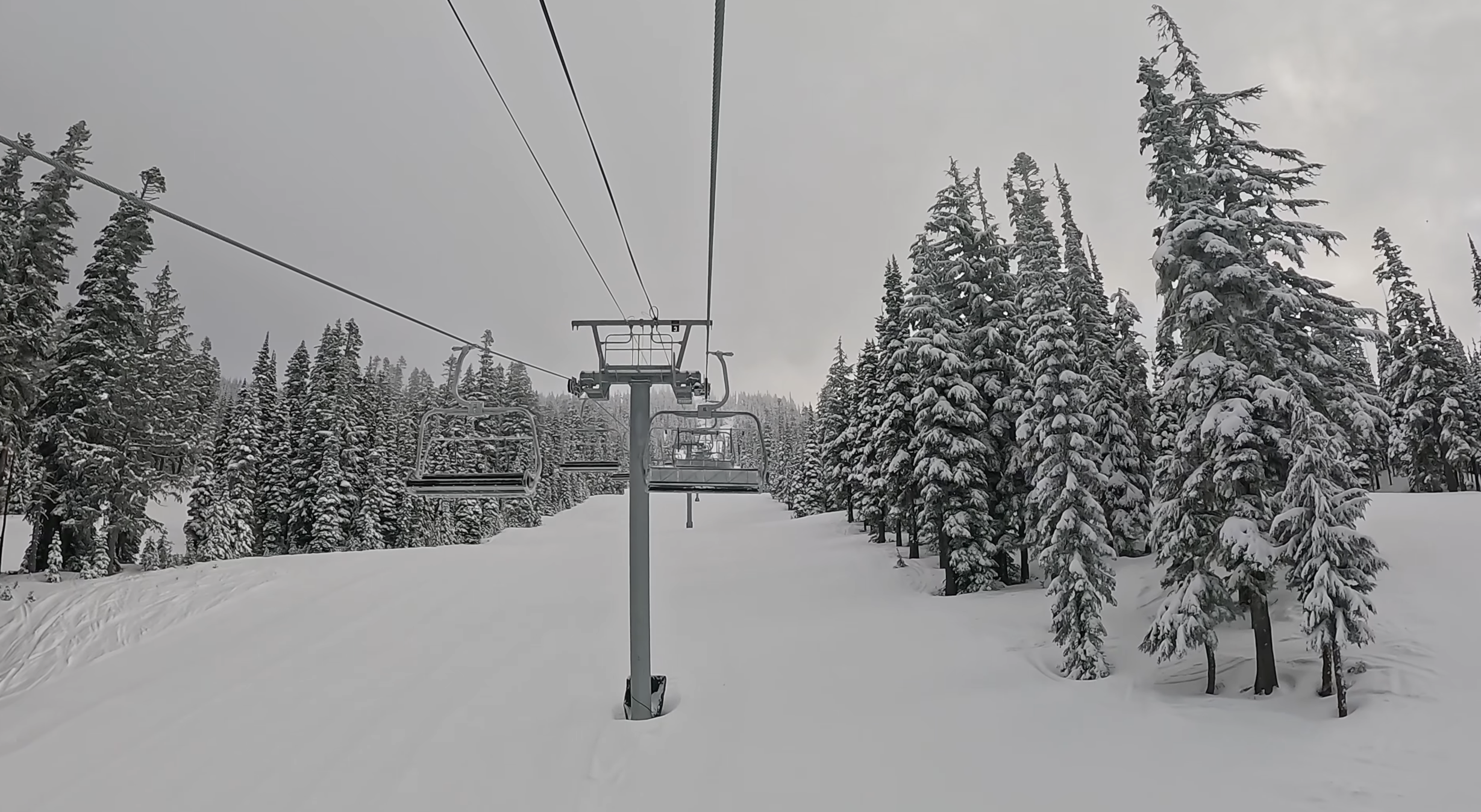
The new fixed-grip Lift 4 at White Pass in Washington, which replaced a fixed-grip double in the same alignment.
Minor Upgrades
There were also over a dozen minor upgrades to lifts and other improvements across North America worth a mention. In addition to the upgrades at Gore and Sunlight that we covered earlier, several other resorts replaced fixed-grip lifts merely with new fixed-grip lifts. New Mexico’s Taos and New York’s Whiteface both made direct life cycle upgrades. Taos replaced a triple with a triple, and Whiteface built a new fixed-grip double with a midstation, to replace two old doubles that ran parallel to one another. Two resorts in Washington state - White Pass and Alpental - improved a little more substantially, each replacing a fixed-grip lift with another fixed-grip lift of a higher capacity and chair size. The same could be said for the Chair 7 upgrade at Colorado’s Loveland, going from a double to a “triple” (the lift uses quad chairs, but only loads them to a maximum capacity of 3 to make space for beginners). None of these new lifts are necessarily much faster than what they replaced, but they do provide small improvements in capacity, comfort, and ease of maintenance for these mountains.
A few other resorts made direct life cycle upgrades for detachable lifts. Crystal Mountain in Washington and Bretton Woods in New Hampshire both replaced high-speed quads with new high-speed quads, essentially in the same alignment. And in Utah, Alta entirely rebuilt and realigned its Supreme high-speed quad to remove the troublesome bend in the middle.
Aside from lifts, there are also a couple of substantial new dining options across North American ski resorts that are worth a mention. These include the Nest at Snowbird and Charlie’s Alpine Bistro at Lutsen. All of these lift and dining upgrades are welcome at their respective mountains and definitely improve the experience in their own way, though not enough for a score change.
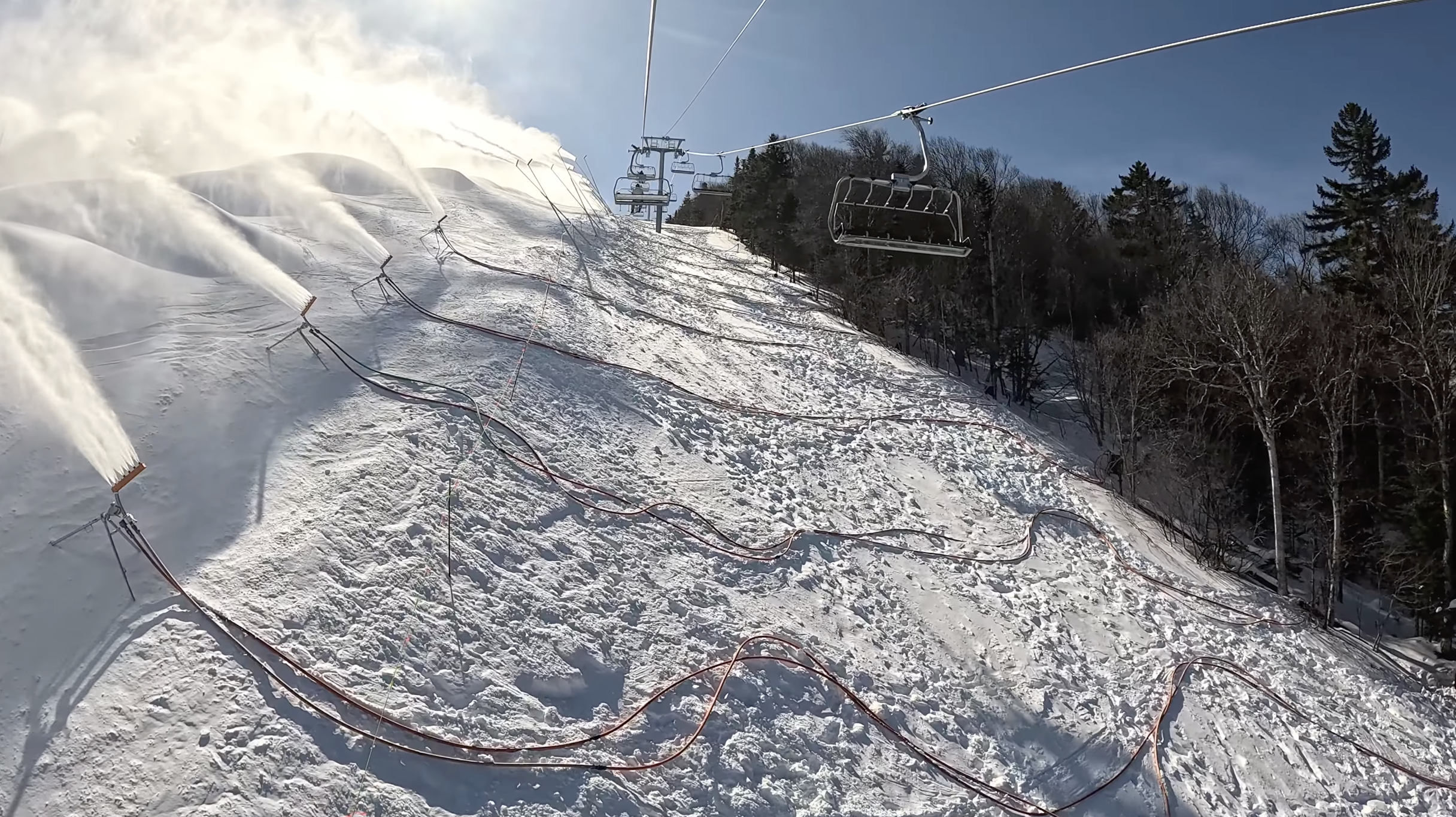
Killington’s new Superstar six-pack is one of the sleekest and fastest lifts installed in North America this season.
Killington & Snowmass
Two different resorts, Vermont’s Killington and Colorado’s Snowmass, each rolled out a combination of minor improvements for the 2025-26 season. Killington made a detachable lift change with an actual capacity upgrade, replacing the 38-year-old Superstar quad with a six-pack. The resort also replaced all the cabins on the Skyeship gondola and added a new dining option called the Ledgewood Yurt. However, the yurt is a little too niche and high-end to make a true experience impact for most guests. At Snowmass, two different lifts received direct upgrades, with the Elk Camp high-speed quad becoming a six-pack, and the Cirque platter becoming a t-bar. The resort also expanded its Elk Camp restaurant by 120 seats, improving the on-mountain dining experience.
At a first glance, all these changes at Killington and Snowmass look significant enough to affect their scores. However, these two resorts are already so competitive and top-of-the-line for their respective regions that their scores in the relevant categories are already extremely good, and remain appropriate for the experience on offer. When the lifts and facilities setups are as already filled-out as they are at Killington and Snowmass, a few minor enhancements don’t necessarily move the needle as much as they would at more barebones resorts. So in the end, what we can say is that it’s nice to see our top resorts in Vermont and Colorado respectively, continuing to finetune their experiences to make them that much better for guests.
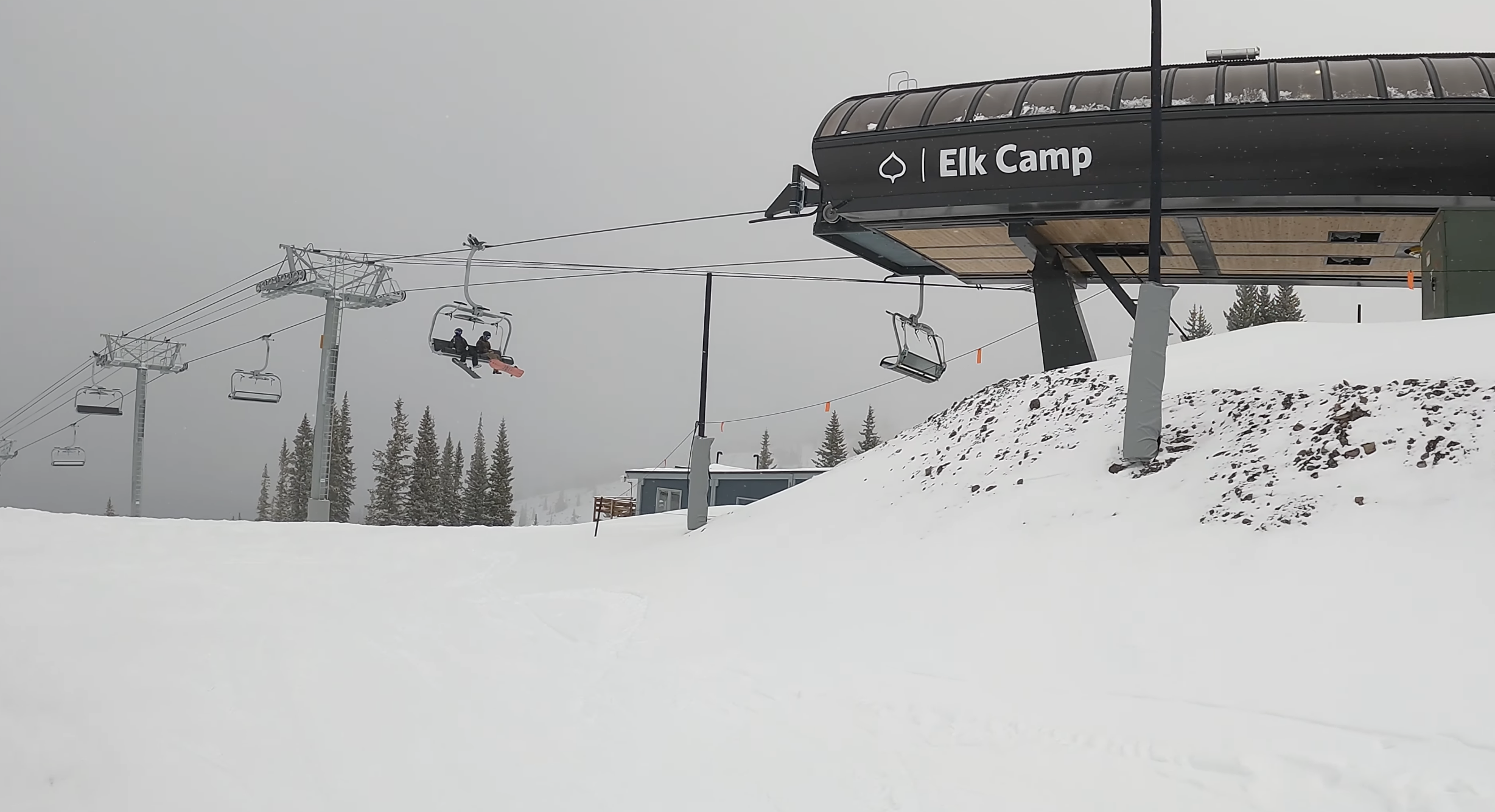
The Elk Camp upgrade is just one of many consistent and steady improvements being made to Aspen Snowmass.
Angel Fire
Finally, there’s New Mexico’s Angel Fire, which received a new fixed-grip lift, as well as some new trails developed on a part of the footprint that already existed. However, due to the extremely poor conditions in the Southwest, we don’t feel that we’d be able to judge this upgrade fairly just yet. So, much like the Monarch expansion, we’ll be holding off on re-appraising Angel Fire for now.
Other Score Adjustments
Lastly, let’s go through a few score changes we’re making for this season, not due to any particular changes or upgrades made by the ski resorts, but simply because we gained more information or data, and felt it necessary to adjust accordingly.
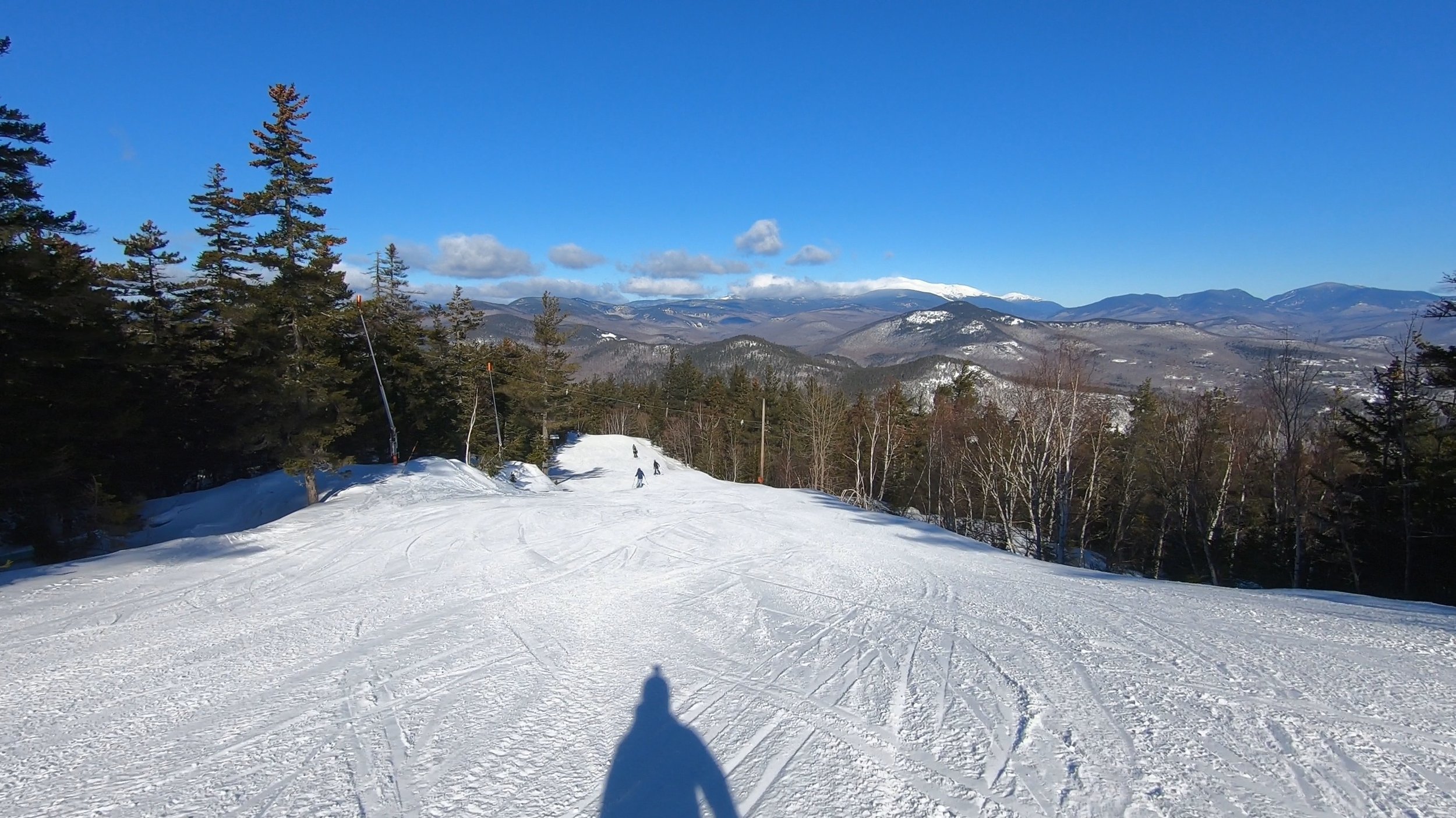
Attitash and Loon, both in New Hampshire, have better views than we’ve given them credit for in the past.
Loon & Attitash
Mountain Aesthetic Score Change: 3 to 4 each
In the positive direction, we’re upping the mountain aesthetic scores of two New Hampshire resorts, Loon and Attitash. We originally docked points from Attitash for feeling a bit ordinary, while Loon suffers from a commercialized feel. Additionally, both resorts have some excessive on-mountain buildup, and it’s historically been difficult to find any isolation from the crowds at either one. However, we feel that we didn’t give Loon and Attitash enough credit for their natural beauty, particularly in upper-mountain areas. Both footprints sit on mountainsides that are quite prominent, allowing for some solid views higher up, including of the iconic Mount Washington. As a result, we’re upping both resorts’ mountain aesthetic scores from a 3 to a 4 each.
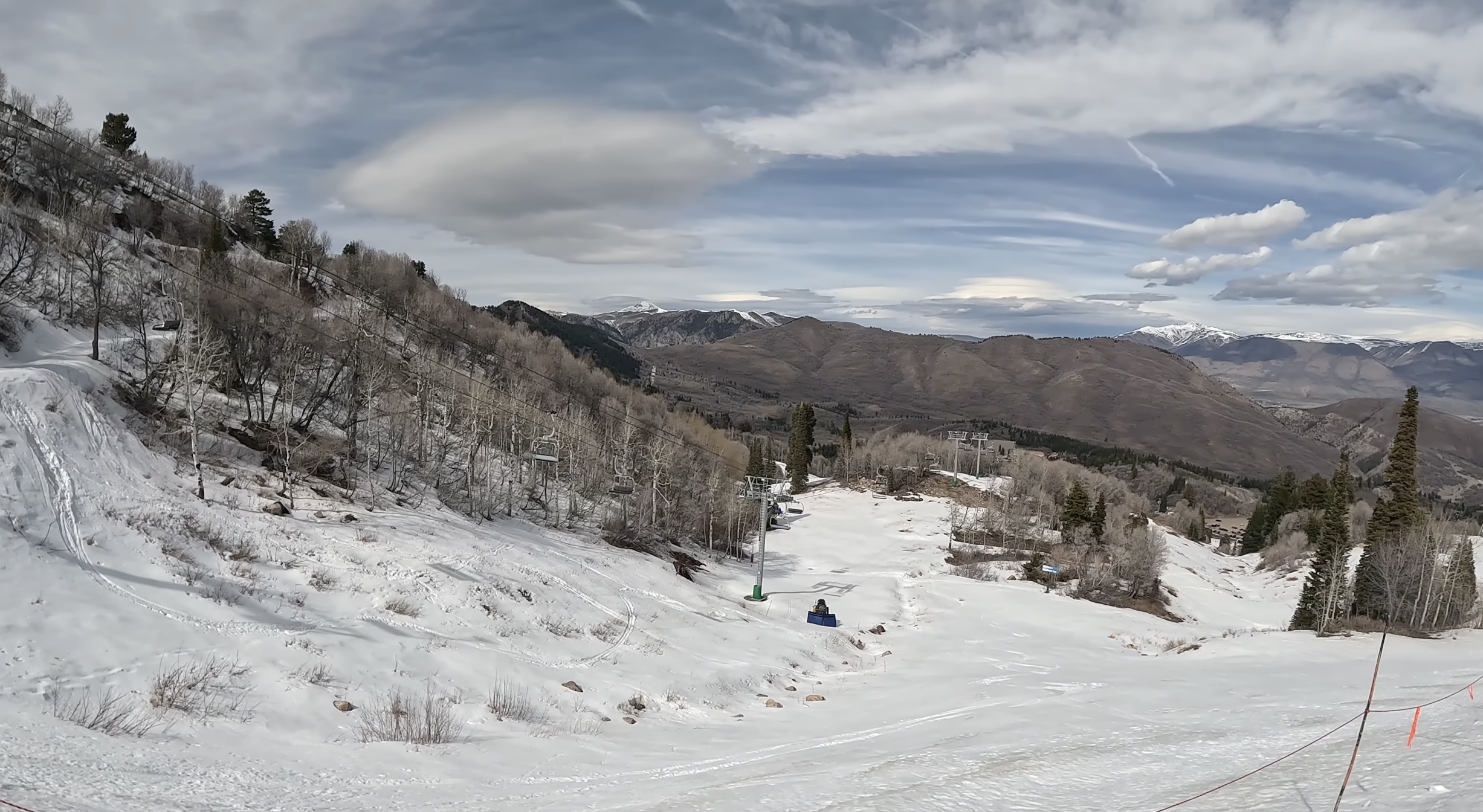
This view of Snowbasin’s lower mountain is normally much snowier - but has been getting less and less in recent years.
Snowbasin & Park City
Resiliency Score Change: 8 to 7 each
Our other score adjustments of this nature come in the state of Utah. We already touched on the reduction of Deer Valley’s resiliency score from an 8 to a 6 due to the new expansion terrain. However, the other two major Utah resorts outside the Cottonwoods—Snowbasin and Park City—have also exhibited serious vulnerabilities. Both footprints bottom out at low elevations compared to the Cottonwoods resorts, let alone nearly all major Colorado destinations, and while this was exposed in a drastic way by this winter’s fickle weather, it has also been a noticeable problem over multiple previous seasons as well.
At Park City, terrain openings have become significantly slower at the start of seasons, and abrupt terrain closures and poorly maintained trails in the middle of seasons have not been uncommon either. Snowbasin’s Strawberry zone has seen increasingly variable openings as well, despite the new lift installed there a couple of years back. We’re not judging Snowbasin and Park City off of just this season, in which every single resort in the West struggled with resiliency to some degree. But when you look at how well the four mountains in the Cottonwoods managed to hold up in 25-26, having something close to normal operations - it’s clear that there’s a more significant gap in Utah between the two sets of resorts than we previously illustrated. Snowbasin and Park City simply have a few too many consistent resiliency issues compared to their Cottonwoods counterparts, as well as many of the similarly scaled mountains in nearby Colorado. As a result, we are lowering the resiliency scores of both from an 8 to a 7.
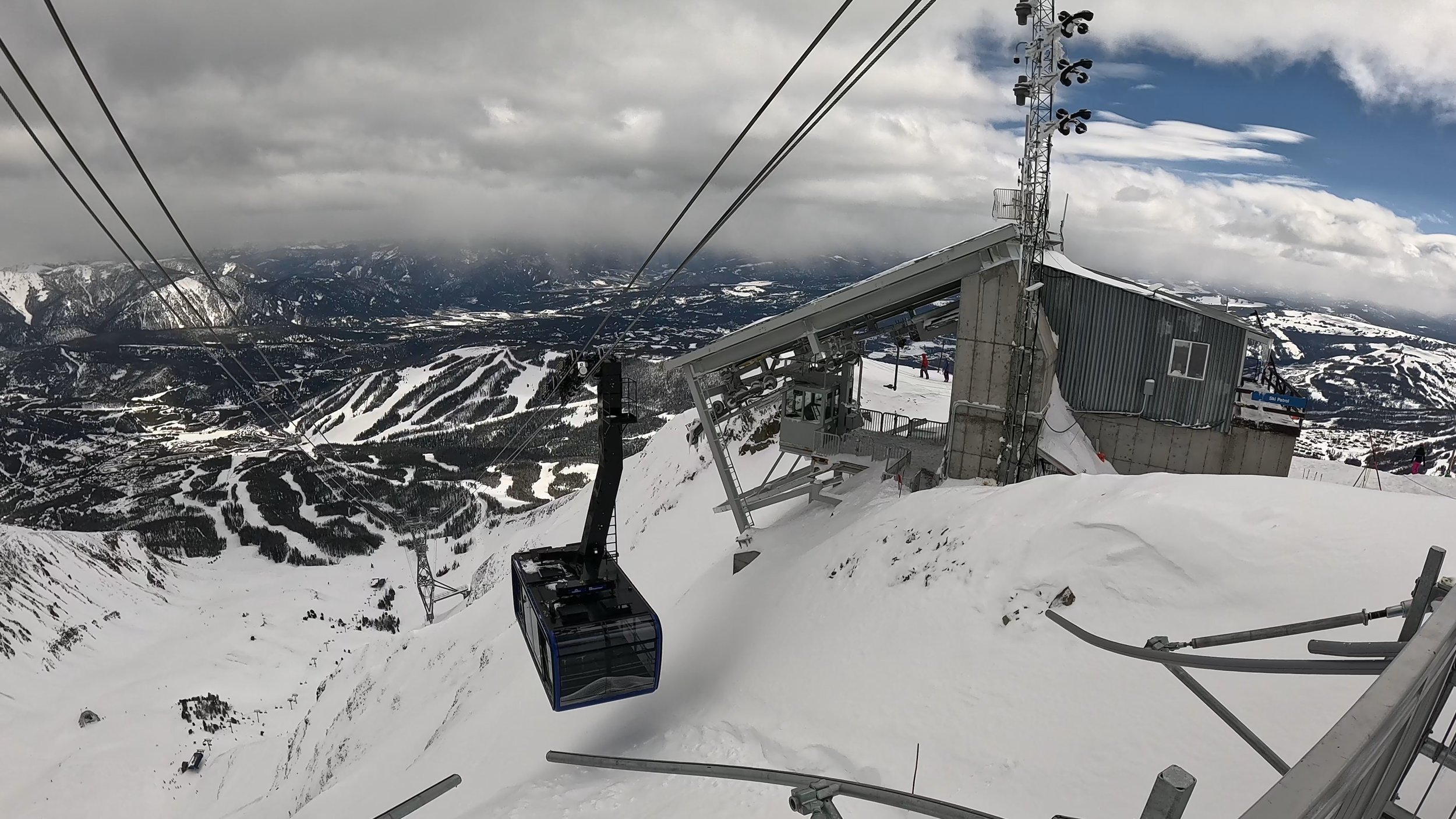
Montana’s Big Sky has officially crept into our top 10 ski resorts.
Implications For Our Rankings
So what does this all mean for the North American ski scene as a whole? Well, there are some notable shifts from these changes. The biggest winner is Castle Mountain, which moves up from 59th place in 2025 to 55th in 2026. Other notable climbers in the rankings include Monarch, Gore, Loon, and Attitash. On the other hand, Park City sees the biggest year-over-year decline, dropping from 32nd to 37th in North America. And despite all its changes, Deer Valley retains the same ranking—22nd in North America—as it did last year.
And then, we have some notable shifts at the top of our rankings. And that includes a new entry into our top 10: Big Sky. The resort jumps two spaces from 12th to 10th, knocking Snowbasin back to 11th despite the improvements there, and putting Beaver Creek in 12th.
The rest of the top 10 list will look familiar for those who followed along last year. In 9th place, we have Telluride, while Lake Louise, which has seen that huge suite of investments in recent years, retains an impressive 8th place finish. Vail takes 7th place, while Snowmass remains the best ski resort in Colorado at #6 in North America. In 5th place, we have Banff Sunshine Village, while Snowbird and Alta take 4th and 3rd, respectively, bolstered by the minor improvements at both of those resorts. In second place for the second year in a row, we have Jackson Hole, which has greatly benefitted from an array of infrastructure upgrades in recent seasons and hasn’t had anyone move to overtake it yet. But Jackson Hole still loses out 1st place to our long-running champion, Whistler Blackcomb, which is so big, diverse, and effective infrastructure-wise that it’s nearly impossible to match.
But like with last year, the Mountain Score gap between Whistler and Jackson Hole is now just a single point. If Whistler slips up in any way, or its crowding and reliability problems get worse, we could finally have a new top peak next winter.