Le Massif de Charlevoix Shuts Down in Resort-Wide Strike
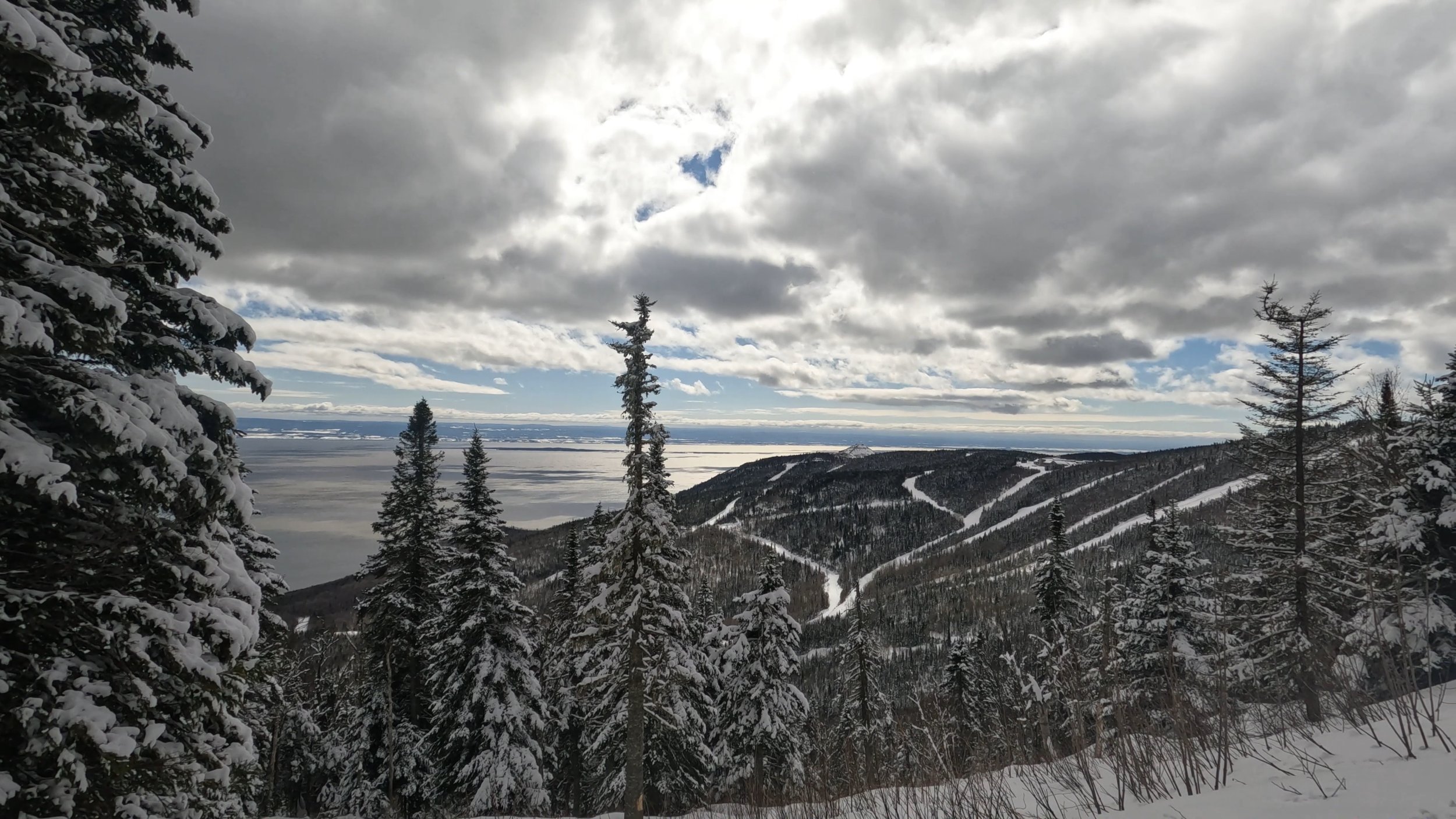
One of the East’s best and most beautiful ski resorts has shut down due to a resort-wide strike.
It is now clear that labor frustrations this winter are not exclusive to Telluride.
On January 2, 2026, Quebec’s Le Massif de Charlevoix abruptly shut down all mountain operations following the start of a legal strike by a union representing roughly 300 employees across core departments. This is not a patrol-only dispute. Lift operations, mountain maintenance, food and beverage, retail, and other on-mountain functions are all implicated, leaving the resort with no realistic path to operate safely or partially. Lodging remains open because it is structured separately, including the Club Med at the bottom of the mountain.
Like other strikes that have occurred in recent times, the early-season timing of this strike places it squarely in a leverage-rich window when demand, visibility, and financial stakes are all high, especially after a solid and snowy start to Eastern Canada’s ski season. Notably, this strike is occurring while a separate ski patrol strike at Telluride remains unresolved, marking the first time in North American history where two separate ski resort labor strikes happen to be ongoing at the same time. Additionally, to our knowledge, this is the first time an entity other than ski patrol has ever gone on strike at a major North American ski resort, and the first time a Canadian ski resort workforce has gone on strike.
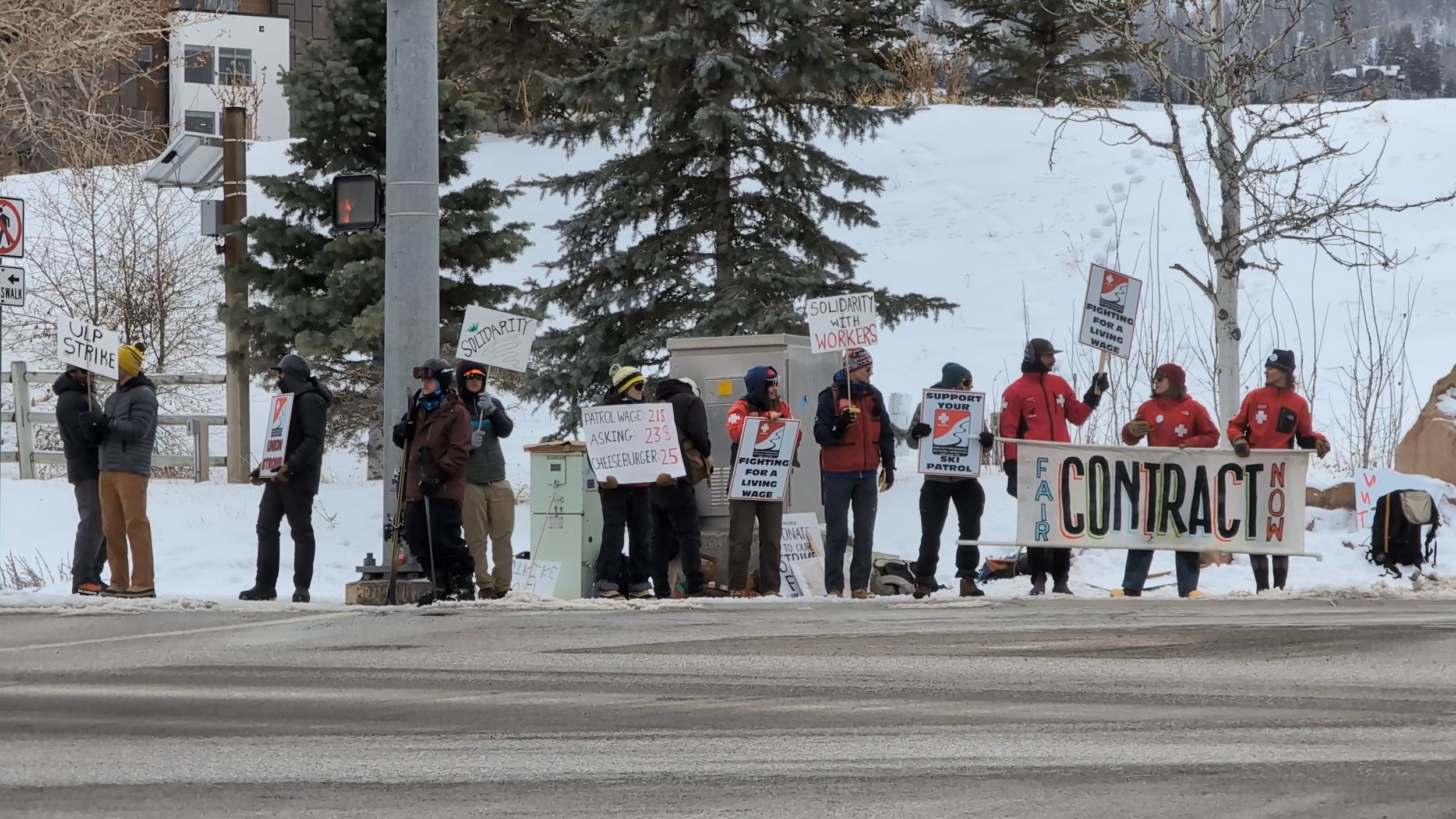
This is the second labor strike at a ski resort this winter, and it follows one at Park City (pictured above) last winter.
How Did We Get to Another Strike?
The workers’ union at Le Massif de Charlevoix has been negotiating a new contract with the resort in recent weeks, with the previous contract expiring on December 31, 2025. However, these negotiations culminated with a breakdown just before the end of the contract window. Notably, unlike at Telluride, workers voted to strike immediately after the old contract expired, opting not to work for a specific period under the old contract.
According to the union, the resort withdrew from negotiations or cancelled planned meetings on the eve of the initial strike mandate, prompting workers to escalate to its current actions. On the other hand, Le Massif management suggested that the indefinite strike was launched just days after the old agreement expired and said it considered the timing “hasty” given that negotiations were still occurring. The resort also claimed that offers it had submitted to the union were not distributed to its members.
Public statements from the union emphasize that this dispute is not just about wages, though pay is clearly central. While the union has not publicly released a specific percentage wage demand, it has repeatedly framed the employer’s current proposal as insufficient when compared with recent settlements at other Quebec ski areas and tourism employers. Beyond pay, the union is also seeking expanded sick leave, limits on subcontracting, better work equipment, and faster vacation accrual, while opposing concessions such as reduced access to unpaid leave and an evening work premium reportedly capped at about $0.75 per hour. Taken together, the demands reflect a broader concern that seasonal resort jobs across departments, not just ski patrol, are becoming increasingly difficult to sustain under current cost-of-living conditions.
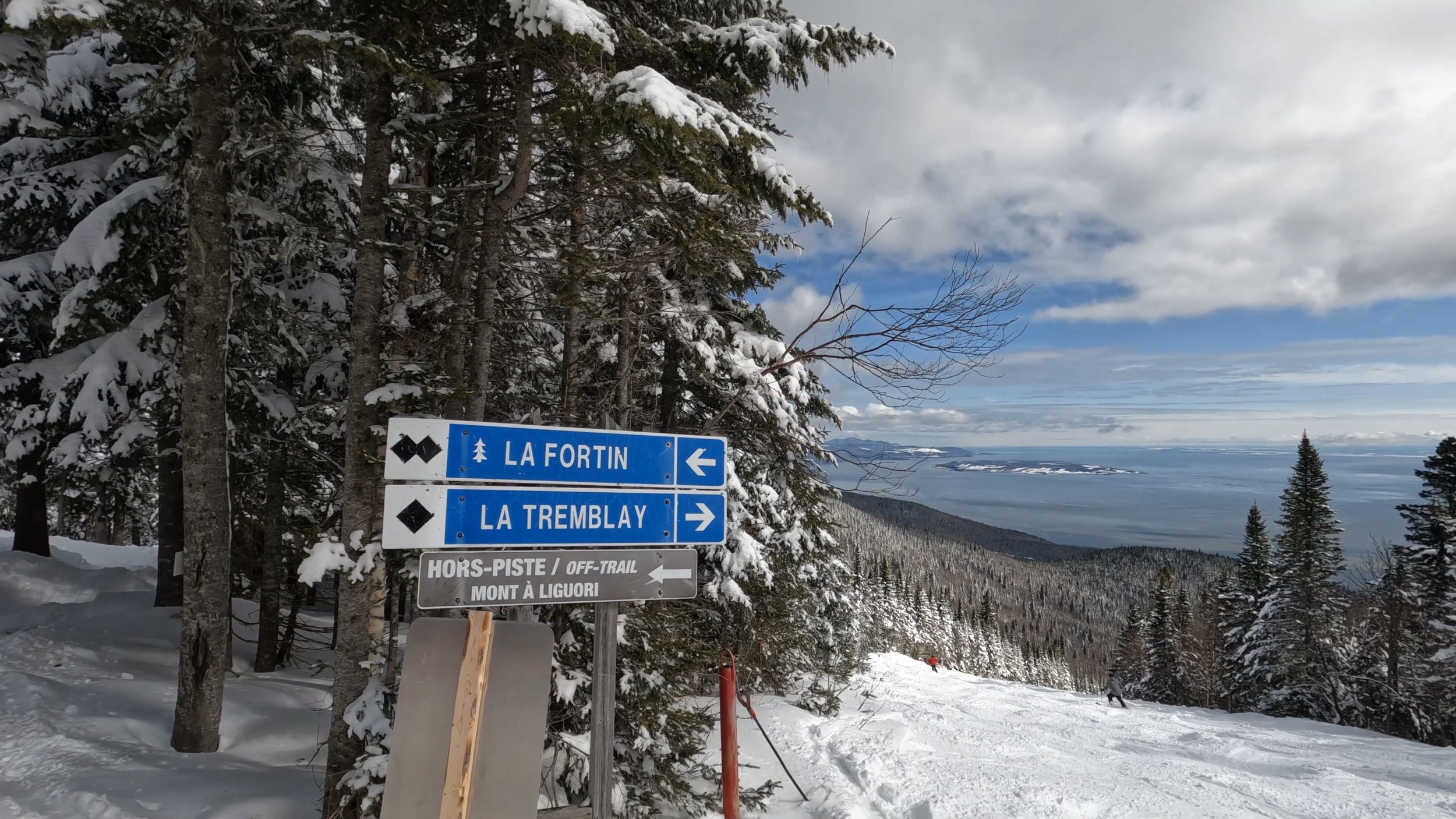
Le Massif’s strike brings some unique circumstances (and lays out some uncomfortable truths), even compared to the ongoing labor dispute at Telluride.
Why This Strike Matters (Even When Viewed Against Telluride’s)
Le Massif’s strike lands in the middle of what is already a historically rare cluster of labor actions in the ski industry. Ski patrol strikes have long been described as almost unheard of in modern North American skiing, yet multiple high-profile disputes have emerged within roughly a year. As we alluded to earlier, it is also notable that this is now the second full resort shutdown due to a labor strike this winter (and in the entire 21st century) thanks to the coinciding active ski patrol strike at Telluride.
But what makes Le Massif distinct from the other picket lines we’ve seen so far is that it is a strike by the entire on-mountain workforce, not a single specialized unit like ski patrol. It’s important to note that a strike like this is unlikely to occur in the United States, where unionization efforts have largely been department-specific (i.e. ski patrol, lift mechanics, mountain maintenance). At Telluride, the strike itself has been limited to ski patrol, with the decision to close ultimately made by management due to safety and operational constraints (indeed, small terrain openings at Telluride—managed without the striking ski patrollers—are starting early this week). This distinction is important because it could give the Le Massif workers more leverage over the resort, whereas at Telluride, other workers may be itching to get back to work by this point.
But perhaps just as notable is the timing of the strike. With rumors of a potential walk-off only circulating for the first time around Christmas 2025, and the strike beginning just 48 hours after the previous contract expired, it has become clear that labor disruptions can materialize with little public warning.
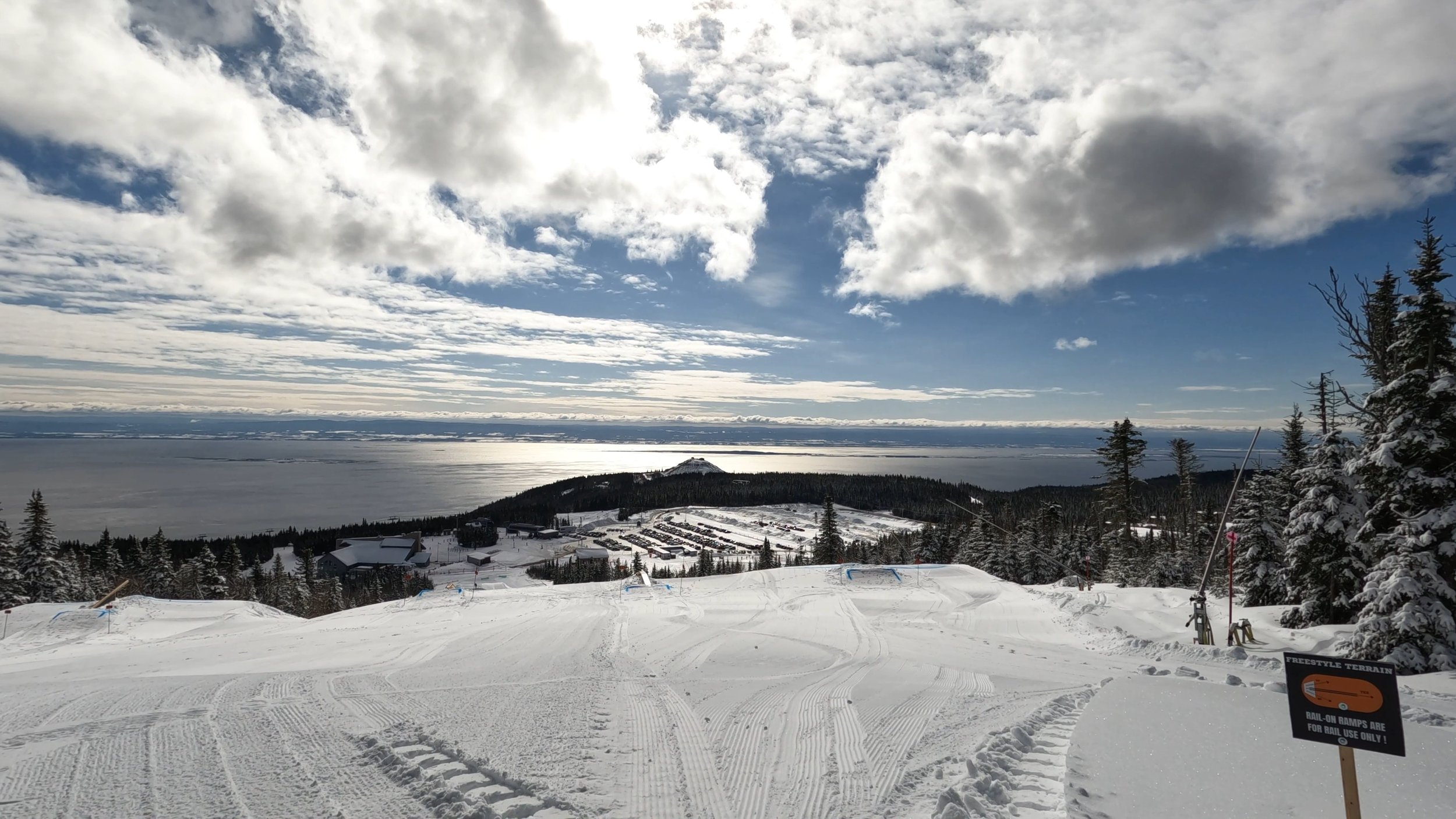
If you are planning any ski vacations over the next year, be sure to check the status of their unionization and labor contracts.
What You Need to Do
With two active ski resort strikes now happening at the same time, and one of them encompassing an entire mountain workforce, it’s hard to ignore the elephant in the room: the cost of living. The economic strain facing ski resort workers is not unique to ski patrollers, and cost-of-living challenges, housing access, and compensation gaps affect virtually every operational role on the mountain.
As we mentioned in our Telluride piece last week, it’s more important than ever to be on the lookout for resorts with unresolved labor contracts, which are becoming a non-trivial risk to a ski vacation. With little media coverage until only a few weeks before each of these strikes, many travelers have already committed to non-refundable trips with little ability to reroute destinations, rebook lodging, or recover sunk costs. While this issue remains undercovered, we strongly recommend paying close attention to contract timelines and bargaining status months or even seasons in advance, particularly at destination resorts where a shutdown is no longer a theoretical outcome.
Beyond the resorts already on strike, there are two North American ski mountains we are currently watching. One is Whitefish, which is operating under a one-season bridge agreement that expires after the 2025-26 winter, and the second is Jackson Hole, which is still in the union-formation and first-contract phase with no agreement in place.
As with at Telluride, we’ll be watching this development closely in the coming days and hope the dispute comes to a resolution soon.