Why Family-Owned Skiing Disappeared In North America
If you’ve skied in North America over the last decade, one thing’s for certain: the industry as a whole feels more corporate. Resort personality is being replaced by eerily standardized operations. The high-speed six-pack outside might be brand new, but the $25 burger in the lodge tastes the same as at every other resort. And most importantly, your in-advance pass gets you access to more mountains than ever, but if you want to buy a ticket the day of, you face highway-robbery prices.
And to many loyal skiers and riders, the problem seems obvious: massive corporations like Vail Resorts and Alterra came in and forced family and local ownership to sell out. But just how much of this is true, is the consolidation of the ski industry more of a hostile military occupation or a rescue mission, and is family-owned skiing and riding really on its last legs?

Okemo in Vermont was an example of a family-owned resort in the early 2000s.
The Early 2000s: The Last Balanced Ownership World?
For many skiers and riders, the early 2000s represent the last moment when skiing still felt personal. Lift tickets were expensive, but not unthinkable; season passes were merely regional or single-resort products; and the sense that a mountain could be shaped by the personality of an individual family rather than a corporate committee was still alive in much of the United States and Canada. One could argue that era has calcified into nostalgia because it was the final moment when the industry’s ownership structure felt genuinely diverse. Family-run destinations coexisted with medium-sized independent operators, and corporate groups existed, but their influence didn’t define the entire ecosystem.
In 2000-2005, the North American ski industry was a patchwork of ownership models. True family-owned resorts played an important regional role; resorts like Okemo, Crested Butte, Sunapee, Solitude, and Hunter still operated under families who had guided them for decades. And others like Alta, Winter Park, and Schweitzer, while not directly owned by families, were managed by a local ownership group with little influence outside the region. And as many of you are keenly aware, the examples listed were not small feeder hills; they were significant regional anchors. But they coexisted with independent multi-resort operators like Boyne, POWDR, Peak Resorts, and Booth Creek. These groups owned a handful of mountains each, often clustered regionally, and they competed successfully without needing national pass networks or modern corporate scale.

In the early 2000s, Vail Resorts was merely a regional-level company with control of just four resorts, all in Colorado.
And then there were the larger corporate operators—American Skiing Company (ASC) and Intrawest, each managing multiple properties. But their strategies were primarily real-estate-driven, not network-driven. ASC, in particular, was financially stretched in the early 2000s and would ultimately dissolve (that’s a whole fascinating story in and of itself, but that’s for another time). Intrawest was capital-intensive and also about to run into its own debt issues, but it had no intention of expanding through a mega-pass model. Vail Resorts, at the time, was a growing but regionally focused company with little indication that it would soon trigger the biggest consolidation wave in the industry’s history.
This era wasn’t dominated by families, but it also wasn’t yet dictated by national passes. And the industry still operated largely through local decision-making, even under corporate owners. This is what many people remember as the skiing world “before corporate takeover.” And to some extent, it genuinely was—but not in the way people assume.
Many of the most iconic mountains were already corporately owned by 2000, and had been for years. ASC controlled resorts like Killington, Mount Snow, Attitash, Steamboat, and Sunday River. Intrawest ran mountains like Copper Mountain, Whistler Blackcomb, and Mammoth. Vail, Breckenridge, Keystone, and Beaver Creek were under Vail Resorts.
Why, then, did skiing still feel local? Well, let’s start with the quality and circumstances related to ownership changes.
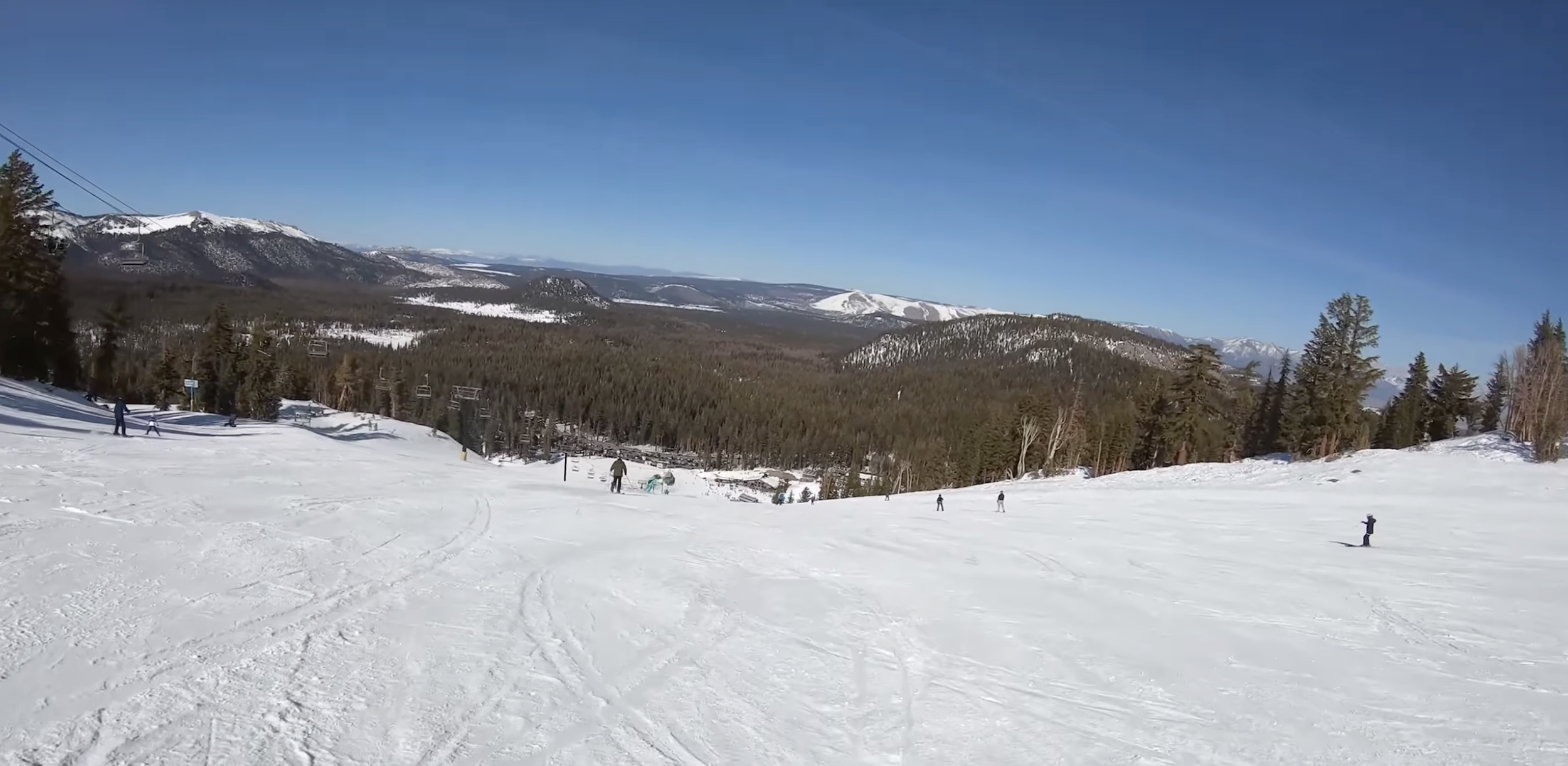
Intrawest and ASC were the two big national-level companies in the early 2000s, operating resorts like Mammoth in California.
2000-2008: The Last Years Before the New Economics Took Hold
The period from 2000 to 2008 represented something close to the antithesis of what we’ve seen in more recent years. Consolidation happened, but it wasn’t because of the corporate raiding of family assets. Instead, it was quite the contrary; most of the notable deals were actually influenced by the collapse of large corporate ski resort companies. Most of the high-profile sales came from the cleanup of American Skiing Company’s slow disintegration, Intrawest deleveraging, and one-off transactions hard to tie to broader trends.
POWDR’s acquisition of Killington and Pico happened because ASC failed, not because family or local owners were forced out. Peak Resorts’ purchase of Mount Snow and Attitash followed the same logic, and even Vail Resorts’ 2002 acquisition of Heavenly can be placed in this bucket. And ironically, Intrawest’s purchase of Steamboat in 2007 came out of ASC’s downfall, but its sale of Copper Mountain to POWDR in 2009 happened because that company needed to offload debt. These deals reshaped regional ownership maps, but they did not meaningfully move the needle on family stewardship. In other words, the companies that bought these resorts did so not necessarily because they were aggressively looking to expand, but because they got great deals on financially-constrained, name-brand mountains.
In accordance with this logic, family-managed resorts did not change hands in large numbers during this period. However, there was one major change in ownership, albeit not operational control. The Muellers sold the real estate and underlying assets of Okemo, Crested Butte, and Mount Sunapee in 2008 to CNL Lifestyle Properties, in a sale-leaseback transaction that provided them with money to invest in major improvements. But while they retained day-to-day management through long-term leases, this move was an early sign of what was to come later: even the strongest family operators were starting to bump up against the capital limitations of independent ownership.
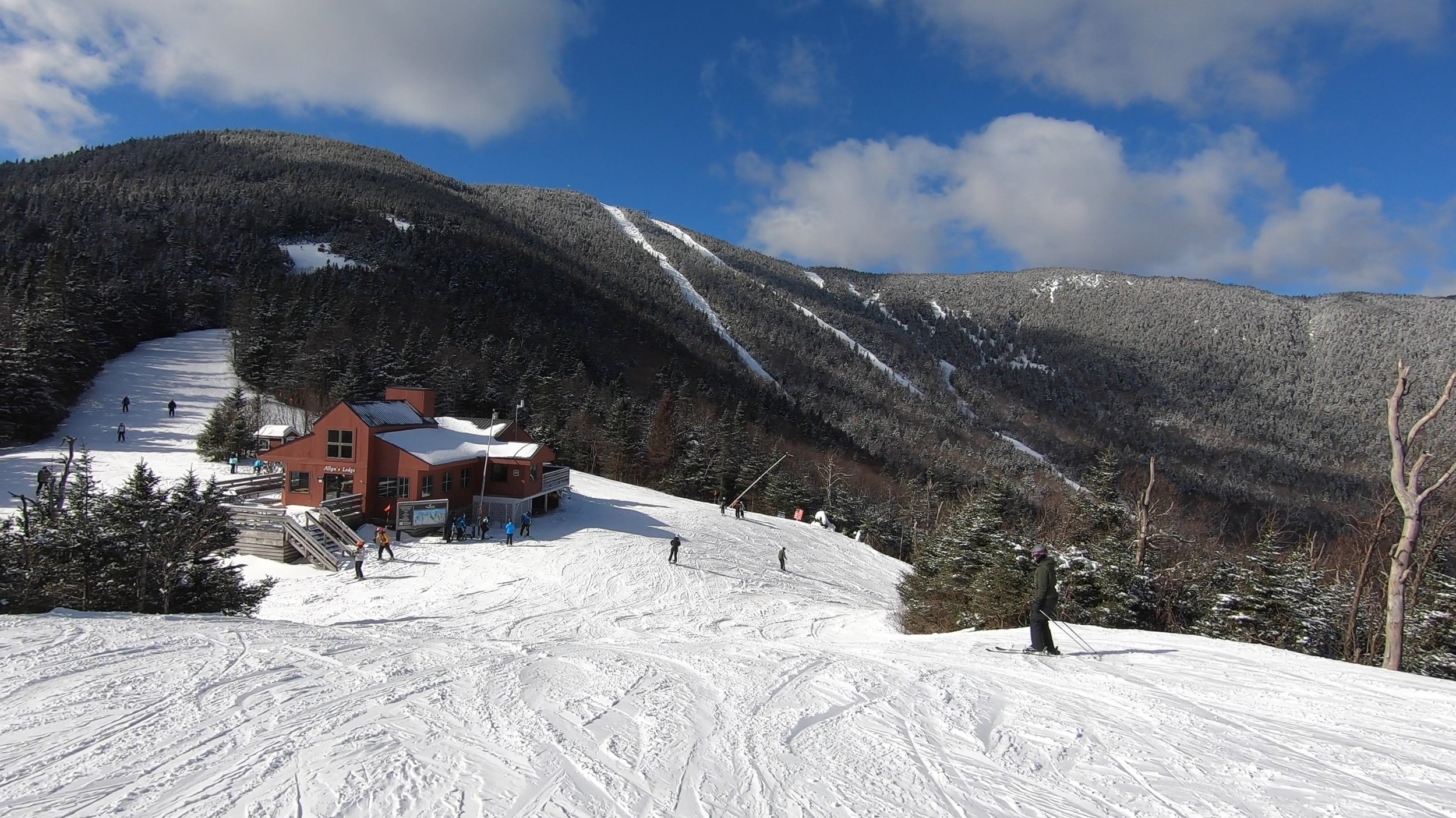
Sugarbush was rescued and revitalized in the 2000s under the leadership of an independently wealthy owner.
On the other hand, the strongest evidence that independent, locally-run destination resorts still had room to thrive in this era was what happened at two North American ski resorts. First off, Sugarbush; in 2001, after American Skiing Company began dismantling its overleveraged portfolio, former Merrill Lynch vice chairman Win Smith purchased the resort and returned it to independent ownership under Summit Ventures. Smith invested heavily, rebuilt the Lincoln Peak base area, modernized lifts, and re-centered Sugarbush’s identity around the local community.
But a true reversal to family ownership occurred in Canada at Lake Louise, where what we can only describe as a whirlwind of an ownership situation occurred. For decades, the Locke family owned and operated the entirety of the Resorts of the Canadian Rockies company, which included Lake Louise itself as well as seven other Canadian ski resorts across both coasts, most of which were bought in the 1990s. But in 2001, the company fell on financially challenging times and was forced to sell a majority stake to oil tycoon Murray Edwards in order to stay afloat. Edwards then purchased the remainder of the company in 2003. But in 2008, Locke and his family exercised a buyback option to return Lake Louise to majority family ownership, restoring a 50% ownership stake of one of the biggest ski resorts in North America—and, ironically, making the resort more directly family-owned than when Locke lost control of RCR in the early 2000s. But while 2008 was a win for the Locke family and a sign that family ownership still had a place in the destination ski world, it was also the year of a defining moment that blew winds in the opposite direction.
2008-2015: Epic Pass Rewrites the Rules of Ski Economics
2008 was the year that saw the launch of one of the biggest disruptors to ski resort economics ever: the Vail Resorts-issued Epic Pass. Before Epic, season passes were specific to individual mountains or small regional clusters—and they were quite expensive. But with the Epic Pass’s launch, skiers and riders could now access five major resorts for just $579 for an entire season, provided they bought before the season started. After Epic, access itself became the product—and scale became the defining competitive advantage. And luckily for Vail, the preseason pass revenue that came with the Epic Pass’s sales model gave the company a new stream of guaranteed cash flow it could use to fund that scale.
The first true pass-driven acquisitions were telling. After acquiring Heavenly in 2002 in the midst of ASC’s downfall, Vail Resorts moved to capture Northstar (2010) and Kirkwood (2012) only a few years after the Epic Pass launched, giving the product a true hub of resort destinations in the Tahoe region, rather than just one. It is well documented that Kirkwood was struggling financially at the time, so it might have been up for sale either way, but there’s no doubt that Vail hugely benefitted from its strategic inclusion in its pass portfolio.

Vail Resorts began its expansion outside Colorado with the acquisitions of 3 Tahoe resorts: Heavenly, Northstar, and Kirkwood.
But the next set of acquisitions was even more revealing. In December 2012, Vail Resorts bought Afton Alps and Mount Brighton, decisions that were unprecedented in the ski world at the time. These small urban hills, located outside Minneapolis-St. Paul and Detroit respectively, were purchased not because of their intrinsic financial value, but because they offered Vail access to vast Midwestern day-skier markets. These were distribution acquisitions—and more specifically, about funneling new passholders into the Epic ecosystem. Vail followed up with a similar acquisition of Wilmot, located outside Milwaukee and Chicago, in 2015. Notably, all three of these mountains had been family-run since their founding, with all of them staying in local hands for at least five decades. Wilmot, in particular, had stayed under the same family for nearly 78 years.
Other companies started to follow Vail’s lead. Peak Resorts, for example, bought New Hampshire’s Wildcat in 2010 and New York State’s Hunter in 2015, both of which had also been family-owned for decades. Just a year after their Hunter acquisition, they announced their Peak Pass that offered regional access to its seven northeast ski resorts.
For the first time in ski-industry history, healthy family-owned resorts became valuable targets not because they were distressed, but because they offered strategic value to a national pass network. A family resort didn’t have to be in a bad financial state to be vulnerable; it simply had to be independent and willing to take a buyout offer it couldn’t refuse.

Vail’s acquisition of small ski areas like Wilmot, pictured above, indicated that the company was beginning to focus on dominating local and regional markets.
2015-2020: The Great Absorption of Independent and Family-Owned Resorts
The second half of the 2010s is when the consolidation wave became undeniable. This is when nearly every major remaining family-owned or independently-run destination resort sold. And the reasons they sold were not primarily personal, but structural.
Around the same time Vail and Peak Resorts were acquiring modestly-sized family-owned regional mountains, the first big sale of a family-owned Western ski resort went down. In 2015, Solitude was sold to Deer Valley after nearly four decades of ownership under the DeSeelhorst family. For a long time, Solitude had been a relatively low-key resort that worked under its family-run structure. But by the mid-2010s, aging ownership, rising capital requirements, and the need to compete against nearby corporately-owned resorts like Park City, Snowbird, and Brighton, which had invested quite a bit more in lifts and facilities, left Solitude increasingly isolated. The sale to Deer Valley was clearly not caused by mismanagement; it was a result of structural competitive forces the family could not overcome.
Even though they sold the underlying resorts a decade earlier, the Muellers’ operational transfer of Okemo, Sunapee, and Crested Butte to Vail in 2018 was perhaps even more symbolic of this point. Tim and Diane Mueller were perhaps the most admired family operators in the country, and their stewardship of Okemo was widely seen as a model of guest-experience-driven management. Yet they sold for similar reasons to Solitude—and similar reasons for their sale-leaseback a decade earlier. They faced rising capital needs and intensifying pass-driven competition. Moreover, they sold because the new economic model made remaining independent increasingly untenable.
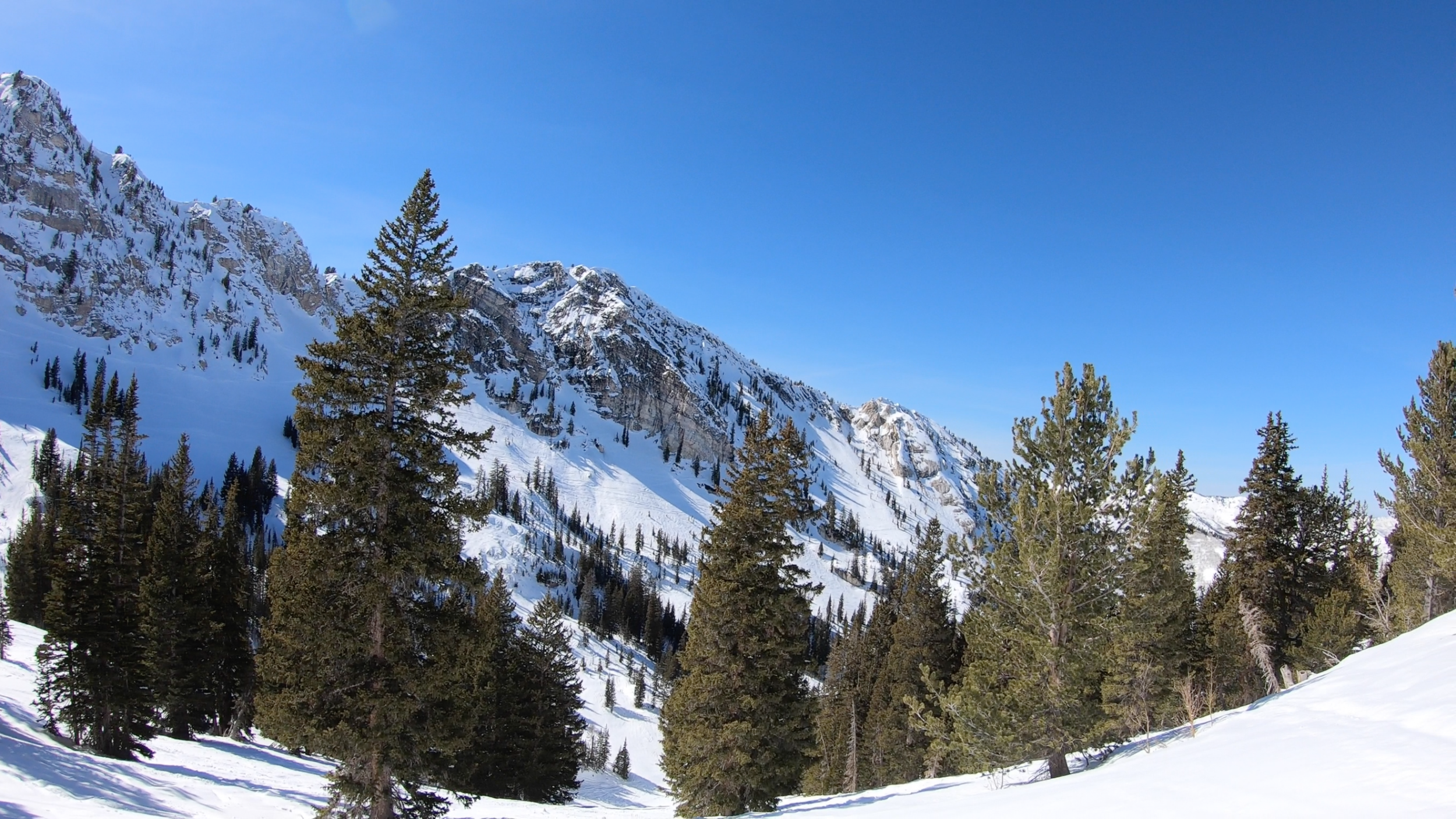
Utah’s Solitude was the first large-scale western resort to transfer from family ownership to corporate ownership.
Speaking of 2018, this was also the year for a fundamental change in the North American ski industry: the introduction of the Ikon Pass. KSL Properties and Henry Crown & Company bought Intrawest, Mammoth Resorts, and the Deer Valley portfolio to form Alterra Mountain Company, creating another new company that directly owned and issued a multi-resort pass product and suddenly turning the acquisition trend into a race to gobble up as many resorts as possible.
Perhaps the first casualty of this newly established duopoly was Crystal, which was owned by John Kircher for a notably short time before he threw in the towel and sold to Alterra. He bought the resort from the larger Boyne Resorts network his family controlled in April 2017 and originally intended to run it as a locally-owned enterprise. But only nine months later, the Ikon Pass was formally announced as a competitor to Epic, and the shift in industry dynamics changed his plans. Kircher went on record stating that the Epic and Ikon Passes had become so dominant he couldn’t feasibly run an independent resort anymore, and he sold to Alterra in September 2018, only another eight months after the latter pass debuted.
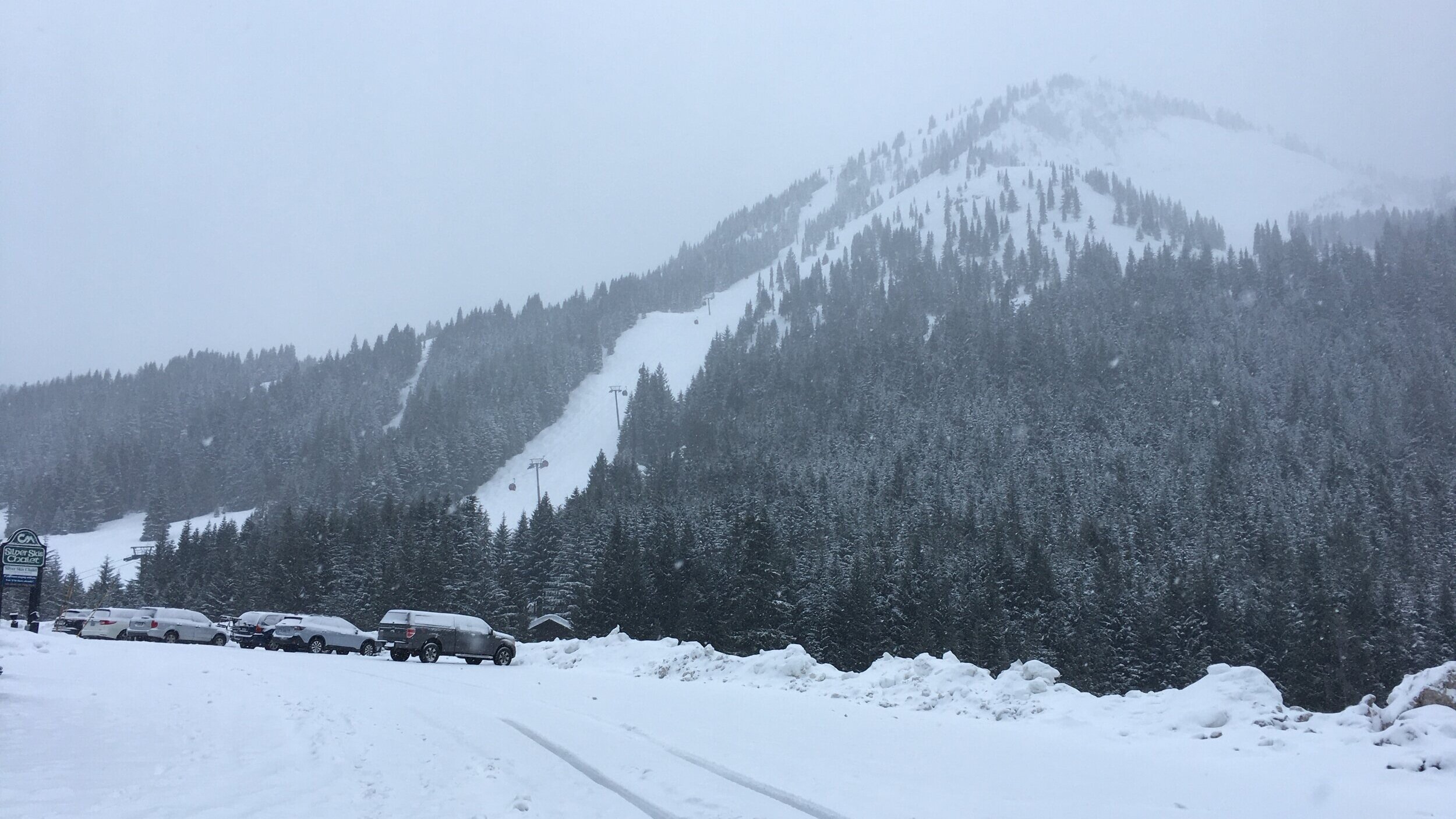
The sale of Crystal to Alterra indicated that even independently wealthy owners would struggle to operate ski resorts in the world of the new corporate duopoly.
Next up was Sugarbush, which was bought by Alterra in 2019. As noted earlier, Sugarbush’s return to independent ownership in 2001 was a notable reversal, made possible by outside capital and spearheaded by a powerful individual who had built his wealth in finance. But that reversal could only last so long with the rapidly changing dynamics, and Win Smith indeed cited Vail Resorts’ growth as a sign he couldn’t compete independently in the new pass-driven world. Even with an independently wealthy operator, Sugarbush still ended up in a corporate portfolio twenty years later, underscoring how structural forces had already made long-term local ownership nearly impossible.
By the early 2020s, nearly every regionally significant family or locally-owned destination resort in North America had been absorbed. While not directly owned by families, independently-managed resorts like Stowe, Arapahoe Basin, and Schweitzer were absorbed into Vail and Alterra’s portfolios as well. Also, Vail Resorts bought Peak Resorts in 2019, bringing some of the family-owned mountains that the latter entity had bought just a few years earlier directly into its control. The pace, scale, and breadth of these acquisitions are unparalleled in ski-industry history.
Wait…Have We Seen This Before? Family Ownership Had Been Declining for Decades
But was the collapse of family ownership in the ski industry really that sudden and unprecedented? Here’s a twist most skiers don’t realize: the corporately-owned ski resorts of the early 2000s had to come from somewhere, and the industry went through its first period of family-owned decline back in the 1970s, 80s, and 90s. Back then, there was another period where the economics of running a ski resort changed faster than family owners could keep up. Snowmaking expanded from a niche experiment to a baseline requirement, demanding multimillion-dollar seasonal capital budgets. High-speed detachable quads emerged and instantly recalibrated guest expectations. Insurance and liability costs surged due to changing laws and regulations, as did the cost of routine capital improvements. And most critically, real-estate-driven financing models took hold, allowing corporate operators to borrow and build at a scale no family could match.
This is when many of the resorts that feel like they’ve been in corporate portfolios forever, such as Heavenly, Brighton, Mount Snow, Sunday River, Sugarloaf, and Stratton, actually left family or local hands for the first time.

Resorts like Vermont’s Stratton have already been in corporate hands for decades.
One of the only true reversals during this period—the return of Sugarbush to family ownership under Win Smith in 2001—reinforced the illusion that the traditional ownership model was alive and well. But even this revival was an anomaly, made possible only because Smith brought deep outside financial resources from a Wall Street career. And even that exception eventually returned to corporate ownership two decades later.
This is all to say that the reality is that the erosion of family-run destination skiing was not sudden, and it was not caused entirely by Epic or Ikon, even if it was clearly sped up in certain respects. It was a long, steady decline driven by rising capital requirements, modernization pressures, liability exposure, demographic shifts, and real-estate economics—the forces that hollowed out family ownership long before mega-pass wars finished the job. If anything, the issues faced by ASC and Intrawest in the 2000s just marked a hiccup in the march towards the inevitable.
Wait…Family-Owned Resorts Still Exist?
But all of the things we just discussed are critical to note because they lead to an important truth: family‑run skiing and riding is not extinct, and under certain conditions, it isn’t going anywhere. Dozens of family‑owned ski areas have deliberately remained small, local hills, never expanding to a scale that would require the significant capital investments of destination-tier or even major regional-tier resorts. Many sit in low-demand locations that aren't close to major population centers, or if they are close to cities, they have smaller footprints or slower lifts than nearby corporate-owned competitors. Ironically, these family-owned hills survive precisely because they’re too small and, let's call it, "insignificant" to matter in the Epic and Ikon era. If you’ve visited family-owned resorts like Pat’s Peak, Plattekill, Beaver Mountain, and even places like Loveland and Wolf Creek, you know exactly where we’re coming from.
However, there are other very prominent mountains that are still owned by families. You just wouldn’t know it. That’s because these resorts are owned by privately held companies that are technically family-controlled, but they operate as large multi-resort corporations, not as individual family ski hills.
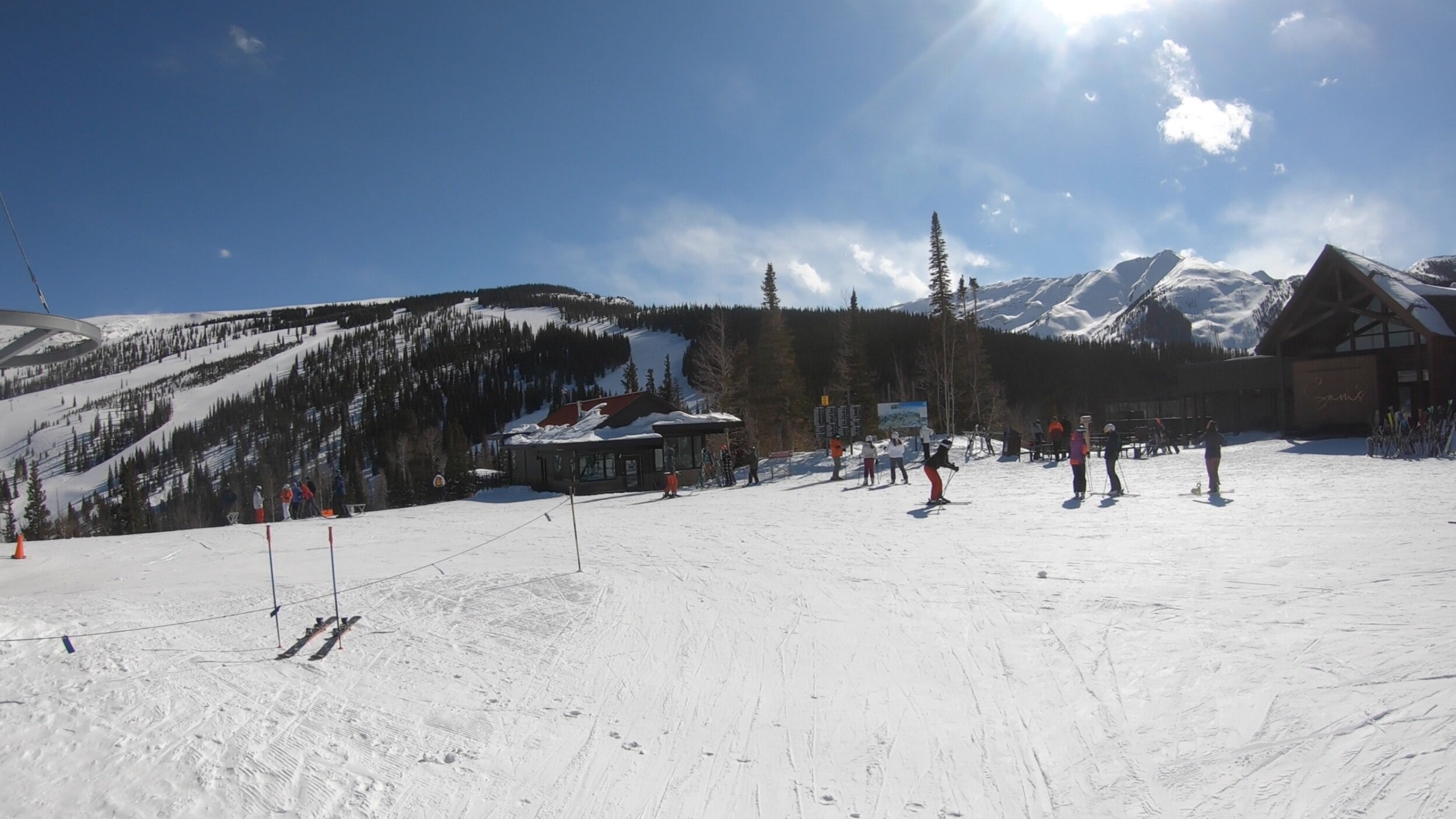
Many resorts such as Aspen Snowmass are run by corporations, but those corporations happen to be family-owned themselves.
Boyne Resorts is perhaps the most prominent example; it’s a privately held, family-owned company led by the Kircher family. As of late 2025, they operate 12 resort properties, including Big Sky, Brighton, Sunday River, Sugarloaf, and Boyne Mountain itself.
A similar situation exists at POWDR Corp., which is privately held and controlled by the Cumming family. Technically, the Cumming family owns Snowbird, but in practice, it’s now managed as a resort within the broader POWDR portfolio.
Aspen Snowmass is operated by Aspen Skiing Company, which is privately owned by the Crown family via Henry Crown & Co.
Sun Valley and Snowbasin are owned by the Holding family through their Grand America Hotels / Sinclair Oil corporate structure.
And finally, there are a handful of destination-grade ski resorts in North America that are still truly family-owned, even if they have all partnered with the Ikon Pass to supplant their revenue. After their buyback in 2008, the Locke family never let go of their ownership of Lake Louise. While Lake Louise has hired a CEO (in 2022) to run day-to-day business functions, this is common corporate practice in family-owned companies and does not change the underlying ownership or strategic control of the Locke family. The next family-owned destination ski resort is none other than Lake Louise’s neighbor, Banff Sunshine Village, which is majority owned and operated by the Scurfield family and has been under their control for more than 40 years. Sunshine did go through a period of hardship during the early 90s, but by being conservative and debt-averse in their investments, the family was able to retain ownership, even if current CEO Ralph Scurfield bought out some of his siblings in the process. And Alta Ski Area, located in Utah’s Little Cottonwood Canyon, is still partially owned and operated by the Quinney family that founded it all the way back in 1938. Alta has taken some outside financing from other parties, most notably the Laughlin family that’s now the majority owner, but it’s still 87% owned by just three families, and this ownership structure has been sustainable, both financially and from a competitive standpoint, for decades.
The Independent Pushback: The Pendulum Swings Back
Here is where the narrative gets interesting in 2024 and 2025. After two decades of centralization, we are seeing the first genuine cracks in the consolidation model. The "growth at all costs" strategy is hitting a wall, and locals are starting to buy back the farm.
As those of you paying attention to the industry know, we can’t talk about the independent pushback without covering POWDR Corp. This large ski resort holder, long referred to as the "third player" in the industry behind Vail Resorts and Alterra, raised eyebrows in late 2024 by effectively liquidating most of its portfolio to focus on National Park concessions and "Woodward" facilities. This put Killington, Pico, Eldora, Mount Bachelor, and Silver Star on the market.
What happened next was telling. Killington and Pico weren't bought by Vail or Alterra—and we’re not even sure if POWDR allowed them to place bids. They were purchased by a group of local investors led by Phill Gross and Michael Ferri, and the group is broadly known as passionate, long-time Killington homeowners who understand the unique culture.
Megacorps didn’t get a bite at POWDR’s next sale either. In 2025, the town of Nederland, Colorado, moved to purchase Eldora Mountain Resort from the company. A municipal government buying a ski resort to save it from corporate limbo is unprecedented in the modern era, and it keeps Eldora in local hands for the years to come.
Another interesting example is Burke Mountain. Long trapped in the receivership nightmare of the Jay Peak EB-5 fraud scandal, it was finally sold in 2025 to Bear Den Partners, a group with deep local ties. While not as big or traveled as Killington or Eldora, it beat out larger, more generic bidders because the receiver and the state recognized that a "local" owner was the only way to heal the community's trust.
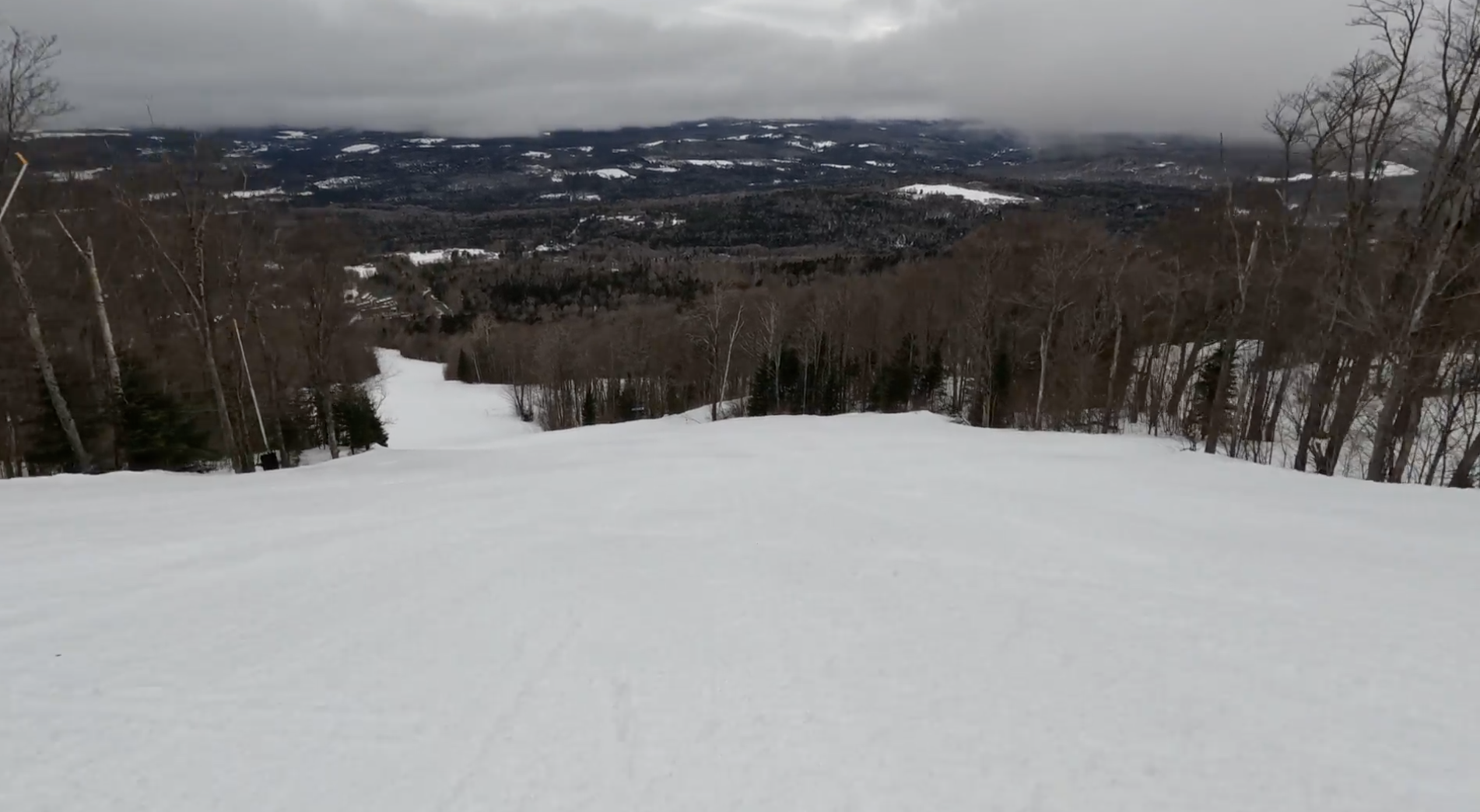
Ownership of Vermont’s Burke was recently transferred into local hands.
And finally, we cannot talk about independent pushback without mentioning the Indy Pass. By creating a revenue-sharing coalition of over 200 independent alpine and cross-country resorts, Indy has in some ways given small mountains a "shield" against the Epic/Ikon duopoly. It provides the technology and marketing reach of a conglomerate without asking for equity. This, arguably, has allowed dozens of mountains to stay independent. Indeed, since the Indy Pass debuted in 2019, not a single truly small, family-owned resort has been acquired by Vail, Alterra, or another major portfolio. In a world where scale is survival, Indy has let these mountains band together without selling out.
However, none of the ski resorts we just mentioned have specifically transitioned from corporate to family ownership. And part of that may have to do with an underlying fact: families can exit the ski industry, but in today’s world, they can’t enter.
In the mid-20th century, family ownership was self-regenerating. Families sold resorts, but new families founded others; Big Sky, Solitude, and countless smaller areas emerged from entrepreneurial initiatives. That cycle allowed family ownership to persist despite consolidation.
Today, that regeneration loop is broken. The regulatory, financial, and environmental barriers to building a new ski resort are effectively insurmountable. NEPA reviews can take a decade, water rights are nearly impossible to secure, snowmaking requires expensive infrastructure, workforce housing shortages make staffing a constant crisis, climate variability deters lenders, and building a new resort from scratch requires nine- or ten-figure capital outlays. Due to these fundamentals, it’s very difficult, if not impossible, for families to establish a new resort in a “mom and pop” fashion like the old days.

Colorado’s Loveland is one of the most significantly sized resorts on the Indy Pass.
Final Thoughts
So, were family-run ski resorts forced into consolidation? Not individually. No family was coerced into selling. But the industry structure made the decision inevitable. Families sold not because they failed, but because the system and capital requirements changed faster than a family-owned resort could absorb.
But it’s important to remember that family-owned ski hills still exist, just at a much smaller scale. If you’re looking for that local and authentic feel, you can still get it—you’ll just have to trade out highly competitive resort infrastructure and multi-resort pass access (or you’ll have to go to Lake Louise). Some family-owned mountains still have incredible terrain even if their lifts are slow. So while family-owned skiing is a disappearing entity on the national scale, it’s still a thing if you know where to look—and if this new wave of locally-focused independent ownership continues, we might see some old cultural benefits return, even if a “mom and pop” aren’t literally the folks running the place.